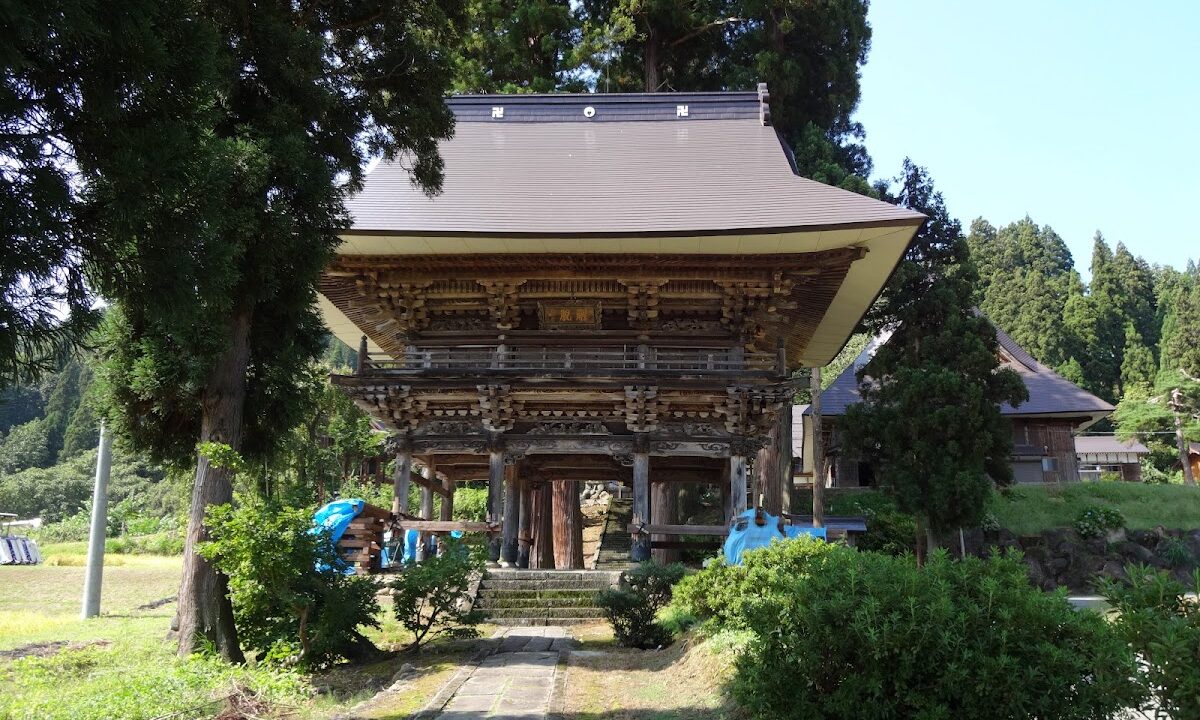
What is Jōkei-in? A thorough explanation of the history, origins, and characteristics of temples scattered throughout Japan
Jōkei-in is the name of a group of temples located throughout Japan. Temples with the same name exist in multiple prefectures, each with its own unique history and origins. This article provides a comprehensive explanation of the major Jōkei-in temples, including their historical background, sect, cultural assets, and traditions.
Overview and Distribution of Jōkei-in Temples
There are multiple temples named Jōkei-in throughout Japan. The main Jōkei-in temples are listed below.
- Jōkei-in Temple in Yonezawa City, Yamagata Prefecture (Sōtō Zen sect)
- Jōkei-in Temple in Sakae Village, Shimominochi District, Nagano Prefecture (Sōtō Zen sect)
- Jōkei-in Temple in Minamiise Town, Watarai District, Mie Prefecture (Rinzai Zen sect, Myōshinji branch)
- Jōkei-in Temple in Tokushima City, Tokushima Prefecture (Shingon sect)
These temples, while sharing the same name, belong to different sects and are deeply intertwined with the history and culture of their respective regions.
Jōkei-in Temple in Yonezawa City, Yamagata Prefecture
Basic Information
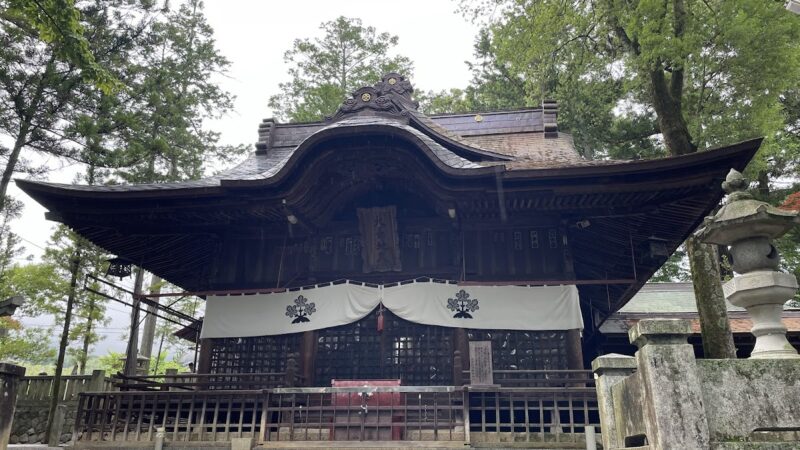
Jōkei-in Temple, located in Minamihara Yokobori-cho, Yonezawa City, Yamagata Prefecture, belongs to the Sōtō Zen sect. This temple has a close connection to the history of the Yonezawa Domain and has played an important role as a center of faith in the region.
Location: 2844 Minamihara Yokobori-cho, Yonezawa City, Yamagata Prefecture
Sect: Soto Zen Buddhism
Chief Priest: Kaneto Ryoichi
History and Origin
Jōkei-in Temple in Yonezawa is known as the family temple of the Takemata clan, one of the samurai families of the Yonezawa Domain. The Takemata clan was a samurai family that played an important role in the Yonezawa Domain, and Jōkei-in Temple houses the graves of successive heads of the Takemata clan, including Takemata Tōtsuna and Takemata Atsutsuna.
The Takemata clan was a particularly important family among the retainers who served the Uesugi family, and Jōkei-in Temple, their family temple, is a valuable historical site that conveys the history of the Yonezawa Domain to the present day.
The Legend of the Bunbuku Chagama
The legend of the “Bunbuku Chagama” is passed down at Jōkei-in Temple in Yonezawa. Within the temple grounds stands a sign that reads “Jōkei-in Temple of the Bunbuku Chagama,” indicating its status as the setting for a unique version of the Bunbuku Chagama legend in Yamagata Prefecture.
This legend is interesting as a regional variation, differing from the famous “Bunbuku Chagama” story passed down at Morin-ji Temple in Tatebayashi City, Gunma Prefecture. The folk tale of a tanuki (raccoon dog) transforming into a tea kettle is found in various forms throughout Japan, and the legend of Jōkei-in Temple is one such example, an important element of local culture.
Cultural Properties and Highlights
Jōkei-in Temple preserves tombstones related to the Takemata family, as well as Buddhist statues and artifacts dating back to the Edo period. It is a valuable temple for those interested in the history of the Yonezawa Domain or researchers of samurai culture, as it holds precious historical materials.
Jōkei-in Temple, Sakae Village, Shimominochi District, Nagano Prefecture
Basic Information
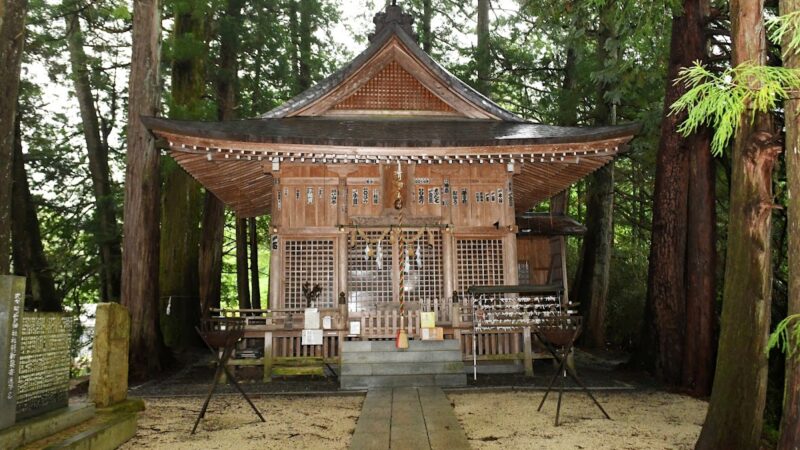
Jōkei-in Temple, located in Minotsukuri, Sakae Village, Shimominochi District, Nagano Prefecture, is a temple belonging to the Sōtō Zen sect.
Mountain Name: Kinkazan
Address: 1663 Sakai, Sakae Village, Shimominochi District, Nagano Prefecture
Postal Code: 389-2703
Sect: Sōtō Zen Taigen School
Principal Image: Shakyamuni Buddha
Relationship with Branch Temples: Branch temple of Tanryū-in Temple, Okitama District, Dewa Province
Historical Background and History
Jōkei-in Temple in Sakae Village has deep ties to the Ichikawa clan, a senior retainer of the Uesugi clan. The Ichikawa clan was a powerful local family that wielded significant influence in this region from the Sengoku period to the early Edo period.
After the Ichikawa clan was transferred to Aizu, Jōkei-in Temple is said to have moved its grounds to the site of the Ichikawa clan’s former castle. This indicates that a temple was built in Mitsukuri, the former base of the Ichikawa clan, to commemorate them.
Geographical Features
Jōkei-in Temple is located in a geographically distinctive location, on the middle slope of the western edge of the plateau west of the main Mitsukuri settlement in Mitsukuri Village. This location reflects the historical background of the former Ichikawa clan castle site, and it is built on a hill overlooking the surrounding area.
Alternate Name: “Mitsukuri Daiji”
Also known locally as “Mitsukuri Daiji,” it has long been a central temple in the Mitsukuri region, attracting the faith of local residents.
Cultural Significance
Jōkei-in Temple in Sakae Village is an important historical site that tells the story of the changes in regional rule during the transition from the Sengoku period to the Edo period. As a valuable temple that conveys the history of the Ichikawa clan to the present day, it occupies an important position in the study of local history.
Jōkei-in Temple, Minamiise-cho, Watarai-gun, Mie Prefecture
Basic Information
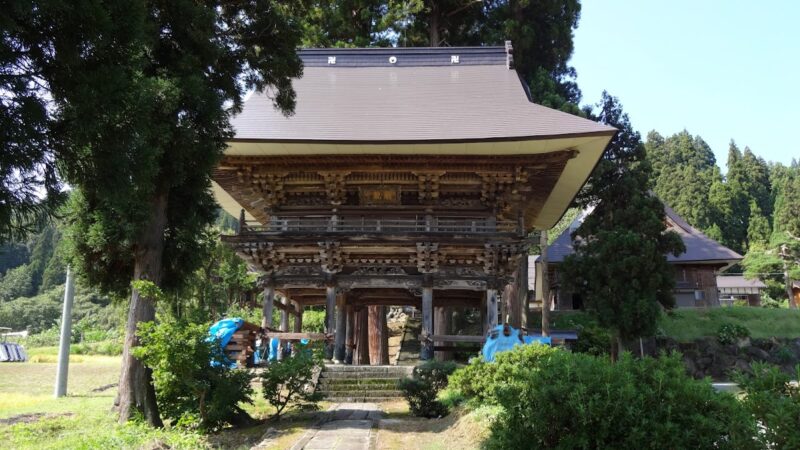
Located in Minamiise-cho, Watarai-gun, Mie Prefecture, Jōkei-in Temple belongs to the Myōshin-ji branch of the Rinzai school of Zen Buddhism.
Sect: Myōshin-ji branch of the Rinzai school
Location: Minamiise-cho, Watarai-gun, Mie Prefecture
Nearest Station: Shima-Isobe Station
Role in the Region
Jōkei-in Temple in Minamiise-cho serves as a center of Zen culture in the Ise-Shima region, as a Rinzai Zen temple. The Myōshin-ji branch of the Rinzai school is one of the largest Zen sects in Japan, and Jōkei-in Temple plays an important role in transmitting its teachings.
Access and Location
Located within walking distance of Shima-Isobe Station, it is a relatively easy temple to visit for worshippers visiting the Ise-Shima region.
Jōkei-in Temple, Tokushima City, Tokushima Prefecture
Basic Information
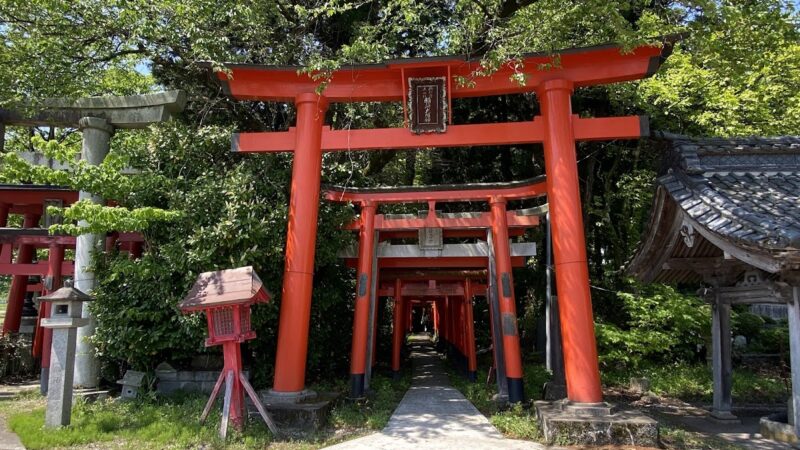
Jōkei-in Temple, located in Ōtakiyama, Bizan-chō, Tokushima City, Tokushima Prefecture, is a temple belonging to the Shingon sect.
Sect: Shingon Buddhism
Chief Priest: Hiroaki Hagioka
Address: 7 Ōtakiyama, Bizan-chō, Tokushima City, Tokushima Prefecture
Bizan and Takiyakushi
Jōkei-in Temple in Tokushima City is located at the foot of Bizan Mountain. Bizan is a symbolic mountain of Tokushima City and has been an object of worship since ancient times. Ōtakiyama, where Jōkei-in Temple is located, is also known as Takiyakushi (Waterfall Yakushi) and has a history linked to water worship.
Teachings of the Shingon Sect
The Shingon sect is a sect of esoteric Buddhism founded by Kūkai (Kōbō Daishi). Jōkei-in Temple in Tokushima continues to transmit the teachings of esoteric Buddhism to the local people as a Shingon sect temple in Shikoku.
The Meaning of the Temple Name “Jōkei-in”
The temple name “Jōkei-in” means “a place always filled with joy.” “Jō” (常) represents eternity and permanence, and “Kei” (慶) represents joy and blessing. As a Buddhist temple name, it indicates a place that brings peace and joy to people.
The existence of temples with the same name throughout Japan demonstrates that the universal wish and meaning of this name have been widely accepted.
Characteristics of Jōkei-in of the Sōtō Zen School
Both Jōkei-in temples in Yonezawa City, Yamagata Prefecture, and Sakae Village, Nagano Prefecture, belong to the Sōtō Zen school. The Sōtō Zen school is a branch of Zen Buddhism introduced to Japan by Zen Master Dōgen, and it emphasizes “Shikantaza,” that is, simply sitting in meditation.
Practices as a Sōtō Zen Temple
Jōkei-in, a Sōtō Zen temple, holds meditation sessions and sutra copying sessions, and opportunities are provided for general visitors to participate. Through these practices, we provide a place of peace of mind and spiritual growth for people living in modern society.
Access and Visiting Information for Each Jōkei-in Temple
Jōkei-in Temple, Yonezawa City, Yamagata Prefecture
Located approximately 15 minutes by car from the center of Yonezawa City. It is also accessible by bus from Yonezawa Station. Visitors include history enthusiasts seeking the tomb of the Takemata family and those interested in the legend of the Bunbuku Chagama (a mythical tea kettle).
Jōkei-in Temple, Sakae Village, Nagano Prefecture
Sakae Village is located at the northernmost tip of Nagano Prefecture, near the border with Niigata Prefecture. Due to its distance from the nearest station, access by car is recommended. Visitors can experience the history of the Ichikawa family along with the historical landscape of the Minotsukuri area.
Jōkei-in Temple, Minamiise Town, Mie Prefecture
Within walking distance of Shima-Isobe Station, it can be visited as part of an Ise-Shima sightseeing trip. Visitors can enjoy the tranquil atmosphere of a Zen temple in conjunction with a visit to Ise Grand Shrine.
Jōkei-in Temple, Tokushima City, Tokushima Prefecture
Located near the Bizan Ropeway, it’s easily accessible from Tokushima City. Visitors can combine their visit with sightseeing at Bizan.
Jōkei-in Temple and the Local Community
Jōkei-in temples throughout Japan play a vital role in their respective communities. They serve not only for Buddhist services such as funerals and memorial services, but also as centers for local cultural and educational activities.
The Danka System and Local Communities
Through the Danka system, which has continued since the Edo period, Jōkei-in temples have maintained strong ties with local residents. Even today, temples remain central to local communities, providing spiritual support to people.
Preservation and Transmission of Cultural Assets
Each Jōkei-in temple preserves cultural assets and historical materials that tell the history of its respective region. Passing on these valuable cultural heritages to future generations is one of the important roles of temples.
Annual Events at Jōkei-in Temple
As a Buddhist temple, Jōkei-in holds various events throughout the year.
Main Annual Events
- Shushōe: A Buddhist service to welcome the New Year
- Spring and Autumn Equinoxes: Important periods for ancestor worship
- Hanamatsuri (Buddha’s Birthday): A ceremony celebrating the birth of Shakyamuni Buddha
- Urabon-e: A Buddhist service for the Obon festival
- Segaki-e: A memorial service for the spirits of those without relatives
- Kaisan-ki: A memorial service to commemorate the founder of the temple
These events provide valuable opportunities for local residents to gather at the temple and experience Buddhist teachings.
Significance of Jōkei-in Research
The existence of temples with the same name throughout Japan makes it an interesting subject for research in understanding the diversity and regional characteristics of Japanese Buddhist culture.
Historical Perspective
Each Jōkei-in reflects the history of its respective region from the Sengoku period to the Edo period. Multifaceted historical research is possible, including studies on its relationship with the samurai class, changes in regional governance, and the spread of its faith.
Religious Studies Perspective
By comparatively studying Jōkei-in, which belongs to different Buddhist sects—Sōtō, Rinzai, and Shingon—we can understand the diversity of Japanese Buddhism and the characteristics of each sect.
Cultural Anthropological Perspective
There are abundant cultural anthropological research topics, such as the role of temples in local communities, their integration with folk beliefs (e.g., the Bunbuku Chagama legend), and the transformation of temples in modern times.
The Role of Jōkei-in in Modern Times
In modern society, with its declining birthrate, aging population, and increasing urbanization, local temples face various challenges. However, temples throughout the country, including Jōkei-in, are developing activities that adapt to the new era while preserving tradition.
Contribution to Regional Revitalization
There are also initiatives that utilize the cultural assets and history of temples as tourism resources, contributing to regional revitalization. In particular, unique local legends, such as the Bunbuku Chagama legend, are attracting tourists.
Mental Care and Spiritual Support
We provide peace of mind and spiritual support through activities such as Zen meditation sessions and Dharma talks to address the stress and loneliness of modern society.
Educational and Cultural Activities
Contributions to education and culture, such as children’s terakoya (temple school) activities and activities to preserve traditional culture, also play an important role.
Summary
Temples named Jōkeiin are scattered throughout Japan, each with its own unique history and characteristics. The Jōkeiin in Yonezawa City, Yamagata Prefecture, is known as the family temple of the Takemata clan and as the setting for the legend of the Bunbuku Chagama (a legendary tea kettle). The Jōkeiin in Sakae Village, Nagano Prefecture, is historically significant due to its connection with the Ichikawa clan. The Jōkeiin in Minamiise Town, Mie Prefecture, is a Rinzai Zen temple, and the Jōkeiin in Tokushima City, Tokushima Prefecture, is a Shingon Buddhist temple, each attracting devotion in their respective regions.
These temples are not merely religious institutions, but treasure troves of cultural assets that convey the history of the region, and play an important role as centers of the local community. The research and preservation of Jōkei-in temples will continue to be of great importance in understanding the diversity and richness of Japanese temple culture.
Visiting Jōkei-in temples throughout Japan allows one to experience the depth of Japanese Buddhist culture and the diversity of history in each region. For those interested in history, those who want to learn about Buddhist culture, or those seeking peace of mind, Jōkei-in temples are well worth a visit.