Tokurakuji Temple Complete Guide | The Charm of the Ancient Soto Zen Temple and 370 Transom Carvings in Karumai Town, Iwate Prefecture
About Tokurakuji Temple
Tokurakuji Temple is a Soto Zen temple located in Karumai Town, Kunohe District, Iwate Prefecture. Founded in 1558, it boasts a history of over 460 years and has played a central role in the faith and culture of the region. Its mountain name is Iōzan, derived from the Yakushi Nyorai (Medicine Buddha) enshrined on the temple grounds.
Tokurakuji Temple was founded as a branch temple of Hōkōji Temple in Nanbu Town, Sannohe District, Aomori Prefecture (formerly Nakagawa Town), by Kyuzan Shunchū, the fifth abbot of Hōkōji Temple. Its principal image is Shakyamuni Buddha, and it continues to uphold the teachings of the Soto Zen sect to this day.
The temple is located in the Rendaino district of Karumai Town and was an important religious facility at the southern edge of Karumai Town during the Edo period. The old National Route 395 runs east of the temple gate, and it has long been known as a transportation hub.
History and Origins of Tokuraku-ji Temple
From Founding to the Edo Period
In 1558 (Eiroku 1), during the height of the Sengoku period, this region was under the influence of the Nanbu clan. Founded as a branch temple of Hoko-ji Temple, Tokuraku-ji Temple attracted the faith of local people from the beginning and functioned as a center for spreading the teachings of the Soto Zen sect.
While detailed records of the temple’s founding are limited, according to temple tradition, it was founded by Hisayama Shunchu, the fifth abbot of Hoko-ji Temple. The strong connection with Hoko-ji Temple is important evidence of the exchange of Buddhist culture between the southern region of Aomori Prefecture and the northern region of Iwate Prefecture.
Development in the Modern Era
Despite the impact of the anti-Buddhist movement following the Meiji Restoration, Tokurakuji Temple continued to exist thanks to the support of the local people. In particular, in the 1940s, a large-scale carving project for the transoms of the main hall, described later, was undertaken, greatly enhancing the temple’s artistic value.
Currently, as a temple housing important cultural properties of Iwate Prefecture and a representative tourist spot of Karumai Town, it welcomes many worshippers and tourists.
National Treasure-Class Artwork | Carvings on the Transoms of the Main Hall
370 Carvings
The greatest highlight of Tokurakuji Temple is the transom carvings in the main hall, numbering approximately 370 (some sources say around 200). These carvings were created in the 1940s by carvers from Tsugaru and boast one of the largest scales and artistic merits in the Tohoku region.
A transom is a decorative space between the ceiling and the lintel in Japanese-style rooms and temple architecture, also serving the functions of lighting and ventilation. The transom carvings at Tokuraku-ji Temple are more than mere decoration; each carving expresses a story based on legends and historical facts, making each panel an independent work of art.
The Techniques of Tsugaru Carvers
The Tsugaru region has a long history of woodworking, and its carving techniques, in particular, have earned high praise nationwide. The carvers who created the transoms at Tokuraku-ji Temple utilized these traditional techniques to produce intricate and magnificent works.
The themes of the carvings are diverse, encompassing Buddhist tales, Chinese historical stories, Japanese historical scenes, and the beauty of nature. Each carving is imbued with deep meaning, serving to visually convey Buddhist teachings and life lessons.
Artistic Value and Preservation
These carvings, each with its own unique design and story, captivate the viewer with their splendor. Advanced techniques are evident throughout, including three-dimensional expression, delicate carving, and dynamic compositions.
Currently, these sculptures are carefully preserved as valuable assets of the temple and undergo regular maintenance. Visitors can experience the splendor of traditional Japanese crafts through these works of art left behind by master craftsmen of the Showa era.
Prefectural Designated Cultural Property | Wooden Seated Statue of Yakushi Nyorai
Buddhist Statue from the Mid-Heian Period
Tokurakuji Temple houses a wooden seated statue of Yakushi Nyorai, designated as an Iwate Prefecture Tangible Cultural Property. This statue is said to be the work of a Buddhist sculptor from the mid-Heian period and is a valuable cultural asset with a history of nearly 1000 years.
Yakushi Nyorai, formally known as Yakushi Rurikō Nyorai, has long been revered as a Buddha who heals illnesses and wards off calamities. The Yakushi Nyorai statue at Tokurakuji Temple is characterized by its serene expression and elegant form, and clearly exhibits the characteristics of Buddhist sculpture from the Heian period.
Annual Special Public Viewing
This seated statue of Yakushi Nyorai (Medicine Buddha), normally kept under strict security, is opened to the public every year on May 8th. This day, known as the “Yakushi Nyorai Grand Opening,” is a special day attracting many worshippers.
The date of May 8th is thought to be related to the auspicious day of Yakushi Nyorai. It is believed that visiting on this day brings special merit, and many believers come not only from the local area but also from far away.
Wooden Standing Bodhisattva Statues
Alongside the seated statue of Yakushi Nyorai, the wooden standing bodhisattva statues are designated as prefectural cultural properties. Attendant bodhisattvas are Buddhist statues placed on either side of the main image; in the case of Yakushi Nyorai, Nikko Bosatsu (Sunlight Bodhisattva) and Gekko Bosatsu (Moonlight Bodhisattva) are usually placed as attendant bodhisattvas.
These standing Bodhisattva statues are thought to be from the same period as, or close to, the seated Yakushi Nyorai statue, and their arrangement in a triad form is a typical configuration in Buddhist art. The graceful postures and exquisite sculptural techniques of the standing statues speak to the high level of skill of the Buddhist sculptors of that time.
Other Buddhist Statues and Temple Treasures
In addition to the prefecturally designated cultural properties, Tokurakuji Temple houses numerous Buddhist statues and temple treasures. These have been collected and preserved over a long history, each with its own history and story.
Various Buddhist statues, including the principal image of Shakyamuni Buddha, as well as Kannon Bodhisattva and Jizo Bodhisattva statues, are enshrined in the main hall and storage rooms, enhancing the religious and cultural value of the temple. Many of these statues are thought to have been created after the Edo period, but they serve as important historical materials that convey the history of local faith.
Highlights of the Temple Grounds
Temple Gate
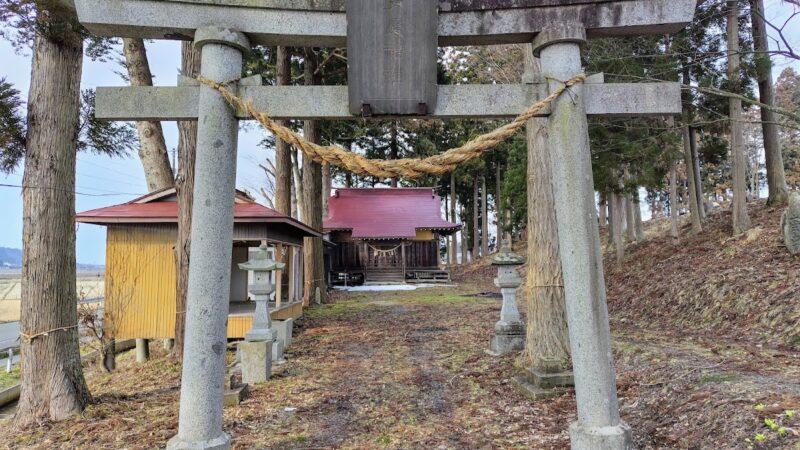
The temple gate of Tokurakuji Temple welcomes visitors as the face of the temple. The temple gate, built in a traditional style, signifies the temple’s status and symbolizes the boundary between the secular world and the sacred realm. Passing through the gate, visitors enter a tranquil space, far removed from everyday life.
Main Hall
The main hall, adorned with intricate transom carvings, is the central building of Tokuraku-ji Temple. The interior is enveloped in a solemn atmosphere, allowing visitors to quietly offer their prayers. The architectural style of the main hall is typical of Soto Zen temples, showcasing the characteristics of Zen architecture.
Nature within the Temple Grounds
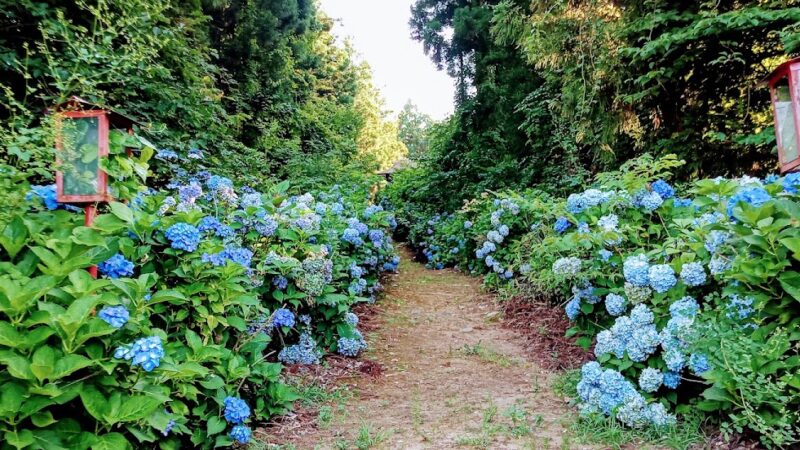
The temple grounds are planted with plants that change with the seasons, displaying different scenery each time. Cherry blossoms and plum blossoms bloom in spring, the greenery deepens in summer, the autumn leaves are beautiful, and a snowy landscape unfolds in winter. The quiet environment surrounded by nature provides a suitable space for worship and meditation.
About the Soto Zen School
The Soto Zen school, to which Tokuraku-ji Temple belongs, is a branch of Japanese Zen Buddhism, founded by Zen Master Dogen. The Soto Zen sect is characterized by its emphasis on “Shikantaza,” or simply sitting in meditation.
The Soto Zen sect has approximately 14,000 temples nationwide, making it one of the largest Buddhist sects in Japan. Tokurakuji Temple also upholds the teachings of the Soto Zen sect, continuing to transmit Buddhist teachings to the local community through meditation sessions and memorial services.
Annual Events and Memorial Services
Public Viewing of the Yakushi Nyorai (May 8th)
As mentioned above, the wooden seated statue of Yakushi Nyorai, a prefectural designated cultural property, is opened to the public every year on May 8th. A special memorial service is held on this day, attracting many worshippers.
Other Events
As a Soto Zen temple, various events are held throughout the year, including spring and autumn equinox services, Obon memorial services, and year-end and New Year’s services. These events also function as important community events, providing a place for intergenerational exchange.
Karumai Town and Tokurakuji Temple
Karumai Town is located at the northernmost tip of Iwate Prefecture, near the border with Aomori Prefecture. Although a small town with a population of approximately 8,000, it is known for its rich natural environment and preserved historical and cultural heritage.
Tokurakuji Temple is a representative cultural asset of Karumai Town and a tourist attraction. The town is committed to the preservation and utilization of its historical and cultural heritage, including Tokurakuji Temple, and actively promotes it in tourist brochures and on its website.
Access by Transportation
Access by Car
- Approximately 5 minutes from the Karumai Interchange on the Hachinohe Expressway
- Approximately 1 km south of the center of Karumai town, along National Route 395
- Parking: Parking spaces for visitors are available on the temple grounds
Access by Public Transportation
- Approximately 50 minutes by bus from JR Hachinohe Station, get off at Karumai bus stop, then approximately 10 minutes on foot
- Approximately 30 minutes by bus from IGR Iwate Galaxy Railway Ninohe Station, get off at Karumai bus stop, then approximately 10 minutes on foot
*Since bus services are limited, it is recommended to check the timetable in advance.
Visiting Information
Basic Information
- Location: 92, 19th Ward, Karumai, Karumai-cho, Kunohe-gun, Iwate Prefecture
- Sect: Soto Zen
- Principal Image: Shakyamuni Buddha
- Mountain Name: Iōzan
- Founded: Eiroku 1 (1558)
- Founder: Kyūzan Shunjū (5th Abbot of Hōkōji Temple)
Visiting Hours and Fees
- Visiting Hours: Advance notice is usually recommended
- Admission Fee: Voluntary donation (whatever you feel is appropriate)
- Unveiling of Yakushi Nyorai: May 8th every year (Free)
*If you wish to view the transom carvings or cultural artifacts in detail, it is recommended that you contact the temple in advance.
Nearby Tourist Attractions
Attractions within Karumai Town
- Yukigawa Dam Forest Park: A park rich in nature where you can enjoy camping and barbecues.
- Millet Park: A roadside station themed around grains where you can purchase local specialties.
- Forest Park Karumai: A comprehensive leisure facility with an attached hot spring.
Tourist Attractions in Neighboring Municipalities
- Ninohe City: Abundant historical sights such as the ruins of Kunohe Castle and Tendai-ji Temple.
- Hachinohe City: Scenic spots overlooking the Pacific Ocean such as Tanesashi Coast and Kabushima Island.
- Kuji City: Amber Museum, Kosode Coast, etc.
Cultural Significance of Tokuraku-ji Temple
Tokuraku-ji Temple is not merely a religious facility, but an important cultural heritage site that conveys the history and culture of the region to the present day. It is a valuable place where you can see Buddhist art from the Heian period to the Showa period all in one place, and learn about the changes in Japanese Buddhist culture.
In particular, the 370 transom carvings represent the pinnacle of traditional craftsmanship during the Showa period, and are a testament to the craftsmanship that is difficult to reproduce today. Passing on these cultural assets to future generations is our important responsibility.
Manners and Precautions for Visiting the Temple
Basic Manners for Visiting the Temple
- Bow at the temple gate before entering the grounds.
- Pray quietly in the main hall.
- Obtain permission before taking photographs (especially of Buddha statues).
- Be quiet and avoid speaking loudly on the temple grounds.
- Always take your trash with you.
Consideration for Cultural Property Protection
Tokurakuji Temple houses numerous valuable cultural assets. Please refrain from touching Buddha statues and transom carvings, and follow the temple’s instructions to protect the preservation environment.
Summary
Since its founding in 1558, Tokurakuji Temple has existed as the center of faith and culture in Karumai Town, Iwate Prefecture, for over 460 years. As an ancient temple of the Soto Zen sect and a sanctuary of precious cultural artifacts, Tokurakuji Temple holds immense value.
The 370 transom carvings in the main hall are among the finest in the Tohoku region, showcasing the exceptional skills of Tsugaru sculptors. Furthermore, the wooden seated statue of Yakushi Nyorai and the wooden standing bodhisattva statues, designated as prefectural cultural properties, are invaluable relics of Heian period Buddhist art.
When visiting Karumai Town, be sure to stop by Tokurakuji Temple and spend some peaceful time in this space steeped in history and art. Especially on May 8th, the day of the Yakushi Nyorai unveiling, it offers an excellent opportunity to view precious cultural artifacts not usually on public display.
Away from the hustle and bustle of modern society, experiencing the tranquil atmosphere of this ancient temple and connecting with the culmination of art and faith left behind by our ancestors will bring deep peace and new insights to our hearts.