Overview
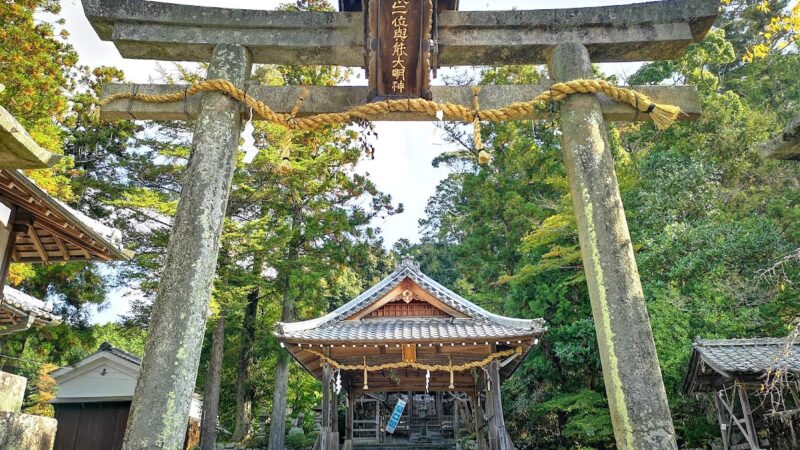
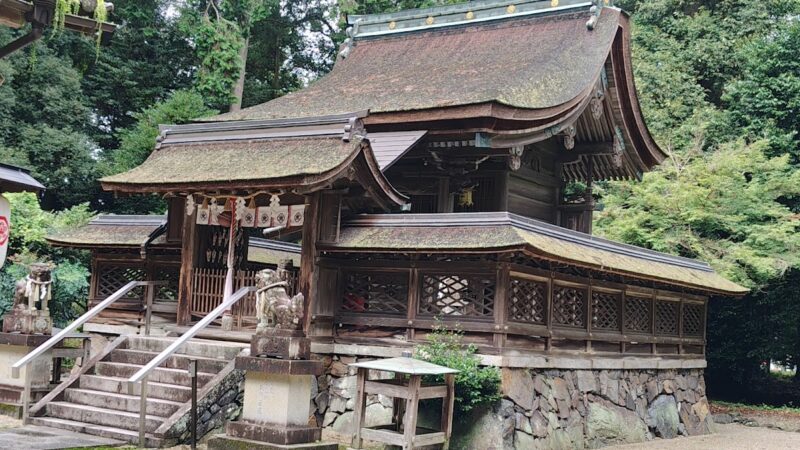
Yasaka Shrine is a representative ancient shrine of Kyoto, founded in 656 (the second year of Empress Saimei’s reign). Affectionately known as “Gion-san,” it is known as the head shrine of approximately 3,000 Yasaka Shrines and shrines dedicated to Susanoo-no-Mikoto throughout Japan.
History
Founding and Origin
It is said that the shrine originated in 656 when Iri-shiomi, who came to Japan from Goguryeo (Korea), enshrined Susanoo-no-Mikoto, who was seated on Mount Gozu in Silla, in Yasaka-go, Atago-gun, Yamashiro Province. During the Heian period, it was called “Gion-sha” or “Gion Kanshin-in” and attracted the reverence of the imperial court and nobility.
After the Meiji Era
Due to the separation of Shinto and Buddhism during the Meiji era, it was renamed “Yasaka Shrine.” In 1871, it was elevated to the rank of Kanpei Chusha (a medium-ranked government-supported shrine), and in 1915, to Kanpei Taisha (a high-ranking government-supported shrine), a status it maintains to this day.
Festivals and Events
Gion Festival
The Gion Festival, one of Japan’s three great festivals, is held annually from July 1st to 31st, spanning one month. Its origins date back to 869, when, during an epidemic in Kyoto, 66 floats were erected and prayers were offered at the Gion Shrine.
- Yoiyama: July 14th-16th, floats are erected and the area is bustling with many stalls.
- Yamahoko Junko: July 17th (pre-festival) and 24th (post-festival), 33 floats parade through the streets of Kyoto.
- Mikoshi Togyo: A Shinto ritual in which the portable shrine is carried through the parish area.
Other Major Festivals
- Okera Mairi (December 31st – January 1st): A traditional event where Okera fire is transferred to a lucky rope and carried home.
- Setsubun Festival (February 2nd-3rd): Famous for the bean-throwing ceremony by geisha.
- Reisai (June 15th): The most important festival at the shrine.
Deities Enshrined
Susanoo-no-Mikoto is enshrined in the central sanctuary, Kushinada-hime-no-Mikoto in the eastern sanctuary, and Yahashira-no-Mikogami in the western sanctuary. Susanoo-no-Mikoto is revered as the god of protection against disease and misfortune, and is also believed to bring blessings for matchmaking and business prosperity.
Highlights of the Shrine Grounds
Main Hall and Gate Tower
The main hall is a cypress bark-roofed building rebuilt in 1654 by Tokugawa Ietsuna and is designated as a National Important Cultural Property. The western gate tower is a vermilion-painted gate approximately 9.5 meters high and is a beloved symbol of Gion.
Mi-Gozen Shrine
A subsidiary shrine located east of the main hall, it enshrines the three goddesses known as goddesses of beauty: Tagiribime-no-Mikoto, Tagitsuhime-no-Mikoto, and Ichikishimahime-no-Mikoto. It is believed to bring blessings for beauty and healthy skin, and is particularly popular with female worshippers.
Okuninushi Shrine
A subsidiary shrine dedicated to Okuninushi-no-Mikoto, known as the god of matchmaking. Heart-shaped ema (votive tablets) are offered here, and many worshippers praying for good relationships visit.
Access
- Keihan Railway: Approximately 5 minutes on foot from Gion-Shijo Station
- Hankyu Railway: Approximately 8 minutes on foot from Kawaramachi Station
- City Bus: Immediately after alighting at Gion bus stop
While the shrine is open 24 hours, the amulet office is open from 9:00 to 17:00.