Complete Guide to Kirishima Shrine: A 1500-Year History and Power Spot Tour at the Land of the Descent of the Heavenly Grandson
Located in Kirishima City, Kagoshima Prefecture, Kirishima Shrine is a venerable shrine dedicated to Ninigi-no-Mikoto, the protagonist of Japan’s creation myth. Boasting a history of over 1500 years since its founding, the main hall, offering hall, and worship hall were designated National Treasures in 2022. As one of Southern Kyushu’s leading power spots, it attracts many worshippers throughout the year.
History and Origins of Kirishima Shrine
Origins of its Founding and the Myth of the Descent of the Heavenly Grandson
The founding of Kirishima Shrine dates back to the reign of Emperor Kinmei (6th century). It is said to have begun when a monk named Keiin Shonin built the first shrine building in a place called “Setao,” located between Takachiho-mine and Hijo-mine (present-day Ohachi). The main deity enshrined here, Amenonigishikuninigi-no-Mikoto, is a god in Japanese mythology who descended from Takamagahara (the High Plain of Heaven) to Earth as the grandson of Amaterasu Omikami. The Kirishima mountain range is believed to be the site of this “descent of the heavenly grandson,” and Kirishima Shrine, built on this sacred site, has long been a place of worship.
Eruptions of Mount Kirishima and the Evolution of the Shrine
The history of Kirishima Shrine is also a history of battling eruptions of Mount Kirishima. Initially built on the slopes of Mount Takachiho, the shrine was repeatedly destroyed and rebuilt due to frequent eruptions of Mount Kirishima.
In the Muromachi period, it was finally relocated to its current location in Kirishima-Taguchi, gaining a stable site. The current shrine building was rebuilt in 1715 by Shimazu Yoshitaka, and its magnificent vermilion-painted architecture is highly regarded as a masterpiece of Edo period shrine architecture.
From Imperial Grand Shrine to National Treasure Designation
During the Meiji era, it was designated an Imperial Grand Shrine and developed into the largest shrine in southern Kyushu. Then, on February 9, 2022, the main hall, offering hall, and worship hall were honored with the designation of National Treasures. This is the first National Treasure designation for a building in Kagoshima Prefecture, and it represents a renewed recognition of the historical and cultural value of Kirishima Shrine.
Deities and Divine Virtues of Kirishima Shrine
Main Deity and Associated Deities
Kirishima Shrine enshrines the following seven deities, including the main deity, Ninigi-no-Mikoto:
- Ninigi-no-Mikoto: The protagonist of the descent of the heavenly grandchild, god of national peace and abundant harvests
- Konohanasakuya-hime-no-Mikoto: Consort of Ninigi-no-Mikoto, goddess of safe childbirth and child-rearing
- Hikohodemi-no-Mikoto: Known as Yamasachihiko, god who brings blessings from the sea
- Toyotama-hime-no-Mikoto: Daughter of the sea god, goddess of safe childbirth and safe voyages
- Ugayafukiaezu-no-Mikoto: Father of the first emperor, god of national prosperity
- Tamayorihime-no-Mikoto: Goddess of matchmaking and family safety
- Kamuyamato-Iwarehiko-no-Mikoto: First emperor, Emperor Jimmu
These deities are important gods involved in the founding of Japan, which is why Kirishima Shrine is called the “sacred site of nation-building.”
Divine Virtues and Blessings of Kirishima Shrine
Kirishima Shrine is known for its diverse divine virtues:
- National Peace and Safety, Family Safety: Due to the enshrinement of the gods of nation-building
- Matchmaking and Romantic Success: From the myth of Konohanasakuya-hime and Ninigi-no-Mikoto
- Safe Childbirth and Fertility: Derived from the myth of Konohanasakuya-hime’s safe childbirth
- Business Prosperity and Success: Protection from the gods of national prosperity
- Protection from Evil and Good Fortune: Powerful energy as a power spot
It is particularly famous for its blessings in matchmaking, attracting many couples and worshippers seeking good fortune.
Highlights and Power Spots within the Shrine Grounds
Majestic Approach and Grand Torii Gate
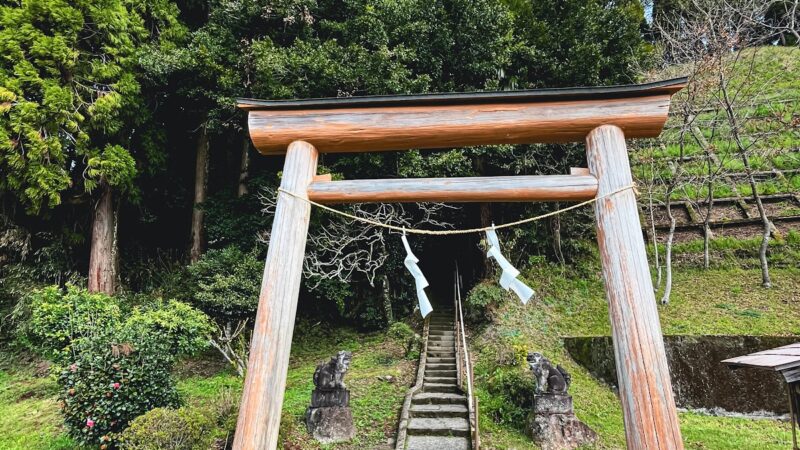
The approach to Kirishima Shrine is a sacred space surrounded by deep trees. Hundreds of years old cedar and camphor trees stand side by side, and the sunlight filtering through the leaves creates a solemn atmosphere befitting the entrance to a sacred area.
Passing through the first torii gate, stone lanterns are neatly lined up on both sides of the approach, and you can feel the sacred atmosphere gradually intensifying.
National Treasure Shrine Buildings
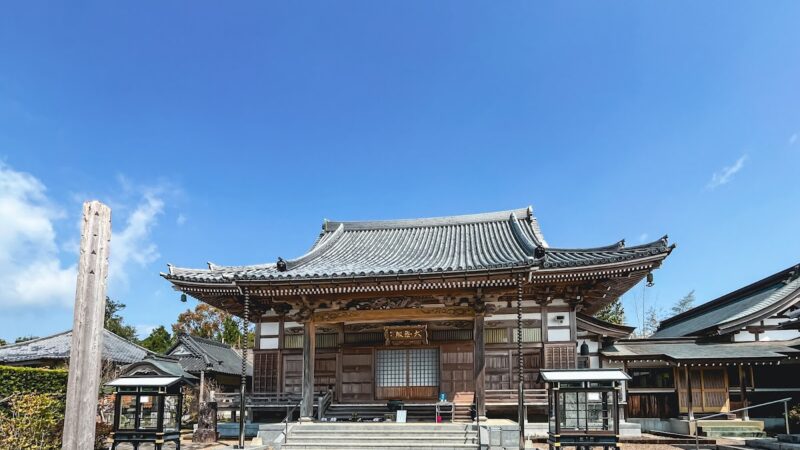
The main hall, offering hall, and worship hall, located in the center of the shrine grounds, are characterized by their vibrant vermilion color and intricate carvings. These are valuable structures that preserve the architectural style of 1715, and the Gongen-zukuri style of the main hall is particularly magnificent.
The shrine buildings are adorned with carvings of dragons, phoenixes, lions, and other figures, allowing visitors to appreciate the excellent craftsmanship of the Edo period. The contrast between the vermilion pillars and white walls makes it a popular spot for photographs.
The Seven Wonders of Kirishima
Kirishima Shrine has a mystical legend known as the “Seven Wonders of Kirishima”:
- Wind Cave: A mysterious cave from which wind constantly blows.
- Turtle Stone: A sacred stone shaped like a turtle.
- Unsown Seeds: A mysterious plant that sprouts naturally.
- Midnight Kagura: The sound of Kagura (sacred dance) said to be heard in the middle of the night.
- Ryōdo River: Two rivers flowing from a single source.
- Character Rock: A rock that resembles characters.
- Mitarai River: A river with an endless supply of pure spring water.
Visiting these spots is one of the pleasures of visiting Kirishima Shrine.
Sacred Tree and Sacred Spring
Within the shrine grounds stands a sacred cedar tree said to be over 800 years old, known as a powerful spiritual spot. It is said that by placing your hands on the trunk and praying, you can feel the energy of the earth.
Furthermore, the sacred spring within the shrine grounds has long been revered as “water of the gods,” serving as a place for worshippers to purify themselves.
Tenson Korin Himorogi Saijo (Sacred Site of the Descent of the Heavenly Grandson)
The “Tenson Korin Himorogi Saijo,” the inner sanctuary of Kirishima Shrine, is located in the mountains of Takachiho-mine and is a sacred site considered to be the place where the heavenly grandson descended to earth. While it involves a mountain climb, it attracts many worshippers due to its powerful spiritual energy.
Beauty of the Seasons and Annual Events
Spring: The Season of Cherry Blossoms and Fresh Greenery
From late March to early April, the cherry blossoms are in full bloom within the shrine grounds. The contrast between the vermilion shrine buildings and the pink cherry blossoms is a spectacular sight, attracting many worshippers and photographers.
During the Spring Grand Festival (April), traditional events such as Kagura (sacred dance) performances are held, and the shrine grounds are enveloped in a vibrant atmosphere.
Summer: Deep Green and Cool Grounds
In summer, Kirishima Shrine is enveloped in deep green, and the shade of the trees creates a cool breeze. Due to its high altitude, the temperature is lower than in the lowlands, making it a popular summer retreat.
During the Summer Purification Ceremony (June 30th), a ritual of passing through a ring of reeds is performed to purify oneself of sins and impurities accumulated over the past six months.
Autumn: Spectacular Autumn Foliage
From mid-November to early December, the shrine grounds become a famous spot for viewing autumn leaves. The maple and ginkgo trees change color, and the scenery created by the vermilion shrine buildings and the red and yellow leaves is breathtaking.
The Annual Festival (September 19th) is the most important festival at Kirishima Shrine, and traditional rituals such as the portable shrine procession and Kagura (sacred dance) performance are held on a grand scale.
Winter: A Serene and Majestic Atmosphere
In winter, Kirishima Shrine is less crowded, allowing visitors to experience a sacred atmosphere enveloped in silence. Sometimes, the shrine buildings are covered in snow, creating a fantastical scene.
The first shrine visit of the year (January 1st-3rd) is the busiest time of year, with many worshippers visiting to offer prayers for the new year.
Access and Surrounding Area Information
Location and Basic Information
Address: 2608-5 Kirishima Taguchi, Kirishima City, Kagoshima Prefecture 899-4201
Phone: 0995-57-0001
Visiting Hours: Grounds are freely accessible (Shrine office is open from 8:00 to 18:00)
Parking: Free parking available (approximately 500 spaces)
Admission Fee: Free
Access by Train and Bus
By JR:
- Get off at Kirishima Jingu Station on the JR Nippo Main Line
- Take the Kagoshima Kotsu bus bound for Kirishima Iwasaki Hotel from the station (approximately 13 minutes)
- Get off at the Kirishima Jingu bus stop, it’s right there
From Kagoshima Chuo Station:
- Take the limited express train to Kirishima Jingu Station (approximately 50 minutes)
- Alternatively, you can take the express bus “Kirishima-go” directly to Kirishima Shrine (approximately 1 hour 30 minutes).
Access by Car
From Kagoshima City:
- Approximately 40 minutes from the Kyushu Expressway “Mizobe Kagoshima Airport IC”
- Via National Route 504 to Kirishima Shrine
- Travel time: Approximately 1 hour 20 minutes
From Miyazaki Area:
- Approximately 40 minutes from the Miyazaki Expressway “Takahara IC”
- Via National Route 223
From Kagoshima Airport:
- Approximately 35 minutes by car
- Taxi is also convenient (estimated fare: approximately 4,000-5,000 yen)
Nearby Tourist Attractions
Kirishima Onsenkyo: Approximately 15 minutes by car from Kirishima Shrine. It features nine hot spring areas with different water qualities, and day trips for bathing are also available.
Takachiho-gawara: A base for climbing the Kirishima mountain range. At the visitor center, you can learn about the nature and history of Kirishima.
Kirishima Art Forest: An open-air art museum exhibiting contemporary sculptures. Enjoy the fusion of nature and art.
Kirishima Mythical Village Park: An observation spot offering panoramic views of the Kirishima mountain range. Playground equipment and a restaurant are also available.
Goshuin (Shrine Seals), Amulets, and Souvenirs
Kirishima Shrine’s Goshuin
Kirishima Shrine’s goshuin are characterized by their powerful ink calligraphy and red seal. In addition to the regular goshuin, seasonal limited-edition goshuin are sometimes distributed, making them popular among goshuin collectors.
Reception Hours: Approximately 8:00 AM to 5:30 PM
Offering Fee: 500 yen
Popular Amulets and Souvenirs
Nine-Faced Amulet (1,000 yen): A unique amulet of Kirishima Shrine, said to grant nine wishes.
Matchmaking Charm (1,000 yen): A charm for finding a good match, inspired by the myth of Konohanasakuya-hime and Ninigi-no-Mikoto.
Kirishima Flower Charm (1,000 yen): A cute drawstring pouch design, especially popular with women.
Love Fortune Slip (200 yen): A fortune slip predicting your love life. A place to tie them is provided within the shrine grounds.
Happiness Fortune Slip (200 yen): A general fortune slip predicting your overall luck.
About Prayers and Supplications
Kirishima Shrine accepts various prayers and supplications:
- First Shrine Visit for a Newborn / Shichi-Go-San (7-5-3 Festival)
- Protection from Evil / Protection from Misfortune
- Family Safety / Business Prosperity
- Traffic Safety / Travel Safety
- Prayer for Success in Exams / Academic Achievement
- Prayer for Safe Childbirth / Prayer for Conception
- Prayer for Matchmaking / Good Relationships
Reception Hours: 8:30~17:00
Reservations: Same-day reservations accepted (advance reservations recommended for groups)
Offering Fee: 5,000 yen~
Manners and Precautions for Visiting the Shrine
Correct Way to Visit the Shrine
- Bow before passing through the torii gate: This is a courtesy before entering the sacred area.
- Walk along the edge of the path: The center is considered the path of the gods.
- Purifying yourself at the water basin: Cleanse in the following order: left hand → right hand → mouth → handle of left hand
- Two bows, two claps, one bow: Follow the general etiquette for visiting a shrine.
Clothing and belongings
- The approach to the shrine has stone pavements and stairs, so comfortable shoes are recommended.
- The shrine grounds are large, so a hat or parasol is necessary in summer, and warm clothing in winter.
- Bringing a camera is recommended (however, please refrain from taking photos during prayers).
- Bringing a Goshuincho (stamp book) will make a nice memento.
Photography
Photography is generally permitted on the shrine grounds, but please note the following:
- Photography inside the main hall is prohibited.
- Please refrain from taking photos during prayers.
- Please be considerate of other worshippers.
- Please refrain from using tripods when it is crowded.
To enjoy Kirishima Shrine more deeply
Recommended time to visit
Early morning visit: There are fewer people, and you can enjoy the sacred atmosphere in silence. Visiting the shrine in the refreshing morning air is a special experience.
Morning: Around 9:00-10:00 AM, before the tour buses arrive, is recommended. You can leisurely stroll through the grounds.
Evening: The shrine buildings illuminated by the setting sun are magical. However, be aware of the closing time of the shrine office.
Estimated Time Required
- Shrine Grounds Visit Only: 30-45 minutes
- Thorough Stroll: 1-1.5 hours
- Including Surrounding Sightseeing: Half a day to a full day
Kirishima Rokusha Gongen Shrines to Visit Along with Kirishima Jingu
Kirishima Jingu is considered the foremost of the “Kirishima Rokusha Gongen” shrines. If you have time, try visiting the other five shrines as well:
- Kirishima Jingu (First Shrine)
- Kirishima Higashi Shrine
- Kirishima Mine Shrine
- Sano Shrine
- Higashi Kirishima Shrine
- Ebisu Shrine
Visiting all six shrines in the “Kirishima Six Shrines Pilgrimage” is known as a highly spiritual pilgrimage.
Summary: The Charm of Kirishima Jingu
Kirishima Jingu is a venerable shrine with a history of over 1500 years. As a sacred site associated with the myth of the descent of the heavenly grandchild, it is a precious place that conveys the founding myths of Japan to the present day. The beauty of the shrine buildings, designated as national treasures, the sacred atmosphere surrounded by deep forests, the beauty of nature in each season, and the spiritual power of this powerful spiritual spot deeply move visitors.
When visiting Kagoshima Prefecture, be sure to visit Kirishima Jingu and experience the myths and history of Japan, as well as the grandeur of nature. This shrine, where you can receive various divine blessings such as matchmaking, family safety, and good fortune, will surely become a special place that will remain in your heart.
Enjoy a precious experience of touching upon Japanese spiritual culture at Kirishima Shrine, the largest shrine in southern Kyushu.