Complete Guide to Kōshōji Temples: History and Access Information for Jōdo Shinshū, Jōdo Shū, and Ji-shū Temples Nationwide
Kōshōji is the name of several Buddhist temples located throughout Japan. The name “Kōshō” symbolizes the Buddhist teaching that the light of Buddha illuminates all sentient beings, and it is a particularly favored temple name among Jōdo-based sects. This article provides a comprehensive explanation of major Kōshōji temples throughout Japan, covering their history, sect, principal image, access methods, and modern missionary activities.
What is Kōshōji?: Meaning of the Temple Name and Nationwide Distribution
The temple name Kōshōji originates from the fundamental Jōdo Buddhist idea that the light of Amida Buddha illuminates and saves all sentient beings. Kōshōji temples belonging to sects such as Jōdo Shinshū, Jōdo Shū, and Ji-shū exist throughout Japan, each playing an important role as a center of local faith.
Temples bearing the name “Kōshōji” are widely distributed from Hokkaido to Kyushu, and are deeply intertwined with the history and culture of each region. Many Kōshōji temples enshrine Amida Buddha as their principal deity and transmit the Pure Land teachings that preach salvation through chanting the Buddha’s name.
Detailed Information on Major Kōshōji Temples
Kōshōji Temple (Kōmyōzan Kōshōji) in Totsuka Ward, Yokohama City
Kōmyōzan Kōshōji Temple, located in Kamikashiwao-cho, Totsuka Ward, Yokohama City, is a relatively new temple that acquired its temple name in 2023 as a Jōdo Shinshū temple. The head priest was ordained from a lay background and, after twenty years of missionary work at his master’s temple, founded this temple to spread the teachings of Shinran Shōnin.
This Kōshōji Temple’s mission is to convey the teachings of Shinran Shōnin, the founder of the sect, in an easily understandable way to modern people. It deepens its ties with the local community through regular Dharma talks and Buddhist consultations. A distinctive feature is its focus not only on general funerals and memorial services, but also on missionary activities that address the emotional concerns of modern people.
Access Information
- Location: Kamikashiwao-cho, Totsuka-ku, Yokohama City
- For access from the nearest station, we recommend contacting the temple in advance.
Kōshōji Temple (Nishidaizan Kōshōji) in Kamakura City
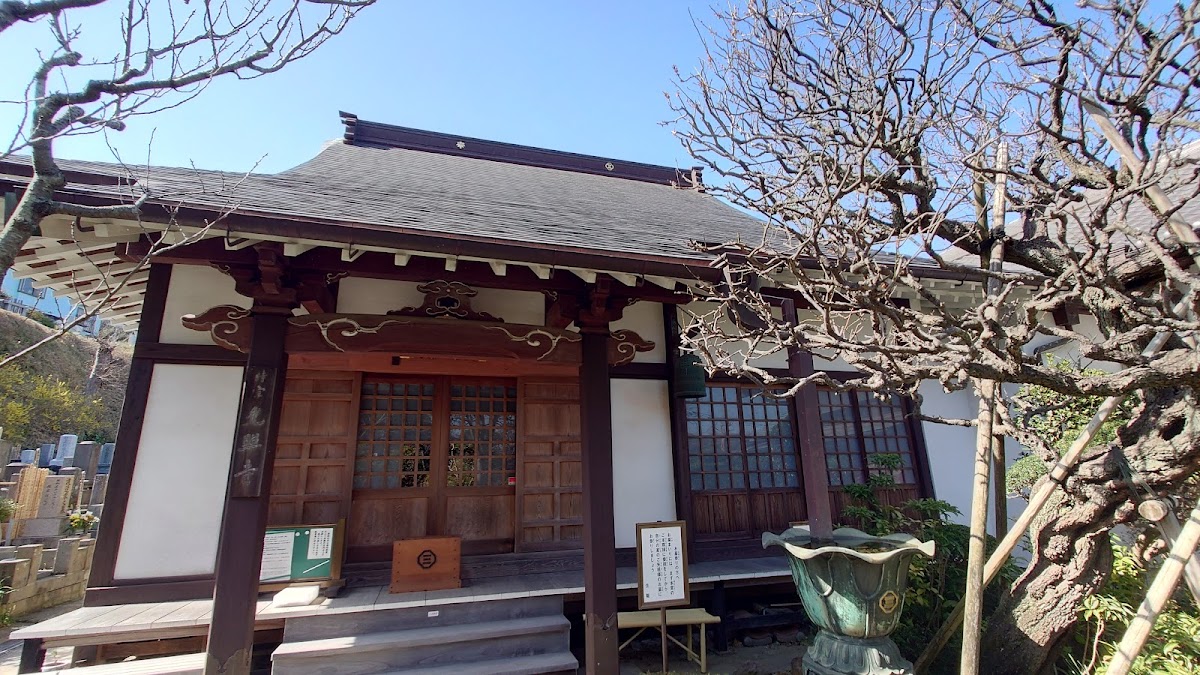
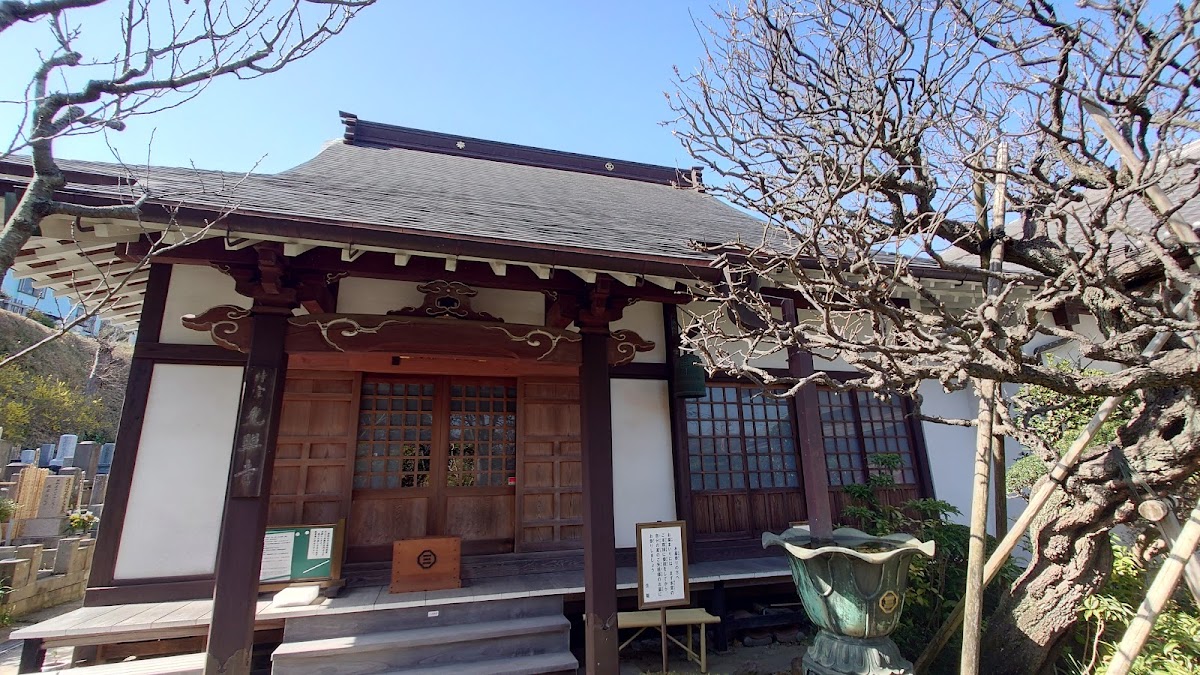
Nishidaizan Kōshōji Temple, located in Yamanouchi, Kamakura City, Kanagawa Prefecture, is a historical temple belonging to the Jishū sect. As a branch temple of Shōjōkōji Temple (Yūgyōji Temple), it is said to have been founded by Ikkō Shunsei. The principal image is Amida Buddha, and it is known as a venerable temple with a history dating back to the Kamakura period.
A major feature of Kōshōji Temple is the numerous rhododendrons planted around the main hall, offering a beautiful landscape during the blooming season. Furthermore, it is well-equipped for accessibility; while the main approach has stairs, a ramp is installed on the back side. The deputy head priest is a certified guide helper for the visually impaired and those with systemic disabilities, ensuring a safe and comfortable environment for wheelchair users and those with difficulty climbing stairs.
Access Information
- Location: Yamanouchi, Kamakura City, Kanagawa Prefecture
- Within walking distance of Kita-Kamakura Station
- Wheelchair accessible ramp available
Koshōji Temple (Chōgozan Genkūin Kōshōji) in Yamashina Ward, Kyoto City
Chōgozan Genkūin Kōshōji Temple, located in Yamashina Ward, Kyoto City, is a Jōdo sect temple offering perpetual memorial services and columbarium services in a tranquil setting. This temple has an open stance, accepting people of all sects, and is equipped with a cemetery and columbarium.
Regarding perpetual memorial services, they provide heartfelt services and propose forms of memorial services that suit modern lifestyles. In the historically rich land of Kyoto, the temple’s management is characterized by its preservation of tradition while meeting modern needs.
Access Information
- Location: Yamashina Ward, Kyoto City
- Please check the temple’s official website for detailed access information.
Kōshōji Temple (Kasama-san Kōshōji) in Kasama City, Ibaraki Prefecture
Kasama-san Kōshōji Temple, located in Kasama City, Ibaraki Prefecture, is an important temple belonging to the Shinshu Ōtani sect and known as a historical site associated with Shinran Shōnin. It is the place where Shinran Shōnin settled at the age of 42, and is a historically significant temple that served as a base for Shinran Shōnin’s missionary work in the Kanto region, known as the “Kanto Straw Sandal Removal Site.”
In addition to general Buddhist services such as funerals and memorial services, Kōshōji Temple offers opportunities to learn the teachings of Shinran Shōnin. It is a temple that values both its historical significance as a sacred site and its modern missionary activities.
Access Information
- Location: Kasama City, Ibaraki Prefecture
- A sacred site associated with Shinran Shonin, attracting many visitors.
Koshōji Temple, Uki City, Kumamoto Prefecture
Koshōji Temple, located in Uki City, Kumamoto Prefecture, is a Jodo Shinshu Otani sect temple with a history of over 400 years and a long lineage spanning 17 generations. As a temple deeply rooted in the community, it has long served as a center of faith for local people.
Access Information
- Location: Uki City, Kumamoto Prefecture
- For details, please contact the temple directly.
Other Koshōji Temples
Koshōji Temple in Yamanashi Prefecture
Koshōji Temple also exists in Yamanashi Prefecture and is attracting attention as a local tourist resource.
Koshōji Temple in Sabae City, Fukui Prefecture
Koshōji Temple in Sabae City, Fukui Prefecture, also plays an active role as a temple supporting the local Buddhist culture.
Koshōji Temple, Asahikawa City, Hokkaido
Located at 2-chome, Higashi-Takasu Higashi-Ichijo, Asahikawa City, Hokkaido, Koshōji Temple is a Jōdo Shinshū Buddhist temple and one of the Jōdo Shinshū missionary centers in Hokkaido.
Main Activities and Dharma Talks at Koshōji Temple
Koshōji temples throughout Japan conduct various activities that meet the needs of modern people, in addition to traditional Buddhist ceremonies.
Dharma Talks and Missionary Activities
Many Koshōji temples hold regular Dharma talks, providing opportunities to understand Buddhist teachings in an easy-to-understand manner. In particular, Koshōji temples of the Jōdo Shinshū and Jōdo sects focus on missionary activities that convey the teachings of Shinran Shōnin and Hōnen Shōnin in modern language.
Dharma talks offer insights and peace from a Buddhist perspective regarding the worries and suffering of daily life. Generally, monthly Dharma talks and Dharma talks are held in conjunction with special Buddhist services.
Funerals, Memorial Services, and Perpetual Memorial Services
At Koshōji Temple, we conduct important Buddhist ceremonies at life’s milestones, including funerals, annual memorial services, and perpetual memorial services. In recent years, the demand for perpetual memorial services has increased, and more temples are accepting requests regardless of sect.
Some temples, like Koshōji Temple in Yamashina Ward, Kyoto, have columbariums and cemeteries and offer services specifically focused on perpetual memorial services. Responding to the changes in modern lifestyles, they have established systems that allow people to entrust their loved ones’ memorial services with peace of mind, even if they have no successors.
Mental Health Counseling and Modern Temple Activities
Some temples, like Koshōji Temple in Totsuka Ward, Yokohama City, are offering mental health care through Buddhist teachings, using a modern approach such as “mental rest through conversation with a monk.” Unlike general counseling, they engage in activities that address the various worries of modern people through dialogue based on Buddhist wisdom.
Basic Information for Visiting Kōshōji Temple
Differences by Sect
Temples bearing the name Kōshōji primarily belong to the following sects:
Jōdo Shinshū
This sect, founded by Shinran Shōnin, preaches salvation through the power of Amida Buddha’s vow. Its head temples include Higashi Honganji (Shinshū Ōtani sect) and Nishi Honganji (Jōdo Shinshū Honganji sect).
Jōdo Shū
This sect, founded by Hōnen Shōnin, preaches rebirth in paradise through chanting the Buddha’s name. Its head temple is Chion-in in Kyoto.
Jishū
This sect, founded by Ippen Shōnin, is known for its dancing nenbutsu. Its head temple is Shōjōkōji (Yūgyōji) in Fujisawa City, Kanagawa Prefecture.
About the Principal Image
Most Kōshōji temples enshrine Amida Buddha as their principal image. Amida Buddha is considered the Buddha of immeasurable light and immeasurable life, a compassionate Buddha who saves all sentient beings.
Manners for Visiting Temples
When visiting a temple, please observe the following basic manners:
- Bow when passing through the temple gate
- Avoid walking in the center of the approach to the temple
- Quietly join your hands in prayer and bow in the main hall
- Obtain permission before taking photographs
- Maintain silence within the temple grounds
Access and Visiting Information for Koshōji Temple
Access to each Koshōji temple varies greatly depending on its location. When planning your visit, please note the following:
Things to Check Beforehand
- Opening and closing times
- Dates of memorial services and events (general visits may be restricted)
- Availability of parking
- Accessibility for people with disabilities
- Hours for receiving Goshuin (temple stamps)
How to Contact
If you are visiting for the first time or have questions about memorial services, it is recommended that you contact the temple by phone or email in advance. Many temples disseminate the latest information through their official websites and social media.
Historical and Cultural Value of Kōshōji Temples
The group of temples bearing the name Kōshōji has played a significant role in the history of Japanese Buddhism. Particularly in the development of Pure Land Buddhism from the Kamakura period onward, Kōshōji temples throughout the country functioned as centers for missionary work in their respective regions.
Some temples, like Kasama-yama Kōshōji Temple, associated with Shinran Shōnin, possess value as sacred sites that convey the footsteps of the founder of the sect. Others are deeply rooted in their communities, supporting people’s faith for hundreds of years. Each Kōshōji temple continues to uphold its teachings to this day, deeply intertwined with the history and culture of its land.
The Role of Kōshōji Temples in Modern Times
In modern society, temples, including Kōshōji, play diverse roles that go beyond mere religious institutions.
As a Core of Local Communities
Temples serve as spiritual pillars of local communities, providing places for people to gather and connect. Through Dharma talks and seasonal events, they serve as places for interaction among local residents.
As a Place for Mental Care
The role of temples as a place to provide mental care through Buddhist teachings, addressing the loneliness and difficulties modern people face, is becoming increasingly important. Through dialogue with monks, visitors can gain an opportunity to reflect on the meaning of life and their views on life and death.
Protection and Preservation of Cultural Heritage
Historical temples also play a role in protecting cultural heritage such as buildings, Buddhist statues, and ancient documents, and passing them on to future generations.
Points to Note When Visiting Koshōji Temple
Regarding Attire
There are no specific dress code requirements, but please dress appropriately and respectfully for a temple. It is best to avoid revealing or overly flashy clothing.
Regarding Admission Fees and Donations
General visits are often free, but donations are required for special viewings and religious services. Please check directly with the temple or refer to general customary amounts.
Regarding Photography
Please be sure to obtain permission in advance before taking photographs on the temple grounds or inside the main hall. Please note that photography of the main image of Buddha or other Buddhist statues is often prohibited.
Summary: The Peace of Mind You Can Find at Kōshōji Temple
Kōshōji temples, located throughout Japan, each possess their own unique history and characteristics, while continuing to convey the light of Amida Buddha’s compassion. Although there are differences in sects such as Jōdo Shinshū, Jōdo-shū, and Ji-shū, what they have in common is the fundamental spirit of Pure Land Buddhism: believing in the Buddha’s salvation and finding peace of mind through chanting the Buddha’s name.
In modern society, temples are not merely religious institutions; they play diverse roles as spiritual havens, core communities, and guardians of cultural heritage. Visiting a Kōshōji temple offers an opportunity to escape the hustle and bustle of everyday life, confront yourself, and find inner peace.
Each Kōshōji temple offers opportunities to engage with Buddhist teachings not only through general worship but also through Dharma talks and various events. Why not visit a Kōshōji temple near you and experience its history and teachings? We recommend checking access information and opening hours in advance and visiting in a peaceful state of mind.