About Hase-dera Temple
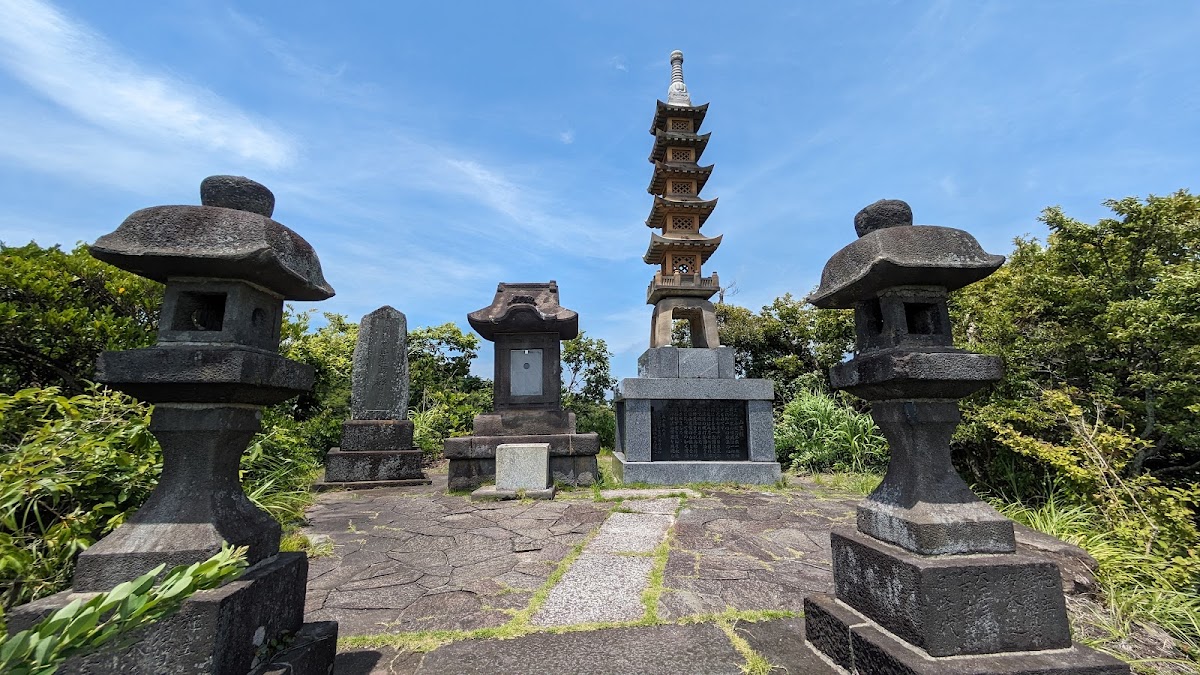
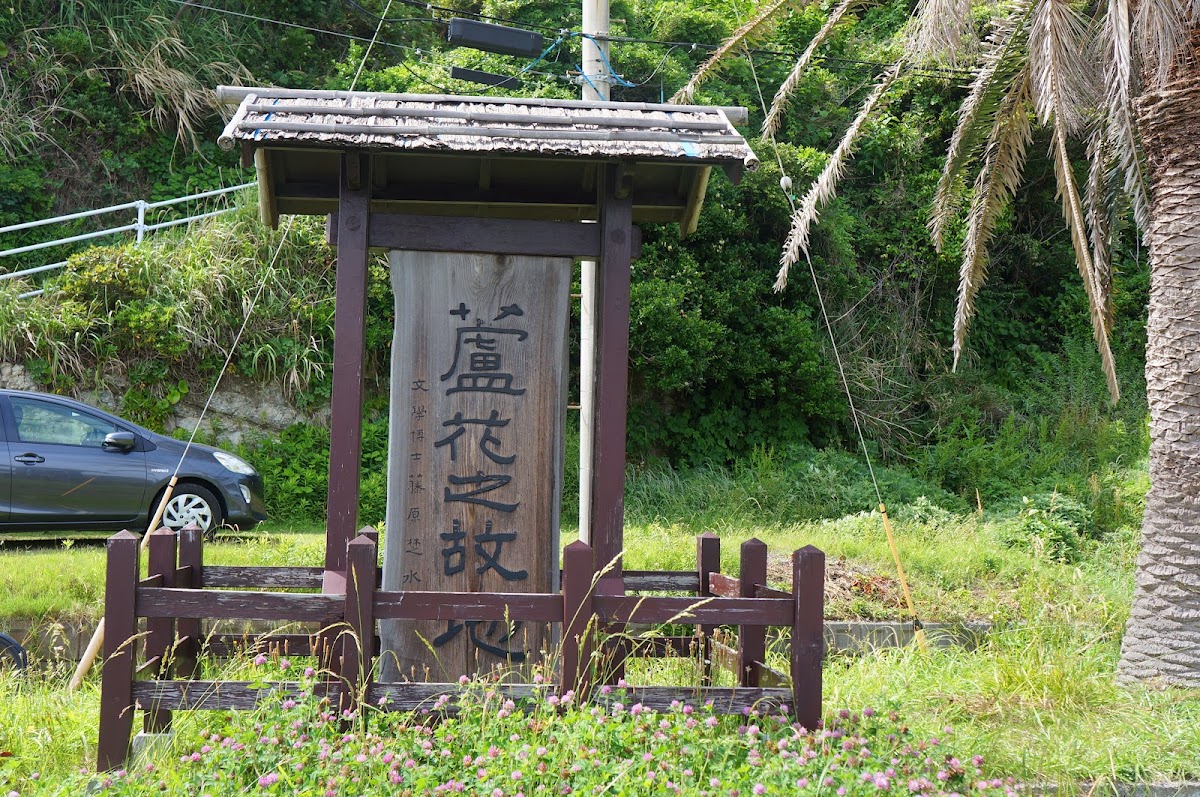
Hase-dera Temple is the head temple of the Buzan branch of the Shingon sect, located in Hatsuse, Sakurai City, Nara Prefecture. It is said to have originated in 686 (Shuchō 1) when Abbot Dōmyō enshrined a copper plate depicting the Lotus Sutra on the western hill for Emperor Tenmu, and was founded in 727 (Shinki 4) when Abbot Tokudō enshrined the principal image, an eleven-faced Kannon statue, on the eastern hill.
Affectionately known as the “Temple of Flowers,” the temple grounds are adorned with flowers throughout the seasons, including peonies, welcoming visitors. Furthermore, it frequently appears in classical literature such as The Tale of Genji and The Pillow Book, and has attracted fervent devotion from both aristocrats and commoners as a sacred site of Kannon since the Heian period.
The Charm of the Principal Image: Eleven-Headed Kannon Standing Statue
Japan’s Largest Wooden Kannon Statue
The principal image of Hase-dera Temple is an standing Eleven-Headed Kannon Bodhisattva statue measuring 10.18 meters tall (12.28 meters including the pedestal), making it one of the largest wooden Buddhist statues in Japan. Its unique posture, holding a staff in its right hand and a water vase in its left, is known as the “Hase-dera style Eleven-Headed Kannon,” and it serves as the prototype for all Hase-dera and Hase Kannon statues throughout Japan.
Legend of the Sacred Tree and History of its Creation
According to tradition, the principal image of Hase-dera Temple in Nara was first carved from a giant camphor tree found in the mountains of Yamato Province in 721, and the principal image of Hase-dera Temple in Kamakura was carved from the remaining wood. The current statue was reconstructed during the Muromachi period (1538), but faithfully inherits the style of the original construction.
Legend of the Sacred Tree and History of its Creation
According to tradition, the principal image of Hase-dera Temple in Nara was first carved from a giant camphor tree found in the mountains of Yamato Province in 721, and the principal image of Hase-dera Temple in Kamakura was carved from the remaining wood. The current statue was reconstructed during the Muromachi period (1538), but it faithfully inherits the style of the original construction.
Points to Note During Your Visit
The Noboriro (Climbing Corridor) – A 399-Step Path of Prayer
The Noboriro, a covered staircase with 399 steps and a total length of 108 ken (approximately 200 meters), leading from the Niomon Gate to the main hall, is the highlight of a visit to Hase-dera Temple. Divided into three corridors—the lower, middle, and upper corridors—it is lined with approximately 300 lanterns donated by believers. Climbing each step is considered a path of spiritual practice, purifying the mind and body and drawing closer to Kannon (the Goddess of Mercy).
Estimated Time Required for Visiting:
- Climbing the Noboriro at a leisurely pace: 15-20 minutes
- Visiting the main hall and strolling the temple grounds: 30-40 minutes
- Total time: approximately 1-1.5 hours
The Main Hall (National Treasure) and the Spectacular View from the Stage
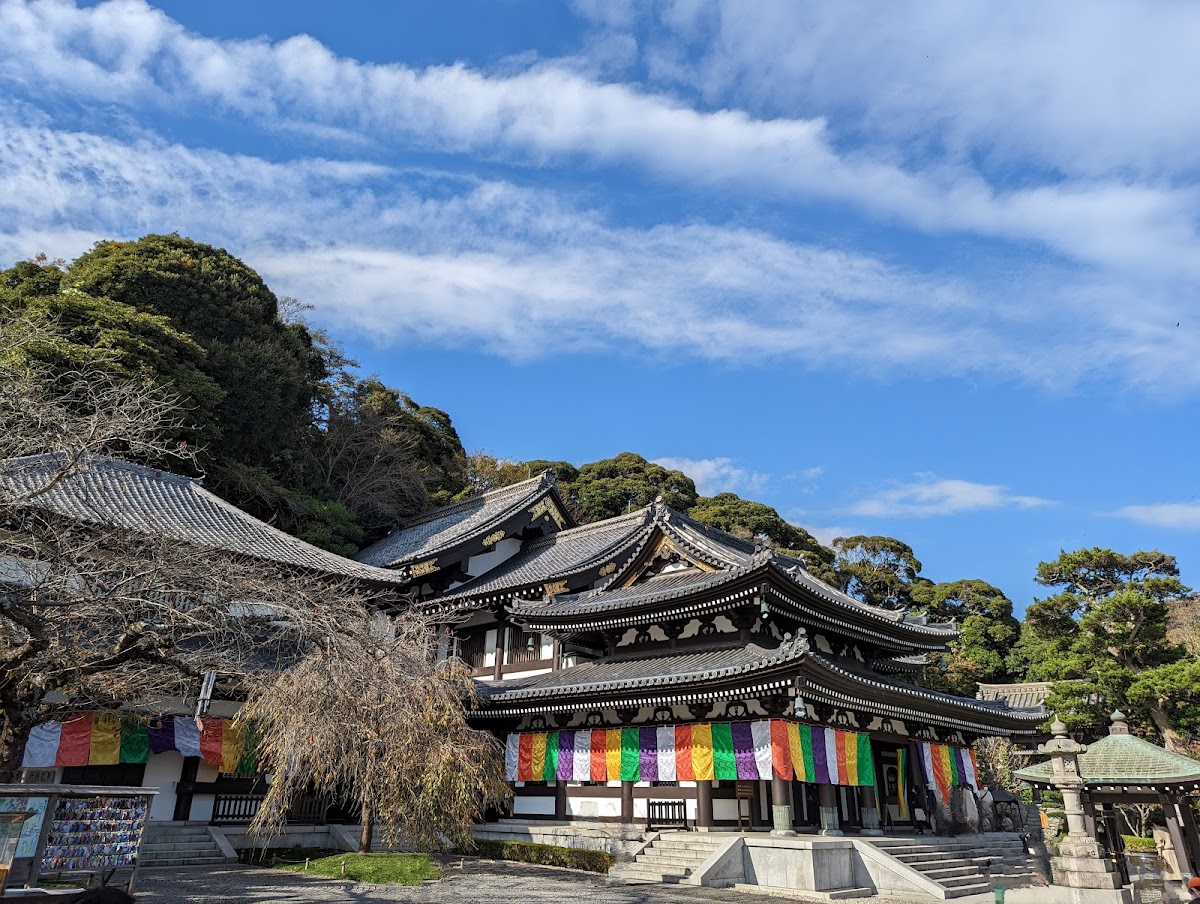
The main hall, rebuilt in 1650 (Keian 3) through a donation from Tokugawa Iemitsu, is designated a National Treasure. The temple is built in a cantilevered style, jutting out from a cliff, offering panoramic views of the Hatsuse Mountains from its stage. The beauty is breathtaking, especially during the cherry blossom season in spring, the fresh greenery of early summer, and the vibrant autumn foliage.
Highlights of the Five-Storied Pagoda and Temple Grounds
- Five-Storied Pagoda: Built in 1954 (Showa 29), it is the first five-storied pagoda in post-war Japan, standing at 31.39 meters tall.
- Hon-Hase-Dera: The inner sanctuary where Tokudo Shonin first enshrined the Kannon statue.
- Kobo Daishi Mikage-do: Dedicated to Kukai, the founder of the Shingon sect.
- Kaisan-do: Houses a statue of Tokudo Shonin.
Seasonal Flower Calendar
Hase-Dera Temple, also known as the “Temple of Flowers,” offers a variety of flowers to enjoy throughout the year.
- Spring (mid-April to early May): The “Peony Festival” fills the temple grounds with approximately 7,000 peony plants.
- Early Summer (late May to June): Rhododendrons and hydrangeas.
- Autumn (October to November): Autumn leaves adorn the covered corridor and the area around the main hall.
- Winter (January to February): Winter peonies and winter cherry blossoms.
Especially during the peony season, many worshippers visit from all over the country, creating a scene like a carpet of flowers on the temple grounds.
Benefits and Faith
History as a Kannon Pilgrimage Site
Hase-dera Temple is the eighth temple of the Saigoku Thirty-Three Kannon Pilgrimage and has flourished as a sacred site of Kannon worship since ancient times. During the Heian period, it was a popular pilgrimage site for aristocrats, and it is said that Murasaki Shikibu and Sei Shonagon also visited. The Tamakazura chapter of “The Tale of Genji” depicts Tamakazura visiting Hase-dera Temple.
Main Benefits
- Fulfillment of Wishes: Kannon’s compassion grants all wishes.
- Matchmaking and Good Relationships: Since the Heian period, many women have visited the temple to pray for success in love.
- Protection from Evil and Good Fortune: The eleven faces of the Eleven-Faced Kannon watch over all directions.
- Healing from Illness: Healing of mind and body through Kannon’s compassion.
Special Worship Method:
On specific days in the main hall, a “Kannon’s Foot Pilgrimage” is held, allowing visitors to directly touch the feet of the principal image (please check beforehand).
Access Information
Access by Train
- Approximately 15 minutes on foot from Kintetsu Osaka Line “Hase-dera Station” (nearest station)
- Approximately 20 minutes by bus from Kintetsu Osaka Line/JR Sakurai Line “Sakurai Station,” get off at “Hase-dera Sando-guchi” bus stop, then a 10-minute walk
Travel time from major stations:
- From Osaka Namba Station: Approximately 50 minutes by Kintetsu Limited Express
- From Kyoto Station: Approximately 70 minutes by Kintetsu Limited Express
- From Nara Station: Approximately 50 minutes by JR/Kintetsu transfer
Access by Car
- Approximately 40 minutes from Nishi-Meihan Expressway “Tenri IC” via National Route 169
- Approximately 30 minutes from Meihan National Highway “Hari IC” via National Routes 369 and 165
Parking:
- Hase-dera Temple Gate Parking Lot (paid): Approximately 70 spaces for regular cars
- Several private parking lots are available in the surrounding area
- During peak seasons (such as peony season), it can get crowded, so public transportation is recommended.
Visiting Information
- Visiting Hours: 8:30 AM – 5:00 PM (April – September), 9:00 AM – 5:00 PM (October – November & March), 9:00 AM – 4:30 PM (December – February)
- Admission Fee: Adults 500 yen, Junior and Senior High School Students 500 yen, Elementary School Students 250 yen (Different fees during the Peony Festival)
- Address: 731-1 Hatsuse, Sakurai City, Nara Prefecture 633-0112
- Inquiries: 0744-47-7001
Summary
Hase-dera Temple is a renowned temple with a history of over 1300 years, boasting three main attractions: a gigantic eleven-faced Kannon statue, a 399-step climbing corridor, and seasonal flowers. The temple is especially beautiful during the spring peony season and the autumn foliage season, offering a purifying experience for both mind and body. Why not experience the compassion of Kannon at Hase-dera Temple, where history, nature, and faith harmonize?