Complete Guide to Shijōnawate Shrine | History, Benefits, and Access to the Special Imperial Shrine Dedicated to Kusunoki Masatsura
About Shijōnawate Shrine
Shijōnawate Shrine is a Shinto shrine located in Minamino, Shijōnawate City, Osaka Prefecture. It enshrines Kusunoki Masatsura, a renowned general of the Nanboku-chō period, as its main deity. Formerly a Special Imperial Shrine, it is currently designated as a Special Shrine by the Association of Shinto Shrines, and holds a historically significant position as one of the fifteen shrines of the Kenmu Restoration.
Located at the foot of Mt. Iimoriyama, and blessed with a lush green environment in the northeastern part of Osaka Prefecture, the shrine stands quietly amidst the nature of Shijōnawate City, sometimes called the “Karuizawa of the West.” The shrine grounds have been selected as one of “Osaka’s 100 Green Spaces,” allowing visitors to enjoy the beautiful scenery of each season.
About the Deities Enshrined
Main Deity: Kusunoki Masayuki
Kusunoki Masayuki, the main deity enshrined at Shijōnawate Shrine, was born as the eldest son of Kusunoki Masashige, known as the Great Kusunoki. He is affectionately known as “Little Kusunoki” and is still revered by many as a renowned general who embodied both loyalty and filial piety.
Masayuki held important positions at a young age, including Kebiishi (police and judicial officer), Saemon-no-jō (left gate guard officer), and Kawachi-no-kami (governor of Kawachi Province). He was active as a warrior on the Southern Court side and fought against the Ashikaga army in the Battle of Shijōnawate in 1338, meeting a heroic end alongside his younger brother, Masatoki. At that time, Lord Masayuki’s death poem, “I have always thought I would not return, so like the bow of the catalpa tree, I will leave my name among those who perished,” conveys his resolve and spirit of loyalty to this day.
Enshrined Deities
Along with Lord Masayuki, 24 other generals and warriors of the Kusunoki family who perished in the Battle of Shijōnawate, including his younger brother Lord Kusunoki Masatoki, are enshrined here, for a total of 25 great deities. These generals and warriors fought alongside Lord Masayuki for the Southern Court and remained loyal warriors.
Mioya Shrine
Within the shrine grounds is the Mioya Shrine, which enshrines Hisako, Lord Masayuki’s mother. Known as a wise mother, her love and educational spirit in raising her sons into fine warriors are still recounted today.
History and Origins of Shijōnawate Shrine
Circumstances of its Founding
The founding of Shijōnawate Shrine dates back to 1889 (Meiji 22). Amidst the Meiji government’s reorganization of the shrine system, a movement to honor loyal retainers of the Southern Court gained momentum, leading to the decision to establish a shrine dedicated to Kusunoki Masayuki.
In 1890 (Meiji 23), the shrine building was constructed at its current location, approximately 1 km east of Masayuki’s tomb, known as “Kusunoki-zuka,” and it was designated a special government-supported shrine. This was in accordance with Emperor Meiji’s imperial decree to pass on Masayuki’s loyalty and martial prowess to future generations.
Battle of Shijōnawate
The Battle of Shijōnawate, fought on January 5, 1338 (Engen 3), at the foot of Mount Iimoriyama, is one of the important battles of the Nanboku-chō period. The Southern Court army, led by Kusunoki Masayuki, numbered approximately 3,000, clashed with the Northern Court (Ashikaga) army, led by the brothers Kō no Moronao and Moroyasu, numbering tens of thousands.
Despite the overwhelming difference in numbers, Lord Masayuki fought bravely, but ultimately, outnumbered, he and his younger brother, Lord Masatoki, committed suicide. He was only 23 years old. This battle is remembered and passed down through generations as an event symbolizing Lord Masayuki’s loyalty and courage.
Development since the Meiji Era
Since its founding in the Meiji era, Shijōnawate Shrine has attracted the faith of the local people. During the Showa era, the shrine buildings were renovated, and in 1991, an old tower (Kusunoki Memorial Tower) accidentally discovered in the mountains of Toyonaka was moved to the shrine grounds. Efforts have also been made to preserve historical sites related to the Kusunoki family.
Currently, as one of the fifteen shrines of the Kenmu Restoration, one of the seven lucky shrines of Naniwa, and the 20th shrine on the Osaka Shinto-Buddhist Sacred Sites list, it is a representative shrine of Osaka Prefecture, attracting many visitors.
Benefits and Faith
Main Benefits
Shijonawate Shrine is believed to offer various benefits related to the life and achievements of Kusunoki Masayuki.
Fulfillment of Wishes
Inspired by Masayuki’s unwavering beliefs, it is believed to have the power to grant heartfelt wishes. Many visitors come seeking improvement in overall luck and fortune.
Academic Success
Following Masayuki’s excellence in both academics and martial arts from a young age, students and examinees constantly visit the shrine praying for academic success and passing exams.
Loyalty and Filial Piety in Harmony
The life of Lord Masayuki, who balanced loyalty to his father and filial piety to his mother, has led to a belief in the importance of family bonds and harmonious parent-child relationships.
Prayers for Victory and Success
Many visitors pray for victory in sports, exams, and business, due to Lord Masayuki’s bravery as a warrior.
Matchmaking, Child-rearing, and Fertility
Based on the belief in the wise mother enshrined at the Mihime Shrine, it is believed to offer blessings for successful marriages, safe childbirth, and protection for child-rearing.
Special Beliefs
In recent years, since Lord Kusunoki Masayuki was featured in the Takarazuka Revue’s performance “Sakura Ranki,” the shrine has become known as a sacred place for Takarazuka fans. Many visitors come to pray for the success of the performance and its final show.
Shrine Grounds Guide
Shrine Buildings and Architecture
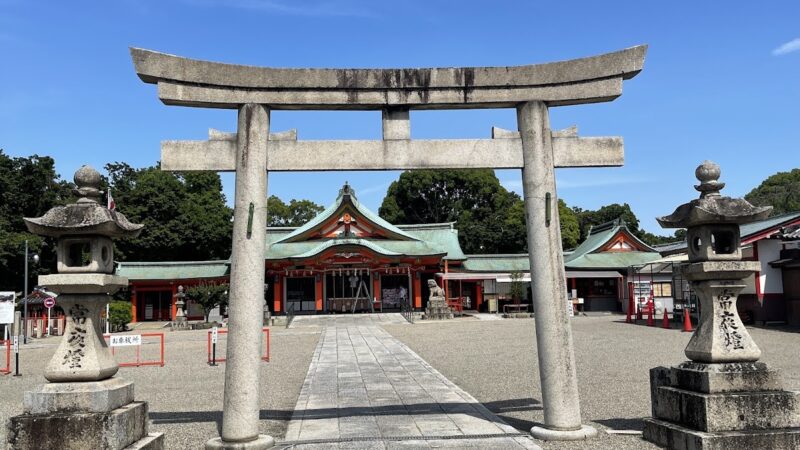
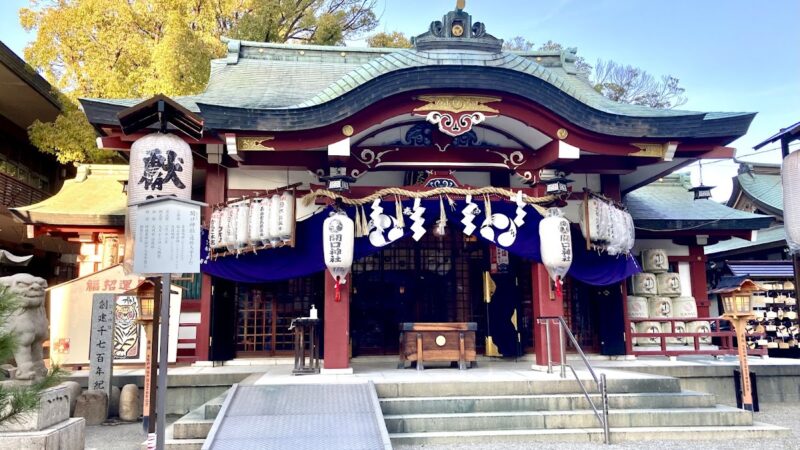
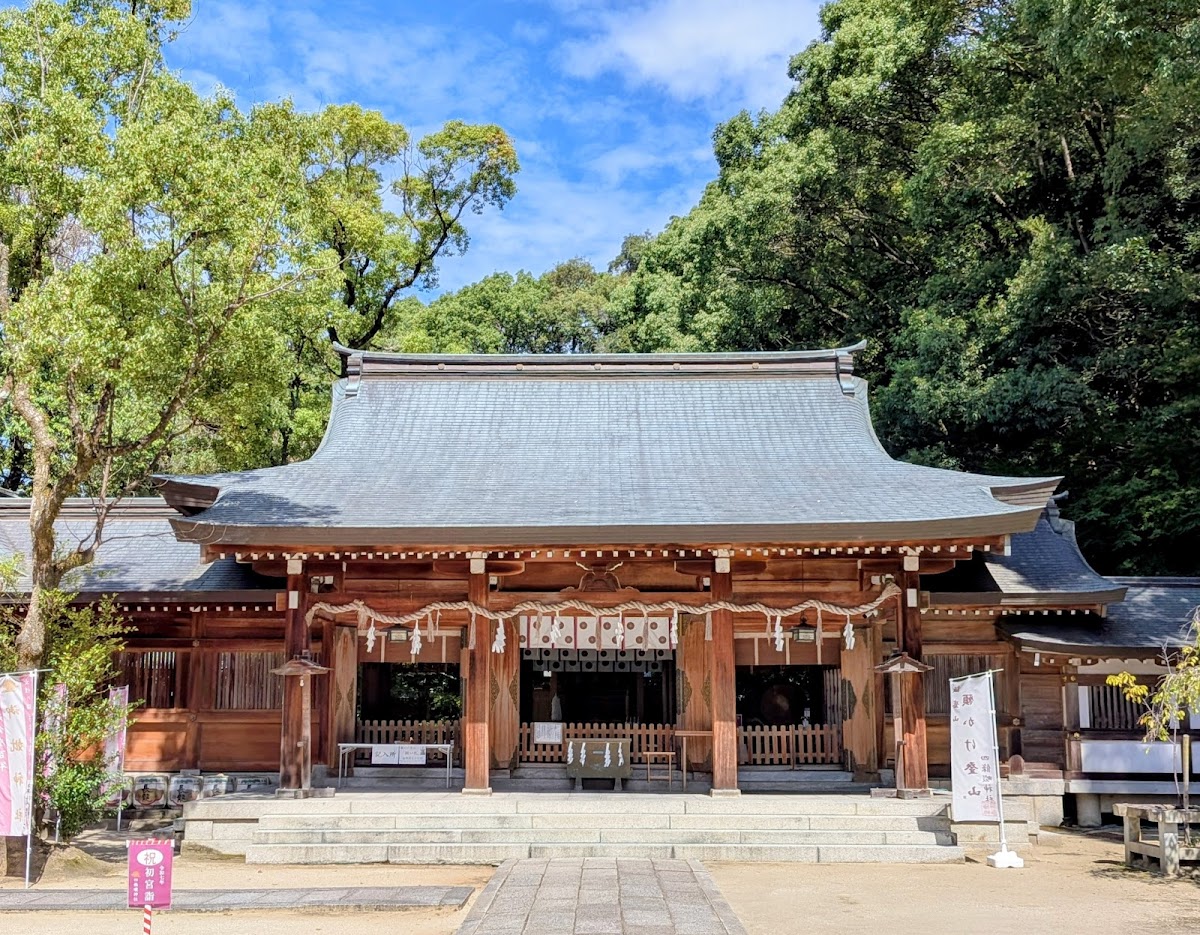
The shrine buildings of Shijōnawate Shrine are built at the foot of Mt. Iimoriyama, situated on a hill overlooking the city. The worship hall retains the architectural style of the Meiji era, exuding a solemn and tranquil atmosphere.
The main sanctuary is built in the Shinmei-zukuri style, simple yet dignified. The entire shrine grounds are surrounded by a lush forest, creating a serene space that makes you forget the hustle and bustle of the city.
Main Shrine Facilities
Mikoto Shrine
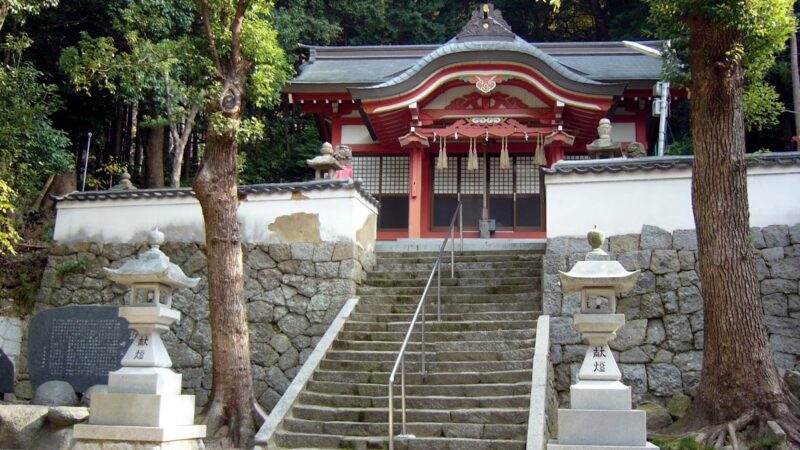
This is a subsidiary shrine dedicated to Hisako, the mother of Masayuki. Many visitors come here to pray for child-rearing and family harmony.
Kusunoki Memorial Tower
This old stone tower, relocated from Toyonaka in 1991, was erected to commemorate the Kusunoki family.
Shrine Office/Amulet Shop
Open from 9:00 AM to 5:00 PM, the office offers Goshuin (shrine stamps), amulets, and accepts requests for various prayers. The phone number is 072-876-0044.
Water Basin
As you proceed along the approach to the shrine, you will find a water basin where you can purify your body and mind with pure water.
Seasonal Scenery
Shijonawate Shrine, selected as one of “Osaka’s 100 Green Spaces,” offers beautiful natural scenery throughout the four seasons.
Spring
Cherry trees are planted on the shrine grounds, and magnificent cherry blossoms bloom from late March to early April. It is also known as a famous cherry blossom viewing spot.
Summer
Lush green trees flourish, and a cool breeze flows through the air. Located at the foot of Mt. Iimori, the temperature is lower and more comfortable than in the city.
Autumn
Famous for its autumn foliage, the shrine grounds are dyed in red and yellow from mid- to late November. The autumn leaves around the main hall are particularly magnificent.
Winter
The shrine grounds are enveloped in silence, and a solemn atmosphere permeates the air. Many worshippers visit for the New Year’s pilgrimage.
About Prayers
Types of Prayers
Shijonawate Shrine accepts various types of prayers. Reception hours are from 9:00 AM to 4:30 PM.
- Family Safety
- Business Prosperity
- Protection from Evil
- Protection from Unfavorable Directions
- Traffic Safety
- Success in Exams/Academic Achievement
- Recovery from Illness
- Safe Childbirth
- First Shrine Visit for a Newborn
- Shichi-Go-San (7-5-3 Festival)
- Fulfillment of Wishes
How to Apply for Prayer
Those wishing to receive prayer should fill out the application form at the shrine office and pay the offering fee. Reservations can be made by phone, but same-day applications are also accepted. Especially during New Year’s and festival days, crowds are expected, so advance reservations are recommended.
Items Offered (Amulets/Goshuin Stamps)
Types of Amulets
Shijonawate Shrine offers a variety of amulets.
Academic Achievement Amulet
This amulet, inspired by the spirit of Masayuki-ko’s pursuit of both literary and martial arts, is popular among students taking exams.
Wish Fulfillment Amulet
This amulet is for praying for the fulfillment of your wishes.
Traffic Safety Amulet
This amulet protects your safety when driving or cycling.
Matchmaking Amulet
This amulet is popular with those wishing for a good relationship.
Childbearing and Safe Childbirth Amulet
This amulet is related to the faith of the Mihime Shrine.
Goshuin (Shrine Seal)
Shijonawate Shrine offers beautiful goshuin. They are available at the shrine office from 9:00 AM to 5:00 PM.
Original goshuin notebooks are also available, with designs featuring seasonal scenery such as cherry blossoms and autumn leaves being popular. Special goshuin notebooks for the Kenmu Restoration Fifteen Shrines and Shinto-Buddhist sacred sites are also available.
Office Hours
The shrine office and goshuin counter are open from 9:00 AM to 5:00 PM. Hours may be extended during special periods such as the New Year holidays.
Annual Festival and Regular Events
Annual Festival
The annual festival of Shijōnawate Shrine is held every year on January 24th, commemorating the day Lord Masayuki died in battle. While Lord Masayuki’s death anniversary is the 5th day of the first month in the old lunar calendar, the festival is held on January 24th in the new calendar.
During the festival, a solemn Shinto ritual is performed to comfort the spirits of Lord Masayuki and his soldiers and to praise their loyalty. Many worshippers attend to remember Lord Masayuki’s virtues.
Main Regular Events
New Year’s Visit (January 1st-3rd)
Many worshippers visit the shrine for their first visit of the new year.
Setsubun Festival (February 3rd)
Shinto rituals such as bean-throwing are performed.
Spring Grand Festival
A festival celebrating the arrival of spring.
Summer Purification Ceremony (June 30th)
A Shinto ritual to cleanse away the impurities accumulated over the past six months.
Autumn Grand Festival
A festival to give thanks for the bountiful harvest of autumn.
Shichi-Go-San Festival (November)
Many visitors come to celebrate the growth of their children.
New Year’s Eve Festival (December 31st)
A New Year’s Eve festival is held to mark the end of the year.
Access and Visiting Information
Access by Train
Shijonawate Shrine is easily accessible by train.
From JR Gakken Toshi Line “Shijonawate Station”
- Approximately 15 minutes on foot
- Exit the station and head east towards Mt. Iimoriyama.
- There are signs, so you won’t get lost.
From Keihan Railway “Neyagawa-shi Station”
- Take a bus and get off at “Shijonawate Station,” then approximately 15 minutes on foot.
The path from the station to the shrine is a gentle uphill slope, passing through a residential area before reaching the foot of Mt. Iimoriyama. The scenery along the way is rich in nature, making the walk itself a pleasant experience.
Access by Car
From the Daini Keihan Expressway
- Approximately 15 minutes from “Neyagawa Minami IC”
From the Hanshin Expressway
- Approximately 25 minutes from “Moriguchi IC”
While there is a parking lot for visitors on the shrine grounds, spaces are limited, so during busy periods such as New Year’s visits and festivals, we recommend using public transportation.
Basic Information
Location
2-18-1 Minamino, Shijonawate City, Osaka Prefecture 575-0021
Phone Number
072-876-0044
Shrine Office/Gift Shop Hours
9:00 AM – 5:00 PM
Prayer Service Hours
9:00 AM – 4:30 PM
Parking
Available (Free, Limited Spaces)
Admission Fee
Free
Estimated Time Required for Visiting
If you plan to thoroughly explore the shrine grounds and receive a Goshuin (shrine stamp), allow approximately 30 minutes to 1 hour. If combining your visit with a hike up Mt. Iimori, you will need even more time.
Nearby Attractions
Mt. Iimori
Mt. Iimori (elevation 314m), towering behind Shijonawate Shrine, is a popular hiking destination. From the mountaintop, you can enjoy a panoramic view of the Osaka Plain, and on a clear day, you can even see Osaka Bay and the Rokko Mountains.
There are also the ruins of Iimoriyama Castle, a historical site where Miyoshi Nagayoshi resided during the Sengoku period. Many people enjoy hiking in conjunction with visiting the shrine.
Kusunoki Masayuki’s Grave (Kusunoki Mound)
Approximately 1 km west of the shrine is the “Kusunoki Mound,” believed to be the place where Lord Masayuki was killed in battle. Currently, a small mound and stone monument remain, carefully preserved by local residents.
Nango Seven Shrines
Shijonawate Shrine is counted as one of the “Nango Seven Shrines.” Nango is an old name for the area stretching from Shijonawate City to Daito City, and there is a belief system involving visiting seven shrines in this region. If you have time, we recommend visiting the other shrines as well.
Naniwa Seven Lucky Gods Pilgrimage
Shijonawate Shrine is one of the shrines on the “Naniwa Seven Lucky Gods Pilgrimage.” This pilgrimage route involves visiting seven shrines within Osaka Prefecture, and it is believed that one will receive seven blessings. Special commemorative paper and stamp books are available.
About the Supporters’ Association
Shijonawate Shrine has a Supporters’ Association that supports the maintenance and operation of the shrine and its events. Becoming a member offers benefits such as regular information from the shrine and participation in special events.
Those wishing to join can inquire about details at the shrine office. You can participate in activities to protect the history and traditions of the shrine and pass them on to future generations.
Manners and Etiquette for Visiting the Shrine
Basic Visiting Etiquette
How to Pass Through the Torii Gate
Bow before passing through the torii gate. Walk away from the center of the path.
Procedure for Washing Hands
- Hold the ladle in your right hand and wash your left hand.
- Switch the ladle to your left hand and wash your right hand.
- Switch the ladle back to your right hand, receive water in your left hand, and rinse your mouth.
- Wash your left hand once more.
- Hold the ladle upright, wash the handle, and return it to its original position.
Procedure for Worship
The basic procedure is two bows, two claps, and one bow.
- Bow deeply twice.
- Clap your hands twice at chest height.
- Finally, bow deeply once.
Photography
Photography is generally permitted within the temple grounds, but please refrain from taking pictures inside the main hall or during Shinto rituals. Please be considerate of other worshippers.
Attire
If receiving prayers, somewhat formal attire is desirable, but for regular worship, everyday clothes are acceptable. However, please avoid overly casual or revealing clothing.
The Charm of Shijōnawate Shrine
Historical Value
Shijōnawate Shrine is a valuable historical site that conveys the important period of the Nanboku-chō era in Japanese history. The spirit of loyalty of Kusunoki Masayuki continues to inspire many people across generations.
Its high status as a special government-supported shrine and its historical position as one of the fifteen shrines of the Kenmu Restoration demonstrate that this shrine is not merely a local shrine, but one of national importance.
Splendid Natural Environment
Located at the foot of Mt. Iimoriyama, the lush grounds, selected as one of “Osaka’s 100 Green Spaces,” offer a precious space to escape the hustle and bustle of the city and find peace of mind. Being able to worship while experiencing the beauty of nature in each of the four seasons is one of Shijōnawate Shrine’s greatest charms.
Connection to the Community
Affectionately known as “Little Kusunoki-san” by locals, it has been a center of community faith for many years. Shijonawate Shrine serves as a spiritual haven for the community, visited at various milestones in life, such as New Year’s visits, Shichi-Go-San (a traditional rite of passage for children), and prayers for success in exams.
Cultural Influence
Featured in numerous literary and artistic works, including the Takarazuka Revue’s production “Sakura Ran-ki,” Shijonawate Shrine holds significant historical and cultural importance.
Summary
Shijonawate Shrine is a shrine blessed with history and nature, conveying the spirit of loyalty and filial piety of Kusunoki Masayuki. Located in the lush green foothills of Mt. Iimori in Minamino, Shijonawate City, Osaka Prefecture, it is a prestigious shrine with the status of a special government-supported shrine, beloved by many worshippers.
It is believed to grant various blessings, including the fulfillment of wishes, academic success, and matchmaking, and is also known as one of the Naniwa Seven Lucky Gods pilgrimage sites and the 20th shrine on the Osaka Shinto-Buddhist pilgrimage route. Its convenient location, just a 15-minute walk from JR Shijonawate Station, is another attractive feature.
Enjoying the beautiful scenery of each season, such as cherry blossoms in spring and autumn leaves in fall, while reflecting on the life of Lord Masayuki, will surely leave a deep impression on your heart. When you visit Osaka, be sure to stop by Shijonawate Shrine.
The shrine office and gift shop are open from 9:00 AM to 5:00 PM, and you can receive goshuin (shrine stamps) and amulets, and register for prayers. For more information, please call (072-876-0044) or check the official website.