Complete Guide to Shōmyōji Temple | History, Highlights, Access, and Visiting Information
Shōmyōji Temple is a Shingon Ritsu sect temple located in Kanazawa Ward, Yokohama City, Kanagawa Prefecture. Founded during the Kamakura period by the Kanazawa Hōjō clan, a branch of the Hōjō clan, it remains a historically significant temple with a beautiful Pure Land style garden and valuable cultural assets. This article provides a detailed explanation of Shōmyōji Temple’s history, highlights, access methods, and visiting information.
What is Shōmyōji Temple?
Shōmyōji Temple, officially known as “Kanazawa Shōmyōji,” is a Shingon Ritsu sect temple and a special head temple. Its principal image is Maitreya Bodhisattva, and it flourished as a center of faith and culture for samurai families from the late Kamakura period to the Muromachi period. The temple grounds house numerous national treasures and important cultural properties, and the Shōmyōji scriptures and Kanazawa Bunko documents, in particular, are extremely important historical sources for the study of Japanese medieval history.
Located within Yokohama City, Shōmyōji Temple retains a strong sense of the Kamakura period, making it a worthwhile tourist spot where the beauty of nature in each season harmonizes with historical buildings.
History of Shōmyōji Temple
Founding and the Kanazawa Hōjō Clan
Shōmyōji Temple’s founding dates back to the mid-Kamakura period. While there are various theories regarding the exact year of its founding, it is generally believed to have begun in the mid-13th century when Hōjō Sanetoki, the ancestor of the Kanazawa Hōjō clan, built a private Buddhist hall on this site.
Hōjō Sanetoki was a powerful retainer of the Kamakura shogunate and a cultured man who valued learning. He established the Kanazawa Bunko, Japan’s oldest samurai library, within the grounds of Shōmyōji Temple, collecting numerous books and documents. This Kanazawa Bunko still exists today as the Kanagawa Prefectural Kanazawa Bunko, located next to Shōmyōji Temple, preserving and exhibiting valuable historical materials.
Shōmyōji Temple at its Peak
Shōmyōji Temple reached its peak during the reigns of Hōjō Akitoki, son of Hōjō Sanetoki, and his grandson, Sadaaki. Particularly during Sadaaki’s time, in the early 14th century, numerous halls and pagodas were built within the temple grounds, completing a magnificent temple complex. At that time, Shōmyōji was a large temple with seven main halls and functioned as an important center of the Shingon Ritsu sect.
Many monks gathered at Shōmyōji, and it flourished as a place of learning and training. It also played an important role as the family temple of the Kanazawa Hōjō clan, and memorial services and prayers for the family were frequently held there.
Changes After the Fall of the Kamakura Shogunate
When the Kamakura Shogunate fell in 1333, the Kanazawa Hōjō clan also declined, and Shōmyōji lost its patron. Subsequently, from the Muromachi period to the Sengoku period, Shōmyōji gradually declined. Many temple buildings were lost, and the once magnificent temple complex shrank considerably.
During the Edo period, it received some protection from the Tokugawa shogunate, but it never regained its former prosperity. Although it was affected by the anti-Buddhist movement of the Meiji era, its valuable cultural assets were preserved and remain so to this day.
Shōmyōji Temple in Modern Times
In the Showa era, the historical value of Shōmyōji Temple was re-recognized, and improvements to the temple grounds and the protection of cultural assets were advanced. In 1987, the temple grounds were designated a national historic site, and the Jōdo-style garden was restored. Currently, it is a representative historical tourist destination in Kanazawa Ward, Yokohama City, attracting many worshippers and tourists.
Highlights of Shōmyōji Temple
Jōdo-style Garden and Ajigaike Pond
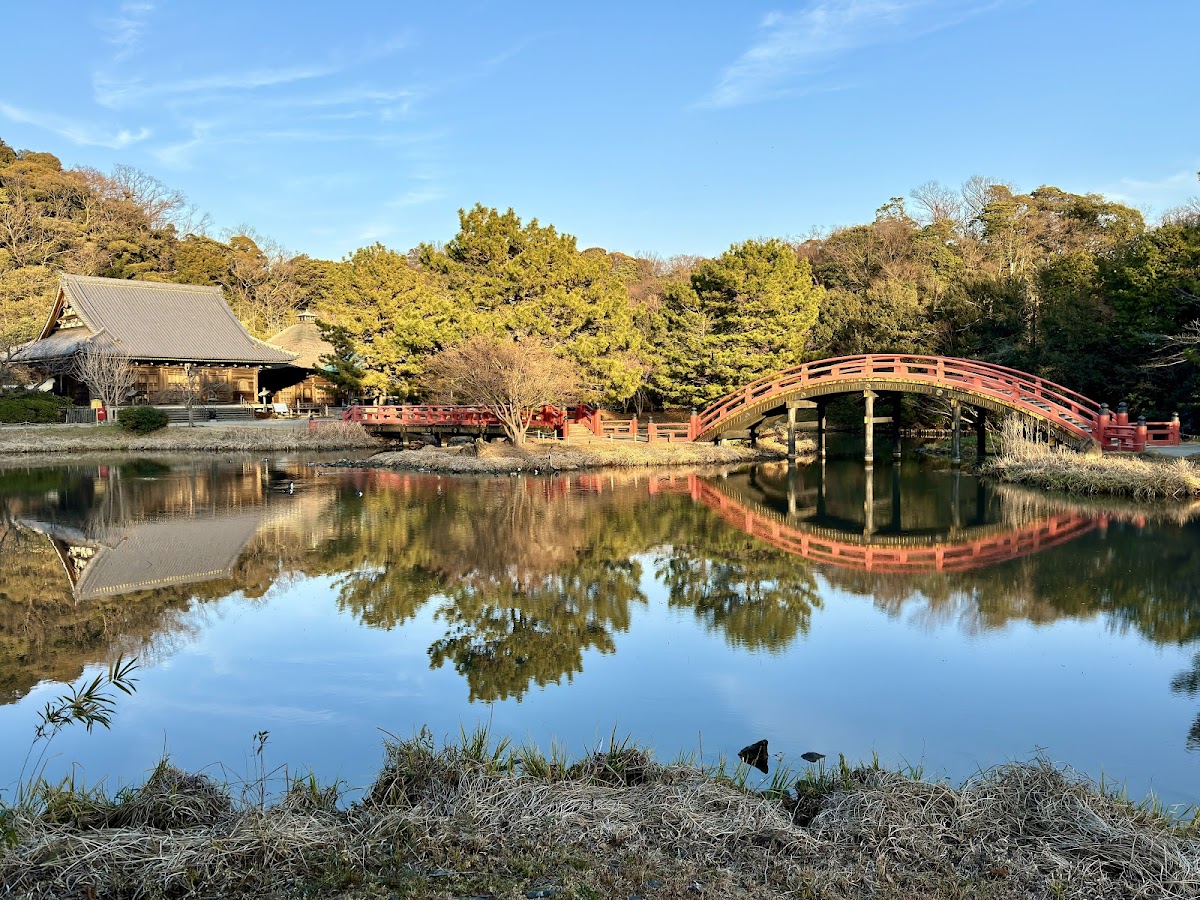
The greatest highlight of Shōmyōji Temple is the Jōdo-style garden, which is designated a national historic site. This garden, constructed in the late Kamakura period, aims to recreate the world of the Pure Land on earth.
At the heart of the garden is a large pond called “Ajigaike,” with an island in the middle. This pond, also known as “Ajiike,” reflects the philosophy of Esoteric Buddhism. The pond’s perimeter is planted with seasonal plants, allowing visitors to enjoy different beautiful scenery throughout the year: cherry blossoms in spring, fresh greenery in early summer, and vibrant autumn leaves.
The Arched Bridge and the Flat Bridge
Two vermilion-painted bridges span Ajigaike Pond. One is a drum-shaped bridge called the “Arched Bridge,” and the other is a “Flat Bridge.” These bridges symbolize the path to the Pure Land, and visitors crossing them symbolically experience the journey from the secular world to the Pure Land.
The Arched Bridge, in particular, is striking with its beautiful curves and vermilion color, making it one of the representative landscapes of Shōmyōji Temple. The sight of the Arched Bridge combined with cherry blossoms in spring or autumn leaves is a popular subject for many photography enthusiasts. However, currently, it is not possible to actually cross the bridge due to its preservation.
Main Hall (Kondo)
The main hall of Shōmyōji Temple, the Kondo, houses the principal image, the Maitreya Bodhisattva. The current Kondo was rebuilt during the Edo period and differs from the magnificent architecture of the Kamakura period, but it retains a solemn atmosphere.
Inside the Kondo, in addition to the principal image of the Maitreya Bodhisattva, statues of the Four Heavenly Kings are enshrined, allowing visitors to offer prayers in quiet contemplation. While worship is usually conducted from the outside, there are opportunities to view the interior during special openings.
Niomon Gate
At the entrance to Shōmyōji Temple is a magnificent Niomon Gate. This gate houses the Agyo and Ungyo Nio statues, protecting the temple. The current Niomon Gate is relatively new, but it is a dignified building that follows traditional styles.
Passing through the Niomon Gate, the approach continues, leading to a Pure Land style garden and the main hall. Walking along this approach is a ritualistic experience, a transition from everyday life to a sacred space.
Bell Tower
Within the temple grounds stands a magnificent bell tower. The bell hanging here is an important cultural asset that tells the history of Shōmyōji Temple. The sound of the bell resonates in the quiet surroundings, bringing peace of mind to visitors.
Famous for Cherry Blossoms and Autumn Leaves
Shōmyōji Temple is known as one of Yokohama’s leading spots for cherry blossoms and autumn leaves. In spring, the cherry trees planted around Ajigaike Pond and along the approach to the temple bloom all at once, coloring the grounds with pale pink blossoms. The contrast between the vermilion arched bridge and the cherry blossoms is particularly magnificent.
In autumn, the ginkgo and maple trees turn vivid colors, dyeing the entire garden in yellow and red. During the autumn foliage season, many tourists and photography enthusiasts visit to enjoy its beauty. The best time to see the autumn leaves at Shōmyōji Temple is from mid-November to early December. ### Collaboration with Kanazawa Bunko
Next to Shōmyōji Temple is the Kanagawa Prefectural Kanazawa Bunko. Kanazawa Bunko is a facility that originated from the oldest samurai library in Japan, founded by Hōjō Sanetoki, and is now operated as a museum.
Kanazawa Bunko houses and displays valuable cultural properties, including national treasures and important cultural properties, that have been passed down through Shōmyōji Temple. You can see extremely important materials for understanding the history and culture of medieval Japan, such as the Shōmyōji scriptures and Kanazawa Bunko documents. When visiting Shōmyōji Temple, we highly recommend also visiting Kanazawa Bunko to learn more about history.
Cultural Properties of Shōmyōji Temple
National Treasures
Shōmyōji Temple houses the following national treasures (currently stored and displayed at Kanazawa Bunko):
- Shōmyōji Scriptures and Kanazawa Bunko Documents: A vast collection of Buddhist texts and ancient documents from the Kamakura to Muromachi periods. These are extremely valuable historical materials for understanding Buddhist thought, scholarship, politics, and society of the time, and are indispensable resources for the study of Japanese medieval history.
Important Cultural Properties
Shōmyōji Temple also houses numerous important cultural properties.
- Colored Portrait of Hōjō Sanetoki on Silk: This is a portrait of Hōjō Sanetoki, the founder of the Kanazawa Hōjō clan. It is a valuable work that conveys the appearance of a samurai during the Kamakura period.
- Temple Bell: This temple bell was cast during the Kamakura period, and its inscription contains historical information from that time.
- Other Buddhist Statues and Paintings: The temple houses many excellent Buddhist art pieces from the Kamakura to Muromachi periods, including statues of Amida Buddha and Shakyamuni Buddha.
Many of these cultural properties are usually stored in the Kanazawa Bunko Library and are sometimes displayed in special exhibitions.
Annual Events at Shōmyōji Temple
Shōmyōji Temple holds various Buddhist events throughout the year.
First Three Days of the New Year
Many worshippers visit the temple for their first shrine visit of the year. The temple grounds are bustling with worshippers from New Year’s Day through the third day.
Spring Cherry Blossom Festival
During the cherry blossom season (late March to early April), many unofficial visitors come to enjoy the blossoms. While there is no illumination, the beauty of the cherry blossoms during the daytime can be fully appreciated.
Autumn Foliage Season
During the autumn foliage season from mid-November to early December, many tourists visit. It can be particularly crowded on weekends.
Other Buddhist Services
As a temple, regular Buddhist services and memorial services are held. While there are events for parishioners and followers, general visitors can also quietly offer their prayers.
Visiting Information
Visiting Hours
The grounds of Shōmyōji Temple are generally open for free visits.
- Visiting Hours: From sunrise to sunset (approximately 8:30 AM to 5:00 PM)
- Admission Fee: Free (Free entry to the temple grounds)
*Additional fees may apply for special viewings of the interior of the main hall.
*Separate admission fees apply to the adjacent Kanagawa Prefectural Kanazawa Bunko Library (General admission: 250 yen, under 20/students: 150 yen, high school students: 100 yen, 65 years and older/junior high school students and younger: Free).
Holidays and Closures
- The grounds of Shōmyōji Temple are open for worship year-round.
- Kanazawa Bunko Library is closed on Mondays (or the following weekday if Monday is a public holiday), during the New Year holidays, and during exhibition changeovers.
Estimated Time Required
- Visiting only the grounds of Shōmyōji Temple: Approximately 30 minutes to 1 hour
- Visiting including Kanazawa Bunko Library: Approximately 1.5 to 2 hours
If you wish to stroll leisurely while enjoying seasonal flowers, we recommend allowing more time.
Access Methods
Access by Train
The most convenient way to access Shōmyōji Temple is by train.
Using the Keihin Kyuko Line:
- Get off at Kanazawa Bunko Station and walk approximately 12-15 minutes from the East Exit.
- Kanazawa Bunko Station is approximately 20 minutes from Yokohama Station and approximately 30 minutes from Shinagawa Station on the Keikyu Main Line.
- From the station, follow the signs and walk through the residential area. While it’s a bit of a distance, the route is relatively easy to follow.
If using the JR Negishi Line:
- Get off at Shin-Sugita Station and transfer to the Seaside Line (Kanazawa Seaside Line).
- Get off at “Umi-no-Koen Minamiguchi Station” or “Umi-no-Koen Shibaguchi Station” on the Seaside Line, then walk for approximately 15-20 minutes.
However, since a transfer is required when using JR, using the Keihin Kyuko Line is recommended.
Access by Bus
You can also take a bus from Kanazawa Bunko Station.
- Take the Keikyu Bus bound for “Shibamachi” from the east exit of Kanazawa Bunko Station, get off at the “Shomyoji” bus stop, then walk for approximately 3 minutes.
- Since the number of buses is limited, it is recommended to check the timetable in advance.
Access by Car
If visiting by car:
- Approximately 5 minutes from the “Asahina Interchange” on the Yokohama-Yokosuka Expressway.
- Approximately 5 minutes from the “Koura Exit” on the Shuto Expressway Wangan Line.
Parking:
- There is no large-scale parking lot dedicated to Shomyoji Temple.
- Parking is available at Kanazawa Bunko (paid, limited spaces), but it may be full.
- There are several coin-operated parking lots nearby, but they get crowded during cherry blossom and autumn foliage seasons, so we strongly recommend using public transportation.
Nearby Tourist Attractions
When visiting Shōmyōji Temple, visiting nearby tourist attractions will make your trip even more fulfilling.
Kanazawa Bunko
As mentioned above, the Kanagawa Prefectural Kanazawa Bunko, located next to Shōmyōji Temple, is a must-see. It exhibits valuable historical materials, including national treasures and important cultural properties, allowing you to gain a deeper understanding of Shōmyōji Temple’s history.
Umi no Koen (Sea Park)
Located about a 15-20 minute walk from Shōmyōji Temple, Umi no Koen is the only artificial beach in Yokohama City where you can swim. You can enjoy clam digging in spring and swimming in summer. It also has a large lawn area, making it a popular spot for families.
Hakkeijima Sea Paradise
Further from Umi-no-Koen (Sea Park), you’ll find “Yokohama Hakkeijima Sea Paradise.” This complex leisure facility combines an aquarium, amusement park, restaurants, and a shopping mall, offering a full day of fun.
Kanazawa Zoo
Located about 15 minutes by car from Shomyoji Temple, “Kanazawa Zoo” is a zoo within Kanazawa Nature Park. It primarily exhibits rare herbivorous animals from around the world, allowing visitors to observe the animals in a rich natural environment.
Seto Shrine
Located about 20 minutes on foot from Shomyoji Temple, “Seto Shrine” is a historical shrine said to have been founded by Minamoto no Yoritomo. From the shrine grounds facing the sea, you can enjoy views of Umi-no-Koen and Hakkeijima.
Points to Note When Visiting Shomyoji Temple
Clothing and Items to Bring
- Since some parts of the temple grounds are unpaved, it is recommended to wear comfortable walking shoes.
- In summer, the sun is strong, so please bring a hat, parasol, and sunscreen.
- In winter, the wind can feel cold due to the proximity to the sea. Please take proper precautions against the cold.
Manners
- Shōmyōji Temple is an active temple where training and religious ceremonies are held. Please pray quietly and be considerate of other worshippers and monks.
- Photography is generally permitted, but permission is required in advance for the use of tripods or for commercial purposes.
- Please be sure to take your trash with you.
Seasonal Crowds
- The temple is particularly crowded during cherry blossom season (late March to early April) and autumn foliage season (mid-November to early December).
- Weekday mornings are relatively quiet, allowing for a more relaxed visit.
- The temple is also crowded during the first three days of the New Year, but due to the spacious grounds, it doesn’t become extremely crowded.
Summary of Shōmyōji Temple’s Charms
Shōmyōji Temple is a precious temple that conveys the history and culture of the Kamakura period to the present day. It boasts many attractions, including a beautiful Pure Land style garden, a vermilion arched bridge, seasonal nature, and numerous national treasures and important cultural properties.
Shōmyōji Temple’s greatest charm lies in its quiet and peaceful atmosphere, allowing visitors to enjoy historical walks despite its urban location in Yokohama. When sightseeing in Kamakura or Yokohama, be sure to extend your trip to visit Shōmyōji Temple. You will be able to experience the splendor of the Kanazawa Hōjō clan and the profound depth of Japanese medieval culture.
Shōmyōji Temple is an ideal destination for history buffs, photography enthusiasts, nature lovers, and those seeking quiet time. Visiting it in conjunction with the adjacent Kanazawa Bunko Library will provide an even more enriching cultural experience.
Shōmyōji Temple displays a different kind of beauty in every season: cherry blossoms in spring, fresh greenery in early summer, autumn leaves in fall, and the tranquility of winter. Why not visit this historic temple yourself and experience the atmosphere of the Kamakura period and the changing seasons?