Complete Guide to Nachisan Seiganto-ji Temple: History, Highlights, and Visitor Information for the First Temple of the Saigoku Thirty-Three Kannon Pilgrimage
What is Nachisan Seiganto-ji Temple?
Nachisan Seiganto-ji Temple is a Tendai sect temple located in Nachikatsuura-cho, Higashimuro-gun, Wakayama Prefecture. Known as the first temple of the Saigoku Thirty-Three Kannon Pilgrimage, it was registered as a UNESCO World Heritage Site in 2004 as part of the “Sacred Sites and Pilgrimage Routes in the Kii Mountain Range.”
Its mountain name is Nachisan, and its principal image is Nyoirin Kannon Bodhisattva. Along with the adjacent Kumano Nachi Taisha Shrine, it once flourished as a sacred site of syncretism between Shinto and Buddhism, attracting many pilgrims as a center of Kumano faith. Even today, it remains one of Japan’s leading Kannon pilgrimage sites, attracting many pilgrims and tourists throughout the year.
History and Origins of Seiganto-ji Temple
Founding and the Legend of Ragyo Shonin
The founding of Seiganto-ji Temple dates back to the reign of Empress Suiko (around the 4th century). According to temple tradition, Ragyo Shonin, who drifted ashore at Kumano Bay from India, practiced asceticism at Nachi Falls and experienced a miraculous manifestation of Kannon Bodhisattva at the waterfall basin.
Ragyo Shonin built a hermitage with the Nyoirin Kannon Bodhisattva he had perceived as the principal image, and this became the origin of Seiganto-ji Temple. This founding legend has been passed down for over 1600 years, forming a unique sacred site culture where Nachi faith and Kannon faith are integrated.
Development from the Heian Period to the Middle Ages
In the late Heian period, Mount Nachi was likened to the Pure Land of Fudaraku (the ideal land where Kannon Bodhisattva resides), establishing its status as a sacred site of Kannon faith. During this period, it was designated as the first temple of the Saigoku Thirty-Three Kannon Pilgrimage, attracting many pilgrims from all over Japan.
In the Middle Ages, it was known as “Nyoirindo” as a temple for the monks of Kumano Nachi Taisha Shrine, and developed as a form of syncretism of Shinto and Buddhism. Seiganto-ji Sonshoin served as lodging for emperors and members of the imperial family during their pilgrimages to Kumano, and its four-legged gate with a curved gable roof, known as the “Akazu-no-mon” (unopened gate), still speaks to its high status.
Reconstruction by Toyotomi Hideyoshi
In 1590 (Tensho 18), the current main hall was rebuilt by Toyotomi Hideyoshi. This main hall is a valuable building that preserves the architectural style of the Momoyama period and is designated as a National Important Cultural Property. It is a historical building that demonstrates Hideyoshi’s faith in Kumano and the importance of Seiganto-ji Temple.
Meiji Restoration and Anti-Buddhist Movement
Following the Meiji Restoration’s decree separating Shinto and Buddhism, Seiganto-ji Temple was temporarily in danger of being abolished. After being separated from Kumano Nachi Taisha Shrine and with many Buddhist facilities destroyed, the temple was rebuilt as Seiganto-ji Temple, a Tendai sect temple, thanks to the efforts of local believers.
Having overcome this difficult period, the place of prayer for Kannon worship, which has continued since the Heian period, was preserved, and it continues to serve as the first temple of the Saigoku Thirty-Three Kannon Pilgrimage to this day.
Seiganto-ji Temple as a World Heritage Site
Sacred Sites and Pilgrimage Routes in the Kii Mountain Range
In July 2004, Seiganto-ji Temple was registered as a World Cultural Heritage site as a component of “Sacred Sites and Pilgrimage Routes in the Kii Mountain Range.” This World Heritage site consists of three sacred sites: Kumano Sanzan, Koyasan, and Yoshino-Omine, and the pilgrimage routes connecting them.
The reason Seiganto-ji Temple was recognized as a World Heritage site is that it preserves a unique religious culture that blends nature worship with Buddhism and Shugendo (mountain asceticism). The landscape of Nachi Falls, where the mystery of nature and the worship of Kannon (Goddess of Mercy) are intertwined, is considered to possess unparalleled cultural value worldwide.
20th Anniversary of World Heritage Site Registration
In 2024, the site celebrated its 20th anniversary of World Heritage Site registration, with commemorative events and special openings being held. Over the past 20 years, it has attracted many visitors from both within Japan and abroad, becoming an important hub for disseminating Japanese religious culture to the world.
Highlights and Visiting Information within the Temple Grounds
Main Hall (Important Cultural Property)
Rebuilt in 1590 by Toyotomi Hideyoshi, the main hall is a magnificent building with five bays in length and five bays in width, featuring a hipped roof and tiled roof. Inside, the principal image, Nyoirin Kannon Bodhisattva, is enshrined and affectionately known as “Nachi Kannon.”
The principal image is a one-faced, six-armed Nyoirin Kannon Bodhisattva, approximately 3 meters tall, and is said to have been created during the reign of Empress Suiko. Normally considered a hidden Buddha image, it is unveiled annually on Setsubun (the day before the beginning of spring), the second Sunday of April for the temple’s opening ceremony, and on the evening of August 17th, attracting many visitors.
The Spectacular View of the Three-Storied Pagoda and Nachi Falls
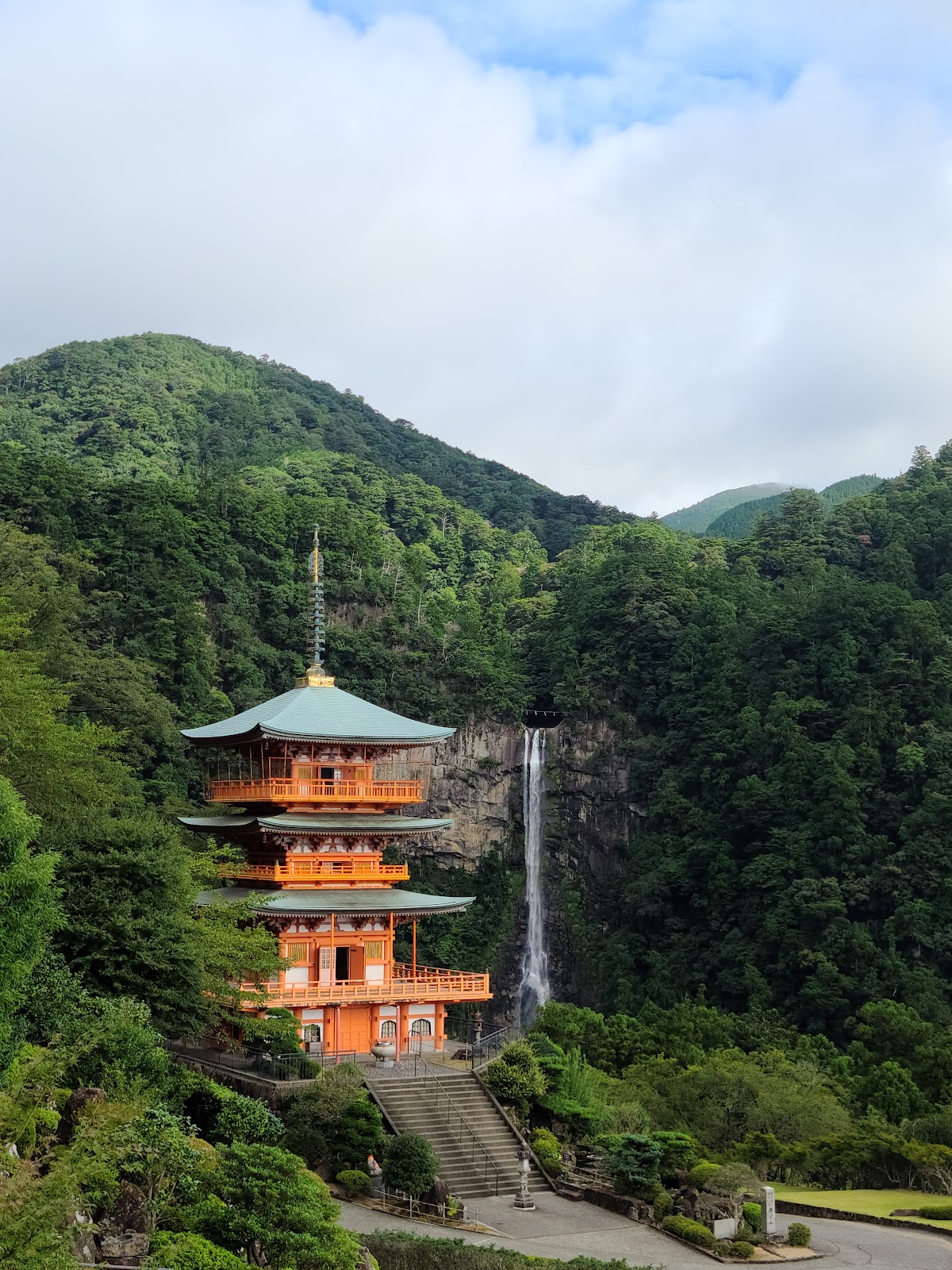
The combination of the vermilion-painted three-storied pagoda and Nachi Falls is a symbolic landscape of Seiganto-ji Temple. The pagoda was rebuilt in 1972 and stands approximately 25 meters tall. From the observation deck, one can enjoy a spectacular view with Nachi Falls in the background, a landscape beloved by many photographers and tourists as one of Japan’s most representative sights.
The view from this pagoda embodies a uniquely Japanese aesthetic, harmonizing nature worship and Buddhist architecture, and displays different expressions with each season.
Hōkyōintō Pagoda (Important Cultural Property)
Within the temple grounds is a Hōkyōintō pagoda, built during the Nanboku-chō period. This magnificent stone pagoda, standing 4.3 meters tall, is designated as an Important Cultural Property. This tower demonstrates the high level of stonework technology of the time and is a valuable historical site that tells the story of the flourishing Kumano faith in the Middle Ages.
Artifacts Excavated from Nachi Sutra Mound
In 1918 (Taisho 7), valuable artifacts dating from the Asuka and Hakuhō periods to the early Kamakura period were excavated from a place called Kochi at the entrance to the Nachi Falls pilgrimage route. A standing statue of Kannon Bodhisattva from the Hakuhō and Nara periods, and a Vajradhatu Samaya form (a three-dimensional representation of a mandala) from the late Fujiwara period have been designated as important national cultural properties, making them extremely important resources for understanding the history of Kumano faith.
The Unopened Gate
This is a four-legged gate with a curved gable roof located at the entrance to Seiganto-ji Temple’s Sonshō-in sub-temple. It is a remnant of its use as lodging for emperors and members of the imperial family during pilgrimages to Kumano in the Middle Ages. Its dignified gate structure indicates that Seiganto-ji Temple had deep ties with the imperial family.
The Temple Bell and the View from the Grounds
The temple grounds feature a historic temple bell and are known as a spectacular viewpoint offering panoramic views of Nachi Falls, the Nachi Primeval Forest, and the Pacific Ocean. Especially on clear days, visitors can simultaneously admire the magnificent nature of the Kii Peninsula and the vast expanse of the Pacific Ocean, leaving them deeply moved.
Seiganto-ji Temple as the First Temple of the Saigoku Thirty-Three Kannon Pilgrimage
What is the Saigoku Thirty-Three Kannon Pilgrimage?
The Saigoku Thirty-Three Kannon Pilgrimage is Japan’s oldest pilgrimage route, visiting 33 Kannon temples mainly in the Kinki region. It is said to have been founded in 718 AD by Tokudo Shonin of Hase-dera Temple in Yamato Province, and boasts a history of over 1300 years.
Seiganto-ji Temple is the first temple on this pilgrimage, marking its starting point. Affectionately known as “Ichiban-san,” it warmly welcomes those beginning their pilgrimage here.
Goshuin (Temple Seals) and Sutra Copying
At Seiganto-ji Temple, you can receive the Goshuin for the 33 temples of the Saigoku Kannon Pilgrimage. After praying at the main hall, you can have your Goshuin book stamped in ink and red at the sutra copying office. The Goshuin for the first temple holds special significance as a memento of the pilgrimage and is cherished by many pilgrims.
The temple’s hymn is “At Fudaraku, the waves crashing against the shore echo over the waterfall of Nachi Mountain in the Three Kumano,” depicting a scene where the nature of Nachi and the worship of Kannon are intertwined.
Kumano Shugendo and the Ascetic’s Hall
A Sacred Site of Shugendo
Seiganto-ji Temple has deep ties to Shugendo. Nachi Mountain has long been a training ground for Shugendo practitioners, and waterfall meditation at Nachi Falls has been considered a particularly important practice. The temple’s founder, the monk known as “Rakugyo Shonin,” is said to have received a vision of Kannon Bodhisattva through waterfall asceticism, fostering a unique form of worship that blended Shugendo (mountain asceticism) and Kannon worship.
Gyojado Hall and Goma Ritual
Within the temple grounds is the Gyojado Hall, dedicated to En no Gyoja. A monthly Goma ritual is held, where wooden prayer sticks are burned with the wishes of the worshippers. The Goma ritual is an important ceremony in Esoteric Buddhism, a prayer to burn away worldly desires and fulfill wishes.
The Goma ritual at the Gyojado Hall is also featured in an informational video, and is attracting attention as a valuable religious event that conveys the traditions of Shugendo to the present day.
Nachi’s Four Seasons and Annual Events
Spring at Seiganto-ji Temple
In spring, cherry blossoms adorn the temple grounds, creating a beautiful landscape in combination with the fresh green of the Nachi primeval forest. The opening ceremony is held on the second Sunday of April, and the principal image, Nyoirin Kannon Bodhisattva, is unveiled. During this time of year, the temple is bustling with many visitors, enveloped in a vibrant atmosphere celebrating the arrival of spring.
Summer at Nachi
In summer, the volume of water at Nachi Falls increases, presenting a powerful spectacle. On the evening of August 17th, the main image of worship is unveiled, offering a special summer night pilgrimage experience. Furthermore, during the Nachi Fan Festival (July 14th), you can feel a sense of unity with Kumano Nachi Taisha Shrine.
Autumn Foliage
In autumn, the Nachi primeval forest is dyed in vibrant autumn colors, creating a magnificent landscape in harmony with the vermilion-painted three-story pagoda. Under the clear autumn sky, the scenery created by Nachi Falls, the autumn leaves, and the three-story pagoda is a representative and breathtaking view of autumn in Japan, beloved by many photographers.
Winter Serenity
In winter, Seiganto-ji Temple is less crowded, allowing for a peaceful time of prayer. On Setsubun (the day before the beginning of spring), the main image of worship is unveiled and a Setsubun ceremony is held, praying for good health and protection from illness in the new year. Sometimes you can witness the mystical sight of Mount Nachi covered in snow.
Visiting Hours, Admission Fees, and Temple Grounds Information
Visiting Hours
Seiganto-ji Temple is usually open from 5:00 AM to 4:30 PM. However, these hours may change depending on the season and events, so it is recommended to check the official website before visiting.
Admission Fees
Entry to the temple grounds is free, but there may be an admission fee to view the inner sanctuary of the main hall. There is also a separate fee for entry to the observation deck of the three-story pagoda. Please check the details on-site.
Temple Stamp Office
Temple stamps (Goshuin) can be obtained at the temple stamp office. Reception hours are the same as visiting hours, but please note that they may not be available during events or memorial services.
Access Information
Address
8 Nachisan, Nachikatsuura-cho, Higashimuro-gun, Wakayama Prefecture 649-5301
Access by Public Transportation
By JR:
- Get off at Kii-Katsuura Station on the JR Kisei Main Line
- Take the Kumano Kotsu bus bound for Nachisan for approximately 30 minutes
- Get off at the Nachisan bus stop and walk for approximately 10 minutes to Seiganto-ji Temple
From Nanki-Shirahama Airport:
- Take a bus from the airport towards Kii-Katsuura
- Take a bus from Kii-Katsuura Station to Nachisan
Access by Car
From Osaka:
- Approximately 3 hours and 30 minutes via the Hanwa Expressway and Kisei Expressway
- From Susami-Minami IC, take National Route 42 towards Nachikatsuura
From Nagoya:
- Approximately 3 hours via the Tomei-Hanshin Expressway and Kisei Expressway
Parking
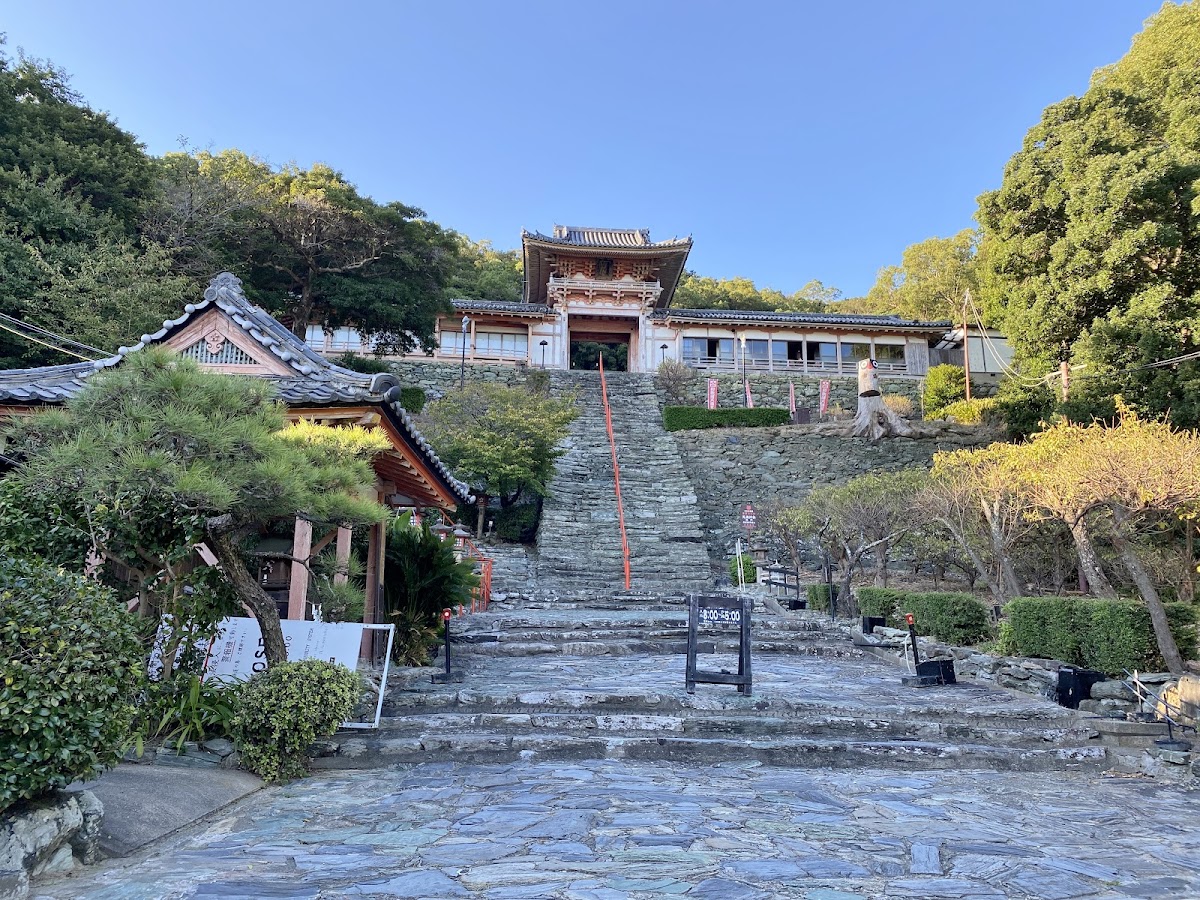
There are paid parking lots around Nachisan. It can get crowded during peak seasons and weekends, so it’s recommended to allow plenty of time for your visit. From the parking lot, you will need to climb stone steps to reach Seiganto-ji Temple.
Nearby Tourist Attractions
Kumano Nachi Taisha Shrine
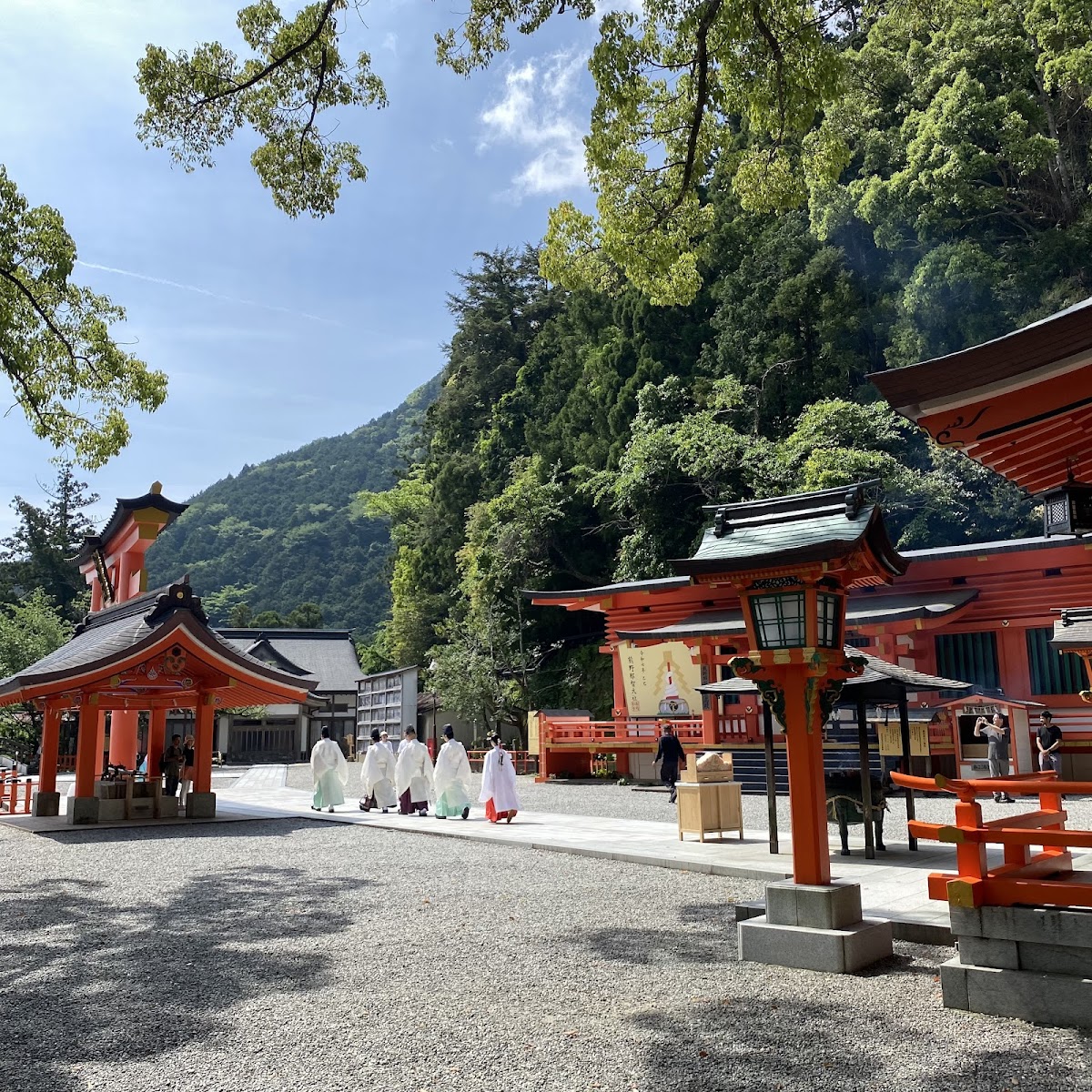
Adjacent to Seiganto-ji Temple, Kumano Nachi Taisha Shrine is known as one of the three Kumano shrines. It was once a sacred site where Shinto and Buddhism were syncretized, integrated with Seiganto-ji Temple. The vermilion-lacquered shrine buildings are beautiful, and it’s common to visit both together.
Nachi Falls
Nachi Falls, one of Japan’s three most famous waterfalls, is a magnificent waterfall with a drop of 133 meters and a width of 13 meters. It is revered as the sacred object of worship at Hiro Shrine and is also the source of faith at Seiganto-ji Temple. You can go close to the base of the falls and experience its power up close.
Fudarakusan-ji Temple
Located in Nachikatsuura Town, this Tendai sect temple is known as the starting point for the Fudaraku pilgrimage. It is an important temple that tells the history of faith, depicting the journey to Mount Fudaraku, the Pure Land of Kannon.
Daimonzaka Slope
Daimonzaka Slope, known as one of the most beautiful stone-paved paths on the Kumano Kodo pilgrimage route, is a mystical pilgrimage route lined with cedar trees over 800 years old. It is a valuable path that conveys the atmosphere of the Kumano pilgrimage of yesteryear.
Manners and Etiquette for Visiting
Attire
Since Seiganto-ji Temple is a sacred site, please avoid revealing clothing and wear modest attire when visiting. Because there are many stone steps and slopes, it is important to choose comfortable shoes.
Photography
Photography is generally permitted on the temple grounds, but photography inside the main hall or during religious ceremonies may be prohibited. Permission is required for the use of tripods and commercial photography. Please be considerate of other visitors.
Proper Worship Etiquette
Bow before the main hall, offer your donation, then clasp your hands together in prayer. Quietly recite your wish silently, and finally bow again. If you are on the Saigoku Pilgrimage, be sure to complete your worship before receiving your temple stamp at the temple office.
Cultural Properties of Seiganto-ji Temple
Nationally Designated Important Cultural Properties
- Main Hall (Momoyama period, rebuilt in 1590)
- Hōkyōintō Pagoda (Nanboku-chō period)
- Artifacts excavated from the Nachi Sutra Mound (including a standing statue of Kannon Bodhisattva from the Hakuhō and Nara periods, and a Vajradhatu Samaya form from the late Fujiwara period)
World Heritage Site Component
As part of the “Sacred Sites and Pilgrimage Routes in the Kii Mountain Range,” the entire temple grounds are registered as a World Cultural Heritage site.
Seiganto-ji Temple and Kumano Faith
Seiganto-ji Temple holds an important position in Kumano faith. Kumano faith is a unique religious culture based on nature worship, blending Buddhism, Shinto, and Shugendo.
The worship of the natural mystery of Nachi Falls as a deity, while simultaneously viewing it as the Pure Land of Kannon Bodhisattva, symbolizes the Japanese view of nature and religion. Seiganto-ji Temple has served as the center of this faith, receiving people’s prayers for over 1600 years.
Seiganto-ji Temple in the Modern Era
Currently, Seiganto-ji Temple fulfills its role as a traditional religious institution while also serving as a venue for international cultural exchange as a World Heritage Site. Through its official Instagram and website, it disseminates information, aiming to become an open temple accessible to younger generations.
Maintaining ties with the local community through monthly Goma rituals and various Buddhist services, while warmly welcoming tourists and pilgrims, it serves as a model case for the role of religious institutions in the modern era.
Summary
Nachisan Seiganto-ji Temple, with its history spanning over 1600 years, is the first temple on the Saigoku Kannon Pilgrimage (33 temples in the western region), playing a central role in Japanese Kannon and Kumano faith. The temple grounds, a UNESCO World Heritage Site, preserve a unique religious culture that blends nature worship and Buddhism.
The main hall, rebuilt by Toyotomi Hideyoshi, the vermilion-lacquered three-story pagoda, the breathtaking view of Nachi Falls, and numerous precious cultural assets provide visitors with profound inspiration and spiritual peace. As the starting point for the Saigoku pilgrimage and an important base for the Kumano pilgrimage, Seiganto-ji Temple will continue to be a place of prayer for many people.
The solemnity of this sacred site, integrated with the natural beauty of Nachi, reveals different expressions with each season, offering new discoveries and inspiration with every visit. We highly recommend visiting and experiencing this space of prayer woven over 1600 years of history.