Complete Guide to Yoshida Shrine: A Thorough Explanation of Kyoto’s Setsubun Festival and the Head Shrine of Yoshida Shinto
Located on Yoshida Mountain in Sakyo Ward, Kyoto City, Yoshida Shrine is a venerable shrine with a history dating back to the Heian period and is known as the center of Yoshida Shinto, which was perfected during the Muromachi period. Every year, the Setsubun Festival in February attracts as many as 500,000 visitors, making it one of the grandest festivals in Kyoto. This article will explain everything about Yoshida Shrine, from its history and enshrined deities to its subsidiary shrines, annual events, and access information.
History and Founding of Yoshida Shrine
Founding in the Heian Period and Fujiwara no Yamakage
The founding of Yoshida Shrine dates back to the first year of the Jogan era (859 AD), during the reign of Emperor Seiwa. The origin of Yoshida Shrine dates back to when Fujiwara no Yamakage, a Middle Counselor, chose the pure land of Yoshida Mountain as the guardian deity of Heian-kyo and invited four deities from Kasuga Taisha Shrine in Yamato Province. At that time, approximately 65 years had passed since the relocation of the capital to Heian-kyo, and there was a need for the creation of a new shrine to protect the capital.
Fujiwara no Yamakage was from the Fujiwara Hokke family and played an important role in the imperial court. As a member of the Fujiwara clan, whose tutelary deity was Kasuga Taisha Shrine, he prayed for the protection of Kyoto by enshrining the deities of Kasuga on Yoshida Mountain, located northeast of the capital (the direction of the “demon’s gate”). This selection of the location was a careful judgment based on the principles of feng shui and Onmyodo (Japanese esoteric cosmology).
Ranking as one of the Twenty-Two Shrines
In 987 (Eien 1), Yoshida Shrine was ranked as one of the “Twenty-Two Shrines,” which received special reverence from the imperial court. The Twenty-Two Shrines are a collective term for high-ranking shrines that receive offerings from the Imperial Court during important national events. This designation established Yoshida Shrine’s position as an important shrine in Kyoto.
The Muromachi Period and the Completion of Yoshida Shinto
The most important turning point in the history of Yoshida Shrine was the completion of Yoshida Shinto by Yoshida Kanetomo (1435-1511) during the Muromachi period. As a Shinto priest of the Urabe clan (Yoshida family), Kanetomo systematized the existing Shinto thought and established Yoshida Shinto, also known as “the one and only primordial Shinto.”
In 1484 (Bunmei 16), Kanetomo founded the Daigen-gu within the shrine grounds. The Daigen-gu, a unique octagonal building enshrining deities from all over Japan, became the central ritual facility of Yoshida Shinto. With the founding of the Daigen-gu, Yoshida Shrine developed from a mere shrine into a religious center with influence over the entire Shinto world.
Yoshida Shinto exerted a significant influence on shrines throughout Japan during the Edo period, and many shrines received appointments of priests and Shinto doctrines from the Yoshida family. Until the Meiji-era separation of Shinto and Buddhism, Yoshida Shrine held an extremely important position in the Japanese Shinto world.
Deities and Divine Virtues
The Four Deities of the Main Shrine
The main shrine of Yoshida Shrine enshrines four deities invited from Kasuga Taisha Shrine.
Takemikazuchi-no-Mikoto
The deity enshrined in the First Hall of Kasuga Taisha Shrine, he is a warrior god known as the god of thunder and sword. He played an active role in the myth of the transfer of the land and is worshipped as a god of victory and protection against evil.
Iwainushi-no-Mikoto
The deity enshrined in the Second Hall of Kasuga Taisha Shrine, also known as Futsunushi-no-Kami. He is a god who, together with Takemikazuchi-no-Mikoto, accomplished the transfer of the land and is considered the guardian deity of martial arts and competition. Amenokoyane-no-Mikoto
The deity enshrined in the Third Hall of Kasuga Taisha Shrine, and the ancestral deity of the Fujiwara clan. Known as the god who recited prayers when Amaterasu Omikami hid in the Heavenly Rock Cave, he is revered as the god of learning and wisdom.
Himegami
The deity enshrined in the Fourth Hall of Kasuga Taisha Shrine, and the wife of Amenokoyane-no-Mikoto. She is worshipped as the guardian deity of women, and as the goddess of matchmaking and family safety.
These four deities have been worshipped from the Heian period to the present day as gods who bring all kinds of happiness, including protection from disaster, good fortune, warding off evil, and family safety.
Detailed Explanation of Subsidiary Shrines
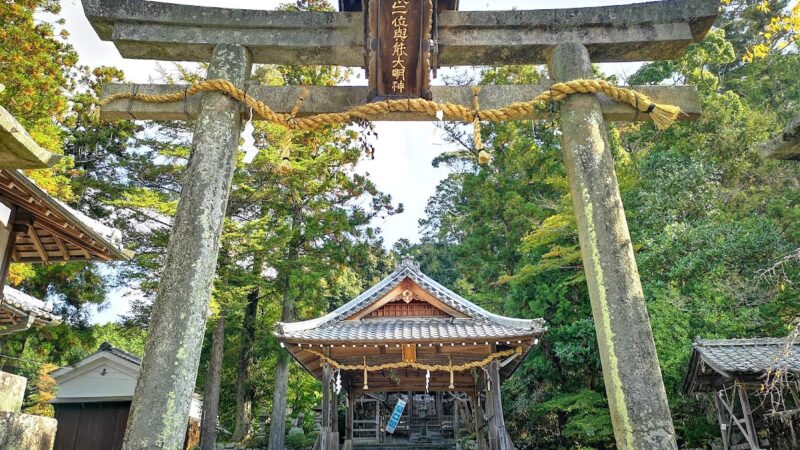
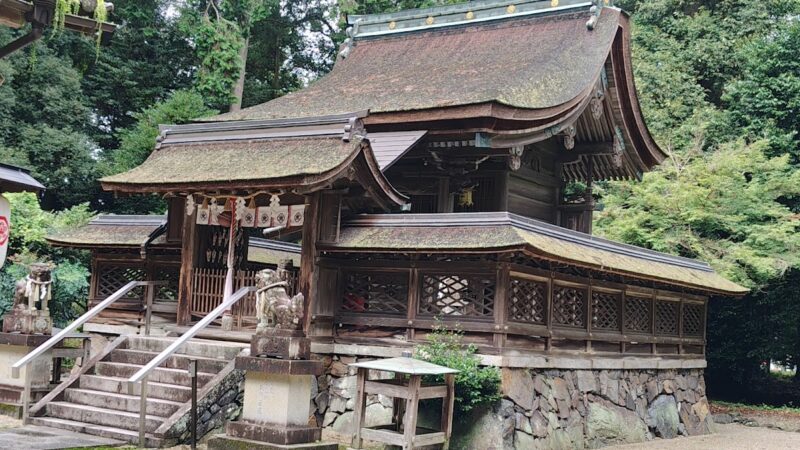
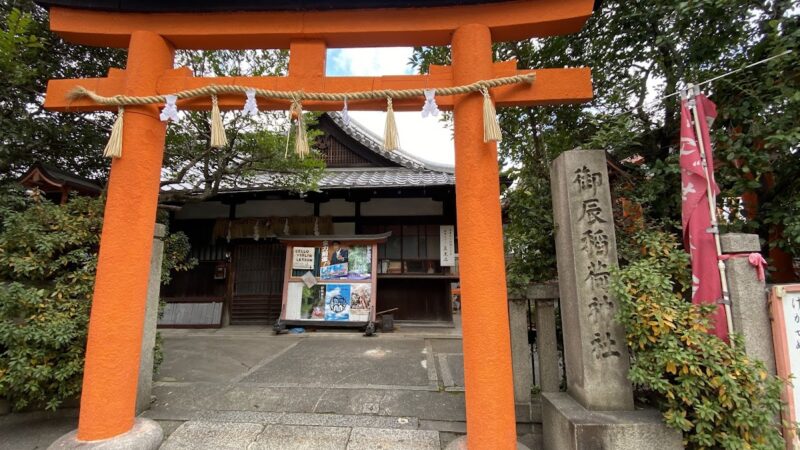
Within the grounds of Yoshida Shrine, in addition to the main shrine, there are numerous subsidiary shrines and smaller shrines, each attracting its own unique devotions.
Daigen-gu Shrine
Daigen-gu Shrine is a particularly important shrine within Yoshida Shrine, founded in 1484 by Yoshida Kanetomo. The main hall, with its unique octagonal shape, enshrines “Kyomu Daigen Sonshin” in the center, surrounded by approximately 3,132 deities from across Japan.
The philosophy of Daigen-gu Shrine is that “visiting here grants the same blessings as visiting all shrines throughout Japan,” and it symbolizes the doctrine of Yoshida Shinto as the “root of Shinto.” The current shrine building was rebuilt in 1794 and is designated as a National Important Cultural Property.
Wakamiya Shrine (Subsidiary Shrine)
Wakamiya Shrine is a subsidiary shrine dedicated to Ame-no-Oshikumone-no-Mikoto. He is a child deity of Ame-no-Koyane-no-Mikoto and is worshipped as a god of academic achievement and prosperity of descendants. As a shrine corresponding to the Wakamiya Shrine of Kasuga Taisha, it holds the second highest status after the main shrine.
Subsidiary Shrine: Shinryu Shrine
Shinryu Shrine is known as a highly sacred shrine within the grounds of Yoshida Shrine. It enshrines the dragon god who controls water and has attracted worshippers seeking rain and protection from water-related disasters. It has a deep connection to the spring water within the grounds and retains strong elements of nature worship.
Yamakage Shrine
Yamakage Shrine enshrines Fujiwara no Yamakage, the founder of Yoshida Shrine. Yamakage is also known as the god of cooking and is considered the originator of the knife ceremony. Therefore, it receives fervent devotion from chefs and those involved in the food and beverage industry, and the Yamakage Festival is held annually on May 8th.
Kaso Shrine
Kaso Shrine is famous as the only shrine in Japan dedicated to the “god of sweets.” The enshrined deities are Tajimamori-no-Mikoto and Rinjoin-no-Mikoto.
Tajimamori-no-Mikoto is a figure appearing in the Kojiki and Nihon Shoki, a legendary figure who, at the command of Emperor Suinin, traveled to Tokoyo-no-Kuni (the Land of Eternity) in search of the “Tokijiku-no-Kakunomi” (a fruit that never comes in season). This Tokijiku-no-Kakunomi is believed to be the mandarin orange (tachibana), and he is revered as the ancestral deity of fruits and sweets.
Rinjoin-no-Mikoto is a figure who came to Japan from China during the Muromachi period and is said to have introduced the method of making manju (steamed buns) to Japan. Because of his significant contributions to the development of Japanese confectionery, he is enshrined as the guardian deity of the confectionery industry.
Every year on April 29th, the Kasojinja Shrine Festival is held, attracting confectioners from all over Japan. Japanese and Western sweets are offered at the shrine, and prayers are offered for the development and improvement of the confectionery industry.
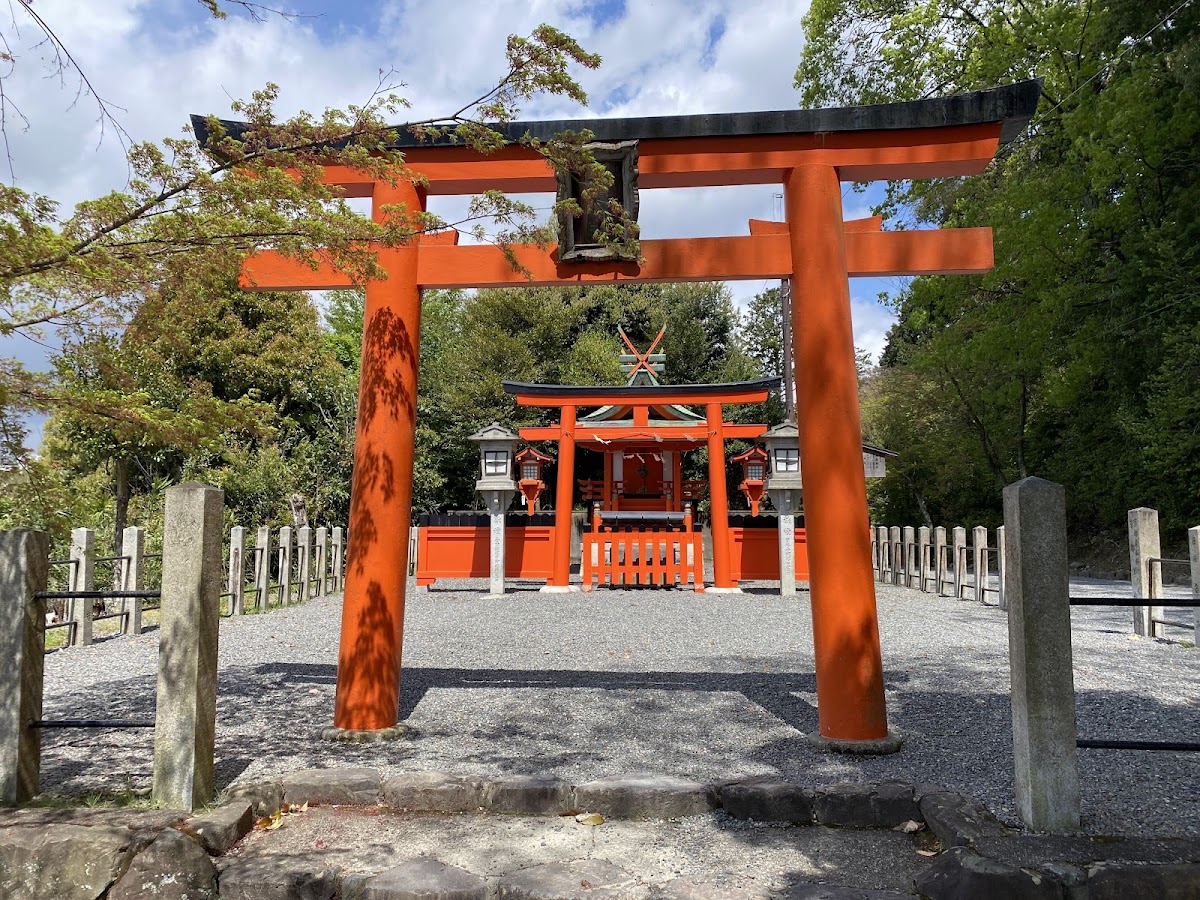
Subsidiary Shrine: Inari Shrine
The Inari Shrine within the temple grounds is worshipped as the god of business prosperity and abundant harvests. The rows of vermilion torii gates create a distinctly Kyoto atmosphere. It’s a place of worship deeply rooted in the daily lives of local shopkeepers and farmers.
Subsidiary Shrine: Tenmangu Shrine
The Tenmangu Shrine enshrines Sugawara no Michizane, the god of learning. During exam season, many students and their parents visit to pray for success. There is also a statue of a “Nade-ushi” (stroking cow) on the grounds; it is believed that stroking its head will bestow wisdom.
Subsidiary Shrine: Sansha Shrine
The Sansha Shrine enshrines three deities, each believed to offer different blessings. It has long been revered by local people as a guardian deity of the region.
Subsidiary Shrine: Imamiya Shrine
The Imamiya Shrine enshrines the god of protection against disease and longevity. Historically, special prayers were offered at this shrine during epidemics dating back to the Heian period, and even today, worshippers continue to visit to pray for good health.
Setsubun Festival: Kyoto’s Largest Exorcism Event
The Setsubun Festival at Yoshida Shrine is a representative annual event in Kyoto, continuing since the Muromachi period. Held annually from February 2nd to 4th, it attracts approximately 500,000 worshippers.
Main Events of the Setsubun Festival
February 2nd: Eve of Setsubun Festival and Plague God Festival
On the first day of the Setsubun Festival, the eve festival is held at the main shrine. In the evening, the Plague God Festival takes place, a solemn ritual to appease the plague gods who bring disease and disaster. This ritual expresses the ancient Japanese Shinto philosophy of avoiding disaster by respectfully appeasing the plague gods rather than viewing them as enemies.
February 3rd: Setsubun Day Festival and Exorcism Ceremony
The biggest highlight of Setsubun Day is the “Exorcism Ceremony” held in front of the main shrine from 6 PM. This is a recreation of the “Oni-yarai” (demon expulsion) court ceremony from the Heian period, in which a demon-exorcising god called “Housoushi,” wearing a four-eyed golden mask, drives away three demons of red, blue, and yellow.
The sight of Housoushi driving away the demons with the chant of “Demons out, fortune in!” is breathtaking, and the shrine grounds are filled with many spectators. This ritual is a winter tradition in Kyoto and is widely reported on television and in newspapers.
February 4th: Post-Setsubun Festival and Fire Hearth Festival
On the final day of the Setsubun Festival, the Fire Hearth Festival is held in the early morning. This is a Shinto ritual where old amulets, talismans, and sacred ropes brought by worshippers are burned in a huge fire pit set up on the shrine grounds.
The flames of the Fire Pit Festival reach a height of 5 meters, and it is believed that receiving a Fire Pit Festival amulet that has been burned in these flames will bring good health and protection from illness for a year. Many worshippers line up from early morning to obtain these amulets.
Lucky Beans with Raffle Tickets
During the Setsubun Festival, Yoshida Shrine distributes “Lucky Beans with Raffle Tickets.” These lucky beans come with raffle tickets, giving you a chance to win great prizes in a later raffle. These lucky beans are believed to have the power to ward off evil, and many worshippers seek them out.
Approximately 800 Stalls
During the Setsubun Festival, approximately 800 stalls line the shrine grounds and the approach to the shrine. From classic street food like takoyaki, yakisoba, and candied apples to auspicious decorations, plants, and antiques, a wide variety of stalls line the streets, creating a festive atmosphere. The number of stalls is the largest among Kyoto’s festivals, making it one of the major attractions of the Setsubun Festival.
Other Major Festivals and Annual Events
Annual Festival (April 18th)
The annual festival of Yoshida Shrine is the most important festival, held every year on April 18th. This day is considered close to the shrine’s founding date, and the most formal ceremony of the year is held here. All Shinto priests, including the chief priest, participate, and a solemn ritual is performed in the main shrine.
Yamakage Festival (May 8th)
This festival honors Fujiwara no Yamakage, the ancestral deity of cooking and food. The ceremony is held at Yamakage Shrine, and many people from the culinary industry attend. A traditional knife-cutting ceremony is also performed, showcasing the skills and traditions of Japanese cuisine.
Kasojinja Shrine Annual Festival (April 29th)
This is the most important festival for the confectionery industry, attracting confectionery manufacturers and retailers from all over Japan. Colorful Japanese and Western sweets are offered at the shrine, and prayers are offered for the development of the confectionery industry, technological advancement, and business prosperity.
Niiname-sai Festival (November 23rd)
This festival expresses gratitude for the autumn harvest, with the year’s new grain being offered to the gods. It is an important festival expressing gratitude for a bountiful harvest and praying for a good harvest the following year.
Monthly Festival
Monthly festivals are held on the 1st and 15th of each month, praying for national peace and the well-being of parishioners and worshippers. General visitors are welcome to attend.
Yoshida Shinto and its Influence on the Shinto World
Yoshida Shinto (Unique Originating Shinto) is a branch of Shinto established by Yoshida Kanetomo, a Shinto scholar of the Muromachi period. Kanetomo sought to establish Shinto, which had previously been under the influence of Buddhism and Onmyodo (Japanese esoteric cosmology), as an independent religious system.
The fundamental idea of Yoshida Shinto is that “Shinto is the root of Buddhism and Confucianism,” asserting the superiority of Shinto. This idea had a significant impact on the Shinto world at the time, and many shrines accepted the Yoshida family’s Shinto doctrine.
During the Edo period, the Yoshida family was granted authority over the Shinto world by the imperial court, gaining the power to appoint Shinto priests nationwide and to rank shrines. Many shrines learned Shinto doctrines and ritual practices from the Yoshida family, and Yoshida Shinto spread throughout the country.
However, with the Meiji Restoration, the separation of Shinto and Buddhism, and the establishment of State Shinto, Yoshida Shinto lost its privileged status. Nevertheless, Yoshida Shinto had a significant influence on Shinto thought, and is considered to have played an important role in forming the foundation of modern shrine Shinto.
Cultural Properties and Architecture
Important Cultural Properties
Yoshida Shrine possesses several important cultural properties. The most famous is the main hall of the Daigen-gu, a shrine with a unique octagonal architectural style rebuilt in 1794. This architectural style expresses the worldview of Yoshida Shinto and is a valuable example in the history of Shinto architecture.
Arrangement of Shrine Buildings
The arrangement of shrine buildings within the grounds is designed based on the principles of feng shui and yin-yang philosophy. With the main shrine at the center, each subsidiary shrine is positioned considering direction and topography, creating a single religious space throughout the entire sacred area.
Nature of Yoshida Mountain
Yoshida Mountain, where Yoshida Shrine is located, is a valuable space that retains abundant nature despite being in the city of Kyoto. Many ancient trees, hundreds of years old, grow within the grounds, allowing visitors to enjoy the changing seasons. The autumn foliage is particularly beautiful, attracting many worshippers and tourists.
Goshuin (Shrine Seals) and Offerings
Goshuin (Shrine Seals)
Yoshida Shrine offers several types of goshuin. In addition to the main shrine’s goshuin, goshuin for each of the subsidiary shrines within the grounds, such as Daigen-gu, Yamakage Shrine, and Kaso Shrine, are also available. Limited edition goshuin may be offered during special events such as the Setsubun Festival.
Amulets and Talismans
Yoshida Shrine offers a variety of amulets. These amulets offer diverse blessings, including protection from evil, good fortune, academic success, business prosperity, and matchmaking. The lucky beans offered during the Setsubun Festival are particularly popular and sought after by many worshippers.
Access and Visiting Information
Location
30 Yoshida Kaguraoka-cho, Sakyo-ku, Kyoto City, Kyoto Prefecture 606-8311
Transportation Access
Access by Train and Bus
- Approximately 20 minutes on foot from Keihan Railway’s “Demachiyanagi Station”
- Approximately 5 minutes on foot from the “Kyoto University Main Gate” bus stop
- Approximately 3 minutes on foot from the “Kyoto University Faculty of Agriculture” bus stop
Access by Private Car
There is a parking lot for visitors on the temple grounds, but the number of spaces is limited. It becomes especially crowded during festivals such as the Setsubun Festival, so we recommend using public transportation. Traffic restrictions may be in place on surrounding roads during the Setsubun Festival.
Visiting Hours
While you can generally visit the temple grounds freely, the temple office is open from approximately 9:00 AM to 5:00 PM. The issuance of Goshuin (temple stamps) and amulets is also done during these hours.
Shrine Visiting Etiquette
Please observe basic shrine visiting etiquette. Bow before passing through the torii gate, purify yourself at the water basin, and then pray. At the main hall, perform the “two bows, two claps, one bow” ritual.
Nearby Attractions
Kyoto University
Kyoto University campus is located very close to Yoshida Shrine. Enjoy a stroll while experiencing the atmosphere of this historic university.
Shinnyodo Temple (Shinsho Gokuraku-ji Temple)
Shinnyodo Temple, within walking distance of Yoshida Shrine, is a Tendai sect temple known for its beautiful autumn foliage. It is especially crowded with tourists in the fall.
Konkai Komyoji Temple
Konkai Komyoji Temple, affectionately known as “Kurotani-san,” is a head temple of the Jodo sect, located about a 15-minute walk from Yoshida Shrine. It is a historical site related to the end of the Edo period and offers many points of interest.
The Philosopher’s Path
A short walk from Yoshida Shrine will take you to the Philosopher’s Path, one of Kyoto’s most representative walking routes. This path along the Lake Biwa Canal is famous for its cherry blossoms and autumn foliage.
Summary: The Charm of Yoshida Shrine
Yoshida Shrine is a venerable shrine with a history of over 1,000 years, and a religiously important sacred site that gave rise to its own unique Shinto philosophy, Yoshida Shinto. It houses a variety of subsidiary shrines, including the main shrine dedicated to four deities invited from Kasuga Taisha, the Daigen-gu shrine which enshrines deities from all over Japan, the Yamakage Shrine dedicated to the god of cooking, and the Kaso Shrine dedicated to the god of sweets. Each shrine attracts its own unique devotion.
In particular, the Setsubun Festival held every February is known as one of Kyoto’s largest exorcism events, and traditional rituals such as the exorcism ceremony and the fire festival are still carried on today. With approximately 800 stalls lining the streets and attracting 500,000 visitors, the scene is truly a quintessential winter tradition in Kyoto.
Located within the heart of Kyoto city yet surrounded by abundant nature, the sacred grounds of Yoshida Mountain offer a precious space for peaceful worship, far removed from the hustle and bustle of the city. With its rich history, faith, natural beauty, and festivals, Yoshida Shrine is a must-visit for anyone visiting Kyoto.
Visit Yoshida Shrine to seek various blessings, such as protection from evil, good fortune, academic success, and business prosperity. The time spent purifying your heart and praying for new happiness in this sacred site with over a thousand years of history will surely become an unforgettable memory.