Complete Guide to Chiriku Hachimangu Shrine | History, Goshuin (Shrine Seals), Porridge Tasting, and Visiting Information for Hizen Province
Chiriku Hachimangu Shrine, located in Miyaki-cho, Miyaki-gun, Saga Prefecture, is an ancient shrine boasting a 1300-year history, founded in 724 AD as the Ichinomiya (first-ranked shrine) of Hizen Province. As a sub-shrine of Usa Jingu Shrine, it received deep reverence from the imperial court during the Heian period and remains one of Saga Prefecture’s leading shrines, attracting many visitors today.
This article comprehensively introduces information you should know before visiting Chiriku Hachimangu Shrine, including its detailed history, the origin of its unique pronunciation, annual events, goshuin information, and access methods.
About Chikuri Hachimangu Shrine | The Status and History of Hizen’s Ichinomiya
Basic Information and Deities
Chikuri Hachimangu Shrine is a Hachimangu shrine that enshrines three deities: Emperor Ojin, Emperor Chuai, and Empress Jingu. Its former shrine rank was a National Shrine of the Lower Rank, and it is currently designated as a Special Shrine by the Association of Shinto Shrines.
As the Ichinomiya of Hizen Province, it has been revered since ancient times as the most prestigious shrine in Hizen Province (present-day Saga and Nagasaki Prefectures). Since the Heian period, when the Ichinomiya system was established, it has played an important role as a guardian deity of the region.
The Origin of the Pronunciation of “Chikuri”
One of the most distinctive features of Chikuri Hachimangu Shrine is its unique pronunciation of “Chikuri” as “Chiriku.” An interesting legend remains regarding its origin.
According to the *Chinzei Yōryaku*, in the first year of the Jinki era (724 AD), Mibu no Harunari, the district magistrate of Yabu County in Hizen Province at the time, went hunting on Mount Chikuri. A white dove, a messenger of Hachiman Daibosatsu, flew down and landed on the tip of his bow. Harunari perceived this as a divine oracle, and upon visiting the site, he found that a thousand chestnut trees had sprouted overnight.
From this mystical event, it is believed that the name “Chiriku” originated from reversing the word “kuri” (chestnut) to “riku” and adding “sen” (thousand). Another theory suggests that the name “Chiriku” (千栗) arose from the fact that a thousand chestnut trees planted upside down took root and flourished overnight.
The Founding and History of Chikuri Hachimangu Shrine
Founded in 724 AD
The founding of Chikuri Hachimangu Shrine dates back to 724 AD, during the reign of Emperor Shomu. It is said that Mibu Harunari, the district magistrate of Yabu County in Hizen Province, received a divine oracle from Hachiman Okami and built a shrine on land where a thousand chestnut trees grew, enshrining Hachiman.
This founding date coincides with the early Nara period, a time when Hachiman worship began to spread throughout Japan. As Hachiman worship, with Usa Shrine as its head shrine, spread throughout Kyushu, Chikuri Hachimangu Shrine came to occupy an important position as the center of Hachiman worship in Hizen Province.
Status as one of the Five Extra-Shrine Hachiman Shrines
During the Heian period, Chikuri Hachimangu Shrine received special reverence from the imperial court as one of the Five Extra-Shrine Hachiman Shrines. The five Hachiman shrines outside the official list refer to the following five shrines: Oita-gu (Oita Prefecture), Chikuri Hachiman-gu (Saga Prefecture), Fujisaki Hachiman-gu (Kumamoto Prefecture), Nitta Shrine (Kagoshima Prefecture), and Kagoshima Jingu (Kagoshima Prefecture). All five were considered important as auxiliary shrines of Usa Jingu.
Due to this status, Chikuri Hachiman-gu was not merely a local shrine, but a shrine with deep ties to the imperial court, participating in national rituals. Historical documents from that time record offerings and prayers at Chikuri Hachiman-gu, attesting to its importance.
Changes from the Medieval to the Early Modern Period
During the Sengoku period (Warring States period), Chikuri Castle was built within the sacred grounds of Chikuri Hachiman-gu, becoming a battleground. During this time, the shrine buildings were repeatedly destroyed and rebuilt, experiencing difficult times. However, thanks to the patronage of local warlords and feudal lords, it was rebuilt each time.
During the Edo period, Nabeshima Naoshige, the founder of the Saga Domain, held Chikuri Hachimangu Shrine in high esteem, and in 1609 (Keicho 14), he dedicated a stone Hizen-style torii gate. This Hizen-style torii gate remains an important cultural asset on the shrine grounds today. Under the patronage of the Nabeshima family, Chikuri Hachimangu Shrine enjoyed stable management and the development of its shrine buildings.
Development in the Modern Era
With the separation of Shinto and Buddhism during the Meiji era, Chikuri Hachimangu Shrine restarted as a purely Shinto shrine. In 1871 (Meiji 4), it was elevated to the rank of a National Shrine of the Lower Rank, establishing its status as an important shrine under national management.
In 2024 (Reiwa 6), the shrine celebrated its 1300th anniversary, and various celebratory events were held. With its long history, Chikuri Hachimangu Shrine remains a center of local faith and a popular tourist spot representing Saga Prefecture.
Annual Events and Festivals of Chikuri Hachimangu Shrine
Porridge Divination Ritual | One of Japan’s Three Great Porridge Festivals
The most famous festival at Chikuri Hachimangu Shrine is the “Porridge Divination Ritual,” held annually on March 15th. Affectionately known locally as “Okaisan,” this ritual is an important traditional event and one of Japan’s three great porridge festivals.
The porridge divination ritual is a ceremony to predict the abundance or scarcity of crops and the state of society for the year, and has long served as an important guide for those engaged in agriculture. The Shinto priests examine the condition of specially cooked porridge to predict the year’s weather, crop yields, and social conditions.
On the day of the ritual, many worshippers visit, forming long lines to hear the results. This tradition has been passed down for nearly 1300 years and continues today as an event deeply rooted in the lives of the local people.
Summer Purification Festival (Ring-Passing Festival)
On August 1st, the “Summer Purification Festival” is held. Affectionately known locally as “Ring-Passing Festival,” it is a Shinto ritual where people pass through a large ring of reeds to purify themselves of the impurities accumulated over the past six months and pray for good health and protection from illness for the remaining half of the year.
By passing through the large ring of reeds set up on the shrine grounds three times in a figure-eight pattern, according to the proper procedure, it is believed that one’s mind and body are purified. This festival, held during the hot summer months, is bustling with worshippers seeking respite from the heat.
Release of Animals Ceremony and Procession of the Floating Dance
On September 15th, the grand autumn festival, “Release of Animals Ceremony,” is held. The Release of Animals Ceremony is a Buddhist-based festival that cherishes the lives of living creatures and is one of the important events in Hachiman worship.
Of particular note is the traditional “Procession of the Floating Dance,” which is performed on the Sunday closest to September 15th. Furyu is a traditional performing art from Saga Prefecture, a magnificent festival where participants parade through the streets in a procession accompanied by the beating of drums and gongs. The sight of participants in colorful costumes dancing to the rhythm of flutes and drums is breathtaking and captivates many spectators.
This Furyu procession also plays an important role in passing on the region’s traditional culture to the next generation, with local children participating to learn the techniques.
Highlights of the Shrine Grounds
Hizen Torii Gate
The most noteworthy cultural asset on the shrine grounds is the stone Hizen Torii gate, donated by Nabeshima Naoshige in 1609. The Hizen Torii is a unique style of torii gate found mainly in Saga Prefecture, characterized by its thick pillars and the absence of a base ring between the kasagi (top beam) and nuki (crossbeam).
This torii gate has a history of over 400 years and is a valuable cultural heritage that conveys the high level of stonework technology of that time. The sight of the shrine standing tall, enduring wind and rain, symbolizes the long history of Chikuri Hachimangu Shrine.
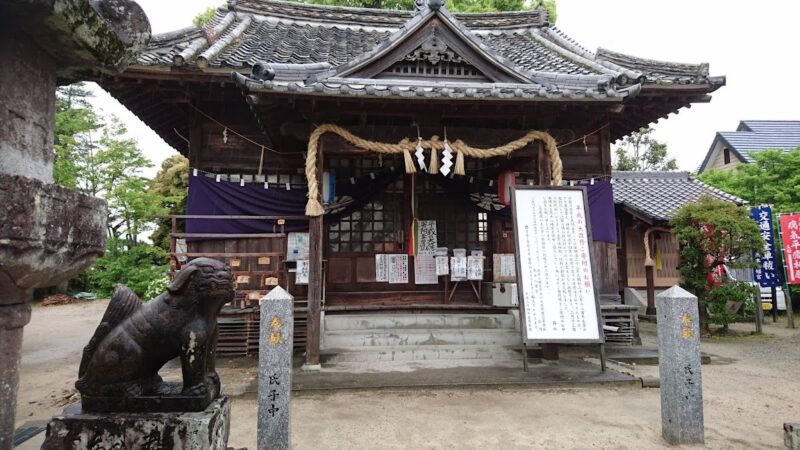
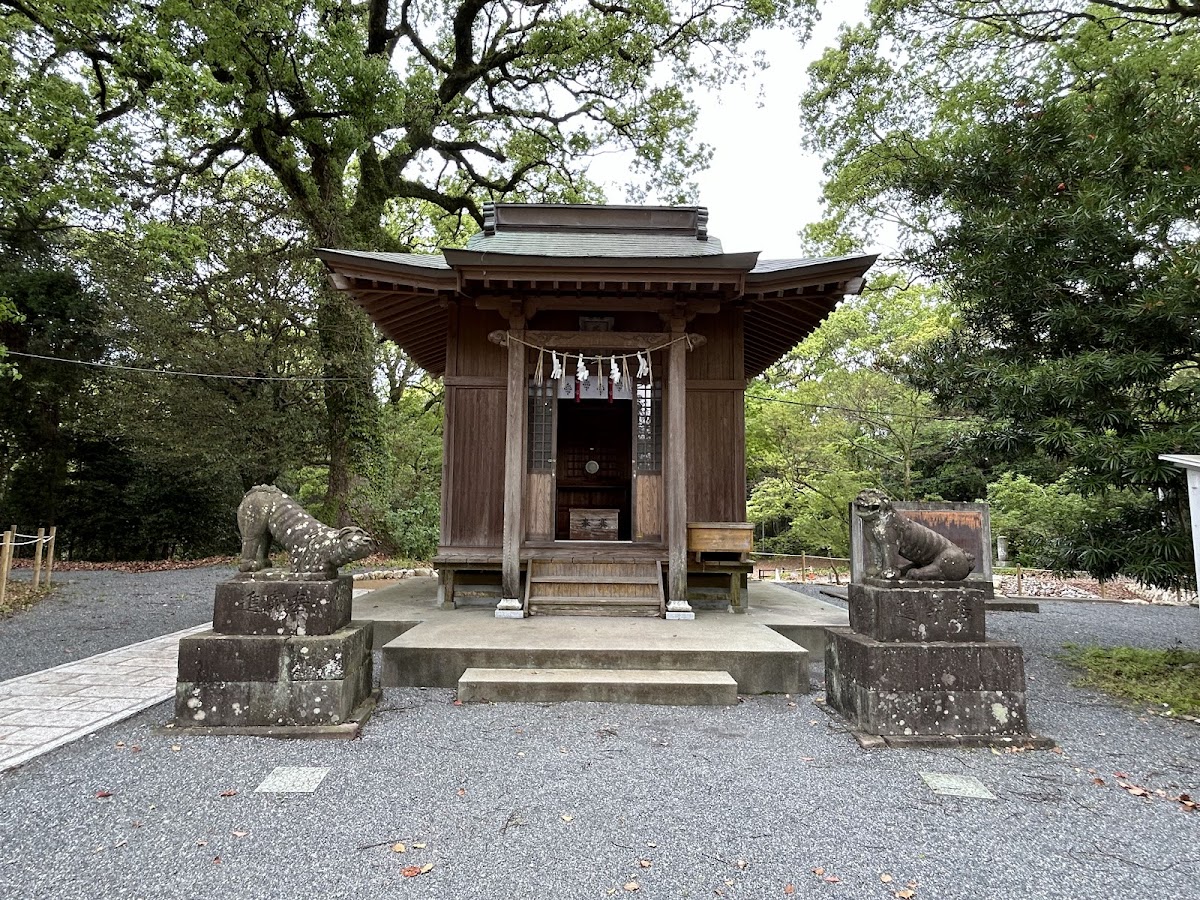
Main Hall and Worship Hall
The shrine buildings, situated on a small hill, present a beautiful appearance in harmony with the surrounding nature. The current buildings were constructed from the Edo period to the modern era, preserving the traditional style of shrine architecture.
The main hall is enveloped in a solemn atmosphere, and worshippers offer their prayers from the worship hall towards the main hall. The grounds are filled with a tranquil atmosphere, providing a space to escape the hustle and bustle of the city and find peace of mind.
Nature within the Shrine Grounds
The grounds of Chikuri Hachimangu Shrine are surrounded by abundant nature, allowing visitors to enjoy the beautiful scenery of each season. Especially during the fresh greenery of spring and the vibrant autumn foliage, many worshippers visit to admire the beauty of nature.
Ancient trees stand in the shrine’s grove, creating a majestic atmosphere that evokes a long history. It is also known as a power spot where one can feel the energy of nature simply by walking through the grounds. ## Goshuin (Shrine Seals) and Amulets
About Goshuin
At Chikuri Hachimangu Shrine, you can receive a goshuin as a memento of your visit. If you leave your goshuincho (seal book) at the shrine office, a Shinto priest will carefully write it in ink for you.
The goshuin will bear the words “Hizen Ichinomiya” and “Chikuri Hachimangu,” and the shrine’s seal will be stamped. The simple yet powerful calligraphy of the goshuin will make it a cherished memory of your visit. The offering fee for a goshuin is usually around 300 yen.
On special festival days, limited edition goshuin may be given out, so visiting during the porridge offering ceremony or the release of captive animals festival may give you a chance to receive a special goshuin.
Amulets and Souvenirs
Chikuri Hachimangu Shrine offers a variety of amulets and souvenirs. There are amulets for various wishes, such as traffic safety, family safety, academic success, and business prosperity, catering to the needs of visitors.
Particularly popular are the amulets unique to Hachiman Shrine, which offer the protection of Hachiman-sama (the god of war). Ema (votive tablets) with designs reflecting the history and traditions of Chikuri Hachiman Shrine are also popular.
Access and Visiting Information
Location and Contact Information
Address: 2403 Shirakabe, Miyaki-cho, Miyaki-gun, Saga Prefecture 849-0101
Phone: 0942-89-2351
Access by Train
Nearest Station: JR Nagasaki Main Line “Nakahara Station” or “Hizen-Asahi Station”
- Approximately 30 minutes on foot from Nakahara Station, or 5 minutes by taxi
- Approximately 40 minutes on foot from Hizen-Asahi Station, or 7 minutes by taxi
When accessing by train, taking a taxi from the station is convenient. Alternatively, you can rent a bicycle to combine your visit with sightseeing in the surrounding area.
Access by Car
Using Expressways:
- Approximately 15 minutes from the Nagasaki Expressway “Tosu IC”
- Approximately 20 minutes from the Kyushu Expressway “Kurume IC”
Using Local Roads:
- Accessible via National Route 34 and a prefectural road
- Approximately 40 minutes from Fukuoka City, approximately 30 minutes from Saga City
The temple grounds have a parking lot for visitors, which is free of charge. However, congestion is expected on days of major festivals such as the porridge-eating ceremony and the release of captive animals ceremony, so it is recommended to visit with plenty of time to spare.
Visiting Hours and Admission Fee
Visiting Hours: Grounds are freely accessible (Shrine office is usually open from 9:00 to 17:00)
Admission Fee: Free
While you can generally visit the grounds freely, if you wish to receive a Goshuin (temple stamp) or amulet, you must visit during the shrine office’s opening hours.
Nearby Tourist Attractions
Chikuri Doi Park
Chikuri Doi Park, located within walking distance of Chikuri Hachimangu Shrine, is a park developed along the Chikugo River embankment. In spring, cherry blossoms bloom profusely, making it a popular relaxation spot for locals. A leisurely stroll after visiting Chikuri Hachimangu Shrine is highly recommended.
Around the Chikugo River
Chikuri Hachimangu Shrine is situated near the Chikugo River, offering magnificent views of the river, Kyushu’s largest river. Driving or cycling along the river is also a great option.
Other Attractions in Miyaki Town
Besides Chikuri Hachimangu Shrine, Miyaki Town boasts numerous historical sites and natural spots. If you have time, exploring the town and experiencing its local culture and history will be a fascinating experience.
Points to Note When Visiting Chikuri Hachimangu Shrine
Etiquette for Visiting Shrines
When visiting Chikuri Hachimangu Shrine, please observe general shrine etiquette.
- Bow before passing through the torii gate.
- Avoid walking in the center of the path (the center is the path for the gods).
- Cleanse your hands and mouth at the purification fountain.
- At the main hall, perform the “two bows, two claps, one bow” ritual.
- Be quiet and considerate of other visitors within the shrine grounds.
Recommended Time to Visit
While Chikuri Hachimangu Shrine can be visited year-round, here are some particularly recommended times:
Around March 15th: A rare opportunity to experience the porridge tasting. You can witness one of Japan’s three major porridge festivals.
Mid-September: You can see the Hojo-e festival and the Furyu procession, experiencing traditional culture.
Spring & Autumn: The weather is pleasant, and the natural beauty of the shrine grounds is stunning. You can enjoy a leisurely visit.
Estimated Time Required
For a leisurely visit to the shrine grounds, 30 minutes to 1 hour is a good estimate. If you plan to receive a Goshuin (shrine stamp) or carefully examine the cultural artifacts on the grounds, it’s best to allow a little more time.
The Benefits and Power Spot Appeal of Chikuri Hachimangu Shrine
Main Benefits
Chikuri Hachimangu Shrine is believed to offer various benefits through the divine virtues of Hachiman-sama.
- Good Fortune and Military Success: As a Hachiman Shrine dedicated to Emperor Ojin, it attracts people praying for success in competitions and contests.
- National Peace and Family Safety: As the Ichinomiya (first-ranked shrine) of Hizen Province, it is worshipped as a deity protecting national and regional peace and family safety.
- Abundant Harvest and Business Prosperity: As exemplified by the porridge-tasting ritual, many worshippers pray for prosperity in agriculture and commerce.
- Protection from Misfortune and Good Fortune: As a shrine with a long history, it attracts people seeking protection from misfortune and improved luck.
Evaluation as a Power Spot
Chikuri Hachiman Shrine is also attracting attention as a power spot for financial luck and good fortune. As an ancient shrine with a 1300-year history, it has attracted the faith of many people over the years, and is considered a place imbued with strong spiritual energy.
In particular, the legend of the shrine’s founding, in which a thousand chestnut trees sprouted overnight, and the miraculous event of a chestnut tree planted upside down taking root, suggest that this place possesses special powers.
The tranquil atmosphere and abundant nature within the shrine grounds have a calming and refreshing effect on visitors. It is a precious space where one can escape the hustle and bustle of everyday life and have time to reflect on oneself.
Summary | The Charm of Chikuri Hachimangu Shrine
Chikuri Hachimangu Shrine, with its 1300-year history since its founding in 724 AD, is a representative and important shrine of Saga Prefecture, serving as the Ichinomiya (first-ranked shrine) of Hizen Province. As one of the five Hachiman shrines outside the 1st year of the Shikinaisha (ancient Japanese legal code), it was revered by the imperial court and remains a popular destination for many worshippers today.
It possesses unique charms not found in other shrines, such as the distinctive origin of the reading of “Chikuri” as “Chiriku,” the “Okayu-dameshi” (rice porridge festival), one of Japan’s three major rice porridge festivals, and the traditional performing art of the Gyoretsu Furyu (processional dance). One of the highlights is the cultural artifacts, including the Hizen-style torii gate donated by Nabeshima Naoshige.
Located on the border with Fukuoka Prefecture, and nestled in a naturally rich environment near the Chikugo River, Chikuri Hachimangu Shrine is a wonderful place of worship where history, culture, and nature harmonize. It is definitely a shrine worth visiting when traveling to Saga Prefecture or southern Fukuoka Prefecture.
Having celebrated its 1300th anniversary in 2024, Chikuri Hachimangu Shrine will continue to be a center of local faith and a valuable cultural heritage of Japan, protected by many people for generations to come.