Complete Guide to Chokai Gassan Ryoshogu Shrine | History, Cultural Properties, Goshuin (Shrine Seals), and Access Information
What is Chokai Gassan Ryoshogu Shrine?
Chokai Gassan Ryoshogu Shrine is a historic shrine located in Miyacho, Yamagata City, Yamagata Prefecture. It is affectionately known locally as “Omiya-sama” or “Ryosho-no-miya,” and is the origin of the name of Miyacho, a district in the northern part of Yamagata City’s old town.
It was formerly a prefectural shrine and is currently designated as a special shrine by the Association of Shinto Shrines. It is also known as “Kichiji-gu” or “Bumon Kichiji-gu,” and has been revered as a god of military fortune and abundant harvests.
The name “Ryoshogu” (meaning “two shrines”) comes from the fact that it enshrines Ukanomitama-no-mikoto, the god of Mount Chokai, and Tsukuyomi-no-mikoto, the god of Mount Gassan. Shrines that enshrine these two deities simultaneously are rare throughout Japan, making this a valuable site that conveys the history of faith in Dewa Province.
History and Origin of Chokai-Gassan Ryosho-gu Shrine
Founding by Minamoto no Yoriyoshi and the Former Nine Years’ War
The founding of Chokai-Gassan Ryosho-gu Shrine dates back to the mid-Heian period, specifically to the 6th year of Kohei (1063). According to shrine tradition, it began when Minamoto no Yoriyoshi and his son Yoshiie, who were ordered to pacify Oshu during the “Former Nine Years’ War,” prayed to the gods of Mount Chokai and Mount Gassan for victory.
Before setting out for battle, Minamoto no Yoriyoshi vowed to the Chokai-san Omokimi Shrine and Gassan Shrine in Fukiura, Akumi District (present-day Yuza Town) that “if I achieve victory in battle, I will erect a new shrine.” Having achieved a resounding victory, Yoriyoshi, in order to fulfill his promise, is said to have invited the divided spirits of both shrines to Yamagata, donated 10,000 koku of land, and founded the shrine.
This founding legend is important historical evidence demonstrating the deep connection between the Minamoto clan and Dewa Province, and the widespread influence of mountain worship among the samurai class.
Development from the Medieval to the Early Modern Period
Even after the Kamakura period, the Chokai Gassan Ryosho Shrine received fervent reverence from successive powerful figures. In particular, from the Sengoku period to the early Edo period, Mogami Yoshiaki, who ruled Dewa Province, deeply revered the shrine, and in 1591 (Tensho 19), he relocated Jojuin Temple and made it the shrine’s affiliated temple.
During the Edo period, the shrine received official land grants from the Tokugawa shogunate, establishing its position as a powerful shrine in Dewa Province. Many of the shrine buildings visible today were constructed and maintained during this period. The Zuishinmon gate and main hall, built from the mid-to-late Edo period, are masterpieces showcasing the pinnacle of architectural technology of the time and have been carefully preserved to this day.
Changes Since the Meiji Era
Due to the Meiji-era separation of Shinto and Buddhism, the temple that served as the shrine’s administrator, Jojuin, was abolished, and the shrine became an independent entity. Under the modern shrine ranking system, it was ranked as a prefectural shrine and recognized as one of Yamagata Prefecture’s leading shrines.
After World War II, it was designated as a special shrine by the Association of Shinto Shrines, and continues to serve as a center of regional faith and an important cultural heritage site for Yamagata City.
Highlights and Cultural Properties within the Shrine Grounds
Zuishinmon Gate (Prefectural Designated Tangible Cultural Property)
The Zuishinmon gate of Chokai Gassan Ryosho-gu Shrine is a valuable building designated as a Yamagata Prefecture Designated Tangible Cultural Property. It strongly retains the architectural style of the mid-Edo period, characterized by its elaborate carvings and imposing structure.
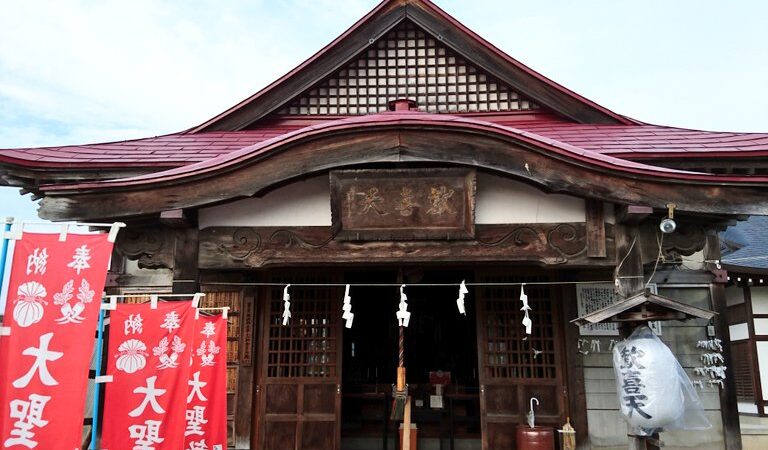
The Zuishinmon Gate is located at the main entrance of the shrine and presents a dignified appearance as the first structure welcoming visitors. On either side are enshrined guardian deities (Zuishin), serving as a barrier to prevent the intrusion of evil spirits.
The architectural style is a three-bay, single-entrance, eight-legged gate with a hipped roof covered in copper plates. The pillars and beams are adorned with intricate carvings, showcasing the advanced skills of Edo-period shrine carpenters.
Main Hall (Yamagata City Designated Tangible Cultural Property)
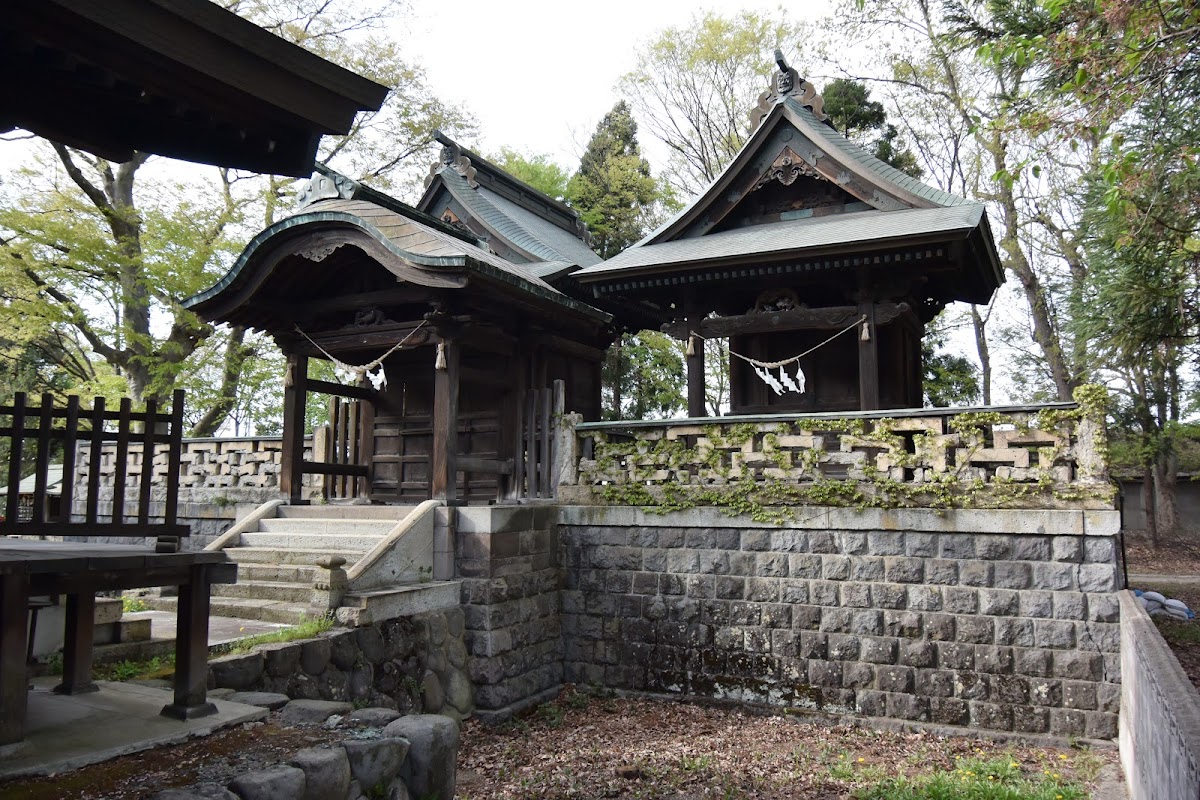
The main hall is designated as a Yamagata City Designated Tangible Cultural Property and is estimated to have been built in the late Edo period. While based on the Shinmei-zukuri style, it features a unique style incorporating decorative elements.
Inside the main hall, the deities Ukanomitama-no-Mikoto, the god of Mount Chokai, and Tsukuyomi-no-Mikoto, the god of Mount Gassan, are enshrined, maintaining a rare form nationwide where both deities are worshipped simultaneously. The building retains decorations and carvings that reflect the religious practices of the time, and its cultural value is highly regarded. ### Shirowa Shrine Main Hall (Yamagata City Designated Tangible Cultural Property)
Within the shrine grounds lies the subsidiary shrine, Shirowa Shrine, and its main hall is also a Yamagata City Designated Tangible Cultural Property. Shirowa Shrine is deeply connected to the history of ancient Dewa Province and has been worshipped as the guardian deity of the region.
The main hall is thought to have been built around the same time as the main hall, and is characterized by its small size but exquisite construction. Its harmonious placement with the main hall makes it an important element in forming the overall landscape of the shrine grounds.
Natural Environment and Spring Water within the Shrine Grounds
Chokai Gassan Ryosho-gu Shrine is located at the edge of the Mamigasaki River alluvial fan, a place blessed with abundant spring water. It is believed that this was once a place where groundwater from the Mamigasaki River, which flows beneath Yamagata Castle town, gushed forth, and the pure water has maintained the purity of the sacred area.
This spring water was also used in the “Kokutameshi” harvest divination ritual, described later, where the amount of water was considered an important indicator of the abundance or scarcity of crops. Even today, the presence of water can be felt within the shrine grounds, creating a sacred atmosphere.
About the Traditional “Kokutameshi” Ritual
Overview of the Kokutameshi Ritual
The “Kokutameshi” ritual, performed at the Chokai Gassan Ryosho Shrine, is a traditional harvest divination ritual designated as an intangible folk cultural property of Yamagata City. This ritual predicts the abundance or scarcity of crops for the year and has long been deeply intertwined with local agriculture.
The name “Kokutameshi” means “grain testing,” and as a ceremony to predict the harvest of rice and other grains in advance, it was an indispensable annual event in the lives of farmers.
Divination Method Using Spring Water
The most distinctive feature of the Kokutameshi ritual lies in its divination method using the spring water within the shrine grounds. As mentioned earlier, the Chokai Gassan Ryosho Shrine is located where groundwater from the Mamigasaki River springs forth, and changes in the volume of this spring water were used for crop divination.
The amount of groundwater flowing out is closely related to the groundwater level and rainfall, and it was believed that this indirectly reflected the growing conditions for crops. It is said that Shinto priests observed the state of the spring water and judged the year’s harvest based on its volume.
Connection to Local Agriculture
This ritual was not merely divination, but also an important milestone in the local agricultural calendar. The results of the grain divination were communicated to the villages, and farmers used them to plan planting and adjust water management.
While scientific weather forecasting has advanced in modern times, the grain divination ritual has been passed down as a traditional local culture, and it remains a valuable intangible cultural asset that conveys the history of agriculture and faith.
Deities and Blessings
Ukanomitama-no-Mikoto (God of Mt. Chokai)
Ukanomitama-no-Mikoto is a god of grain and food appearing in Japanese mythology. He has been worshipped since ancient times as the principal deity of Chokaisan Omokami Shrine, and is believed to bring blessings of abundant harvests, business prosperity, and industrial development.
The name “Ukanomitama” means “the spirit of rice fills the storehouse,” expressing gratitude for abundant harvests and food. He has been revered as one of the most important gods in Japanese society, which is based on agriculture.
Tsukuyomi-no-Mikoto (God of Mt. Gassan)
Tsukuyomi-no-Mikoto is a deified representation of the moon and the principal deity of Gassan Shrine. As the god of the moon that illuminates the night, he has been considered a god involved in calendar management, agricultural timing, and safe voyages.
Furthermore, because the phases of the moon are deeply connected to human life rhythms and the workings of the natural world, it is also believed that the shrine brings blessings of health and longevity, family safety, and good fortune.
Blessings of Chokai Gassan Ryosho-gu Shrine
At Chokai Gassan Ryosho-gu Shrine, where both deities are enshrined together, the following blessings are believed to be offered:
- Abundant Harvest and Agricultural Prosperity: Abundant harvests due to the divine virtues of Ukanomitama-no-Mikoto
- Business Prosperity and Success: Protection of all industries as the god of food
- Long-lasting Military Fortune and Good Luck in Competitions: Based on the story of Minamoto no Yoriyoshi’s prayer for victory in battle
- Family Safety and Good Fortune: Protection of all aspects of life by Tsukuyomi-no-Mikoto
- Protection from Evil and Disaster: Exorcism of evil spirits through the powerful protection of both gods
Especially as indicated by its alternative names, “Kichiji-gu” and “Bumon Kichiji-gu,” there is a strong belief that it brings good fortune and victory in competitions, and many worshippers visit to pray for success in exams and job hunting.
Goshuin and Gift Information
About Goshuin
Goshuin are available to worshippers at Chokai Gassan Ryosho-gu. The shrine office is open from 9:00 AM to 5:00 PM, and you can receive a Goshuin (shrine stamp) during these hours.
The Goshuin features the calligraphy of “Chokai Gassan Ryosho-gu” and the shrine’s seal, and is a popular memento for many visitors. The calligraphy is strong and dignified, reflecting the shrine’s history and prestige.
Original Goshuin Notebook
Chokai Gassan Ryosho-gu also offers an original design Goshuin notebook. The design features the Zuishinmon gate and scenery within the shrine grounds, making it a product that evokes the history of Yamagata.
Other Items Available
In addition to Goshuin, the shrine office also offers the following items:
- Amulets: Various types for traffic safety, academic success, business prosperity, etc.
- Talismans: For family safety, protection from evil, etc.
- Ema (votive tablets): Write your wish and offer it
- Omikuji (fortune slips): Fortune telling
All of these items are rooted in the history and traditions of the shrine and can be used as mementos of your visit or in your daily religious practice.
Access and Visiting Information
Location
Address: 3-8-41 Miyacho, Yamagata City, Yamagata Prefecture 990-0057
Phone: 023-623-0460
Access by Public Transportation
From JR Ou Main Line “Kita-Yamagata Station”:
- Approximately 10 minutes on foot
- Exit the station and head north towards Miyacho
- After passing through the residential area, you will see the Zuishinmon Gate
From Yamagata Station:
- If using the bus, take the Yamagata City Loop Bus and get off at “Miyacho,” then a 3-minute walk
- Approximately 10 minutes by taxi
Access by Car
From Yamagata Expressway “Yamagata Kita IC”:
- Approximately 15 minutes
- Take National Route 13 towards the city center
Parking:
- There is a parking lot for visitors on the temple grounds (free)
- Due to limited parking, the use of public transportation is recommended during peak seasons such as New Year’s Day.
Visiting Hours
- Shrine Grounds Visiting: 24 hours (Daytime visits recommended due to limited lighting at night)
- Shrine Office Hours: 9:00 AM – 5:00 PM
- Goshuin (Shrine Seal) Issuance: Within shrine office hours
Estimated Visiting Time
- Standard Visit: Approximately 20-30 minutes
- Thorough Viewing of Cultural Properties: Approximately 45 minutes – 1 hour
- Including Goshuin Issuance: Approximately 30-40 minutes
Nearby Tourist Attractions
Yamagata Castle Ruins (Kajo Park)
Located approximately 2km from Chokai Gassan Ryosho-gu Shrine, Yamagata Castle Ruins was a flatland castle that served as the residence of Mogami Yoshiaki. Currently, it is maintained as Kajo Park and is known as a famous cherry blossom viewing spot.
Bunshokan (Yamagata Prefectural Museum)
This former prefectural office and assembly hall, built in 1916 (Taisho 5), is designated as a National Important Cultural Property. Visitors can admire its beautiful Western-style architecture in the British Revival style.
Yamagata City Museum (Former Saiseikan Main Building)
Located within Kajo Park, this Meiji-era pseudo-Western style building is also designated as an Important Cultural Property. It serves as a museum where visitors can learn about the history of medicine.
Yamadera (Risshaku-ji Temple)
Approximately 30 minutes by car from Yamagata city center. This ancient temple, famous for Matsuo Basho’s haiku “Silence—the cicada’s cry penetrates the rocks,” is a representative tourist attraction of Yamagata Prefecture.
Annual Events of Chokai Gassan Ryosho Shrine
Main Festivals
- New Year’s Day Festival: January 1st – Prayers for the New Year
- Setsubun Festival: February (Setsubun) – Exorcism and bean-throwing
- Spring Grand Festival: April – Grand Spring Festival
- Summer Purification Ceremony: June 30th – Purification of the impurities of the past half-year
- Autumn Grand Festival: September – Grand Autumn Festival, Harvest Thanksgiving
- Shichi-Go-San Festival: November – Prayers for the growth of children
- Year-End Purification Ceremony: December 31st – Purification of the impurities of the past year
Grain Divination Ritual
The aforementioned grain divination ritual is performed at specific times as a traditional event. Efforts are being made to preserve it as a regional intangible cultural asset.
The Position of Chokai Gassan Ryosho-gu Shrine in Yamagata City
Chokai Gassan Ryosho-gu Shrine is an indispensable part of Yamagata City’s history and culture. Its role as the origin of the town name, Miyamachi, demonstrates its function as a central part of the region’s identity.
Yamagata City features this shrine as part of its “Mayor’s Pride of Yamagata,” positioning it as a representative cultural heritage site. With its founding legend attributed to Minamoto no Yoriyoshi, its group of buildings designated as prefectural and city cultural properties, and its traditional grain-slaying rituals, it possesses numerous elements of high historical and cultural value, playing a crucial role in Yamagata City’s tourism and cultural promotion.
Locally, it is affectionately known as “Omiya-sama” (the shrine), and is deeply rooted in the lives of citizens, serving as a place of worship for life’s milestones such as New Year’s visits, Shichi-Go-San (a traditional rite of passage for children), and exorcism, as well as a place of daily faith.
Points to Note When Visiting Chokai Gassan Ryosho-gu Shrine
Etiquette for Worship
- Bow before passing through the Zuishinmon Gate: A courtesy when entering the sacred area.
- Purify yourself at the water basin: Left hand → Right hand → Mouth → Left hand in that order.
- Walk along the edge of the path: The center is the path for the gods.
- Bow twice, clap twice, and bow once in front of the main hall: Basic Shinto etiquette.
- Bow once when leaving: Expressing gratitude.
Recommended Time to Visit
- Spring (April-May): Beautiful fresh greenery, and the Spring Grand Festival is held.
- Autumn (September-October): Season of autumn leaves, and harvest thanksgiving at the Autumn Grand Festival.
- Hatsumode (January 1st-3rd): Many worshippers come to pray for the New Year.
Regarding Photography
Photography is generally permitted on the shrine grounds, but please note the following:
- Refrain from taking photographs in sacred areas such as the interior of the main hall.
- Be considerate of other worshippers.
- Refrain from taking photographs during religious ceremonies or check with the shrine priests.
- Photography is permitted of the Zuishinmon gate and the scenery within the shrine grounds.
Summary
Chokai Gassan Ryosho-gu Shrine is a representative shrine of Yamagata City with a history of approximately 960 years since its founding in the Heian period. It possesses many elements of high historical and cultural value, including its founding origin as a prayer for victory by Minamoto no Yoriyoshi, a group of buildings designated as prefectural and city cultural properties, and traditional grain-making rituals.
It is a rare shrine nationwide that simultaneously enshrines the deities of Mount Chokai and Mount Gassan, two sacred mountains representative of Dewa Province, and attracts worshippers seeking various blessings such as abundant harvests, business prosperity, and long-lasting military fortune.
Its convenient access (10-minute walk from Kitayamagata Station), the availability of Goshuin (shrine stamps) at the shrine office, and its combination with nearby tourist attractions make it an easy place to visit. When you visit Yamagata City, this historical and traditional shrine is definitely worth a visit.
Affectionately known locally as “Omiya-sama,” Chokai Gassan Ryosho-gu Shrine is a precious place where you can experience Yamagata’s history and culture, and it will undoubtedly continue to be cherished and passed down through generations.