Complete Guide to Mitsuzoin Temple (Kawaguchi City) | A Famous Angyo Cherry Blossom Spot with 550 Years of History and Visiting Information
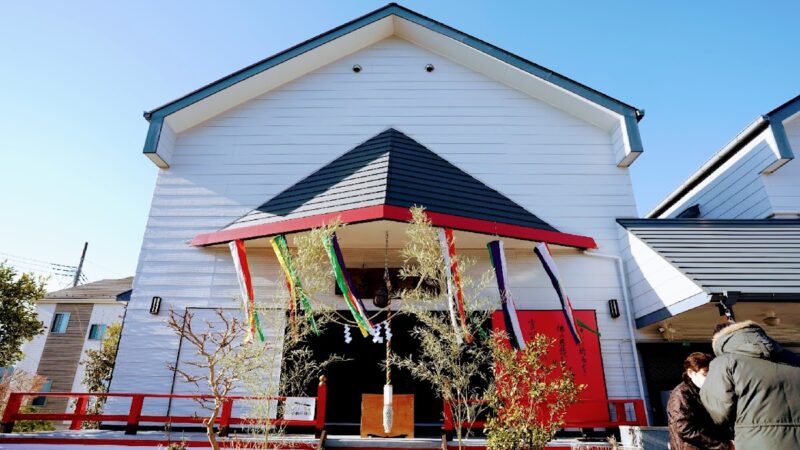
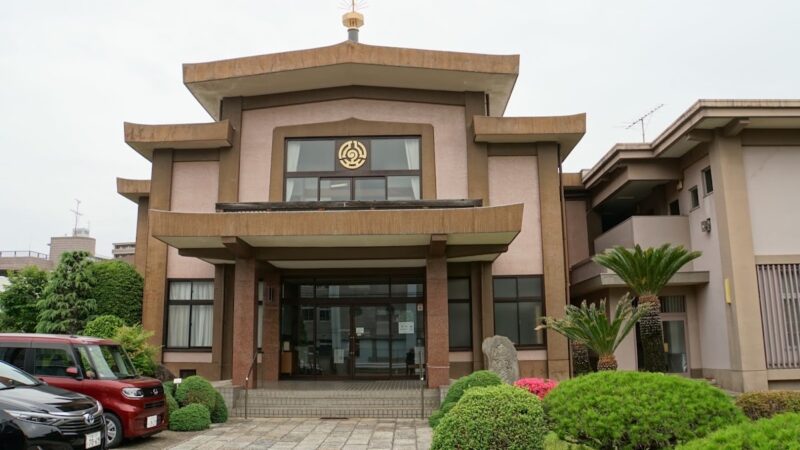
Mitsuzoin Temple, located in Angyohara, Kawaguchi City, Saitama Prefecture, is a Shingon sect Chizan school temple that was restored in 1469. Its official name is “Kaijusan Manpukuji Mitsuzoin,” and it is known as one of Kawaguchi City’s leading ancient temples, boasting a history and prestige of over 550 years. This article comprehensively introduces information useful for visiting Mitsuzoin Temple, including its history, highlights, the charm of its Angyo cherry blossoms, annual events, and access methods.
History and Prestige of Mitsuzoin Temple
An Ancient Temple with Over 500 Years of Prestige
Mitsuzoin Temple was restored in 1469 by Eikai Hoin. Its founding is thought to predate this, and it has been suggested that it may have a history dating back to the Heian period. Until the early Meiji period, it was a branch temple of Muryoju-in Temple in Daigo-ji Temple in Kyoto, possessing the same temple rank and a stipend of 11 koku (a unit of rice production).
Notably, it once oversaw 44 branch temples. It was a central temple in the region, influencing a wide area including Kawaguchi, Urawa, Soka, Koshigaya, and Omiya, demonstrating its high status.
The Principal Image and the Legend of Taira no Masakado
The principal image of Mitsuzoin Temple is a statue of Enmei Jizo Bodhisattva. This statue is said to have been created by Jikaku Daishi (Ennin) during the Fujiwara period of the Heian era, and there is a legend that it was a personal devotional image of Taira no Masakado. The historical romance of this statue, which Masakado always kept close and worshipped, being enshrined at Mitsuzoin Temple across time, attracts many visitors.
This statue of Enmei Jizo Bodhisattva, a testament to the excellent Buddhist sculpture techniques of the Heian period, is carefully preserved as a treasure of Mitsuzoin Temple.
As a Temple of the Shingon Chizan School
Mitsuzoin Temple belongs to the Shingon Chizan School. Shingon Buddhism is a sect of esoteric Buddhism founded by Kobo Daishi Kukai, and the Chizan School is a branch of it with Chishakuin Temple in Kyoto as its head temple. It has continued to uphold the teachings of esoteric Buddhism as a place of prayer and practice to this day.
Highlights of Mitsuzoin Temple
Charms of the Main Hall and Temple Grounds
The grounds of Mitsuzoin Temple are filled with the breath of nature, showcasing the beauty of each season. The well-maintained grounds provide visitors with peace and tranquility, a space that allows them to forget the hustle and bustle of the city.
In the main hall, various Buddhist statues are enshrined, centered around the Enmei Jizo Bodhisattva, allowing visitors to quietly offer their prayers. The solemn atmosphere inside the hall is characteristic of an ancient temple with a long history.
Sixteen Arhat Statues and Stone Buddha Group
Behind the main hall are sixteen Arhat statues. Arhat are disciples of Shakyamuni Buddha, saints who attained enlightenment. Each of the sixteen Arhat statues has a different expression and posture, conveying the profound teachings of Buddhism to the viewer.
Furthermore, various stone Buddha statues, including an Amida Triad and a Dainichi Nyorai statue, are enshrined within the temple grounds, each serving as an object of unique worship. Strolling through the grounds while viewing these stone Buddhas allows one to appreciate the diversity of Buddhist art.
Taira no Masakado Memorial Tower
In connection with the legend that the main deity, Enmei Jizo Bodhisattva, was Taira no Masakado’s personal devotional image, a memorial tower for Taira no Masakado has been erected on the temple grounds. Taira no Masakado was a military commander of the mid-Heian period, who left his mark on history as a figure who built his own power in the Kanto region.
This memorial tower is a valuable historical site that conveys the faith and remembrance of Masakado, making it an interesting spot for history enthusiasts.
The Sand-Stepping Pilgrimage Path
One of the distinctive features of Mitsuzoin Temple is the “Sand-Stepping Pilgrimage Path,” where sand from the 88 temples of the Shikoku Pilgrimage is embedded. It is believed that walking this path grants the same blessings as actually completing the Shikoku pilgrimage.
The Shikoku Pilgrimage is a spiritual practice visiting sacred sites associated with Kobo Daishi, but many people find it difficult to actually visit due to time and physical constraints. The Sand-Stepping Pilgrimage Path offers such people an opportunity to receive the merits of the pilgrimage, a thoughtful gesture unique to a Shingon Buddhist temple.
As a Famous Spot for Angyo Cherry Blossoms
What are Angyo Cherry Blossoms?
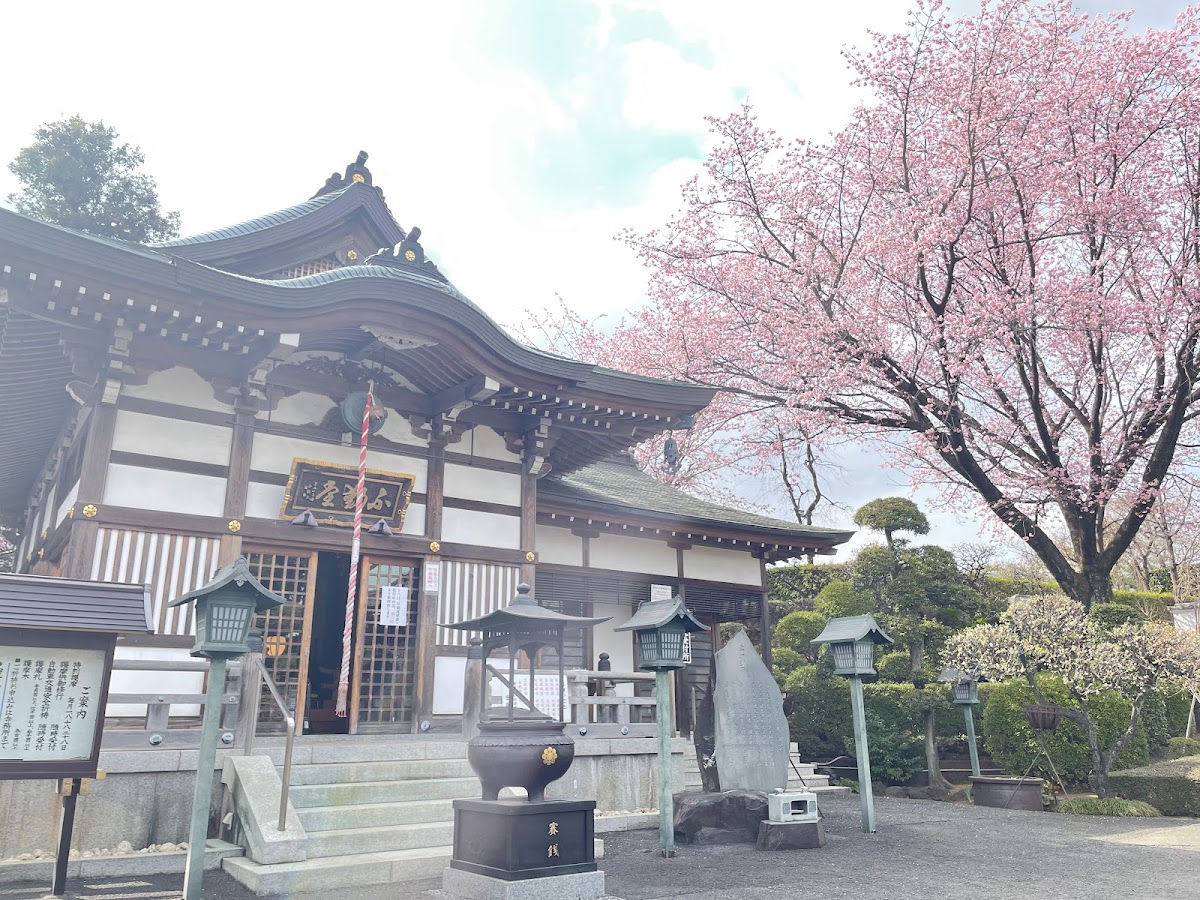
Mitsuzoin Temple is widely known as a famous spot for “Angyo cherry blossoms.” Angyo cherry blossoms are early-blooming cherry blossoms native to the Angyo region of Kawaguchi City, also known as “Okita cherry blossoms.” They bloom earlier than Somei Yoshino cherry blossoms, reaching full bloom from mid- to late March each year.
Characterized by its pale pink petals, the Angyo cherry blossom is beloved by locals as a flower that heralds the arrival of spring. The Angyo region is also known as a production area for ornamental trees and horticulture, and the Angyo cherry blossom is a symbolic representation of this.
Cherry Blossom Tunnel and Spring Visits
Angyo cherry trees are planted along the approach to Mitsuzoin Temple, creating a magnificent tunnel of blossoms when in full bloom. Walking along the path and gazing at the cherry blossoms overhead is truly a quintessential spring experience.
Coinciding with the spring equinox, the temple is bustling with many visitors during this season. It’s a precious opportunity to enjoy early cherry blossom viewing while also paying respects to ancestors and offering prayers.
Best Time to See Cherry Blossoms and Crowds
The best time to see Angyo cherry blossoms is usually from mid- to late March. While this can vary depending on the weather, they typically bloom 1-2 weeks earlier than Somei Yoshino cherry blossoms. During peak bloom, many visitors come to enjoy the blossoms, which can lead to crowded parking lots.
Mitsuzoin Temple has several parking lots, but they get especially crowded during cherry blossom and autumn foliage seasons. If possible, we recommend using public transportation or visiting on weekdays.
Beautiful in Autumn
Mitsuzoin Temple is beautiful not only during cherry blossom season but also during autumn foliage season. The way the trees in the temple grounds change color has a different charm than in spring. While the number of visitors increases during autumn foliage season, you can still enjoy the quiet atmosphere of autumn.
Annual Events and Prayers
Main Annual Events
Mitsuzoin Temple holds various Buddhist events throughout the year. During the New Year, it is bustling with visitors for their first shrine visit of the year, and prayers for the new year are offered. Special memorial services and events are held during the year-end and New Year period, welcoming the end of the year and the beginning of the new year together with Buddha.
During the equinox, memorial services for ancestors are held, attracting many parishioners and visitors. Especially during the spring equinox, which coincides with the blooming season of the Angyo cherry blossoms, it is possible to visit the temple for both cherry blossom viewing and memorial services.
In addition, events based on the Buddhist calendar, such as the Obon memorial service and various prayer services, are held regularly.
Opportunities to Familiarize Yourself with Prayer and Buddhism
Mitsuzoin Temple offers opportunities for both temple members and the general public to become familiar with Buddhism. It is easy to apply for various prayers and memorial services, and the temple functions as a place to seek spiritual support during life’s milestones and difficult times.
As a Shingon Buddhist temple, it provides a place of prayer based on the teachings of Esoteric Buddhism, continuing to transmit Buddhist wisdom and compassion even in modern society.
Perpetual Memorial Grave “Omokage no Tou”
The Choice of Perpetual Memorial Service
Mitsuzoin Temple has established the perpetual memorial grave “Omokage no Tou.” Perpetual memorial service is a type of burial site where the temple takes responsibility for providing memorial services in perpetuity. This option is chosen by those without successors or those who do not want to burden their descendants with the responsibility of maintaining the grave.
In today’s society, where the birthrate is declining and the population is aging, perpetual memorial services are gaining attention as a new form of memorial service. The perpetual memorial graves at Mitsuzoin Temple offer the reassurance of being managed by a temple with a long history and prestigious reputation.
Mitsuzoin Temple as a Cemetery
Mitsuzoin Temple is a temple cemetery, a place where many people rest. As a Shingon Buddhist temple cemetery, maintaining the principal image of worship as a parishioner is a condition of use. A caretaker is always on-site, so you can rest assured that any questions or maintenance will be handled with care.
As one of the finest cemeteries in Kawaguchi City, its appeal lies in being able to rest peacefully in a quiet place surrounded by nature.
Amulets and Goshuin (Temple Seals)
Types of Amulets
Mitsuzoin Temple offers a variety of amulets. Because the principal image of worship is Enmei Jizo Bodhisattva, amulets related to health, longevity, and recovery from illness are particularly popular. Furthermore, amulets are available for various wishes, such as traffic safety, academic success, and family safety.
Amulets are not merely souvenirs; they are important items for feeling the protection of Buddha close at hand and maintaining faith in daily life.
Receiving a Goshuin (Temple Seal)
Goshuin can be received at Mitsuzoin Temple. Goshuin are popular as proof of worship and as a record of temple and shrine visits. Mitsuzoin’s goshuin features calligraphy related to the principal image, Enmei Jizo Bodhisattva.
Collecting goshuin is not just about collecting; it’s also an opportunity to learn about the history and faith of each temple. Why not bring your goshuincho (stamp book) with you when you visit?
Access and Transportation Information
Location
Mitsuzoin Temple is located at 2008 Angyohara, Kawaguchi City, Saitama Prefecture. It is situated in the northeastern part of Kawaguchi City, in the heart of the Angyo area, surrounded by lush greenery.
Access by Public Transportation
The nearest station is Tozuka-Angyo Station on the Saitama Rapid Railway Line. From the station, you can access the temple on foot or by bus. If using the bus, the Kawaguchi City Loop Bus and other routes operate; get off at “Mitsuzoin-mae” or a nearby bus stop.
When using public transportation, it is recommended to check the latest timetables and routes in advance. Especially during cherry blossom season or on event days, it’s a good idea to allow extra time for your visit.
Access by Car
When accessing by car, the Shuto Expressway Kawaguchi Line and the Tokyo Outer Ring Expressway are convenient. The nearest interchanges are the Soka Interchange or the Kawaguchi-Nishi Interchange on the Tokyo Outer Ring Expressway.
From the interchange, take local roads to reach Mitsuzoin Temple. Entering “Mitsuzoin Kawaguchi City” or the address into your car navigation system should allow you to arrive smoothly.
Parking
Mitsuzoin Temple has multiple parking lots, and there is usually ample parking space. However, the temple can get crowded during the peak blooming season of the Angyo cherry blossoms, the autumn foliage season, and during events such as New Year’s and the equinox.
If the parking lot is full, you may have to park in a nearby temporary parking lot or a slightly more distant location. If you are visiting during a period when crowds are expected, it is advisable to arrive early or consider using public transportation.
Nearby Attractions
The Angyo area of Kawaguchi City, where Mitsuzoin Temple is located, is known as a production area for trees and horticulture. There are many nurseries and garden centers in the surrounding area, where you can enjoy plants of all seasons.
Furthermore, there are shrines and temples nearby, such as Mine Hachimangu Shrine, making it possible to enjoy temple and shrine visits. The entire Angyo area is a lush green environment, making it suitable for walks and drives.
Inquiries and Visiting Guidelines
How to Inquire
Inquiries to Mitsuzoin Temple can be made via the official website or by telephone. They handle various inquiries, including those regarding perpetual memorial graves, cemetery use, annual event schedules, and applications for prayers and memorial services.
For first-time visitors or those seeking detailed information, it’s best to inquire in advance. Especially if you are visiting as a group or wish to arrange a special service, be sure to contact us beforehand.
Etiquette for Visiting
When visiting a temple, please observe the following basic manners:
- Bow when passing through the temple gate
- Behave quietly within the temple grounds and refrain from loud conversations
- Take photographs only in designated areas (photography is often prohibited inside the main hall, etc.)
- Take your trash with you
- Smoking only in designated areas
- Be considerate of other visitors
Mitsuzoin Temple is a sacred place with a history of over 550 years. By respecting its history and dignity, and visiting with a quiet heart, you will gain a deeper spiritual experience.
An Open Temple Regardless of Sect
Mitsuzoin Temple belongs to the Shingon Chizan sect, but anyone is welcome to visit regardless of their sect. Those interested in Buddhist teachings and history, those seeking peace of mind, and those who want to enjoy nature such as cherry blossoms and autumn leaves can visit for a variety of reasons.
While the use of the cemetery requires becoming a temple parishioner, visits and tours are welcome. As an entry point to Buddhism and a local cultural asset, Mitsuzoin Temple is open to many people.
Summary
Located in Angyohara, Kawaguchi City, Saitama Prefecture, Mitsuzoin Temple is an ancient temple of the Shingon Chizan sect, restored in 1469. With over 550 years of history and prestige, it enshrines the Enmei Jizo Bodhisattva from the Fujiwara period of the Heian era as its principal image. It is a temple steeped in historical romance, with a legend that it was the personal devotional image of Taira no Masakado.
It is also widely known as a famous spot for Angyo cherry blossoms, and in spring, the tunnel of cherry blossoms covering the approach to the temple attracts many visitors. The autumn foliage season is also beautiful, allowing visitors to enjoy nature throughout the four seasons.
The temple grounds boast many points of interest, including the Sixteen Arhats statues, the memorial tower for Taira no Masakado, and a sand-treading path, as well as the “Omokage no Tou” (Tower of Memories), a perpetual memorial tomb. Various Buddhist events are held throughout the year, providing opportunities to engage in prayer and connect with Buddhism.
The nearest station is Tozuka-Angyo Station on the Saitama Rapid Railway Line. For those traveling by car, the Shuto Expressway Kawaguchi Line and Tokyo Gaikan Expressway are convenient. Parking is available, but be aware that it can get crowded during cherry blossom and autumn foliage seasons.
As a prestigious ancient temple that has influenced areas such as Kawaguchi, Urawa, Soka, Koshigaya, and Omiya, and a beloved cherry blossom viewing spot, Mitsuzoin Temple continues to welcome many visitors today. Why not visit Mitsuzoin Temple, where history, nature, and faith harmonize?