Complete Guide to Rinsenji Temple: History, Highlights, and Access Information for the Famous Temple Associated with Uesugi Kenshin
What is Rinsenji Temple?: A Famous Temple in Echigo Where Lord Uesugi Kenshin Trained
Rinsenji Temple is a Soto Zen Buddhist temple located in Nakamonzen, Joetsu City, Niigata Prefecture. Its mountain name is Kasugasan, and it is known as the family temple of the Nagao clan, the deputy governors of Echigo Province, and the Uesugi family of the Yonezawa Domain.
It is a popular tourist spot for history buffs and tourists alike, as it is where Lord Uesugi Kenshin, renowned as the strongest warlord of the Sengoku period, spent his formative years from age 7 to 14, cultivating his education and faith under the strict teachings of the renowned monk Tenshitsu Koiku.
Located at the foot of Kasugayama Castle, it is a valuable historical site that conveys the atmosphere of the Sengoku period and possesses many important cultural properties of Joetsu City.
History of Rinsenji Temple: A Family Temple Passing Down from the Nagao Clan to the Uesugi Clan
Founding History and Nagao Yoshikage
Rinsenji Temple was founded in 1497 (Meio 6). It was established by Nagao Yoshikage, the deputy governor of Echigo Province, who invited Don’ei Eio to be the founding abbot to hold a memorial service for his father, Nagao Shigekage, on the 17th anniversary of his death.
Nagao Yoshikage was the grandfather of Uesugi Kenshin and a warrior who played a key role as the de facto ruler of Echigo Province. This temple, built to commemorate his father Shigekage, subsequently developed as the family temple of the Nagao family.
The Training Period of Lord Uesugi Kenshin
When Nagao Tamekage (Kenshin’s father) died in 1536, his youngest son, Torachiyo (later Uesugi Kenshin), was entrusted to Rinsenji Temple at the age of seven. There, Torachiyo trained diligently under the strict guidance of Zen Master Tenshitsu Kōiku until he was fourteen.
Tenshitsu Kōiku was known as a renowned monk of the time, and through his education, Kenshin grew into a highly cultured and deeply religious figure, even among the warlords of the Sengoku period. He studied a wide range of subjects, including Zen teachings, Confucian philosophy, and military strategy, and it is said that the foundation for his later reputation as a “warlord of righteousness” was cultivated during this period.
History After the Uesugi Clan’s Relocation
When Uesugi Kagekatsu was transferred to Aizu in 1598, the Hori clan took control of Echigo. The Hori clan also protected Rinsenji Temple as their family temple, and later, the lords of the Takada Domain also provided strong protection. The Uesugi family also built a temple with the same name, Kasugayama Rinsenji, in Yonezawa Castle town, where they were transferred in the early Edo period. This temple also exists in Yonezawa City, Yamagata Prefecture, to this day. Both temples continue to exist today as important temples indispensable to the history of the Uesugi family.
Highlights of Rinsenji Temple: Cultural Properties and the Charm of the Temple Grounds
Main Gate (City-Designated Cultural Property)
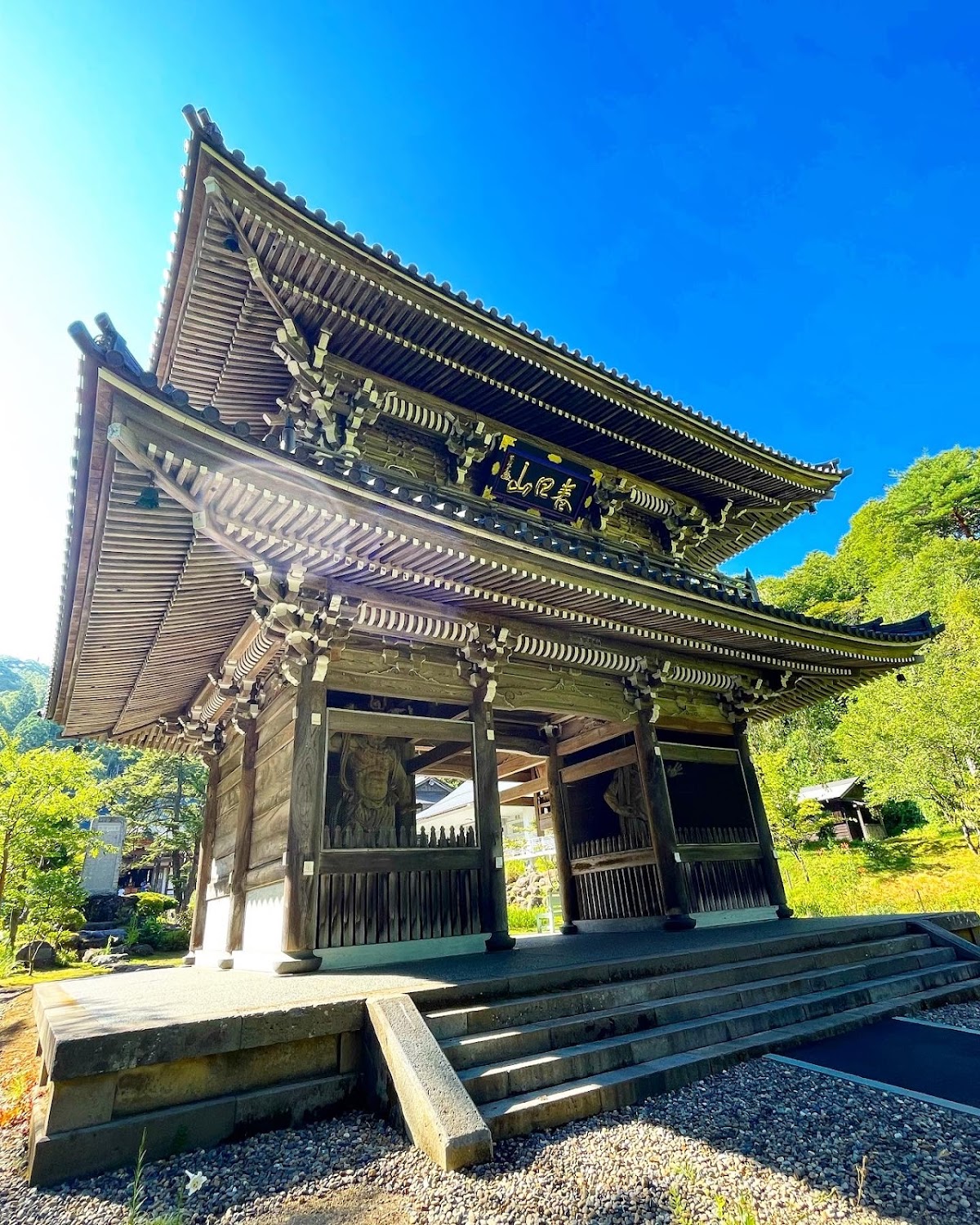
The main gate of Rinsenji Temple is a valuable structure designated as a cultural property of Joetsu City. It is said to have been relocated from Kasugayama Castle and retains the appearance of castle architecture from the Sengoku period.
The sturdy and robust main gate is an important relic that conveys the history of Kasugayama Castle, which was the residence of the Nagao clan. Passing through the gate gives you the feeling of having traveled back in time to the Sengoku period.
Temple Gate and the “Daiichigi” Plaque
The temple gate of Rinsenji Temple is known as a masterpiece built during the Taisho era. The temple’s architecture, skillfully blending Japanese and Chinese styles from the Kamakura period, is impressive for its elegant yet powerful appearance.
The plaque above the main gate, bearing the inscription “Daiichigi” (First Principle), is in the handwriting of Uesugi Kenshin (the current plaque is a replica; the original is kept in the temple’s treasure hall). “Daiichigi” signifies the highest truth in Zen teachings, demonstrating Kenshin’s deep faith and understanding of Zen.
Main Hall and Temple Grounds
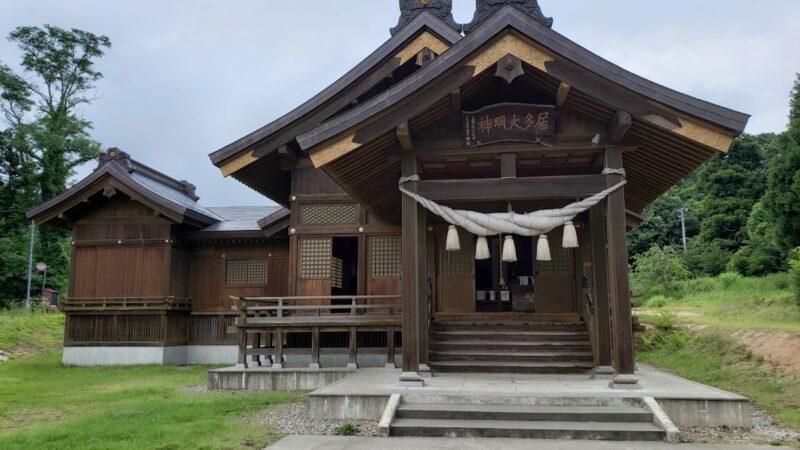
The main hall possesses a solemn presence typical of a Soto Zen temple, creating a space enveloped in tranquility. Zen meditation and Buddhist services are held within the hall, maintaining its function as a Zen training ground.
The temple grounds are blessed with the beauty of nature throughout the seasons; cherry blossoms in spring and autumn leaves in fall are stunning, soothing the hearts of visitors. The well-maintained garden exudes the serene atmosphere characteristic of a Zen temple.
Kenshin’s Tomb and the Kawanakajima Battle Memorial Tower
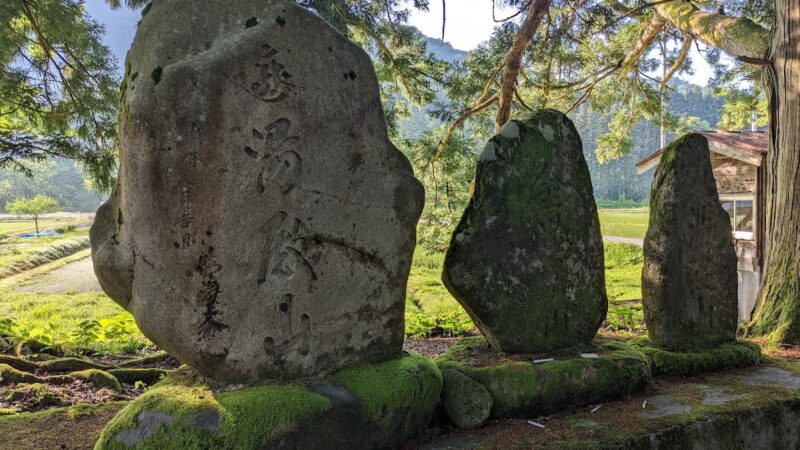
Within the temple grounds lies the tomb of Uesugi Kenshin. While there is also a tomb of Kenshin at the Uesugi family mausoleum in Yonezawa, this one, located in his birthplace of Echigo, is a memorial tower and attracts many visitors.
Furthermore, a memorial tower for those who died in the Battle of Kawanakajima has been erected. This is a valuable historical site that reflects Kenshin’s compassionate heart, commemorating soldiers from both sides who lost their lives in the five battles of Kawanakajima against Takeda Shingen, regardless of whether they were friend or foe.
Valuable Exhibits in the Treasure Hall
The treasure hall on the temple grounds displays valuable cultural artifacts related to the Nagao and Uesugi clans, including the original “Daiichigi” (First Principle) plaque handwritten by Kenshin himself. It houses Kenshin’s personal belongings, letters, and armor, offering a tangible glimpse into the history of the Sengoku period.
In particular, Kenshin’s calligraphy is attracting attention from historians as important historical documents that reveal not only his aspect as a military commander but also his cultural side.
Bell Tower and Bell
The bell tower on the temple grounds is also one of the highlights. The temple bell hanging in the beautifully shaped bell tower announces the time of day and evening, bringing peace of mind to worshippers. Many worshippers visit during the New Year’s Eve bell ringing, and it is a traditional event cherished by the community to welcome the new year.
Relationship between Rinsenji Temple and Kasugayama Castle
Rinsenji Temple is located at the foot of Kasugayama Castle, and the two are closely related. Kasugayama Castle flourished as the residence of the Nagao clan and is a famous castle that served as the base of Uesugi Kenshin.
The relationship between a castle and a family temple was a typical arrangement in the samurai society of the medieval period. Warlords built family temples near their castles to pray for the repose of their ancestors and the prosperity of their families. The legend that the main gate of Rinsenji Temple was relocated from Kasugayama Castle also demonstrates the deep connection between the two.
The Kasugayama Castle ruins are now designated as a national historic site, and visiting both Rinsenji Temple and Kasugayama Castle allows for a deeper understanding of the history of Uesugi Kenshin and the Nagao clan. From Kasugayama Castle, you can enjoy a panoramic view of Joetsu city and the Sea of Japan, making it a tourist spot where you can experience the grandeur of a Sengoku period castle.
Differences from Rinsenji Temple in Yonezawa
After the Uesugi family was transferred to Yonezawa via Aizu, they also built Kasugayama Rinsenji Temple in the castle town of Yonezawa. Both temples share the same name and are the Uesugi family’s ancestral temples, but they each have distinct characteristics.
Rinsenji Temple in Joetsu is the “place of origin” where Uesugi Kenshin spent his childhood, and it has a history dating back to its founding by the Nagao clan. As a temple that shows the historical roots of the Uesugi family in Echigo, it retains a strong sense of the Sengoku period.
Rinsenji Temple in Yonezawa is a temple built after the Uesugi family established themselves as the lords of the Yonezawa domain, and it houses the tombs of successive Uesugi lords. It possesses the prestige of a family temple of a daimyo family during the Edo period.
Visiting both temples allows you to trace the historical transition of the Uesugi family from Echigo to Yonezawa, providing a more comprehensive understanding of their history.
Annual Events and Activities at Rinsenji Temple
Rinsenji Temple holds various events throughout the year.
The Spring Grand Festival commemorates the virtues of Lord Kenshin, attracting many worshippers. Events by the local tourism association and the Joetsu Hospitality Samurai Team create a lively atmosphere.
The Obon Segaki Memorial Service is an important event for ancestor worship, bringing together parishioners and local residents.
The New Year’s Eve Bell Ringing is a New Year’s Eve tradition, allowing general worshippers to ring the bell and experience a solemn moment welcoming the new year. Furthermore, Zen meditation sessions and sutra copying sessions are held irregularly, providing opportunities to experience the teachings of Zen. It is recommended to check the latest event information on the official website before visiting.
Visiting Information: Opening Hours, Fees, and Estimated Time Required
Basic Information
- Opening Hours: 9:00 AM – 5:00 PM
- Closed Days: Open every day (except New Year’s holidays)
- Admission Fee: An admission fee to the Treasure Hall is required (approximately 500 yen for adults; please check for details)
- Estimated Time Required: 30 minutes to 1 hour for a stroll around the grounds, approximately 1 to 1.5 hours including the Treasure Hall
Notes on Visiting
Rinsenji Temple is both an active temple and a training monastery. Please observe the following points when visiting:
- Maintain silence and avoid disturbing other visitors or monks.
- Photography inside the main hall may require permission; please check in advance.
- The burial grounds are sacred; please visit with respect.
- Please dress appropriately.
General visits may be restricted during memorial services or special events; we recommend inquiring in advance.
Access: How to get to Rinsenji Temple
Location
1-1-1 Nakamonzen, Joetsu City, Niigata Prefecture 943-0811
Access by Train
- Approximately 20 minutes on foot from Echigo Tokimeki Railway Myoko Hanema Line “Kasugayama Station”
- Approximately 15 minutes by taxi from JR Shin’etsu Main Line “Naoetsu Station”
- Approximately 25 minutes by taxi from Hokuriku Shinkansen “Joetsu Myoko Station”
Since there is a continuous uphill climb from Kasugayama Station, it is recommended to allow ample time if walking.
Access by Car
- Approximately 10 minutes from Hokuriku Expressway “Joetsu IC”
- Approximately 15 minutes from Joshin’etsu Expressway “Joetsu Takada IC”
There is a free parking lot for visitors on the temple grounds (approximately 20 regular cars). During peak tourist seasons and events, the temple may be crowded, so we recommend arriving early.
Combining with Nearby Tourist Attractions
When visiting Rinsenji Temple, we recommend combining it with the following nearby tourist attractions:
- Kasugayama Castle Ruins (approx. 5-10 minutes on foot or by car): A famous castle site designated as a National Historic Site
- Kasugayama Castle Ruins Story Museum (approx. 5 minutes by car): A facility where you can learn about the history of Kasugayama Castle
- Joetsu City History Museum (approx. 15 minutes by car): A comprehensive exhibition of the history of the Joetsu region
- Takada Castle (approx. 20 minutes by car): A castle built by Matsudaira Tadateru, the sixth son of Tokugawa Ieyasu
Combining these will create a fulfilling sightseeing course that allows you to deeply understand the history of Uesugi Kenshin and Echigo.
Recommended Accommodations near Rinsenji Temple
If you want to thoroughly explore Rinsenji Temple and the Kasugayama Castle Ruins, we recommend staying in Joetsu City.
Naoetsu Area
The Naoetsu area, facing the Sea of Japan, boasts a wealth of inns and hotels where you can enjoy fresh seafood. The area around Naoetsu Station offers excellent transportation links, making it an ideal base for sightseeing.
Takada Area
Around Takada Castle, you’ll find historic hot spring inns and business hotels. Enjoy exploring Takada’s castle town in conjunction with your stay.
Joetsu Myoko Station Area
This area has seen an increase in new hotels since the opening of the Hokuriku Shinkansen. Its excellent accessibility makes it convenient for sightseeing by rental car.
For detailed information on accommodations, we recommend checking the latest information on tourism information websites such as Joetsu Tourism Navi.
Rinsenji Temple and Joetsu City Tourist Information
Joetsu City, as a place associated with Uesugi Kenshin, is full of historical charm for sightseeing. Numerous historical sites and cultural properties are scattered throughout the city, centered around Rinsenji Temple.
The “Joetsu Tourism Navi,” operated by the Joetsu City Tourism Convention Association, provides detailed information on tourist spots including Rinsenji Temple, event information, and recommended model courses. The tourist information center offers brochures in foreign languages such as English and Chinese, accommodating international tourists.
The Joetsu Hospitality Samurai Team regularly holds tours and events, offering a fun way to learn about history. The team members, dressed as figures like Uesugi Kenshin and Naoe Kanetsugu, provide hospitality at tourist spots and hold photo sessions.
Cultural Value and Modern Significance of Rinsenji Temple
Rinsenji Temple is not merely a tourist spot, but an important cultural asset that conveys Japanese history and culture.
Historical Value: As the family temple of the Nagao clan, the deputy governor of Echigo Province during the Sengoku period, and as a place where Uesugi Kenshin trained, it holds first-class historical value in the study of Sengoku period history.
Religious Value: As a training ground that transmits the teachings of Soto Zen Buddhism to the present day, it continues to play an important role. The teachings of Zen Master Tenshitsu Koiku were passed down to future generations through Kenshin as the spirit of “righteousness,” influencing the formation of Japanese ethical values. Educational Value: As a place where Lord Kenshin’s character was formed, it serves as an educational site demonstrating the importance of culture and faith. Even in modern education, Lord Kenshin’s training period at Rinsenji Temple is cited as a prime example of the importance of environment and education in character development.
Tourism Resource Value: As an important tourist resource for Joetsu City, it contributes to the local economy and serves as a hub for disseminating history and culture.
Recommended Ways to Enjoy Rinsenji Temple
Here are some tips for enjoying Rinsenji Temple to the fullest.
Deepen Your Understanding with Prior Study
Gaining basic knowledge about the history of Lord Uesugi Kenshin and the Nagao clan before your visit will allow you to experience a deeper sense of awe at various points within the temple grounds. Studying the NHK Taiga drama “Ten to Chi to” or history books beforehand is recommended.
Enjoy the Scenery of the Four Seasons
From cherry blossoms in spring, fresh greenery in summer, autumn leaves, to snowscapes in winter, Rinsenji Temple displays different expressions in each of the four seasons. The temple is especially beautiful during the autumn foliage season, attracting many photography enthusiasts.
Take a leisurely stroll through the temple grounds
Instead of rushing through, taking your time to stroll through the grounds allows you to experience the tranquil atmosphere unique to a Zen temple. Spending a moment of meditation in the place where Kenshin trained is also recommended.
Obtain a Goshuin (temple stamp)
You can obtain a Goshuin at the temple office. Bringing a Goshuincho (stamp book) is a good idea as a memento of your visit and as part of the enjoyment of visiting temples.
Combining with surrounding facilities
Visiting Rinsenji Temple in combination with the Kasugayama Castle ruins and related facilities will give you a more comprehensive understanding of the life of Uesugi Kenshin. A full-day course is recommended.
Summary: Rinsenji Temple is a sacred place to learn about the origins of Uesugi Kenshin
Rinsenji Temple is where Uesugi Kenshin, the strongest warlord of the Sengoku period, trained from the age of 7 to 14, cultivating his education as a warrior and his spirit of “justice.” Established in 1497 by Nagao Yoshikage, Rinsenji Temple has a history spanning over 500 years as the family temple of the Nagao and Uesugi clans.
The temple grounds contain numerous valuable cultural artifacts that convey the atmosphere of the Sengoku period, including the main gate said to have been relocated from Kasugayama Castle, the temple gate bearing the “Daiichigi” (First Principle) plaque in the handwriting of Kenshin Uesugi, Kenshin’s tomb, and a memorial tower for the Battle of Kawanakajima.
Currently, while functioning as a training ground for the Soto Zen sect, it also welcomes many visitors as a representative tourist spot in Joetsu City. Visiting it in conjunction with the Kasugayama Castle ruins will allow you to gain a deeper understanding of Uesugi Kenshin and the history of Echigo Province.
When visiting Joetsu City in Niigata Prefecture, be sure to visit Rinsenji Temple and reflect on the Sengoku period in the tranquil space where Kenshin Uesugi trained.