Complete Guide to Shiramine-ji Temple | History, Grounds, and Visiting Information for the 81st Temple of the Shikoku 88 Temple Pilgrimage
About Shiramine-ji Temple
Shiramine-ji Temple is a Shingon sect Omuro school temple located in Goshikidai, Aomi-cho, Sakaide City, Kagawa Prefecture. Its mountain name is Ryōshōzan, and its temple name is Dōrin-in. As the 81st temple of the Shikoku 88 Temple Pilgrimage, it is a special head temple visited by many pilgrims and worshippers.
Located on the slopes of Mt. Shiramine (271 meters above sea level), this temple is said to have been founded by the two great masters, Kūkai and Enchin. Its principal image is the Thousand-Armed Kannon Bodhisattva, and it has long been revered as a sacred mountain.
Geographical Characteristics of Shiramine-ji Temple
Shiramine-ji Temple is located on Goshikidai, a plateau-like mountainous area facing the Seto Inland Sea. Its name comes from the five peaks of Shiramine-san, Beni-mine, Ki-mine, Ao-mine, and Kuro-mine. This area is designated as part of the Seto Inland Sea National Park and is blessed with a rich natural environment. From the temple grounds, one can enjoy panoramic views of the islands of the Seto Inland Sea and appreciate the beautiful scenery of each season.
History and Origins of Shiramine-ji Temple
Founding and the Founding by the Two Great Masters
The founding of Shiramine-ji Temple is described in detail in the “Shiramine-ji Temple Origins.” It is said to have begun in 815 AD (Kōnin 6), when Kōbō Daishi Kūkai buried a wish-granting jewel in Shiramine-san and dug an Akai (sacred well). Later, in 860 (Jōgan 2), Chishō Daishi Enchin, the founder of the Tendai sect, constructed the temple buildings, giving it the appearance of a proper temple.
Thus, as a temple associated with the founders of both the Shingon and Tendai sects, Shiramine-ji Temple has a unique historical background. Although it currently belongs to the Omuro branch of the Shingon sect, this origin, founded by these two great masters, is an important characteristic of the temple.
Deep Connection with Emperor Sutoku
An essential aspect of discussing Shiramine-ji Temple is its relationship with Emperor Sutoku. After his defeat in the Hōgen Rebellion (1156), Emperor Sutoku was exiled to Sanuki Province and died there in 1164 (Chōkan 2). His remains were buried on Mount Shiramine, and his mausoleum was built near Shiramine-ji Temple.
This event gave Shiramine-ji Temple historical significance as a place associated with Emperor Sutoku. Records of Saigyo Hoshi’s visit to the Emperor’s mausoleum also remain, making this a crucial location for understanding the local history of Ayakita.
Construction of Tonshoji-den
To commemorate Emperor Sutoku, Tonshoji-den was built at Shiramine-ji Temple. This building serves as a mausoleum for the Emperor and is one of the temple’s important facilities. The existence of Tonshoji-den gave Shiramine-ji Temple not only the characteristics of a pilgrimage site but also those of a temple with ties to the Imperial family.
Development in the Early Modern Period
During the Edo period, Shiramine-ji Temple developed significantly under the patronage of the Matsudaira family, the lords of the Takamatsu Domain. Donations and repairs by the Takamatsu lords led to the development of the temple complex. In particular, the main hall and Daishi-do hall, built from the early to late Edo period, still form the core of the temple grounds today, showcasing the pinnacle of architectural technology of that time.
Guide to Shiramine-ji Temple Grounds
Main Hall (Important Cultural Property)
The main hall of Shiramine-ji Temple is a valuable building designated as a National Important Cultural Property. Built during the Edo period, this building houses the principal image, the Thousand-Armed Kannon Bodhisattva. The interior is enveloped in a solemn atmosphere, allowing worshippers to quietly offer their prayers.
The architectural style of the main hall exhibits typical characteristics of Shingon Buddhist temples, and is extremely elaborate in both its decoration and structure. In particular, the high skill of the craftsmen of the time can be seen in the details of the carvings.
Daishi-do Hall
The Daishi-do Hall is a hall dedicated to Kobo Daishi Kukai and is an important place of worship on the Shikoku Pilgrimage. Pilgrims are expected to visit both the main hall and the Daishi-do Hall, where they chant sutras and offer prayers. The Daishi-do Hall is also an Edo period building and, like the main hall, possesses high architectural value.
Eleven-Faced Kannon Hall
Within the temple grounds is a Kannon Hall dedicated to the Eleven-Faced Kannon, attracting many worshippers. This hall is built separately from the main hall, demonstrating the deep devotion to Kannon.
Shiramine Daigongen and Sagami-bo
Shiramine-ji Temple enshrines Shiramine Daigongen and Sagami-bo. Sagami-bo is known as a Tengu (a mythical creature) and is worshipped as a protector of Emperor Sutoku. This unique form of worship is one of Shiramine-ji Temple’s distinctive features, attracting many visitors.
Shiramine Imperial Mausoleum
Adjacent to Shiramine-ji Temple is the Shiramine Imperial Mausoleum, the mausoleum of Emperor Sutoku. Managed by the Imperial Household Agency, this mausoleum is enveloped in a tranquil atmosphere, conveying a sense of historical weight. The mausoleum is accessible on foot from Shiramine-ji Temple, and many worshippers visit to remember the Emperor.
Imperial Gate
Built by the Matsudaira family, lords of the Takamatsu domain, the Imperial Gate is an extremely elaborate structure in both its decoration and construction. This gate symbolizes the high status of Shiramine-ji Temple and is an important scenic element within the temple grounds.
Shikoku Pilgrimage and Shiramine-ji Temple
Position as the 81st Temple
Shiramine-ji Temple holds an important position on the Shikoku Pilgrimage as the 81st temple of the Shikoku 88 Temple Pilgrimage. The temples before and after it are Kokubun-ji Temple (80th temple) and Negoro-ji Temple (82nd temple), and it is part of a group of temples located on Goshikidai.
Pilgrimage Route and Pilgrimage Route
Traditionally, the pilgrimage route from Kokubun-ji Temple to Shiramine-ji Temple involves climbing a mountain path. While a road has been built for vehicles, a pilgrimage route for walking pilgrims is also maintained, allowing visitors to experience the atmosphere of the past.
From Shiramine-ji Temple to the next temple, Negoro-ji Temple, the route follows the ridge of Goshikidai, allowing you to enjoy views of the Seto Inland Sea as you walk.
Sutra Copying and Goshuin (Temple Seal)
Shiramine-ji Temple provides visitors with a goshuin (temple seal) in their sutra copying book. The goshuin features the characters for “Senju Kannon” (Thousand-Armed Kannon) and the temple’s seal, and is cherished as proof of pilgrimage. The sutra copying office is open from 7:00 AM to 5:00 PM.
Annual Events at Shiramine-ji Temple
New Year’s Grand Goma Ritual
At Shiramine-ji Temple, the New Year’s Grand Goma Ritual is solemnly held. This ritual prays for good health and safety for the family throughout the year, attracting many visitors. The sight of the rising flames of the goma is magnificent, making it a fitting event for offering prayers for the new year.
Setsubun Festival
On Setsubun in February, the Setsubun Festival is held. Through traditional events such as bean-throwing ceremonies, prayers are offered to ward off evil spirits and invite good fortune. Many local people participate, creating a lively atmosphere.
Spring and Autumn Grand Festivals
Grand festivals are held in spring and autumn. During these festivals, offerings are made to the main deity and other Buddhas, and prayers are offered for the fulfillment of worshippers’ wishes. The autumn festival, in particular, coincides with the autumn foliage season, allowing visitors to experience a solemn ceremony in the beautiful temple grounds.
Winter Solstice Blessing Ceremony
A special blessing ceremony is held on the winter solstice. On this day with the shortest daylight hours of the year, the ceremony is held with the meaning of praying for an increase in new light, and prayers are offered for the health and happiness of worshippers.
Other Events
In addition to these major events, Shiramine-ji Temple holds various religious events throughout the year, including monthly goma (fire ritual) ceremonies and special prayer ceremonies. These events are announced on the temple’s website and bulletin boards.
Cultural Properties and Treasures
Nationally Designated Important Cultural Properties
Shiramine-ji Temple houses several buildings designated as Nationally Important Cultural Properties. The Edo period architecture, including the main hall, is a valuable cultural heritage that conveys the architectural techniques and deep faith of the time.
Temple Treasures and Treasure Hall
Shiramine-ji Temple possesses many temple treasures accumulated over its long history. Various cultural properties, including Buddhist statues, Buddhist paintings, and ancient documents, are preserved, some of which are on display in the Treasure Hall. These treasures are important materials that tell the story of Shiramine-ji Temple’s history and the depth of its faith.
Visiting Information and Access
Visiting Hours and Sutra Copying Hours
The grounds of Shiramine-ji Temple are open for worship from 7:00 AM to 5:00 PM. The sutra copying office is also open during these hours, where you can receive a temple stamp and purchase worship supplies.
Access
Access by Car
- Approximately 20 minutes by car from JR Sakaide Station
- Approximately 25 minutes from Sakaide Interchange on the Takamatsu Expressway
- Parking available (free)
Access by Public Transportation
- Taking a taxi from JR Sakaide Station is convenient
- Bus services are limited, so please check in advance.
For Pilgrimage on Foot
- Approximately 7 km from Temple No. 80, Kokubunji, about 2 hours on foot
- Approximately 4 km from Temple No. 82, Negoro-ji, about 1 hour on foot
Parking and Facilities
The temple grounds have a parking lot for visitors, which is free of charge. Toilets and rest areas are also available, providing a comfortable environment for worship.
Admission Fee
Entry to the temple grounds is free. The fee for receiving a temple stamp (Goshuin) is 300 yen. There may be an additional fee for viewing the treasure hall.
Highlights and Charms of Shiramine-ji Temple
Natural Beauty in Every Season
One of the greatest charms of Shiramine-ji Temple is the beauty of nature in every season. Cherry blossoms bloom in spring, and lush greenery envelops the temple grounds in summer. The autumn foliage is particularly magnificent, attracting many tourists. In winter, the snow-covered grounds create a magical atmosphere.
Views of the Seto Inland Sea
Located in the mountains at an altitude of 271 meters, Shiramine-ji Temple offers panoramic views of the islands of the Seto Inland Sea. On clear days, you can even see the Seto Ohashi Bridge and the mountain ranges of Shikoku, a view that continues to captivate visitors.
A Space for Serene Prayer
Nestled in the mountains, Shiramine-ji Temple is in a tranquil environment far removed from the hustle and bustle of the city. In the temple grounds, where only the chirping of birds and the sound of the wind can be heard, you can offer your prayers in peace. This tranquility provides a precious and peaceful experience for many visitors.
Facility Use
Visiting the Treasure Hall
At Shiramine-ji Temple’s Treasure Hall, you can view valuable cultural artifacts passed down through the temple. If you wish to visit, we recommend contacting the temple office in advance. Visiting hours and fees may change depending on the season and events.
Use of Tea Ceremony Facilities
The temple grounds are equipped with facilities for tea ceremonies. These can be used for tea ceremonies and training sessions, but prior application and permission are required. Please contact the temple office for details.
Photography
While personal photography for commemorative purposes is permitted within the grounds and surrounding areas of Shiramine-ji Temple, commercial photography and media coverage require prior submission of a project proposal and application for permission.
Online Services
Online Amulet Distribution
Shiramine-ji Temple offers an online amulet distribution service to meet modern needs. For those who cannot visit in person due to distance, or those who wish to receive another amulet, an official online store has been established.
You can purchase various amulets, talismans, pilgrimage supplies, and commemorative items, making it possible to receive amulets from Shiramine-ji Temple from anywhere in Japan.
Online Prayer and Memorial Service Application
For those who cannot visit in person, we also accept applications for prayers and memorial services online. You can request various services, including prayers and ancestral memorial services. Please check the official website for application methods and fees.
Shiramine-san Newsletter
Shiramine-ji Temple regularly publishes an information magazine called “Shiramine-san Newsletter.” This booklet introduces temple events, Buddhist teachings, and the seasonal scenery of the temple grounds, allowing you to deepen your connection with Shiramine-ji Temple.
Nearby Attractions
Nature of Goshikidai
Goshikidai, where Shiramine-ji Temple is located, is a naturally rich area designated as part of the Seto Inland Sea National Park. Hiking trails are well-maintained, allowing visitors to enjoy nature walks.
Negoro-ji Temple (Temple No. 82)
Negoro-ji Temple, located approximately 4km from Shiramine-ji Temple, is a popular destination for pilgrims as the next temple on the pilgrimage. The pilgrimage route along the ridge of Goshikidai offers magnificent scenery and is a popular route.
Tourist Attractions in Sakaide City
Sakaide City, where Shiramine-ji Temple is located, boasts many other tourist attractions, including the Seto Ohashi Bridge and Kamakura period ruins. We recommend combining your visit to Shiramine-ji Temple with sightseeing in Sakaide City.
Manners and Etiquette for Visiting a Temple
Basic Visiting Etiquette
When visiting Shiramine-ji Temple, please observe the following basic etiquette:
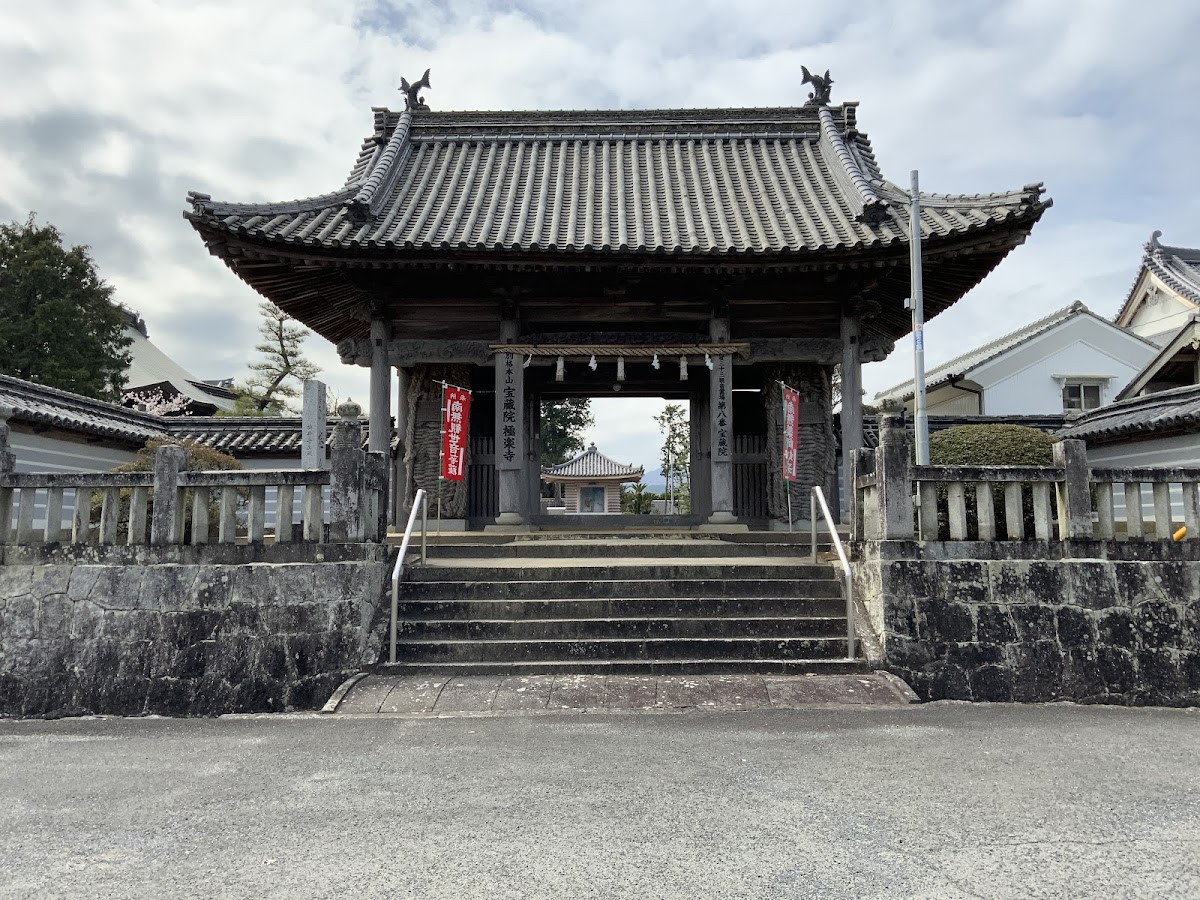
- Bow at the main gate before entering the temple grounds.
- Cleanse your hands and mouth at the water basin.
- Pay your respects to the main deity in the main hall.
- Pay your respects to Kobo Daishi in the Daishi Hall.
- Receive your temple stamp at the sutra copying office.
- Bow when leaving the main gate.
Regarding Attire
While there are no strict dress code regulations, it is desirable to dress appropriately for a sacred place. Avoid revealing or flashy clothing, and aim for clean and understated attire.
Precautions within the Temple Grounds
- Please refrain from loud conversations.
- Smoking and eating are prohibited outside of designated areas.
- Pets are generally not allowed.
- Please take all your trash with you.
- Please do not touch the buildings or Buddha statues.
Future Prospects of Shiramine-ji Temple
Shiramine-ji Temple continues to strive to meet modern needs while preserving tradition. Through the enhancement of online services and strengthening of information dissemination, the temple aims to convey its charm to a wider audience.
At the same time, efforts are being made to preserve the buildings, which are designated as important cultural properties, and to maintain the temple grounds, ensuring that this valuable cultural heritage is passed on to future generations.
Summary
Shiramine-ji Temple, as the 81st temple of the Shikoku 88 Temple Pilgrimage and a place associated with Emperor Sutoku, is a temple with a deep history and faith. Its history is layered, encompassing its founding by Kobo Daishi and Chisho Daishi, its connection to Emperor Sutoku, and its development under the patronage of the Takamatsu Domain.
Located on Goshikidai Hill at an altitude of 271 meters, the temple grounds offer stunning views of the Seto Inland Sea and the beauty of nature throughout the seasons, providing peace of mind to visitors. The buildings, designated as Important Cultural Properties, showcase the finest Edo period architectural techniques.
As a pilgrimage site on the Shikoku Pilgrimage and a historical sacred place, Shiramine-ji Temple continues to attract the faith of many. While preserving tradition, Shiramine-ji Temple also offers modern services, and will undoubtedly continue to welcome many visitors and serve as a spiritual haven.
When visiting Kagawa Prefecture, be sure to visit Shiramine-ji Temple and experience its history, nature, and tranquil space for prayer.