Complete Guide to Iinoya Shrine | History and Visiting Information for the Fifteen Shrines of the Kenmu Restoration, Dedicated to Prince Munenaga
What is Iinoya Shrine?
Iinoya Shrine is a Shinto shrine located in Iinoya, Inasa-cho, Hamana-ku, Hamamatsu City, Shizuoka Prefecture. It was formerly a Kanpei Chusha (a shrine of the second rank of the government) and is known as one of the fifteen shrines of the Kenmu Restoration. Founded in 1872 (Meiji 5), it enshrines Prince Munenaga, the fourth son of Emperor Go-Daigo.
The place name Iinoya is famous as the birthplace of the Ii family and gained attention as the setting for the NHK Taiga drama “Onna Jōshu Naotora” (The Lady Warlord Naotora). Located in a naturally rich environment along the Jingūji River, it is an important historical site that, along with the adjacent Ryōtanji Temple, conveys the history and culture of Iinoya to the present day.
A Historic Shrine with Imperial Family Connections
Iinoya Shrine has deep ties to the Imperial Family. The enshrined deity, Prince Munenaga, was a son of Emperor Go-Daigo and played a central role in the Southern Court during the Nanboku-cho period (Northern and Southern Courts period). Since the Meiji Restoration, many shrines have been established to enshrine figures from the Southern Court who contributed to the Kenmu Restoration, and Iinoya Shrine is one of them, playing an important role in conveying the history of the Imperial Family to the present day.
About the Enshrined Deity, Prince Munenaga
The Life and Achievements of Prince Munenaga
Prince Munenaga was born as the fourth son of Emperor Go-Daigo and was a member of the Imperial Family who dedicated himself to the court during the turbulent Nanboku-cho period. The prince was not merely a member of the Imperial Family; he was also known as an excellent poet and left behind significant cultural achievements, including his involvement in the compilation of the *Shin’yō Wakashū* (New Collection of Japanese Poetry).
Amidst the social climate of the time, Prince Munenaga worked to expand the influence of the Southern Court from his base in Tōtōmi Province (present-day western Shizuoka Prefecture). Iinoya is a historical site where the prince stayed for a period and led the local samurai in battle against the Northern Court.
As the God of Learning and Waka Poetry
Prince Munenaga excelled in academics, particularly in waka poetry. His poetic talent was highly regarded by poets of his time, and he left behind many excellent waka poems. He is also known for his long life, having lived to the age of 94.
Due to these achievements, Iinoya Shrine is revered as a shrine that grants blessings for academic success, fulfillment of wishes, good fortune, and longevity. Especially during exam season, many worshippers visit to pray for success.
History of Iinoya Shrine
Founding History
Iinoya Shrine was founded in 1872 (Meiji 5). After the Meiji Restoration, the Meiji government, as part of its policy to honor those who contributed to the Kenmu Restoration, promoted the establishment of shrines dedicated to figures who played an active role on the Southern Court’s side. Because Prince Munenaga had deep ties to the Iinoya area, a shrine dedicated to him was built here.
From its inception, it held the high rank of Kanpei Chusha (a shrine of the second rank of the government), and was positioned as an important shrine where national rituals were performed.
Positioning as one of the Fifteen Shrines of the Kenmu Restoration
The Fifteen Shrines of the Kenmu Restoration are a collective term for 15 shrines dedicated to the meritorious retainers of the Southern Court who contributed to the Kenmu Restoration. Iinoya Shrine is one of these shrines, and along with Yoshino Shrine (Nara Prefecture), Kamakura Shrine (Kanagawa Prefecture), Fujishima Shrine (Fukui Prefecture), and others, it plays a role in conveying the memory of an important period in Japanese history.
A pilgrimage to the fifteen shrines of the Kenmu Restoration, known as the “Kenmu Restoration Fifteen Shrines Pilgrimage,” is also conducted and is popular among history enthusiasts and those who enjoy visiting shrines.
Connection to the Ii Family
Iinoya is known as the birthplace of the Ii family. The Ii family flourished as lords of the Hikone Domain from the Sengoku period to the Edo period, and was a prestigious family that produced Ii Naosuke, a powerful figure in the late Edo period. The land of Iinoya, where Iinoya Shrine is located, is where the ancestors of the Ii family resided and is an indispensable sacred site when discussing the history of the Ii family.
Nearby is Ryōtanji Temple, the Ii family’s ancestral temple, and many historical sites related to the Ii family remain.
Highlights of the Shrine Grounds
Main Hall and Worship Hall
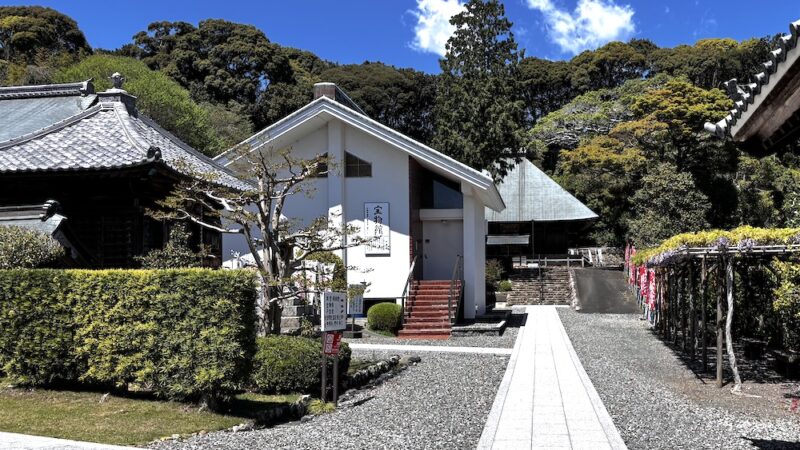
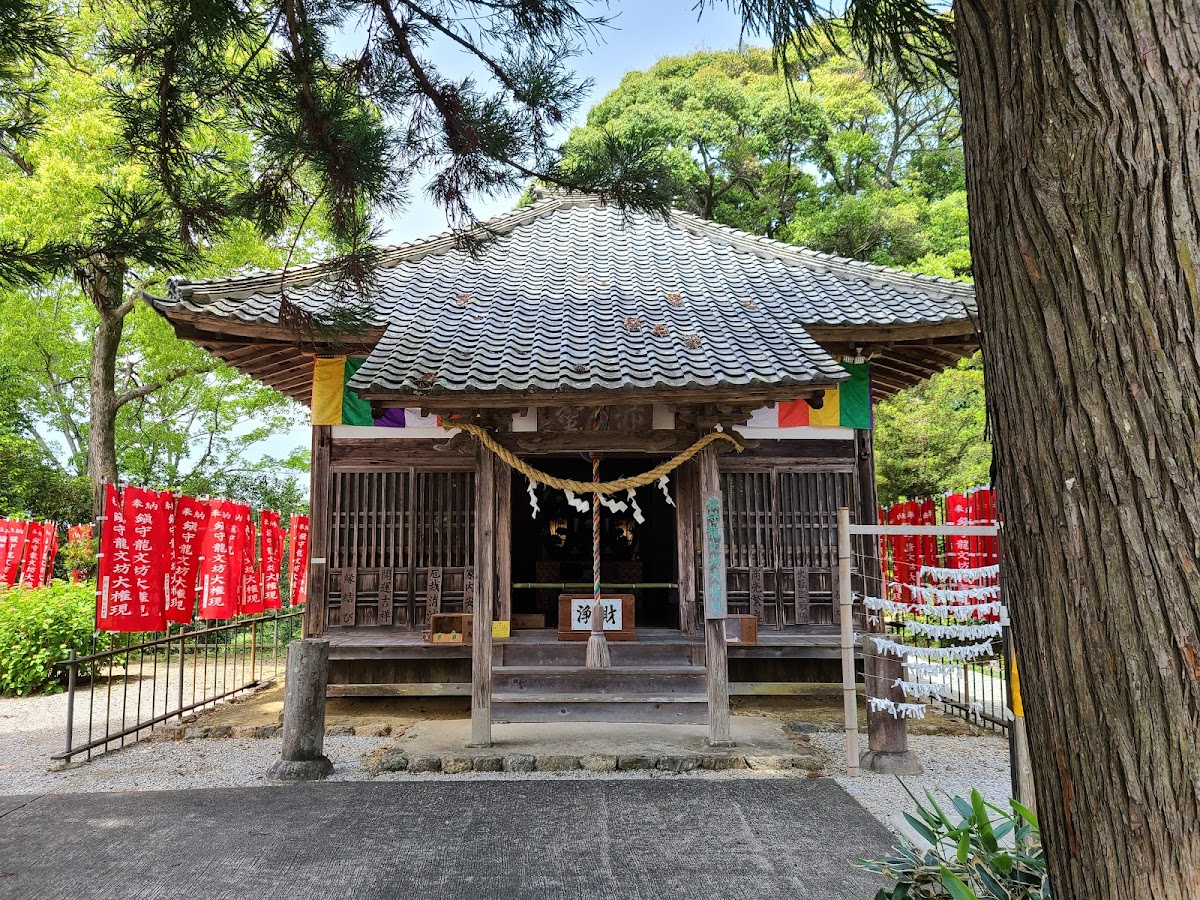
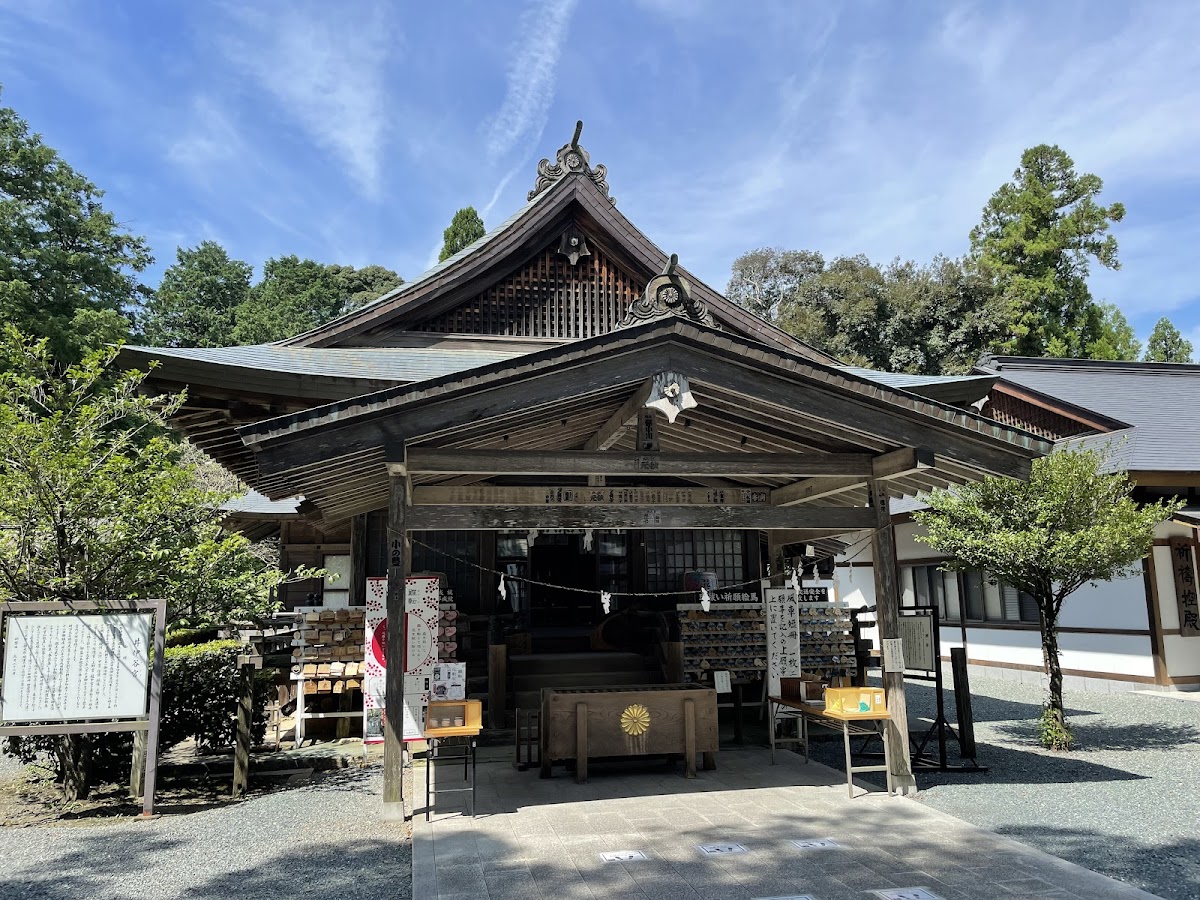
The main hall of Iinoya Shrine is a dignified building based on the Shinmei-zukuri style. The main hall of worship has a majestic presence, welcoming visitors with a beautiful contrast between its vermilion pillars and unpainted wood. The shrine grounds are surrounded by a rich natural environment, allowing visitors to enjoy the scenery of each season.
Japan Ema Museum
Within the shrine grounds is the “Japan Ema Museum,” displaying approximately 1,500 ema (votive tablets), from ancient to modern styles. Ema are valuable historical materials that convey Japanese folk beliefs, and this museum offers a valuable opportunity to learn about the wishes and forms of faith of people throughout different eras.
At the Ema Museum, you can view various ema from the Edo period to the present day, learning about the evolution of Japanese ema culture.
Shrine Grounds Layout and Visiting Route
The entrance to the Iinoya Shrine grounds faces east, and the main hall is visible straight ahead after passing through the torii gate. A parking lot is located on the north side of the approach, making it convenient for visitors arriving by car. The shrine grounds are relatively compact, and a leisurely visit can be completed in about 30 minutes.
When visiting the shrine, first purify your body and mind at the water basin, then offer your prayers at the main hall using the traditional two bows, two claps, and one bow ritual. Afterward, it is recommended to visit the subsidiary shrines and the Japan Ema Museum within the grounds.
A Guardian Forest in Harmony with Nature
Iinoya Shrine offers tranquility to visitors as a place to “calm the mind and encounter history and nature.” The shrine grounds are surrounded by a guardian forest, and the gentle murmur of the Jinguji River creates a peaceful environment. Especially during the seasons of fresh greenery and autumn leaves, the beauty of nature is striking, offering a truly healing experience.
About Prayers and Sorrows
Types of Prayers
Iinoya Shrine accepts various prayers to address different milestones and wishes in life. The main types of prayers are as follows:
Traffic Safety Prayer
This prayer is offered when purchasing a new car, obtaining a driver’s license, or praying for safe driving. We also offer car blessings.
Prayers for Academic Success and Passing Exams Because the enshrined deity, Prince Munenaga, excelled in academics, many visitors come to pray for success in exams and academic improvement.
Prayers for Safe Childbirth Often performed on the Day of the Dog in the fifth month of pregnancy, this prayer prays for the health of mother and child and a safe delivery.
First Shrine Visit (Miya-san) This is the first shrine visit in a child’s life, reporting the birth to the gods and praying for healthy growth.
Shichi-Go-San Ceremony This prayer celebrates the growth of children aged 3, 5, and 7, and prays for their future health and happiness. Iinoya Shrine makes special preparations during the Shichi-Go-San season, and is bustling with many families.
Fulfillment of Wishes This prayer addresses the fulfillment of all wishes, including success in work, finding a good partner, and family safety.
Prayer Reception Hours and Reservations
The reception hours for prayers at Iinoya Shrine are usually from 9:00 AM to around 4:30 PM. However, these hours may change depending on the season and shrine events, so it is recommended to check the official website or inquire by phone in advance.
While prayers can be received without a reservation, there may be waiting times, especially on weekends and holidays, during the Shichi-Go-San season, and during the New Year period. If you want to be sure to receive a prayer, it is recommended to make a reservation by phone in advance.
Prayers in Response to COVID-19
Iinoya Shrine is taking special measures for those who wish to receive prayers but are unable to do so due to the self-isolation measures related to COVID-19. We are offering flexible options adapted to the times, such as prayer applications by mail and online registration. Please check the official website for details.
Goshuin (Shrine Seals) and Souvenirs
Goshuin of Iinoya Shrine
Iinoya Shrine offers Goshuin as a memento of your visit. The Goshuin (temple/shrine stamp) will have the calligraphy and red seal of “Iinoya-gu” and the date of your visit recorded. If you bring your Goshuincho (stamp book), it can be written directly on it.
Iinoya-gu is also counted as one of the shrines included in the “Four Shrines Pilgrimage of Tōtōmi” and the “Three Shrines Pilgrimage of Hamamatsu,” and special Goshuin are available for these pilgrimages. You can also enjoy the pleasure of visiting multiple shrines.
Inome Amulet and Various Amulets
Iinoya-gu offers various amulets, including the “Inome Amulet.” The “Inome Amulet” is named after the “I” (井) in Iinoya, and is a unique item offered by Iinoya-gu, located in the water-rich land of Iinoya.
In addition, amulets are available for various wishes, such as academic success, traffic safety, health and longevity, and matchmaking.
Annual Events and Festivals
Main Annual Events
Iinoya-gu holds various festivals throughout the year. New Year’s Day Festival (January 1st)
A festival to welcome the new year and pray for the peace and prosperity of the nation and the worshippers.
Grand Festival (Prince Munenaga Festival)
The most important festival to commemorate the enshrined deity, Prince Munenaga, and to praise his divine virtues.
Shichi-Go-San Festival (November)
During the Shichi-Go-San season, many families visit the shrine to celebrate the growth of their children.
Great Purification Ceremony (June & December)
A Shinto ritual to purify and cleanse away the sins and impurities accumulated over the past six months. The Summer Purification Ceremony and the Year-End Purification Ceremony are held.
150th Anniversary Celebration Projects
In 2022 (Reiwa 4), Iinoya Shrine celebrated its 150th anniversary, and various celebratory projects were held. As part of the commemorative activities, a public competition for haiku and tanka poems was held, and many people expressed their feelings for Iinoya Shrine through their works.
Wedding Information
Iinoya Shrine offers traditional Shinto wedding ceremonies. You can celebrate the beginning of your life together in a solemn atmosphere at this historic shrine with ties to the Imperial Family.
A Shinto wedding ceremony is a traditional Japanese marriage ritual, a sacred ceremony in which the couple exchanges vows before the gods. A wedding held in the tranquil grounds of Iinoya Shrine will surely become a lifelong memory for the bride and groom.
For details and reservations regarding weddings, please contact the shrine in advance.
Access and Transportation Information
Location
1991-1 Iinoya, Inasa-cho, Hamana-ku, Hamamatsu City, Shizuoka Prefecture 431-2212
Access by Train and Bus
Using Enshu Railway Bus
Take the bus bound for “Okuyama” from platform 15 at Hamamatsu Station Bus Terminal, get off at the “Jinguji” bus stop, and walk for approximately 5 minutes. The bus journey takes approximately 50 minutes.
Using Tenryu Hamanako Railway
Get off at “Kanazashi Station” on the Tenryu Hamanako Railway, then take a taxi for approximately 10 minutes or walk for approximately 30 minutes.
Access by Car
Shin-Tomei Expressway
Approximately 5 minutes from Hamamatsu Inasa IC
Tomei Expressway
Approximately 30 minutes from Hamamatsu Nishi IC
The temple grounds have a free parking lot for visitors, with space for approximately 50 regular cars. For visits by large buses, it is recommended to contact the temple in advance.
Nearby Tourist Attractions
Ryōtan-ji Temple
A renowned Rinzai Zen temple located just south of Iinoya Shrine. Famous for its beautiful garden designed by Kobori Enshū, it houses numerous historical and cultural artifacts as the family temple of the Ii clan.
Iinoya Castle Ruins
The ruins of the Ii clan’s castle; the top of the castle hill offers a panoramic view of the Iinoya village.
Onna Jōshu Naotora Taiga Drama Museum (Closed)
While it was bustling with tourists during the broadcast of the Taiga drama, it is now closed. However, many historical sites related to Naotora remain in the surrounding area.
Manners and Points for Visiting Shrines
Basic Shrine Visiting Etiquette
The basic etiquette for visiting a shrine is as follows:
- Bow Before Passing Through the Torii Gate
Bow respectfully before entering the sacred area.
- Walk along the edge of the approach to the shrine
The center of the approach is considered the path for the gods, so walk along the edge.
- Purify yourself at the water basin
Purify your left hand, then your right hand, then your mouth, and finally the handle of the ladle.
- Worship at the main hall
Worship using the two bows, two claps, and one bow ritual.
- Bow when leaving
Bow again when leaving through the torii gate.
Attire for worship
For regular worship, everyday clothes are acceptable, but please dress neatly. Formal attire is recommended if you are receiving a prayer or attending a wedding.
Photography
Photography is generally permitted within the shrine grounds, but it may be prohibited inside the main hall or in sacred areas. Please be considerate of other worshippers.
The Charm and Worth of Visiting Iinoya Shrine
A Sacred Site Where History Breathes
Iinoya Shrine is a precious historical heritage site that conveys the achievements of Prince Munenaga, who lived through the turbulent Nanboku-cho period. As one of the fifteen shrines of the Kenmu Restoration, it plays a role in preserving the memory of an important period in Japanese history.
For history buffs, it is a valuable place to experience the history of Prince Munenaga, the Nanboku-cho period, and the Ii family.
A Space to Find Peace of Mind
True to its concept of “calming the mind and encountering history and nature,” Iinoya Shrine is a place that offers peace of mind to visitors. The gentle murmur of the Jinguji River, the greenery of the sacred forest, and the tranquil atmosphere of the shrine grounds allow you to forget the hustle and bustle of everyday life.
For those who want to escape the stresses of modern society and refresh their minds, Iinoya Shrine is the perfect place.
Benefits for Academic Success and Fulfillment of Wishes
Because Prince Munenaga excelled in academics and possessed exceptional talent in waka poetry, Iinoya Shrine is known for its blessings of academic success. Students preparing for exams and their families visit to pray for success, and many have had their wishes granted.
Furthermore, it is a shrine that grants various wishes, including fulfillment of wishes, good fortune, and longevity, and is revered by worshippers of all ages.
Experiencing the History and Culture of Iinoya
By visiting Iinoya Shrine, you can experience the history and culture of Iinoya, the birthplace of the Ii family. Visiting nearby Ryōtanji Temple and the Iinoya Castle ruins in conjunction with the shrine will allow you to understand the history of Iinoya more deeply.
Iinoya, also known as the setting for the NHK Taiga drama “Onna Jōshu Naotora,” is a region brimming with historical romance.
Summary
Iinoya Shrine, located in Hamamatsu City, Shizuoka Prefecture, is a historic shrine dedicated to Prince Munenaga, the fourth son of Emperor Go-Daigo. Since its founding in 1872 (Meiji 5), it has attracted the faith of many people as one of the fifteen shrines of the Kenmu Restoration and as a shrine with ties to the Imperial family.
Prayers can be offered for various milestones in life, such as academic success, fulfillment of wishes, traffic safety, and safe childbirth. It is particularly popular for prayers for passing exams, drawing inspiration from Prince Munenaga’s academic talent. The shrine grounds also house the Japan Ema Museum, where visitors can learn about Japanese ema (votive tablet) culture.
With its rich natural environment, Iinoya Shrine offers a chance to calm the mind and reflect on history. It is a shrine you should definitely visit when you come to Hamamatsu. It is relatively easy to access by both car and public transport.
Why not visit Iinoya Shrine to experience the history and culture of Iinoya and find peace of mind?