Complete Guide to Gifu Gokoku Shrine | History, Goshuin (Shrine Seals), Access, and Highlights Explained in Detail
Gifu Gokoku Shrine is a shrine located at the northern foot of Mt. Kinka in Gifu City, Gifu Prefecture, in a scenic spot overlooking the clear waters of the Nagara River. It is known as one of Gifu Prefecture’s leading Gokoku Shrines, enshrining the spirits of over 37,800 war dead from the Gifu, Chuno, and Tono regions who perished in the Boshin War and World War II.
This article comprehensively introduces information you should know before visiting Gifu Gokoku Shrine, from its historical background and Goshuin information to highlights within the grounds, access methods, and nearby tourist spots.
What is Gifu Gokoku Shrine?
Gifu Gokoku Shrine was founded to commemorate and honor the spirits of those from the region who sacrificed their lives in national crises since the Meiji Restoration. Located in a scenic area with Mount Kinka as a backdrop and the clear waters of the Nagara River to the north, it is deeply revered by the local people as a deity of peace and prosperity, and a deity of family safety.
Deities and War Dead Enshrined
Gifu Gokoku Shrine enshrines the spirits of over 37,800 war dead from the Boshin War (1868) to the Greater East Asia War (World War II). These are people from the Gifu, Chuno, and Tono regions, centered around Gifu City, who sacrificed their precious lives for their country.
The shrine’s crest features a chrysanthemum and cherry blossom, symbolizing loyalty to the Imperial Family and the spirit of Bushido.
Role and Significance of Gokoku Shrines
There are 52 Gokoku Shrines throughout Japan, each playing an important role in commemorating war dead in their respective regions. Gifu Gokoku Shrine also functions as a place to pass on the memory of war to future generations, to advocate for the preciousness of peace, and as a sacred site where bereaved families and related parties can pay their respects and mourn.
Many worshippers visit the shrine on the anniversary of the end of the war (August 15th) and during the spring and autumn festivals, offering gratitude to the war dead and prayers for peace.
History of Gifu Gokoku Shrine
Founding History
Gifu Gokoku Shrine was founded in the Meiji era. Initially, it began as a shrine dedicated to those who died in the Boshin War. Later, it enshrined local people who lost their lives in national crises such as the First Sino-Japanese War, the Russo-Japanese War, World War I, the Manchurian Incident, the Second Sino-Japanese War, and World War II.
In 1939 (Showa 14), it was officially designated as “Gokoku Shrine” by the Minister of Home Affairs, becoming the current Gifu Gokoku Shrine.
Post-War History
After World War II, the shrine’s ties with the state were temporarily severed by the GHQ’s Shinto Directive. However, after regaining independence in 1952, it restarted as a religious corporation. Since then, it has continued to serve as a place of remembrance and prayer for peace, deeply rooted in the local community.
Currently, in addition to memorial services and annual festivals, various prayers for life’s milestones are also held, such as wedding ceremonies, Shichi-Go-San (a traditional rite of passage for children), first shrine visits for newborns, and prayers for traffic safety.
Highlights of the Shrine Grounds
Main Hall and Worship Hall
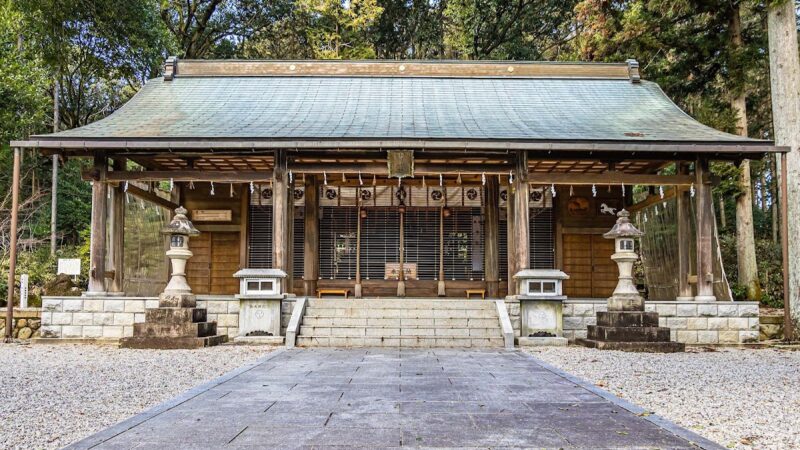
The main hall and worship hall of Gifu Gokoku Shrine are built in the traditional style of shrine architecture. A solemn atmosphere permeates the tranquil space, a sacred area where the spirits of over 37,800 fallen soldiers rest peacefully.
A spacious grounds spread out in front of the worship hall, allowing visitors to quietly offer their prayers.
Shrine Office and Souvenirs
At the shrine office, you can receive Goshuin (shrine stamps), various amulets, ema (votive tablets), and other souvenirs. Unique souvenirs specific to Gifu Gokoku Shrine are also available, and many people purchase them as mementos of their visit.
Parking and Approach
The shrine has a large parking lot, making it easily accessible by car. The approach is well-maintained and designed to be barrier-free, making it easy for wheelchair users to visit.
Views of Mount Kinka and the Nagara River
One of the greatest attractions of Gifu Gokoku Shrine is its location. It boasts a superb location overlooking Mount Kinka, where Gifu Castle was built, to the south, and the clear waters of the Nagara River to the north.
Especially during the cherry blossom season in spring, the fresh greenery of early summer, and the autumn foliage season, you can enjoy a magnificent view where the beauty of nature and the tranquility of the shrine harmonize.
Aspect as a Power Spot
In recent years, Gifu Gokoku Shrine has also attracted attention as a “power spot.” The auspicious location at the foot of Mount Kinka, the pure waters of the Nagara River, and the energy of this sacred site where many war dead rest are said to combine to bestow a quiet strength upon visitors.
Goshuin (Shrine Seal) Information
Types and Designs of Goshuin
Gifu Gokoku Shrine offers standard goshuin at the shrine office. The goshuin features the calligraphy and red seal of “Gifu Gokoku Shrine,” resulting in a simple yet solemn design.
Reception Hours and Location
Goshuin are available at the shrine office. General reception hours are from 9:00 AM to around 4:00 PM, but these may vary depending on festivals and events, so it is recommended to check in advance.
About Goshuincho (Shrine Seal Books)
Gifu Gokoku Shrine also offers original goshuincho. With a design befitting a shrine, they are popular as a memento of your visit. Of course, you can also have your own goshuincho stamped.
Annual Events and Grand Festivals
Spring Grand Festival
The Spring Grand Festival, held every spring, is one of the important festivals of Gifu Gokoku Shrine. A solemn ceremony of gratitude and remembrance for the war dead is held, with many bereaved families and related parties in attendance.
Autumn Grand Festival
An annual festival is also held in autumn, and like the Spring Grand Festival, a memorial service is conducted. It serves as an opportunity to renew prayers for peace as the seasons change.
End of War Memorial Day (August 15th)
A special memorial service is held on August 15th, the anniversary of the end of the war. Memorial services are held at Gokoku Shrines throughout the country on this day, and many worshippers visit Gifu Gokoku Shrine. It is an important day to prevent the memory of war from fading and to reaffirm the preciousness of peace.
Other Events
Various festivals are held throughout the year, including the New Year’s Day Festival. Please inquire at the official website or shrine office for detailed schedules.
Various Prayers and Ceremonies
Weddings
Gifu Gokoku Shrine has a wedding hall where you can hold a traditional Shinto wedding ceremony. The ceremony, held in a solemn atmosphere, is a sacred ritual befitting a new beginning in life.
First Shrine Visit (Omiyamairi)
You can also hold a first shrine visit (Omiyamairi) at Gifu Gokoku Shrine to pray for your baby’s healthy growth. This traditional event, held around 30 days after birth, becomes a precious memory for the family.
Shichi-Go-San (7-5-3 Festival)
Shichi-Go-San visits and prayers are mainly held in November. At the milestones of 3, 5, and 7 years old, people give thanks for their child’s growth and pray for their future health and happiness.
Traffic Safety Prayers (Vehicle Blessings)
We also accept prayers for traffic safety for cars and motorcycles. Many people visit to pray for safe driving and accident-free driving when purchasing a new car or at the beginning of the year. With ample parking available, you can drive your car onto the temple grounds to offer your prayers.
Other Prayers
We offer prayers for various occasions, including protection from misfortune, family safety, business prosperity, and academic success. You can pray for life’s milestones and daily wishes in this sacred place watched over by the spirits of fallen heroes.
Access Information
Location
Address: Mitarai, Gifu City, Gifu Prefecture
*Please check the official website for the exact address.
Access by Public Transportation
From JR/Meitetsu Gifu Station:
- Take a Gifu Bus and get off at the “Nagarabashi” or “Nagarabashi Minami” bus stop.
- Approximately 5 minutes on foot from the bus stop.
- Travel time: Approximately 15 minutes by bus + 5 minutes on foot.
Nearest Station:
- Within walking distance from Meitetsu Kakamigahara Line “Tagami Station” (a bit of a distance).
Bus schedules and frequency vary depending on the season and day of the week, so it is recommended to check the Gifu Bus official website in advance.
Access by Car
Tokai-Hokuriku Expressway:
- Approximately 20 minutes from “Gifu-Kakamigahara IC”
- Approximately 30 minutes from “Ichinomiya-Kisogawa IC”
Meishin Expressway:
- Approximately 40 minutes from “Gifu-Hashima IC”
When using a car navigation system, please search for “Gifu Gokoku Shrine” or by phone number.
Parking
The shrine has a free parking lot. There is space for several dozen regular-sized cars, and except during peak seasons such as New Year’s Day and the annual festival, parking is relatively easy.
Nearby Tourist Attractions
Numerous of Gifu City’s representative tourist attractions are scattered around Gifu Gokoku Shrine. Visiting them in conjunction with your shrine visit will allow you to experience Gifu’s history and culture more deeply.
Gifu Castle and Kinka Mountain
Looking south from Gifu Gokoku Shrine, you can see the keep of Gifu Castle on the summit of Kinka Mountain. The Kinka Mountain Ropeway takes you to the summit in about 3 minutes, and from there you can access Gifu Castle on foot.
Gifu Castle is a historical castle that Oda Nobunaga used as a base for his “unification of Japan by military force,” and the view from the keep is spectacular. You can see Gifu city, the Nagara River, and even as far as Nagoya in the distance.
Nagara River and Cormorant Fishing
The Nagara River, which flows north of Gifu Gokoku Shrine, is a beautiful river counted as one of Japan’s three most pristine rivers. The Nagara River Cormorant Fishing, held particularly from mid-May to mid-October, is a traditional cultural event with over 1300 years of history and a representative tourist attraction of Gifu Prefecture.
You can take a viewing boat and witness the traditional fishing method unfolding amidst the bonfires up close.
Gifu City Water Supply Kagamiwa Water Source and Water Museum
Adjacent to the grounds of Gifu Gokoku Shrine is the facility for the Gifu City Water Supply Kagamiwa Water Source. Behind it are the “Water Museum” and the “Water Experience Learning Center,” where you can learn about the history of Gifu’s water supply and the importance of water.
This historical facility, also recognized as a Modern Industrial Heritage site, is free to visit.
Kawaramachi Old Townscape
Along the Nagara River, the old townscape of “Kawaramachi,” which retains the atmosphere of the Edo period, is preserved. The townhouses with lattice doors and cobblestone alleys create a charming retro atmosphere.
Cafes, Japanese confectionery shops, and craft shops line the streets, making it a pleasant place to stroll. It’s within walking distance of Gifu Gokoku Shrine.
Gifu Park
Gifu Park, spread out at the foot of Mt. Kinka, is an urban park where you can enjoy nature throughout the seasons. It features the site of Oda Nobunaga’s residence and a bronze statue of Itagaki Taisuke, making it ideal for historical walks.
The park also houses the Gifu City History Museum and the Nawa Insect Museum, allowing you to learn deeply about Gifu’s history and nature.
Nearby Restaurants and Eateries
Ayu (Sweetfish) Dishes
Ayu are synonymous with the Nagara River. There are numerous restaurants and eateries in the surrounding area that serve ayu dishes. You can enjoy the bounty of the clear stream prepared in various ways, such as salt-grilled, simmered in sweet sauce, and ayu rice porridge.
Hida Beef
Restaurants serving Hida beef, a brand of beef that Gifu Prefecture is proud of, are scattered throughout the city. Enjoy exquisite Wagyu beef in dishes such as steak, yakiniku (grilled meat), and sukiyaki.
Gifu Local Cuisine
Enjoy Gifu’s unique local cuisine, including Hoba Miso, Keichan (chicken dish), and Kakamigahara Kimchi. The home-style flavors using local ingredients are a major draw.
Cafes and Sweet Shops
Around Kawaramachi, you’ll find stylish cafes renovated from old houses and sweet shops offering traditional Japanese sweets. Perfect for a break after visiting the temple.
Nearby Accommodations
Nagara River Onsen Ryokans and Hotels
Along the Nagara River lies Nagara River Onsen, lined with hot spring inns and hotels. Enjoy a luxurious time soaking in the hot springs while listening to the gentle murmur of the river, and savoring ayu (sweetfish) dishes and Hida beef.
During the cormorant fishing season, plans that include boarding a cormorant fishing viewing boat from your accommodation are also popular.
Hotels around Gifu Station
The area around Gifu Station offers a variety of accommodations, from business hotels to city hotels. It’s convenient as a base for sightseeing and attractively priced.
Guesthouses and Private Accommodations
In recent years, the number of guesthouses and private accommodations has increased, especially around Kawaramachi. Enjoy a home-like atmosphere while interacting with locals.
Manners and Precautions for Visiting a Shrine
Basic Worship Etiquette
- Bow before passing through the torii gate: This shows respect when entering the sacred area.
- Avoid the center of the approach: The center is considered the path of the gods.
- Purify yourself at the water basin: Purify your left hand, right hand, and mouth in that order.
- Etiquette at the main hall: Two bows, two claps, and one bow are the basics.
Mindset Unique to Gokoku Shrines
Gifu Gokoku Shrine is a sacred place of remembrance. Please remember that this is a place where many war dead rest, and offer your prayers with silence and respect.
Please refrain from loud conversations and disruptive behavior, and strive to maintain a solemn atmosphere.
Photography
Photography is generally permitted on the shrine grounds, but photography inside the main hall or during ceremonies may be restricted. Please check with the shrine office before taking photos or follow any posted guidelines.
Dress Code
There are no specific dress code requirements, but please dress appropriately and respectfully for this sacred place. For prayers and formal visits, more formal attire is recommended.
Frequently Asked Questions (FAQ)
Are there set visiting hours?
Entry to the shrine grounds is generally free, but the shrine office is open from 9:00 AM to around 4:00 PM. If you wish to receive a Goshuin (shrine stamp) or offer prayers, it is recommended to visit during these hours.
Can I get a Goshuin anytime?
You can usually receive a Goshuin during the shrine office’s opening hours. However, please note that we may not be able to accommodate requests during festivals or events. If you wish to receive a gift, we recommend calling ahead to confirm.
Is parking free?
Parking at Gifu Gokoku Shrine is free. Except during peak seasons such as New Year’s Day and the annual festival, there is ample parking space.
Is it accessible for wheelchair users?
The shrine grounds are relatively flat, making it accessible for wheelchair users. The area from the parking lot to the main hall is barrier-free. However, there are some steps, so we recommend being accompanied by an assistant.
Are pets allowed?
Generally, many shrines do not allow pets. Please inquire with the shrine office in advance regarding Gifu Gokoku Shrine’s regulations.
How do I book a wedding ceremony or prayer?
Reservations are required for wedding ceremonies and various prayers. Please contact the shrine office by phone to discuss your desired date, time, and content. Reservations for weddings, in particular, are recommended several months in advance.
Summary
Gifu Gokoku Shrine is a representative Gokoku Shrine of Gifu Prefecture, enshrining the spirits of over 37,800 war dead. Located in a scenic spot at the foot of Mount Kinka and on the banks of the Nagara River, it serves as a place of remembrance and prayer for peace, and is also attracting attention as a power spot.
Within the shrine grounds, which possess a historical weight and tranquil atmosphere, various ceremonies and prayers are held, including the issuance of Goshuin (shrine stamps), weddings, first shrine visits for newborns, Shichi-Go-San (a traditional rite of passage for children), and prayers for traffic safety. The surrounding area boasts numerous attractive tourist spots, such as Gifu Castle, Nagara River cormorant fishing, and the old townscape of Kawaramachi.
When visiting Gifu, be sure to stop by Gifu Gokoku Shrine to offer gratitude to the war dead and prayers for peace, and spend some time experiencing Gifu’s history and culture. You’re sure to find peace of mind in the quiet grounds and experience a tranquil moment away from the hustle and bustle of everyday life.