Dojoji Temple Complete Guide | The Oldest Temple in Wakayama Prefecture and the Complete Legend of Anchin and Kiyohime
What is Dojoji Temple?
Dojoji Temple is a Tendai sect temple located in Kanemaki, Hidaka-gawa Town, Hidaka District, Wakayama Prefecture. Its mountain name is Tenonzan, and its principal image is the Thousand-Armed Kannon Bodhisattva. Founded in 701 AD (Taiho 1), it is known as the oldest temple in Wakayama Prefecture.
Not only does it attract many worshippers as the 5th temple of the New Saigoku Thirty-Three Kannon Pilgrimage, but it also holds an important position in Japanese cultural history as the setting for the famous “Anchin and Kiyohime Legend,” a subject of Noh, Kabuki, and Joruri performances.
A distinctive feature of the temple is that, despite being an ancient temple with a history of over 1,300 years, it still functions as a living place of faith. It houses numerous national treasures and important cultural properties, and continues to preserve its unique traditional method of preaching through “picture-based sermons.”
History of Dojoji Temple
Founding and the Tale of Princess Miyako’s Long Hair
The founding of Dojoji Temple is deeply connected to the legend of Princess Miyako’s Long Hair (“The Tale of Princess Miyako”), the mother of Emperor Monmu.
According to the legend, Princess Miyako, born the daughter of a wealthy man in Muro District, Kii Province, suffered from abnormally long hair from a young age, which weighed her down. After praying to Kannon Bodhisattva, she was freed from the weight of her hair and later became the consort of Emperor Monmu, giving birth to the future Emperor Shomu.
As a token of gratitude to Kannon Bodhisattva, Princess Miyako ordered her father, Ki no Michinari, the governor of Kii Province, to build a temple. This is considered the beginning of Dojoji Temple, and the temple’s name is said to be derived from Ki no Michinari’s name.
Original Temple Structure
Archaeological excavations have confirmed that Dojoji Temple had a Kannonji-type temple layout in the mid-8th century. The Kannonji-type is a temple layout seen at Kannonji temples in Kyushu, where the main gate, main hall, and lecture hall are aligned in a straight line from north to south, surrounded by a cloister—a highly dignified arrangement.
At the time of its founding, Dojoji Temple was a center of Buddhist culture in Kii Province, receiving strong support from the imperial court and possessing the characteristics of an official temple. Numerous ancient roof tiles have been unearthed from the temple grounds, attesting to its prosperity at that time.
Changes from the Medieval Period Onward
In the medieval period, Dojoji Temple suffered several fires and wars, but was rebuilt each time. Especially after the Heian period, when the legend of Anchin and Kiyohime became widespread, it gained national recognition as the setting of the story, attracting many pilgrims.
During the Edo period, the temple received patronage from the Kishu Tokugawa family, and its main buildings, such as the current main hall and Niomon gate, were constructed. The impact of the anti-Buddhist movement after the Meiji Restoration was relatively minor, allowing the temple to preserve its valuable collection of Buddhist statues and cultural artifacts.
The Complete Story of the Anchin and Kiyohime Legend
Synopsis of the Legend
The “Anchin and Kiyohime Legend” is indispensable when discussing Dojoji Temple. This tragic love story has become an important theme in traditional Japanese performing arts such as Noh, Kabuki, and Joruri.
The story is set in the Heian period. Anchin, a monk from Shirakawa in Oshu on a pilgrimage to Kumano, falls in love at first sight with Kiyohime, the innkeeper’s daughter, at an inn along the way. Troubled by Kiyohime’s passionate affection, Anchin promises to visit on his return from the pilgrimage and flees, but breaks his promise and tries to return by a different route.
Kiyohime, enraged by his betrayal, pursues Anchin. Cornered at the Hidaka River, Anchin begged the ferryman to help him cross to the other side. However, Kiyohime’s obsession was fierce; she jumped into the river, transformed into a giant snake, and swam after him.
Terrified, Anchin fled to Dojoji Temple and asked the monks to help him hide inside the temple bell. However, Kiyohime, now a snake, followed him to the temple, coiled herself around the bell, and breathed fierce flames. The bell glowed red-hot, and Anchin inside was burned to death.
Kiyohime, exhausted, threw herself into the Hidaka River, and the two met a tragic end.
Historical Background of the Legend
This legend is recorded in Heian period tale collections such as the *Dai Nihon Koku Hokke Keikenki* and the *Konjaku Monogatari-shu*. Originally a Buddhist tale, it was a cautionary story illustrating the horrors of worldly desires and the dangers of attachment.
From the medieval period onward, this story was adapted for the stage as the Noh play “Dōjōji,” and further developed into the representative Kabuki dance work “Kyōganoko Musume Dōjōji.” In particular, the Kabuki version features a female shirabyoshi (female dancer) appearing at the bell dedication ceremony, performing a dazzling dance, and then being revealed as the vengeful spirit of Kiyohime.
Legend and the Real Dōjōji
The bell in which Anchin is said to have hidden in the legend actually existed. However, after the story of Anchin and Kiyohime, this bell remained at the temple for a long time, but is believed to have been destroyed by fire during the Tenshō era (1573-1592).
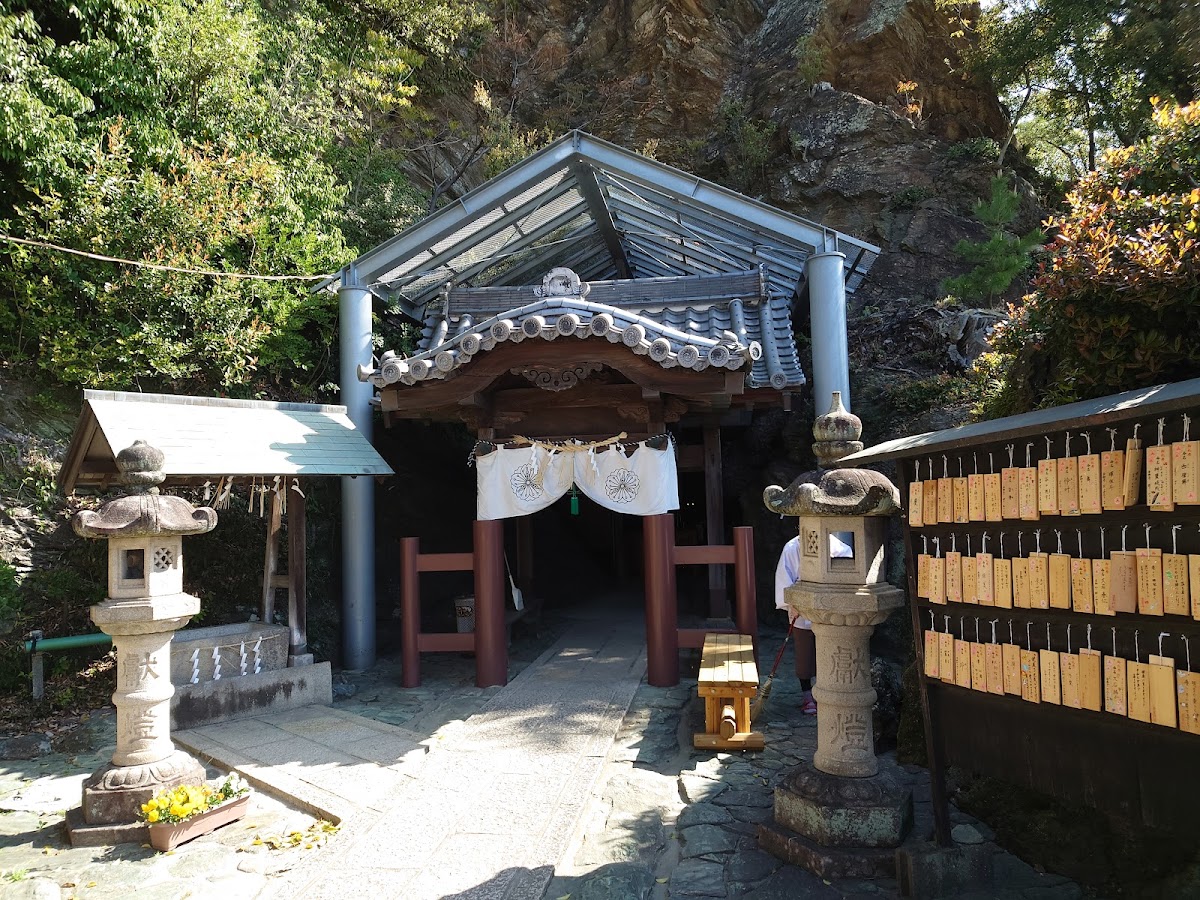
Currently, Dōjōji Temple preserves picture scrolls and documents that tell the legend, and the story is passed down through “picture-based sermons.” There is also a place on the temple grounds believed to be Kiyohime’s grave, and many worshippers still visit it.
Cultural Properties of Dojoji Temple
National Treasure: Standing Statue of the Thousand-Armed Kannon Bodhisattva
The standing statue of the Thousand-Armed Kannon Bodhisattva, the principal image of Dojoji Temple, is a National Treasure and one of the oldest Thousand-Armed Kannon statues in Japan. It is believed to have been created in the 9th century (early Heian period), carved from a single piece of cypress wood, and stands approximately 2 meters tall.
The statue is characterized by its gentle and compassionate expression and well-proportioned physique. With 42 arms, each holding an object, it symbolizes the compassion of Kannon Bodhisattva in saving all sentient beings.
It is in extremely good condition, with traces of the original coloring and gold leaf remaining, and is highly regarded in art history as a masterpiece of early Heian period Buddhist sculpture.
Standing Statues of Nikko Bosatsu and Gekko Bosatsu
The standing statues of Nikko Bosatsu and Gekko Bosatsu, enshrined as attendants to the Thousand-Armed Kannon, are also designated as National Treasures. These statues, too, are believed to have been created in the 9th century, around the same time as the Thousand-Armed Kannon.
Nikko Bosatsu symbolizes the light of the sun, and Gekko Bosatsu symbolizes the light of the moon, complementing the light of compassion of the Thousand-Armed Kannon. The sight of all three statues together creates a solemn space reminiscent of the “Yakushi Triad” (a three-figure arrangement of Yakushi Buddha).
Other Important Cultural Properties
In addition to the three National Treasures, Dojoji Temple houses numerous other Important Cultural Properties:
- Eleven-Headed Kannon Standing Statue (Heian period): A Kannon statue with an elegant form
- Jizo Bodhisattva Standing Statue (Heian period): Characterized by its gentle expression
- Bishamonten Standing Statue (Heian period): A powerful warrior-like guardian deity
- Fudo Myoo Standing Statue (Heian period): A masterpiece of esoteric Buddhist sculpture
- Temple Bell (Kamakura period): Demonstrating excellent casting techniques
These Buddhist statues are enshrined in the Treasure Hall and can be viewed. This collection of over twenty Buddhist statues is a valuable cultural heritage unique to a temple with a history spanning over 1,300 years.
The Tradition of Illustrated Sermons
What are Illustrated Sermons?
One of the major characteristics of Dojoji Temple is its unique method of preaching called “illustrated sermons.” This is a traditional form of Buddhist sermon in which a monk recounts the legend of Anchin and Kiyohime using an illustrated scroll.
Illustrated sermons have a tradition dating back to the Middle Ages and developed as a way to convey Buddhist teachings in an easily understandable way to people who cannot read. This tradition is still preserved at Dojoji Temple, where it is regularly offered to visitors.
Contents and Highlights of the Illustrated Scroll
The illustrated scroll held by Dojoji Temple is a valuable document that depicts the legend of Anchin and Kiyohime in detail. Multiple versions of the scroll exist, each with slightly different depictions of the story.
In an illustrated sermon, the monk carefully explains the characters’ feelings and Buddhist lessons while unfolding the scroll. It’s not simply a retelling of the story, but rather contains profound Buddhist teachings such as the dangers of worldly desires and attachments, and the principle of cause and effect.
Experiencing an Illustrated Sermon
Illustrated sermons are usually held several times in the morning and afternoon (this may vary depending on the season). The tour takes approximately 30 minutes, during which you can view picture scrolls while listening to explanations from a monk.
The sermon is conducted in Japanese, but materials in English and other languages are available for foreign tourists. This experience goes beyond mere sightseeing, offering a valuable opportunity to connect with traditional Japanese Buddhist culture.
Highlights of the Temple Grounds
Niomon Gate
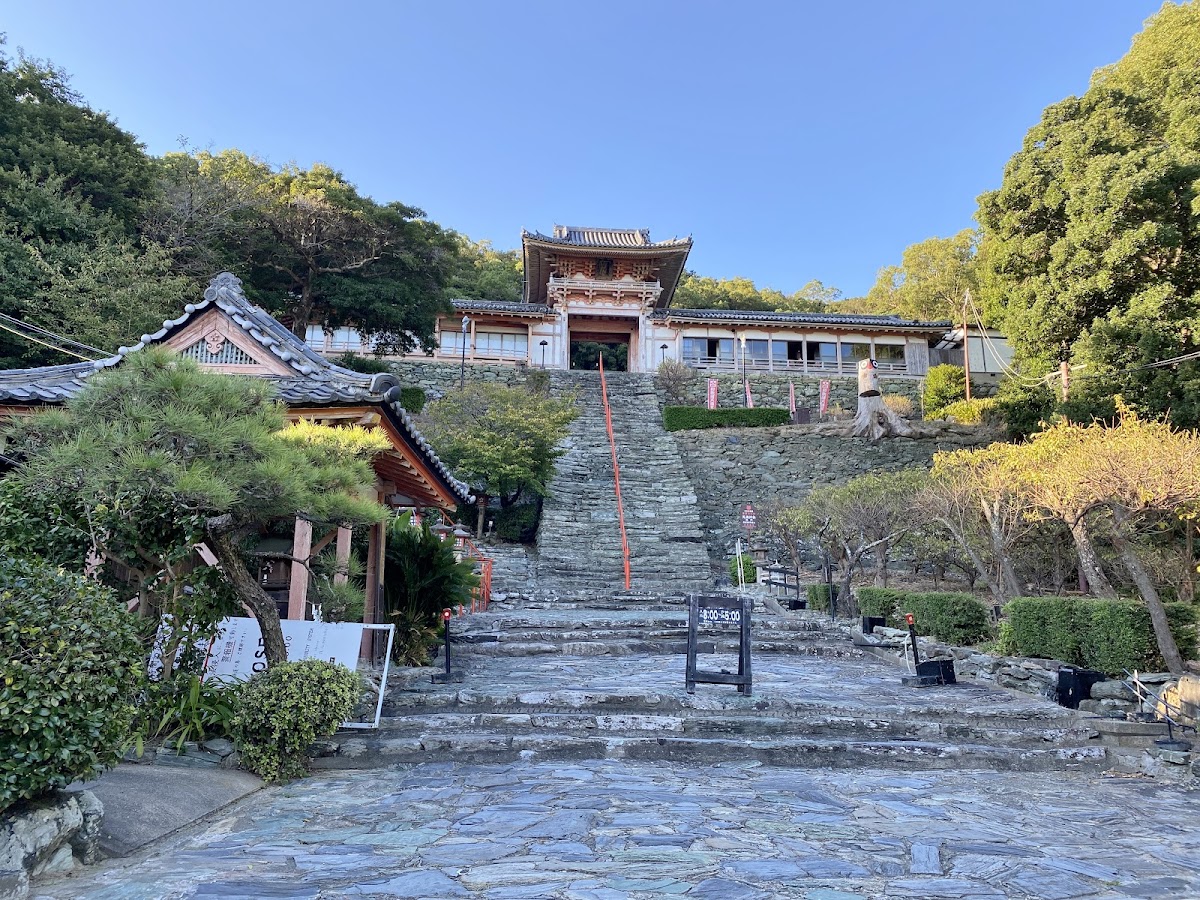
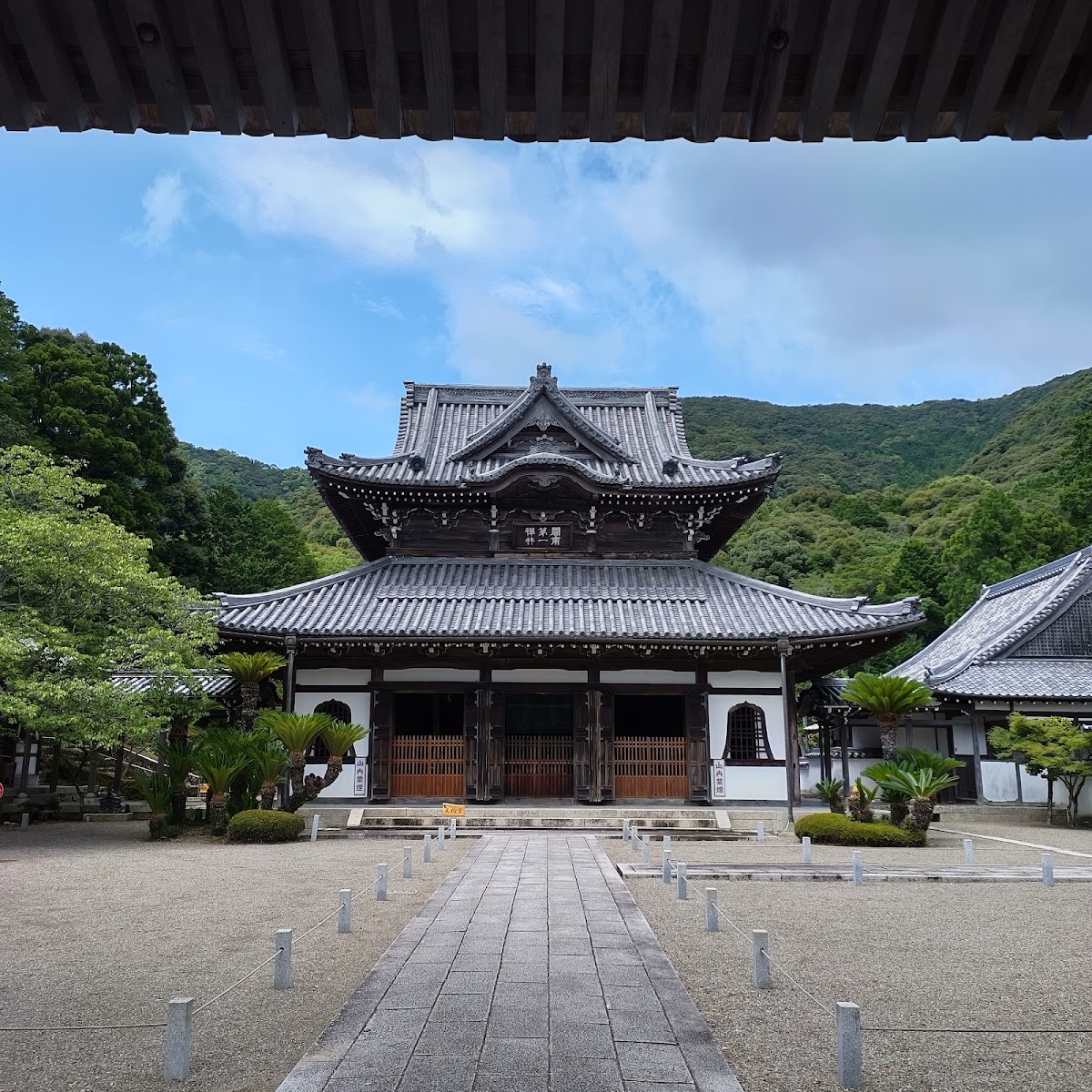
The Niomon Gate, standing at the entrance to Dojoji Temple, is a mid-Edo period building. The Nio statues (Kongo Rikishi statues) on either side welcome visitors and protect the temple from evil.
Passing through the Niomon Gate, the path leads to the main hall. The temple grounds are enveloped in silence, exuding the solemn atmosphere characteristic of a temple with over a thousand years of history.
Main Hall
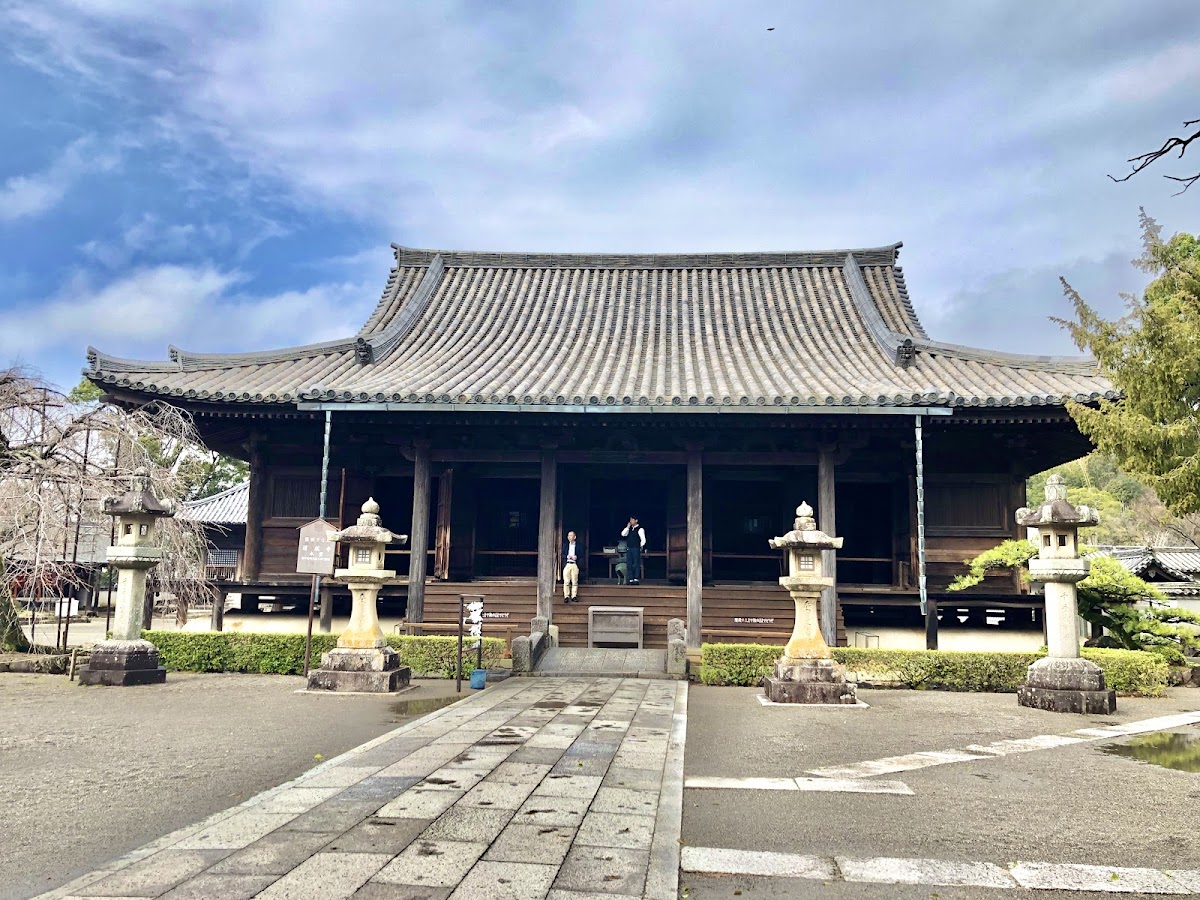
The main hall, rebuilt during the Edo period, is a magnificent building with a hipped roof. Inside, the principal image, the Thousand-Armed Kannon Bodhisattva, is enshrined, but it is usually kept as a hidden Buddha within a shrine.
Daily services are held in the main hall, where worshippers can quietly offer their prayers. The solemn atmosphere within the hall provides visitors with deep spiritual peace.
Three-Storied Pagoda
The three-storied pagoda standing within the temple grounds is a symbolic presence of Dojoji Temple. Built in the late Edo period, it is characterized by its beautifully balanced form. A statue of Dainichi Nyorai (Vairocana Buddha) is enshrined inside.
In spring, cherry blossoms; in autumn, autumn leaves; the pagoda’s appearance harmonizing with nature throughout the seasons captivates many photographers and worshippers.
Treasure Hall
The Treasure Hall houses the collection of Buddhist statues designated as National Treasures and Important Cultural Properties owned by Dojoji Temple. Equipped with modern air conditioning, it preserves these valuable cultural artifacts in an optimal environment.
Visitors can view over twenty Buddhist statues, including the Thousand-Armed Kannon Bodhisattva, up close. This is truly a treasure trove of Buddhist art, offering a comprehensive view of the evolution of Buddhist sculpture from the Heian period to the Kamakura period.
Interment in the Nenbutsu Hall
Dojoji Temple has a Nenbutsu Hall where perpetual memorial services and interment of ashes are accepted. This temple, with a history of over 1,300 years, attracts people from all over Japan who wish to honor the spirits of their ancestors.
Regular memorial services are held in the Nenbutsu Hall, praying for the peaceful repose of those whose ashes are interred there. Perpetual memorial services at this historic temple provide peace of mind and comfort to many.
Dojoji Temple and Japanese Culture
“Dojoji” in Noh Theater
The Noh play “Dojoji” is a representative work based on the legend of Anchin and Kiyohime. It is an important piece performed by all five schools of Noh: Kanze, Konparu, Hosho, Kongo, and Kita. The complex dance called “Ranbyoshi” is a particular highlight.
In the Noh play “Dojoji,” a female shirabyoshi (female dancer) who appears at the bell dedication ceremony is revealed to be the vengeful spirit of Kiyohime. The performance, which shifts from graceful dance to intense vengeance, is known as a difficult piece that showcases the pinnacle of Noh technique.
Kabuki “Kyōganoko Musume Dojoji”
Considered the pinnacle of Kabuki dance, “Kyōganoko Musume Dojoji” is a magnificent play based on the Dojoji legend. The scene where the shirabyoshi Hanako performs the bell dedication dance employs the “hikinuki” technique, where she changes costumes rapidly, making it visually stunning.
This play is also an important venue for the transmission of artistic traditions among Kabuki actors, and many renowned actors have performed it with their own interpretations. It remains a popular and frequently performed play today.
Developments in Joruri and Bunraku
The Dojoji story is also an important play in Bunraku (puppet theater). The delicate movements of the puppets, the narrator’s storytelling, and the sound of the shamisen come together to express the tragic love story of Anchin and Kiyohime with great emotion.
Through these traditional performing arts, the story of Dojoji Temple has become deeply rooted in Japanese culture and has been cherished by many people.
Visiting Information
Access
By Train:
- Get off at Dojoji Station on the JR Kisei Main Line, approximately 7 minutes on foot.
- Approximately 2 hours by limited express train from Osaka, approximately 40 minutes from Wakayama City Station.
By Car:
- Approximately 5 minutes from Gobo IC on the Hanwa Expressway.
- Parking available (free).
By Bus:
- Local buses are also available from Gobo Station.
Visiting Hours and Fees
Visiting Hours:
- 9:00 AM – 5:00 PM (Last entry at 4:30 PM)
- Open year-round (may change due to religious services, etc.)
Admission Fee:
- Adults: 600 yen
- Junior and Senior High School Students: 400 yen
- Elementary School Students: 300 yen
- Group discounts available
Illustrated Sermon:
- Included in admission fee
- Held multiple times in the morning and afternoon (see official website for details)
Annual Events
At Dojoji Temple, various Buddhist services and events are held throughout the year:
- First three days of the New Year: First shrine visit of the year, special New Year’s service
- Spring Equinox Service: Memorial service for ancestors
- Flower Festival (April 8th): Memorial service celebrating the birth of Buddha
- Summer Segaki Service: Memorial service for ancestors
- Autumn Equinox Service: Memorial service for ancestors
- New Year’s Eve Bell Ringing (December 31st): Open to the public
During special services, Buddhist statues that are normally not open to the public may be unveiled.
Nearby Tourist Attractions
There are other attractive tourist spots around Dojoji Temple:
- Hidaka River: The river that Kiyohime is said to have crossed while pursuing Anchin
- Kii-Uchihara Station Area: Part of the Kumano Kodo pilgrimage route
- Gobō City: A townscape that evokes the history of Kishu
- Hidaka River Hot Springs: A place to relax after visiting the temple
You can enjoy a trip that allows you to fully experience the history and nature of the Kii Peninsula, centered around Dojoji Temple.
The Mysterious Power of Dojoji Temple
Many visitors say that when they visit Dojoji Temple, they feel a “mysterious power that transcends time.” Stepping into the temple grounds, which have a history of over 1,300 years, you feel a sense of leaving behind the hustle and bustle of modern times and connecting with ancient eras.
The serene atmosphere emanating from the national treasure Buddha statues, the ancient stories told through illustrated sermons, and the scent of incense wafting through the grounds—all of these combine to leave a deep impression on the hearts of visitors.
Dojoji Temple is not merely a tourist attraction; it remains a living place of faith, a special place where one can touch the source of Japan’s spiritual culture.
Summary
Dojoji Temple, as the oldest temple in Wakayama Prefecture and the setting of the Anchin and Kiyohime legend, holds a significant place in Japanese history and culture. Since its founding in 701 AD, it has attracted worshippers for over 1,300 years, preserving and passing down national treasures and important cultural properties.
From its precious collection of Buddhist statues, including the national treasure, the Thousand-Armed Kannon Bodhisattva, to its traditional illustrated sermons, and the Anchin and Kiyohime legend that influenced Noh, Kabuki, and Joruri, Dojoji Temple encapsulates diverse aspects of Japanese culture.
When visiting Wakayama, be sure to visit Dojoji Temple and experience its historical weight and spiritual depth. Simply visiting will allow you to touch a mysterious power that transcends time.