Complete Guide to Hida Ichinomiya Minashi Shrine | Thorough Explanation of Goshuin (Shrine Seals), Festivals, and Access Information
Located in Ichinomiya-cho, Takayama City, Gifu Prefecture, Hida Ichinomiya Minashi Shrine is the most prestigious Ichinomiya (first-ranked shrine) of Hida Province and has been a spiritual center for the people of Hida since ancient times. With the sacred mountain of Iwayama as its divine object of worship, and Minashi-no-Okami as its principal deity, this shrine boasts a history of over a thousand years and a rich cultural heritage.
This article provides a thorough explanation of everything you need to know before visiting Minashi Shrine, from its historical background and the divine virtues of its enshrined deity, to annual events including the Hida Living Doll Festival, highlights of the shrine grounds, information on goshuin (shrine seals), and detailed access methods, all from a local perspective.
Table of Contents
- Overview of Hida Ichinomiya Mizunashi Shrine
- Deities and Divine Virtues
- History and Origins of Mizunashi Shrine
- Highlights and Facilities of the Shrine Grounds
- Annual Festivals and Reiwa Festival
- Cultural Properties and Sacred Treasures
- Goshuin (Shrine Seals) and Gifts
- Access and Visiting Information
- Nearby Tourist Spots
Overview of Hida Ichinomiya Mizunashi Shrine
Basic Information
Hida Ichinomiya Mizunashi Shrine is a Shikinaisha (shrine listed in the Engishiki) located at 5323 Ichinomiya-cho, Takayama City, Gifu Prefecture, and has been revered since ancient times as the Ichinomiya (first shrine) of Hida Province. Its former shrine rank was Kokuhei Shosha (national shrine of the lower rank), and it is currently designated as a Beppyo Jinja (special shrine) by the Association of Shinto Shrines.
Located approximately 10 km south of Takayama city center, it has a unique form of worship that enshrines Mount Kuraiyama (elevation 1,529 meters), which rises to the southwest, as its sacred mountain. Mount Iwayama has long been revered as a sacred mountain in Hida, and the pure water flowing from it has nurtured life in the Hida region.
Status as an Ichinomiya
“Ichinomiya” refers to the shrine with the highest rank in a province during the Ritsuryo period. As the Ichinomiya of Hida Province, Minashi Shrine received deep reverence from the provincial governors and provincial governors, and held a position of overseeing all the gods in Hida Province. This status remains unchanged even today, and it continues to attract many worshippers as the spiritual center of the Hida region.
Deities and Divine Virtues
Main Deity: Mitoshi-no-Okami
The main deity of Minashi Shrine is Mitoshi-no-Okami, also known as Minashi-no-Okami. Mitoshi-no-Okami is known as the god of grain and fertility, and is an ancient deity that appears in the Kojiki and Nihon Shoki.
There are several theories regarding the name “Minashi,” including that it means “Minashi,” meaning the lord who controls water, or that it is a variation of “Minashi” (God of the Name). In any case, because it is enshrined at the foot of Mt. Iwayama, a water source, it has been worshipped as a god who controls water and nurtures life.
Enshrined Deities (Fourteen Deities)
Along with the main deity, Mitoshi-no-Okami, fourteen enshrined deities are worshipped. These deities represent the major gods of Hida Province, indicating their role as guardian deities of the entire Hida region. The enshrined deities include Ōnamuchi-no-Mikoto, Mihotsuhime-no-Mikoto, and Emperor Ōjin, and these fifteen deities are collectively called “Minashi-Ōkami.”
Divine Virtues
Minami-no-Okami is believed to possess the following diverse divine virtues:
- Protection of Agriculture and Abundant Harvests: As a god of cultivation, the ancestral deity of agriculture
- Longevity and Good Health: Divine virtue as a god who nurtures life
- Protection of Livestock and Sericulture: Protecting the industries of Hida
- Protection of Water Sources: Governing the blessings of pure water
- Traffic Safety: From a history of protecting ancient transportation hubs
- Good Fortune and Prosperity: The power of life and growth (the power to create and nurture all things)
Due to these divine virtues, Minami-no-Okami has been widely worshipped throughout the Hida, Mino, Etchu, and Shinano regions.
History and Origins of Minashi Shrine
Founding and Ancient Beliefs
The exact founding date of Minashi Shrine is unclear, but it is listed as “Minashi Shrine, Ōno District, Hida Province” in the *Engishiki Jinmyōchō*, compiled in the mid-Heian period (927 AD), confirming a history of at least 1000 years.
In ancient times, Hida Province was governed by the Hida no Kuni no Miyatsuko (provincial governor), and Minashi Shrine was revered as the ancestral deity of the provincial governor. It is believed that a unique Shinto belief system, linked to the worship of Mount Kurai, was deeply rooted in this area.
From the Medieval to the Early Modern Period
During the medieval period, it received the patronage of the shugo (military governor) and local lords of Hida Province, and during the Sengoku period, it was revered by warlords such as the Takeda and Kanamori clans. During the Edo period, Hida became a direct territory of the shogunate (tenryo), and the shrine was placed under the management of the Hida magistrate. However, its status as an Ichinomiya (first-ranked shrine) was maintained, and it enjoyed strong devotion from the common people.
Modern Era
Following the Meiji-era separation of Shinto and Buddhism, the shrine became an independent Shinto shrine and was ranked as a National Shrine of the lower rank in 1871 (Meiji 4). In 1933 (Showa 8), 50 divine statues were discovered beneath the main hall, and these were designated as Important Cultural Properties, leading to a re-evaluation of its historical value.
In 1937 (Showa 12), a major reconstruction of the entire shrine complex was carried out, resulting in the current shrine buildings. After the war, it has continued to serve as a spiritual pillar of the Hida region as a special shrine of the Association of Shinto Shrines.
Shrine Grounds Highlights and Facilities Guide
Approach and Torii Gate
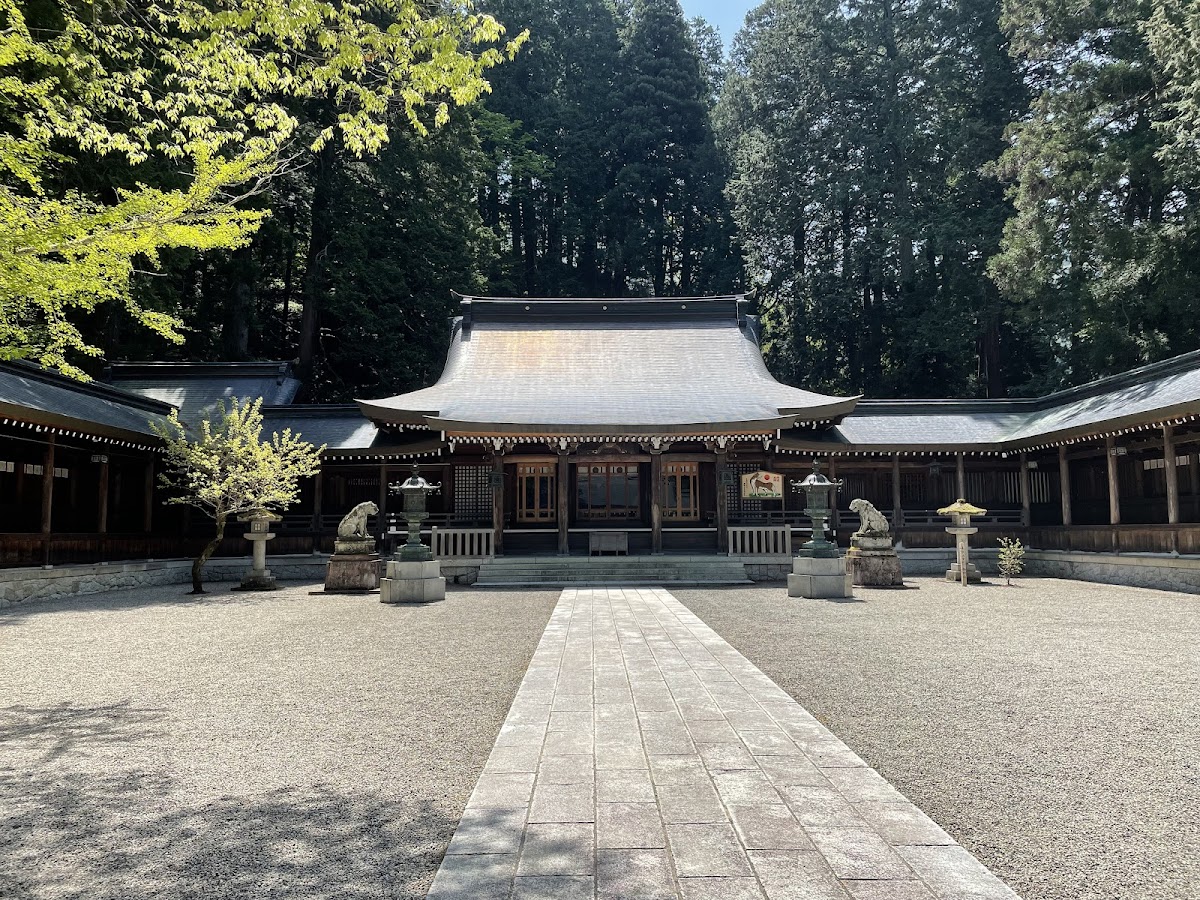
The approach to Mizunashi Shrine begins approximately 8 minutes on foot from Hida-Ichinomiya Station on the JR Takayama Line. Passing through the large torii gate, a tranquil path surrounded by cedar trees unfolds, allowing you to feel the nature and history of Hida.
Worship Hall and Main Shrine
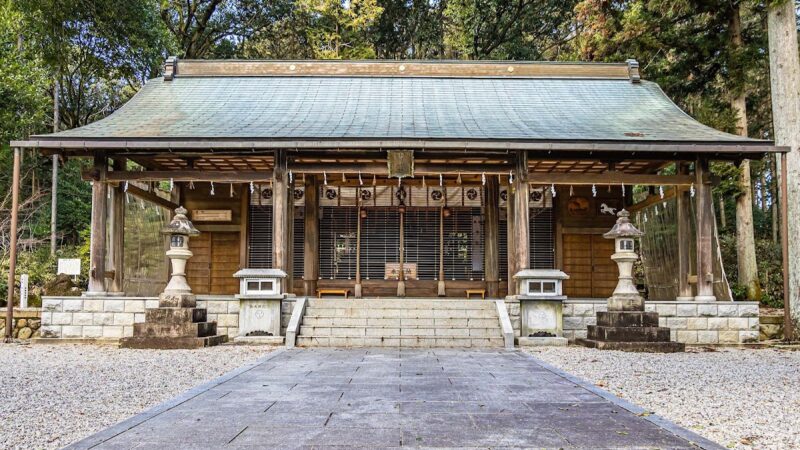
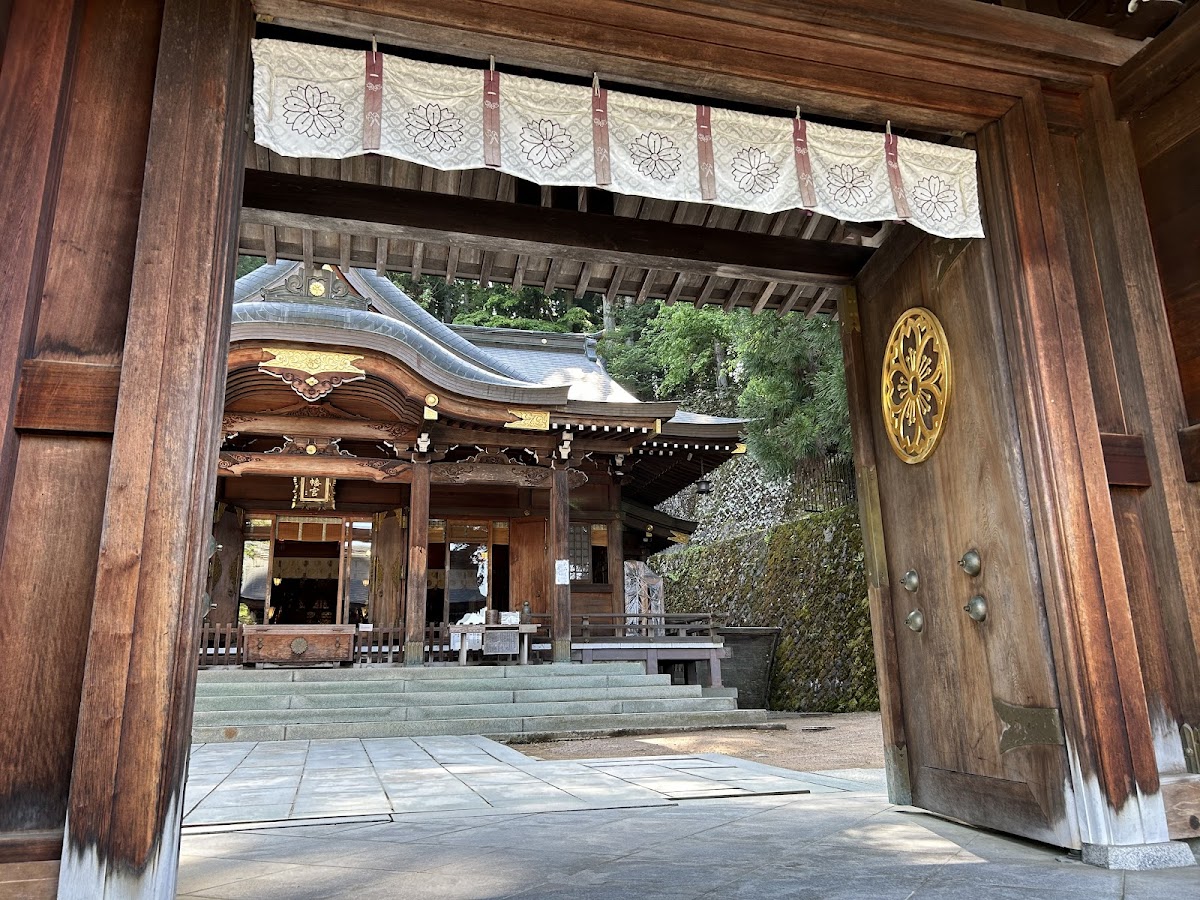
The worship hall, built in 1937 (Showa 12), boasts a majestic appearance incorporating traditional Hida architectural styles. The main shrine is a three-bay nagare-zukuri style structure, showcasing the craftsmanship of Hida artisans throughout. The aforementioned 50 divine statues are enshrined within the main shrine.
Ema Hall
Within the shrine grounds is the Ema Hall, where numerous votive tablets (ema) have been dedicated, allowing visitors to see tablets from the Edo period to modern times. These tablets offer insights into the beliefs and lifestyles of people at that time.
Mount Iwayama Worship Site
Within the shrine grounds is a site from which one can worship Mount Iwayama, the sacred mountain. On clear days, one can admire the majestic figure of Mount Iwayama, feeling the tradition of ancient mountain worship.
Shrine Office and Souvenir Shop
At the shrine office, you can receive Goshuin (shrine stamps) and various souvenirs. Reception hours are 8:30 AM to 4:30 PM, and prayer requests are accepted from 9:00 AM to 4:00 PM. Souvenirs incorporating traditional Hida crafts are also popular.
Annual Festivals and Annual Festival
Many festivals are held throughout the year at Minashi Shrine, deeply intertwined with the religious lives of the local people.
Hida Living Doll Festival (April 3rd)
Known as the “festival that heralds spring in the Hida region,” the Hida Living Doll Festival is a representative festival of Minashi Shrine, held annually on April 3rd. The sight of living dolls (actual people) dressed in Heian period costumes parading along the approach to the shrine accompanied by Gagaku (ancient Japanese court music) is breathtaking.
This festival is a valuable event that preserves the ancient form of the Hina Matsuri (Doll Festival), attracting many tourists. Local women are chosen to play the role of the living hina doll, and a solemn ceremony is held.
Annual Festival (May 2nd & 3rd)
The annual festival of Minashi Shrine is the most important festival, held every year on May 2nd and 3rd. At this festival, the following traditional performing arts, designated as Gifu Prefecture Intangible Cultural Properties, are offered:
- Toukeiraku: A type of gagaku (court music and dance), a traditional and elegant dance.
- Jindai Odori: A unique Shinto ritual performance from the Hida region.
- Shishimai: A traditional lion dance praying for a bountiful harvest.
Also, the famous “doburoku” (unrefined sake) is served to worshippers at the festival. This doburoku is specially brewed at the shrine and has been enjoyed as sacred sake for centuries. Many stalls line the grounds during the festival, making it a lively and bustling event.
Setsubun Festival (February 3rd)
The Setsubun Festival features a bean-throwing ceremony and attracts many worshippers praying for protection from evil and good fortune. It is a well-established traditional Setsubun event in the Hida region.
New Year’s Visit (January 1st-3rd)
Many worshippers from all over the Hida region visit the shrine for their first shrine visit of the new year. The shrine grounds are bustling throughout the day with people praying for good health and safety for their families throughout the year. The New Year’s Day Festival is held on New Year’s Day.
Other Annual Events
- Saitansai (January 1st)
- Kinensai (February 17th): An important festival praying for a bountiful harvest
- Niinamesai (November 23rd): A festival giving thanks for the harvest
- Oharai-shiki (June 30th, December 31st): A Shinto ritual to cleanse away the sins and impurities accumulated over the past six months
Cultural Properties and Sacred Treasures
Important Cultural Property: Wooden Statues
Discovered in 1933 beneath the main hall, these 50 wooden statues of deities were designated a National Important Cultural Property in 1951. All are male deities and are estimated to date from the late Heian period (around the 12th century).
These statues are exquisite examples of refined style, demonstrating the high level of skill in statue carving at the time, and are extremely valuable resources for understanding the reality of Shinto belief in Hida. Normally housed within the main shrine, it is only displayed on special occasions.
Gifu Prefecture Designated Cultural Property
The Tokeiraku and Jindai Odori dances performed at the annual festival are designated as Gifu Prefecture Intangible Cultural Properties. These performing arts are valuable intangible cultural properties that convey the unique traditions of the Hida region.
Other Sacred Treasures
- Ancient Documents: Dedicated documents and records from the medieval to early modern periods
- Votive Ema: Numerous ema (votive tablets) from the Edo period onward
- Mikoshi: Traditional mikoshi used at the annual festival
- Ritual Tools: Tools used in rituals passed down since ancient times
These cultural properties are valuable legacies that tell the story of the long history of Minashi Shrine and the cultural richness of the Hida region.
Goshuin (Shrine Seals) and Gifts
About Goshuin
In addition to regular goshuin, Minashi Shrine also offers special goshuin limited to seasons and festivals. The reception hours for obtaining Goshuin (temple/shrine stamps) are from 8:30 to 16:30 at the shrine office.
The prestigious Goshuin of Hida Province’s Ichinomiya (first-ranked shrine) is popular among shrine pilgrims, and special Goshuin are sometimes offered during festivals such as the annual festival and the Hida Ikibina Festival.
Items Offered
Minami Shrine offers the following items:
- Amulets: Various types for traffic safety, family safety, academic success, etc.
- Divine Talismans: Divine talismans of Minami-no-Okami
- Ema (votive tablets): For writing wishes and offering them
- Omikuji (fortune slips): For predicting one’s fortune for the year
- Lucky Charms: Items incorporating traditional Hida craftsmanship
In particular, wooden products utilizing the skills of Hida artisans are popular as souvenirs.
Transportation Access and Visiting Information
Access by Train
Approximately 8 minutes on foot from JR Takayama Line “Hida-Ichinomiya Station”
- From Nagoya: Take the JR Takayama Line Limited Express “Wide View Hida” to Takayama Station, then approximately 15 minutes by local train from Takayama Station.
- From Toyama: Direct train on the JR Takayama Line.
- From Takayama city center: Approximately 15 minutes by JR Takayama Line local train.
Hida-Ichinomiya Station is an unmanned station, but the path from the station to the shrine is well-marked, so you can arrive without getting lost.
Access by Car
Approximately 15 minutes from Chubu Jukan Expressway “Takayama IC”
- Exit Takayama IC and head south on National Route 41.
- Turn left at the “Ichinomiya” intersection.
- Follow the signs.
Parking: Free parking available on the shrine grounds (approximately 50 spaces for regular cars). During peak seasons such as annual festivals and New Year’s visits, temporary parking lots are also opened.
Visiting Information
- Location: 5323 Ichinomiya-cho, Takayama City, Gifu Prefecture 509-3505
- Visiting Hours: Grounds are freely accessible (Shrine office reception is open from 8:30 to 16:30)
- Prayer Reception: 9:00 to 16:00
- Admission Fee: Free
- Inquiries: Please contact the official website or call.
Estimated Time Required for Visiting
A normal visit takes about 30 minutes to 1 hour, and even a leisurely stroll through the grounds takes about 1.5 hours. If you plan to visit during events such as annual festivals or the Hida Living Doll Festival, it is advisable to allow 2 to 3 hours.
Nearby Tourist Spots
Kuraiyama Mountain
Kuraiyama, the sacred mountain of Mizunashi Shrine, has a well-maintained hiking trail, and the summit can be reached in about 2 hours one way. From the mountaintop, you can enjoy a panoramic view of the Hida Mountains and see traces of ancient beliefs, such as megalithic formations.
Old Townscape of Hida Takayama
About 20 minutes by car from Minashi Shrine, Takayama city center preserves an old townscape that retains the atmosphere of the Edo period. Known as the “Little Kyoto of Hida,” it features rows of traditional buildings, sake breweries, and craft shops.
Hida no Sato
An open-air museum where traditional Hida houses, including gassho-zukuri style houses, have been relocated and preserved. It’s a facility where you can experience the life and culture of Hida.
Shokawa Cherry Tree
A giant cherry tree over 400 years old, transplanted to the shores of the Miboro Dam Lake. It blooms beautifully in spring, attracting many tourists.
Shirakawa-go
A gassho-zukuri village registered as a World Heritage Site. Located about an hour’s drive from Minashi Shrine, it’s a classic Hida sightseeing spot.
The Charm of Minashi Shrine and a Recommendation to Visit
Hida Ichinomiya Minashi Shrine is not merely a tourist spot, but a living place of faith that has functioned as a spiritual pillar for the people of Hida for over a thousand years. Its unique form of worship, with Mount Kurai as its sacred mountain, its precious cultural assets passed down from the Heian period, and its continuing traditional festivals embody the richness of Japanese shrine culture.
When visiting Hida Takayama, be sure to extend your trip and visit Minashi Shrine. In its tranquil grounds surrounded by cedar groves, you can experience Hida’s history, nature, and the faith of its people. Visiting during the annual festival or the Hida Living Doll Festival will allow you to truly feel the traditional culture of Hida.
Thanks to the divine virtues of Minashi-no-Okami, Hida Ichinomiya Minashi Shrine offers various blessings, including abundant harvests, good health, and longevity. As the Ichinomiya (first-ranked shrine) of Hida Province and a spiritual haven for the people of Hida, it will undoubtedly continue to be cherished by many.
At Mizunashi Shrine, nurtured by Hida’s pure waters and abundant nature, please spend some time in quiet contemplation, immersing yourself in the history and culture of Hida.