Complete Guide to Shaolin Temple: History, Martial Arts, Culture, and Tourism
Shaolin Temple is a world-famous Buddhist temple located on Mount Song in Dengfeng City, Henan Province, China. With a history spanning over 1500 years, it is known as the birthplace of Zen Buddhism and a sacred site for martial arts, including Shaolin Kung Fu. This article provides a comprehensive explanation of Shaolin Temple’s history, martial arts, culture, and tourism information.
What is Shaolin Temple?
Shaolin Temple is one of the oldest Zen Buddhist temples in China, believed to have been founded in 495 AD (the 19th year of the Taihe era of the Northern Wei dynasty) by Emperor Xiaowen. The name “Shaolin” comes from the fact that the temple is located in the forest (grove) on the north side of Mount Shaoshi on Mount Song.
The temple is also known as the birthplace of Chinese martial arts, and Shaolin Kung Fu, in particular, is practiced worldwide. Furthermore, it is famous as the place where Bodhidharma, the founder of Zen Buddhism, practiced meditation facing a wall for nine years, and it holds an important position in Buddhist history.
In 1982, it was designated a National Key Cultural Relics Protection Unit of China, and in 2010, it was registered as a UNESCO World Cultural Heritage site as part of the “In the Midst of Heaven and Earth” Historical and Architectural Complex.
History of Shaolin Temple
Founding Period (Late 5th Century)
The founding of Shaolin Temple dates back to 495. It is said to have been built by Emperor Xiaowen of Northern Wei for the high-ranking monk Bhadduo, who came from India. Initially, it functioned as a place for translating Buddhist scriptures and for meditation practice.
Bodhidharma and the Development of Zen Buddhism (6th Century)
Around 527, Bodhidharma, who came from India, is said to have visited Shaolin Temple and practiced meditation facing a wall in a nearby cave for nine years. This legend is extremely important in the history of Zen Buddhism, and Bodhidharma is considered the founder of Chinese Zen Buddhism.
It is said that Bodhidharma, concerned about the physical decline of monks due to long hours of seated meditation, taught them methods of physical training. Legend says this formed the basis of later Shaolin martial arts.
Prosperity during the Tang Dynasty (7th-10th Centuries)
During the Tang Dynasty, the Shaolin Temple reached its peak. Particularly famous is the legend of the “Thirteen Staff Monks” who assisted Li Yuan, the first emperor of the Tang Dynasty. In 618, Shaolin monks are said to have fought alongside Li Shimin (later Emperor Taizong), contributing to the founding of the Tang Dynasty.
Due to this achievement, the Shaolin Temple was granted much land and privileges by the Tang Dynasty, and at its peak, it became a large temple with 5,000 mu (approximately 333 hectares) of temple land and 2,000 monks.
Ming and Qing Dynasties (14th-Early 20th Centuries)
During the Ming Dynasty, Shaolin martial arts were systematized, and many martial arts manuals were compiled. However, during the Qing Dynasty, it was suspected of having ties to the anti-Qing and restoration of the Ming movement, and was suppressed for a time.
Modern and Contemporary Periods (20th Century onward)
In the early 20th century, the Shaolin Temple suffered significant damage due to warfare between warlords. In 1928, arson by warlord Shi Yousan resulted in the destruction of many buildings and valuable documents.
After the founding of the People’s Republic of China, and especially from the 1980s onward, the Shaolin Temple began to be protected and restored as a national cultural heritage. The worldwide success of the 1982 film “Shaolin Temple,” starring Jet Li, brought the Shaolin Temple international recognition.
Currently, under the guidance of Abbot Shi Yongxin, who is also the Vice Chairman of the Buddhist Association of China, the temple is operated while balancing the preservation of tradition with modernization.
Shaolin Martial Arts and Shaolin Kung Fu
Characteristics of Shaolin Martial Arts
Shaolin martial arts is one of the most systematic and influential forms of Chinese martial arts. Its characteristics are as follows:
- Practicality: Originally developed as a practical technique for defending temples.
- Diversity: Includes a wide range of techniques, including fist fighting, staff fighting, sword fighting, and spear fighting.
- Integration of Internal and External Training: Integrates external (physical) and internal (qigong and breathing techniques).
- Unity of Zen and Martial Arts: Views martial arts and Zen practice as a unified whole.
Types of Shaolin Kung Fu
The Shaolin Temple has hundreds of martial arts styles, but the main ones are as follows:
- Xiao Hong Quan: A basic style, often the first to be learned by beginners.
- Da Hong Quan: A style that includes more advanced techniques.
- Luo Han Quan: A style that imitates the movements of the Eighteen Arhats.
- Mei Hua Quan: Characterized by footwork that resembles the shape of a plum blossom.
- Qi Xing Quan: Movements based on the arrangement of the Big Dipper.
- Tong Bei Quan: A style that emphasizes arm extension movements.
Shaolin Weapons
The Shaolin Temple also has traditions for using various weapons:
- Gun: The most basic and important weapon. The staff is considered the “ancestor of all weapons.”
- Sword: There are various types, such as single swords and double swords.
- Spear: A representative long weapon.
- Sword: A weapon that combines elegance and practicality.
- Other: There are many special weapons such as the three-section staff, nine-section whip, and crescent moon shovel.
Modern Shaolin Martial Arts
Currently, there are dozens of martial arts schools around the Shaolin Temple, and tens of thousands of students from both within and outside China study martial arts. Shaolin martial arts have spread throughout the world and are practiced in more than 150 countries and regions.
The Shaolin Martial Monk Order performs around the world, striving to popularize Shaolin martial arts. Furthermore, through movies and television dramas, Shaolin martial arts have become a part of global pop culture.
Zen Culture of the Shaolin Temple
Zen Buddhism and the Shaolin Temple
The Shaolin Temple occupies an important position in Buddhist history as one of the birthplaces of Chinese Zen Buddhism. The Zen tradition, beginning with Bodhidharma, is characterized by “no reliance on words or written language, a separate transmission outside the scriptures, direct pointing to the human mind, and attaining Buddhahood by seeing one’s true nature.”
Zen Buddhism emphasizes direct experience and enlightenment over teachings through words and written language. Through practice centered on seated meditation (zazen), it aims to discern one’s true nature and realize Buddhahood.
The Philosophy of Zen and Martial Arts Unity
A unique characteristic of the Shaolin Temple is the philosophy of “Zen and Martial Arts Unity.” This is the idea of viewing martial arts training and Zen practice as an integrated whole.
Through martial arts training:
- Cultivating Concentration: Unifying the mind by concentrating on movement
- Integration of Body and Mind: Achieving harmony between body and mind
- State of Selflessness: Reaching a state of transcending the ego
- Cultivating Life Force: Nurturing vital energy and enhancing life force
According to this philosophy, martial arts become not merely fighting techniques, but a path to enlightenment. ### Life in the Shaolin Temple
Shaolin monks live according to a strict daily routine:
- Early Morning: Wake up at 4am, morning service (chanting)
- Morning: Martial arts training, Zen meditation
- Noon: Lunch (vegetarian meal)
- Afternoon: Study of Buddhist scriptures, martial arts training
- Evening: Evening service (chanting)
- Night: Zen meditation, bedtime
The monks adhere to precepts, avoid meat, and dedicate themselves to the practice of Zen and martial arts.
Architecture and Cultural Heritage of the Shaolin Temple
Main Buildings
Main Gate
The main gate of the Shaolin Temple, built during the Qing Dynasty. Above the gate hangs a plaque inscribed with “Shaolin Temple” by Emperor Kangxi of the Qing Dynasty.
Hall of Heavenly Kings
The first building encountered upon entering the main gate, housing statues of the Four Heavenly Kings. #### The Great Buddha Hall
The central building of Shaolin Temple, housing the three Buddha statues: Shakyamuni, Bhaisajyaguru, and Amitabha. It is a Ming Dynasty building.
The Sutra Repository (Dharma Hall)
Located at the innermost part of the temple, it houses Buddhist scriptures and valuable documents.
The Abbot’s Quarters
This is where the temple’s abbot resides and where important ceremonies are held.
The Pagoda Forest
To the west of Shaolin Temple lies the “Pagoda Forest,” a collection of stupas dedicated to successive eminent monks. Approximately 250 pagodas remain, showcasing various architectural styles from the Tang Dynasty to the Qing Dynasty.
The height and decoration of the pagodas reflect the status and achievements of the monks. The Pagoda Forest is the largest pagoda forest in China and was registered as a World Cultural Heritage site in 2010.
Bodhidharma Cave
Located on the mountainside of Wurufeng, approximately 5 kilometers from Shaolin Temple, this cave is said to be the place where Bodhidharma meditated facing the wall for nine years. Many visitors still come here today.
Cultural Relics and Artworks
Shaolin Temple preserves many valuable cultural relics:
- Stone Steles: Inscriptions by successive emperors and prominent figures, such as Emperor Taizong of Tang’s “Shaolin Temple Stele”
- Murals: Murals depicting martial arts and Buddhism from the Ming and Qing dynasties
- Scriptures: Valuable manuscripts of Buddhist scriptures
- Martial Arts Secret Manuals: Technique manuals by successive martial artists
Although much was lost in the 1928 fire, important cultural relics are still preserved.
Shaolin Temple Tourist Information
Access
From Zhengzhou
The most common access point to Shaolin Temple is Zhengzhou, the capital of Henan Province.
- Bus: Take a bus from Zhengzhou Long-Distance Bus Terminal to Dengfeng (approx. 2 hours), then transfer to a bus bound for Shaolin Temple (approx. 30 minutes).
- Taxi/Chartered Car: Take a direct taxi from Zhengzhou city center to Shaolin Temple (approx. 1.5-2 hours).
- Tour: Many tour companies offer Shaolin Temple tours departing from Zhengzhou.
From Luoyang
It is also accessible from the ancient capital of Luoyang (approx. 2 hours).
Admission Fee and Opening Hours
- Admission Fee: 80 RMB (may vary depending on the season)
- Opening Hours: 7:30-18:00 (Summer), 8:00-17:30 (Winter)
- Martial Arts Performance: Held several times a day (included in admission fee)
Highlights
Martial Arts Performance
Martial arts demonstrations by the Shaolin Temple Martial Monk Corps are held several times daily. You can see demonstrations of Shaolin Kung Fu, staff fighting, sword fighting, Qigong, and more, making it one of the highlights of your visit.
Pagoda Forest
The spectacular sight of stupas containing the relics of successive high-ranking monks is a must-see. It’s also a popular photo spot.
Temple Architecture
You can visit historical buildings, including the Daxiong Baodian (Great Buddha Hall). The Buddha statues and murals inside the buildings are also worth seeing.
Bodhidharma Cave
If you have time, we recommend visiting the cave associated with Bodhidharma.
Best Season for Visiting
- Spring (April-May): Warm and pleasant weather, ideal for sightseeing.
- Autumn (September-October): Beautiful autumn foliage and pleasant weather.
- Summer (June-August): Hot, but lush greenery.
- Winter (November-March): Cold, but fewer tourists, allowing for a quiet visit.
It’s best to avoid major Chinese holidays (Spring Festival, National Day, etc.) as they are extremely crowded.
Accommodation
There are various types of accommodation around Shaolin Temple and in Dengfeng city:
- Luxury Hotels: Zen Wu Hotel, etc.
- Mid-range Hotels: Numerous business hotels
- Guesthouses: Homestays near Shaolin Temple
If you want to experience martial arts training, there are also accommodations attached to martial arts schools.
Precautions
- Dress Code: Please dress modestly and show respect within the temple grounds.
- Photography: Photography may be prohibited inside some buildings.
- Noise: Please maintain quiet and avoid disturbing other worshippers and monks.
- Fake Monks: There are fake monks around tourist areas, so please be careful when making donations.
- Commercialization: Shaolin Temple has become increasingly commercialized, and some criticize its excessive commercialization.
Shaolin Temple and Japan
Japanese Shaolin Kempo
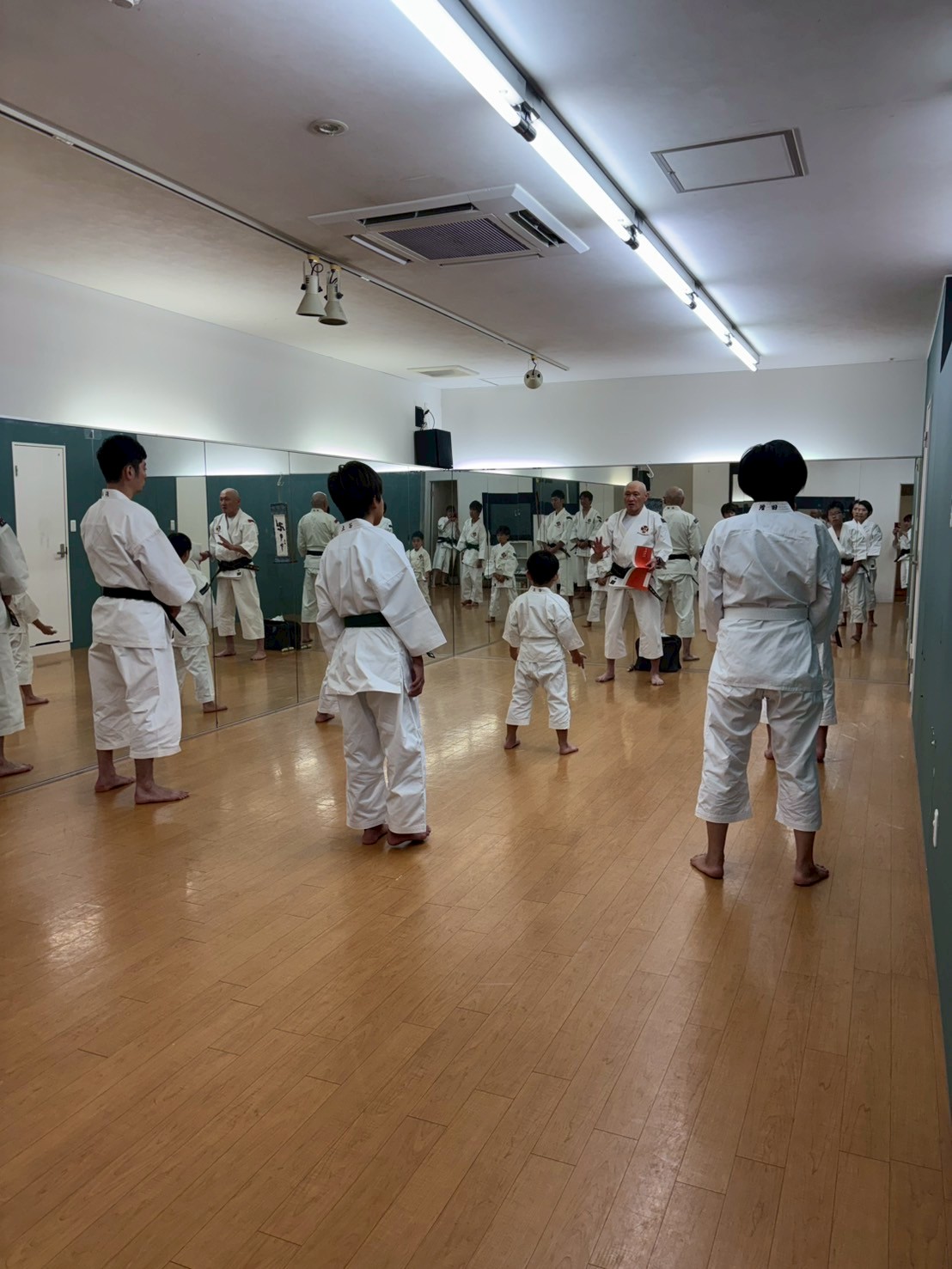
Japan has a martial art called “Shaolin Kempo,” but it has no direct connection to the Shaolin Temple in China. Shaolin Kempo is a unique Japanese martial art founded in 1947 by So Doshin, and is a systematized version of Chinese Shaolin Kung Fu and Japanese Jujutsu.
Shorinji Kempo is based on the principles of “self-establishment” and “mutual enjoyment,” emphasizing not only technique but also mental discipline. It is currently widely practiced both in Japan and internationally.
Cultural Exchange
In recent years, cultural exchange has taken place between the Shaolin Temple in China and Shorinji Kempo in Japan. Many Japanese people have also visited the Shaolin Temple in China to learn authentic Shaolin martial arts.
The Shaolin Temple martial arts troupe from China has also performed in Japan, showcasing authentic Shaolin martial arts.
Modern Challenges and Prospects for the Shaolin Temple
The Problem of Commercialization
In recent years, the excessive commercialization of the Shaolin Temple has been a subject of debate both domestically and internationally. Abbot Shi Yongxin has promoted the branding of the Shaolin Temple, actively pursuing overseas expansion and product development.
This has drawn criticism that it “loses its essence as a Buddhist temple.” On the other hand, there are arguments that it is a “necessary measure to maintain the temple and pass on its culture in modern society.”
Protection of Cultural Heritage
With its designation as a World Cultural Heritage site, the protection of Shaolin Temple’s cultural properties has attracted international attention. The challenge lies in balancing the increase in tourism with the protection of cultural heritage.
Transmission of Martial Arts
The transmission of traditional Shaolin martial arts is also a crucial issue. In modern times, the differences between modernized martial arts (wushu taolu) and traditional martial arts are a problem. The question is how to pass on practical techniques and spirituality to the next generation.
Internationalization
Shaolin Temple has established cultural centers around the world, striving to spread Shaolin culture internationally. As a result, Shaolin martial arts and Zen culture are practiced and studied worldwide.
In the future, Shaolin Temple is expected to continue developing while balancing the preservation of tradition with modernization, commercialization with spirituality.
Summary
Shaolin Temple is a world-renowned Buddhist temple and martial arts sanctuary with a history of over 1500 years. As the birthplace of Zen Buddhism and Shaolin Kung Fu, it occupies an important position in Chinese culture. The Shaolin Temple’s unique philosophy of “Zen-Budo Unification,” a fusion of the Zen tradition beginning with the legend of Bodhidharma and the martial arts tradition developed from practical combat, is a defining characteristic. This philosophy embodies Eastern wisdom that integrates body and mind, movement and stillness, martial arts and Zen.
Even today, the Shaolin Temple continues to welcome tourists and practitioners from around the world, disseminating its culture. While it faces challenges such as commercialization, it will undoubtedly continue to play a vital role as a valuable cultural heritage and living tradition.
Visiting the Shaolin Temple means more than just sightseeing. It is an opportunity to experience the culture of martial arts and Zen cultivated over a long history, and to feel the spirituality of the East.