Complete Guide to the 24 Flower Temples of Sanyo | A Pilgrimage of Flowers Filled with Prayers for Peace
What are the 24 Flower Temples of Sanyo?
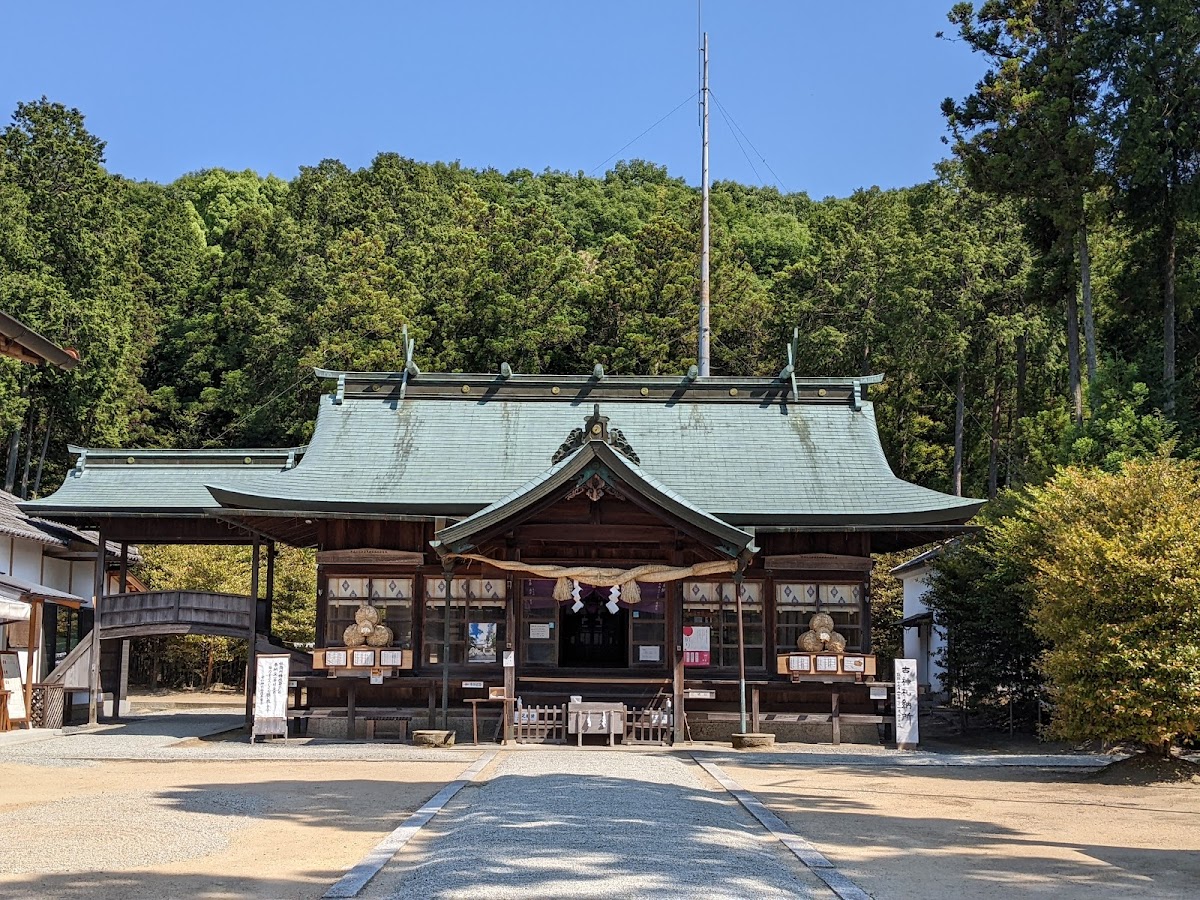
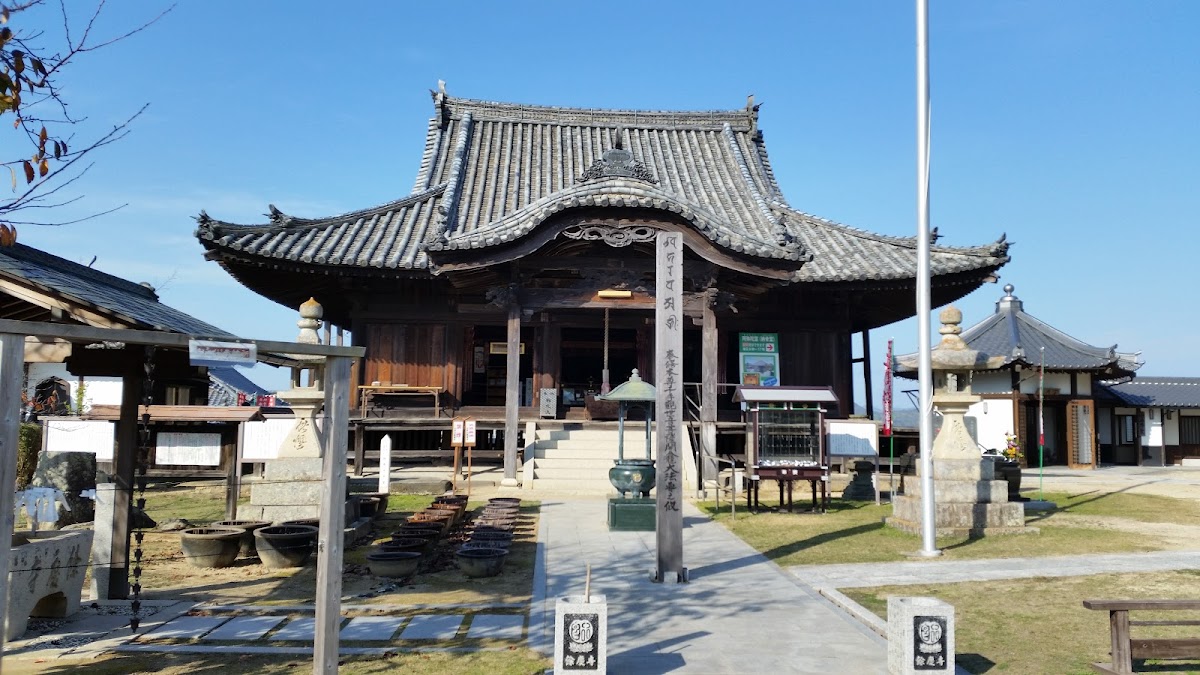
The 24 Flower Temples of Sanyo is a flower pilgrimage visiting 24 sacred sites scattered across Yamaguchi, Okayama, and Hiroshima prefectures. Established on April 8, 2010, this pilgrimage is more than just a temple tour; it’s a spiritual journey where many visitors seek peace of mind while visiting temples adorned with seasonal flowers and experiencing the compassion of Buddha.
A distinctive feature is the establishment of eight pilgrimage sites in each prefecture, following the analogy of Buddha’s aspiration for enlightenment as the “eight-petaled lotus flower.” The first temple on the pilgrimage route is Daishoin Temple in Miyajima, Hatsukaichi City, Hiroshima Prefecture. From there, the route proceeds clockwise westward, passing through Yamaguchi and Okayama Prefectures before returning to Hiroshima Prefecture, forming a circular pilgrimage path.
Background and Significance of the Founding
The Sanyo Flower Temples (24 temples) are a new sacred site in the Chugoku region, formed by the unification of historical temples across sectarian boundaries. Each temple boasts its own unique floral attractions, allowing pilgrims to enjoy a variety of flowers throughout the year: cherry blossoms and peonies in spring, hydrangeas and lotus in summer, spider lilies and autumn leaves in fall, and camellias and plums in winter.
The pilgrimage route is called the “Peace Road,” and its completion in Hiroshima, the city of peace, holds great significance. The founding of this sacred site has the noble purpose of preventing the memories of war from fading and passing on the wish for lasting peace to future generations.
Characteristics of the 24 Sanyo Flower Temples
Significance as a Peace Road
The reason the pilgrimage route of the 24 Sanyo Flower Temples is called the “Peace Road” is not simply because it starts and ends in Hiroshima, a city of peace. This circular path, beginning in Hiroshima, a city devastated by World War II, visiting historical temples throughout the Chugoku region, and returning to Hiroshima, is a spiritual journey that reminds us of the horrors of war and imprints the preciousness of peace in our hearts.
At each temple, one can deepen their prayers for peace by feeling the preciousness of life through the beauty of flowers and experiencing the compassionate spirit of Buddhism. In particular, completing the pilgrimage at the 24th temple, Kannonji (Hiroshima City), allows one to reaffirm their wish for peace.
The Meaning of the Eight-Petaled Lotus and the 8 Temples in Each Prefecture
In Buddhism, the lotus flower is considered a symbol of purity and enlightenment. The “eight-petaled lotus flower” in particular is an important symbol representing the Buddha’s Bodhicitta (aspiration for enlightenment). The Sanyo Flower Temples Twenty-Four Temples pilgrimage route, based on this teaching, has eight pilgrimage sites in each of Yamaguchi, Okayama, and Hiroshima prefectures.
The configuration of 3 prefectures x 8 pilgrimage sites = 24 temples is not merely a matter of numbers; it is a deeply meaningful arrangement that embodies Buddhist teachings. By visiting the eight pilgrimage sites in each prefecture, one progresses step by step towards spiritual purification and enlightenment, much like completing the petals of a lotus flower.
Trans-denominational Collaboration
One of the major characteristics of the Sanyo Flower Temples Twenty-Four Temples is the participation of various temples transcending denominational boundaries. Temples from different sects, such as Shingon, Soto, Rinzai, and Jodo, have come together under the theme of “flowers” and “peace,” forming a single sacred site.
This trans-denominational cooperation demonstrates a new form of Buddhism in the modern age and greatly contributes to promoting exchange between temples and preserving and passing on regional culture.
List of Pilgrimage Sites and the Charms of Each Temple
This section provides a detailed introduction to all 24 temples of the Sanyo Flower Temple Pilgrimage, organized by prefecture. Each temple has its own unique history and floral highlights, offering different experiences depending on the season.
Hiroshima Prefecture Pilgrimage Site (No. 1)
Temple No. 1: Daishoin (Miyajima-cho, Hatsukaichi City, Hiroshima Prefecture)
Located on Miyajima, a World Heritage site, Daishoin is an important starting point for the Sanyo Flower Temple Pilgrimage. As the head temple of the Omuro branch of Shingon Buddhism, it is a historic temple said to have been founded by Kobo Daishi Kukai. The temple grounds are adorned with flowers throughout the seasons, with the cherry blossoms in spring and the autumn foliage being particularly spectacular. The rhododendrons and azaleas are also beautiful, captivating visitors throughout the year.
Pilgrimage Sites in Yamaguchi Prefecture (Numbers 2-9)
Temple No. 2: Niidera Temple (Iwakuni City, Yamaguchi Prefecture)
Located in the mountains of Iwakuni City, Niidera Temple is a tranquil place where one can find peace of mind. Seasonal flowers are planted on the temple grounds, with the cherry blossoms in spring and the hydrangeas in early summer being particularly popular with visitors.
Temple No. 3: Hannya-ji Temple (Hirao Town, Yamaguchi Prefecture)
Located in Hirao Town, Hannya-ji Temple sits on a hill overlooking the Seto Inland Sea and is known for its magnificent views. Peonies and other flowers adorn the temple grounds.
Temple No. 4: Kanyo-ji Temple (Shunan City, Yamaguchi Prefecture)
Kanyo-ji Temple in Shunan City is a Soto Zen temple, and its charm lies in its serene space where one can feel the spirit of Zen. Seasonal flowers are beautifully arranged in the temple garden.
Temple No. 5: Ryuzo-ji Temple (Yamaguchi City, Yamaguchi Prefecture)
Ryuzo-ji Temple in Yamaguchi City is a historically significant temple with ties to the Ouchi clan. Various flowering trees and shrubs are planted on the temple grounds, and the cherry blossoms in spring are particularly magnificent.
Temple No. 6: Jizo-in Temple (Yamaguchi City, Yamaguchi Prefecture)
Jizo-in Temple in Yamaguchi City is a temple dedicated to Jizo Bodhisattva and is revered by the local people. The flowers on the temple grounds soothe the hearts of visitors throughout the seasons.
Temple No. 7: Sorin-ji Temple (Ube City, Yamaguchi Prefecture)
Sorin-ji Temple in Ube City is known as a Zen temple of the Rinzai sect, and its beautiful garden and seasonal flowers create a harmonious landscape.
Temple No. 8: Togyo-an (Shimonoseki City, Yamaguchi Prefecture)
Togyo-an Temple, associated with Takasugi Shinsaku, a patriot of the late Edo period, is a popular pilgrimage site for history buffs. The temple grounds are planted with various flowers, including camellias and cherry blossoms.
Temple No. 9: Kōzanji (Shimonoseki City, Yamaguchi Prefecture)
Kōzanji Temple in Shimonoseki City is known as a famous temple with a national treasure, the Buddha Hall. It is also famous as the site where Takasugi Shinsaku raised his army, and is a temple where you can enjoy both historical value and the beauty of flowers.
Temples in Okayama Prefecture (Temples No. 10 to No. 17)
Temple No. 10: Kiyamaji (Maniwa City, Okayama Prefecture)
Kiyamaji Temple in Maniwa City is located in the naturally rich environment of the Chūgoku Mountains. Wildflowers and other natural blossoms adorn the temple grounds throughout the seasons.
Temple No. 11: Iwayama (Takahashi City, Okayama Prefecture)
Iwayama in Takahashi City is a sacred site with a unique landscape created by giant rocks and nature. It is also known as a famous spot for rhododendrons, and many visitors come in the spring.
Temples No. 12 to No. 17
In Okayama Prefecture, many other historical temples have been selected as pilgrimage sites. By visiting temples located in diverse environments, from the Seto Inland Sea coast to the mountainous northern regions, you can experience the richness of Okayama Prefecture’s nature and culture.
Temple No. 17: Entsuji Temple (Tamashima, Kurashiki City, Okayama Prefecture)
Entsuji Temple in Tamashima, Kurashiki City, is a renowned Soto Zen temple known as the temple where Zen Master Ryokan trained. It is also the 7th temple of the Chugoku Kannon Pilgrimage, making it an important temple serving two pilgrimage routes. Seasonal flowers bloom on the temple grounds, with the cherry blossoms in spring and the autumn foliage being particularly spectacular.
Pilgrimage Sites in Hiroshima Prefecture (Nos. 18 to 24)
Temples No. 18 to No. 23
The pilgrimage sites in Hiroshima Prefecture are mainly located along the Seto Inland Sea coast. At each temple, you can enjoy a variety of flowers that thrive in the warm climate.
Temple No. 24: Kannonji Temple (Hiroshima City)
Kannonji Temple, the final temple of the Sanyo Flower Temples pilgrimage, is located within the city of Hiroshima, a city of peace. The pilgrimage, which began at Temple No. 1, Daishoin, completes its circle here. Concluding the pilgrimage at this temple, which enshrines Kannon Bodhisattva as its principal deity, by offering prayers for peace, holds profound significance.
How to Enjoy the Sanyo Flower Pilgrimage
Seasonal Flower Calendar
A major attraction of the Sanyo Flower Temples pilgrimage is the opportunity to enjoy different flowers throughout the year. Each temple has a “flower calendar,” revealing completely different scenery depending on the time of year you visit.
Spring (March-May)
- Cherry blossoms, plum blossoms, camellias, peonies, rhododendrons, azaleas, wisteria, etc.
- Many temples are in full bloom with cherry blossoms, making this the most vibrant season.
Summer (June-August)
- Hydrangeas, irises, lotus flowers, crape myrtle, etc.
- Hydrangeas during the rainy season are particularly spectacular.
Autumn (September-November)
- Spider lilies, bush clover, chrysanthemums, autumn leaves, etc.
- The beauty of the autumn leaves rivals the popularity of the cherry blossoms in spring.
Winter (December-February)
- Camellias, winter plum blossoms, daffodils, etc.
- The flowers blooming in the quiet temple grounds during winter possess a dignified beauty.
Goshuin Stamp Pilgrimage
At the 24 temples of the Sanyo Flower Temples pilgrimage, you can receive a Goshuin stamp at each location. A special stamp book is also available, allowing you to collect stamps from all 24 temples and preserve the sense of accomplishment of your pilgrimage. Each temple’s goshuin (temple stamp) features the temple’s characteristics, principal image, and a flower motif, making each one a beautiful work of art. Learning about the unique character and history of each temple through these stamps is one of the joys of pilgrimage.
How to Pilgrimage
There is no specific order for the pilgrimage to the 24 temples of the Sanyo Flower Temples, but it is generally recommended to start at the first temple, Daishoin, and visit them in order, concluding at the 24th temple, Kannonji.
Pilgrimage by Car
Because the pilgrimage spans three prefectures, traveling by car is the most efficient method. Using the Chugoku Expressway and Sanyo Expressway allows for relatively smooth travel. While parking is often available at each temple, it is recommended to check in advance.
Pilgrimage by Public Transportation
It is also possible to use the JR Sanyo Main Line and various bus routes, but some temples are inconveniently located, so careful planning is necessary. Plan your pilgrimage with ample time. Divided Pilgrimage
Since visiting all 24 temples in one go is difficult, it’s common to divide the pilgrimage by prefecture or region. Visiting in stages allows you to enjoy flowers in different seasons.
Pilgrimage Guidelines
A pilgrimage to sacred sites is not merely sightseeing, but a form of spiritual training. Please keep the following points in mind when undertaking your pilgrimage.
- Polite Worship: At each temple, visit the main hall and quietly offer your prayers.
- Appropriate Attire: Avoid flashy clothing and aim for clean, understated attire.
- Photography Etiquette: Photography is often permitted on temple grounds, but remember to be considerate of the interior of the main hall and other visitors.
- Environmental Consideration: Always take your trash with you and cherish the natural environment.
- Checking Hours: Check the visiting hours of each temple and the reception hours of the temple offices in advance.
Activities of the Sanyo Flower Temple Pilgrimage Association
The Sanyo Flower Temple Pilgrimage Association, which oversees the 24 temples of the Sanyo Flower Temple Pilgrimage, engages in various activities for the operation and development of the pilgrimage.
Information Dissemination and Public Relations Activities
Through its official website (hananotera24.jp), the association disseminates information on each temple, flower blooming status, and event schedules. It also actively publishes guidebooks and provides information to various media outlets.
Support for Pilgrims
We provide support to ensure pilgrims can safely visit the sacred sites, including the sale of pilgrimage notebooks and supplies, guidance on pilgrimage routes, and access information.
Collaboration with Local Communities
We collaborate with local tourism associations and municipalities to contribute to regional development through the pilgrimage. We also introduce tourist spots and local products around each temple.
Contribution to Peace Activities
We widely communicate the significance of the Peace Road and cooperate with peace education and peace activities. In particular, we demonstrate our desire for peace through concrete actions, such as participating in the Hiroshima Peace Memorial Ceremony.
Access and Pilgrimage Planning
Access to Major Temples
Temple No. 1: Daishoin (Miyajima, Hatsukaichi City, Hiroshima Prefecture)
- Take a ferry from JR Miyajimaguchi Station to Miyajima, then a 30-minute walk.
- Approximately 1 hour by car from Hiroshima city (including ferry).
Temple No. 9: Kozanji (Shimonoseki City, Yamaguchi Prefecture)
- Approximately 10 minutes by bus from JR Shimonoseki Station.
- Approximately 15 minutes by car from Shimonoseki IC on the Chugoku Expressway.
Temple No. 17: Entsuji (Kurashiki City, Okayama Prefecture)
- Approximately 15 minutes by car from JR Shin-Kurashiki Station.
- Approximately 10 minutes by car from Tamashima IC on the Sanyo Expressway.
Temple No. 24: Kannonji (Hiroshima City)
- Located in the city center of Hiroshima, accessible by public transportation.
Model Courses
3-Night, 4-Day Course (Completing All Temples)
Day 1: Hiroshima Prefecture (Temple No. 1) → Eastern Yamaguchi Prefecture (Temples No. 2-4)
Day 2: Central to Western Yamaguchi Prefecture (Temples No. 5-9)
Day 3: Okayama Prefecture (Temples No. 10-17)
Day 4: Hiroshima Prefecture (Temples No. 18-24)
1-Night, 2-Day Course (Prefectural Pilgrimage – Yamaguchi Prefecture)
Day 1: Temples No. 2-5
Day 2: Temples No. 6-9
Accommodation Information
There are various accommodations such as hotels, inns, and guesthouses around each temple. Especially for temples near hot springs, we recommend using a hot spring inn to soothe your pilgrimage fatigue.
Relationship with Related Sacred Sites
Some temples in the Sanyo Flower Temple Twenty-Four Temples pilgrimage also belong to other sacred sites.
Relationship with the Chugoku Kannon Pilgrimage
Entsuji Temple (No. 17) is also the 7th temple on the Chugoku Kannon Pilgrimage, making it possible to visit multiple pilgrimage sites simultaneously. The Chugoku region also has other pilgrimage sites, such as the Chugoku Thirty-Three Kannon Pilgrimage, and combining these pilgrimages is popular.
Other Flower Temple Pilgrimages
Nationwide, there are several pilgrimage sites themed around flowers, such as the “Kansai Twenty-Five Flower Temples.” The Sanyo Twenty-Four Flower Temples exchange information and interact with these pilgrimage sites, contributing to the development of flower temple culture.
The Charm of the Sanyo Twenty-Four Flower Temples
A Treasure Trove of History and Culture
Each of the 24 temples has a long history and has played an important role as a center of local culture and faith. Through pilgrimage, you can gain a deep understanding of the history and culture of the Chugoku region.
Harmony with Nature
Each temple is located in a naturally rich environment, allowing you to enjoy the beautiful scenery of mountains and the sea along with the flowers of each season. You can find peace of mind in nature and enjoy a quiet time away from the hustle and bustle of everyday life.
Healing and Growth
Pilgrimages to sacred sites are not merely sightseeing; they are spiritual journeys to confront oneself and seek inner peace. Through visiting each temple, the heart is purified, and new insights and growth can be gained.
Prayer for Peace
As a Peace Road, it provides an opportunity to reaffirm the preciousness of peace. Especially by starting and ending in Hiroshima, the tragedy of war and the importance of peace can be deeply imprinted on the heart.
Summary
The Sanyo Flower Temples Twenty-Four Temples are a modern pilgrimage site spanning Yamaguchi, Okayama, and Hiroshima prefectures, themed around flowers and peace. Since its founding in 2010, it has been loved by many visitors and plays an important role as a center of local culture and faith.
By visiting the 24 temples adorned with beautiful flowers of each season, you can find inner peace and healing. Furthermore, through its significance as a Peace Road, it allows you to deepen your prayers for peace.
You can visit all 24 temples at once, or in several separate visits. Finding your own pace and style of pilgrimage is one of the charms of this sacred site.
Be drawn in by the fragrant scents, open your heart to the beauty of the flowers, and touch upon the compassion of Buddha on this Sanyo Flower Pilgrimage. Why not spend a truly enriching time on this pilgrimage to the 24 flower temples of Sanyo?