Complete Guide to Tori Tenjo-ji Temple | The Charm and Access Information of the Historic Sacred Site on Mount Maya
Tori Tenjo-ji Temple is the head temple of the Maya-san Shingon sect, located in Maya-san-cho, Nada-ku, Kobe City, Hyogo Prefecture. Built on Mount Maya at an altitude of approximately 700 meters, it is the only temple in Japan that enshrines Maya, the mother of Shakyamuni Buddha, as its principal deity, and has long been revered as a sacred site for the protection of women. Commonly known as “Tenjo-ji” or “Maya-san Tenjo-ji,” it is a center of mountain worship in Kobe, attracting many pilgrims.
History of Tori Tenjo-ji Temple
Founding and the Hermit Hodo
The founding of Tori Tenjo-ji Temple dates back to the second year of the Taika era (646 AD). Founded by the legendary high priest Hodo Sennin, who is said to have come from India at the behest of Emperor Kotoku, Hodo Sennin is a legendary monk who is said to have arrived riding on a purple cloud and established many temples in the Kinki region, including Settsu Province and Harima Province.
From its inception, this area was positioned as a center of worship for Maya, and its mountain name was “Butsumo Maya-san” (Buddha Mother Maya Mountain). The temple name, “Toritenjo-ji,” is derived from “Toriten,” the Buddhist heavenly realm to which Maya is said to have ascended. Toriten is considered the dwelling place of Indra at the summit of Mount Sumeru and is also known as the Thirty-Three Heavens.
Connection with Kobo Daishi
It is said that in the early Heian period, Kobo Daishi (Kukai) visited this area and enshrined a statue of Maya that he had brought from Tang China. This connection established Tenjo-ji Temple’s position as an important sacred site of Shingon Esoteric Buddhism. Kobo Daishi designated Mount Maya as a sacred site second only to Mount Koya, and unlike Mount Koya, which was off-limits to women, Mount Maya took on special significance as a place to pray for the salvation of women.
Development from the Medieval to the Early Modern Period
During the medieval period, numerous halls and pagodas were built, and the temple flourished as one of the largest temples in Settsu Province. Especially from the Muromachi period to the Edo period, the worship of Maya spread among the common people, attracting many female pilgrims as a sacred site for praying for safe childbirth and child-rearing. It was widely revered as the guardian deity of the eight provinces surrounding Osaka Bay and the temple itself.
During the Edo period, it was a famous landmark in Settsu Province, attracting many pilgrims, and tea houses and lodgings lined the approach to the temple. In the Meiji era, the railway connecting Kobe and Osaka opened, further improving access. Temple prints and other souvenirs were also sold for visitors.
The Showa Era Fire and Reconstruction
The most significant turning point in the history of Toritenjo-ji Temple was the fire that occurred in the early morning of January 30, 1976 (Showa 51). This fire, believed to have been caused by arson by a thief stealing offerings, almost completely destroyed the main hall, golden hall, and pagoda, with the exception of the Niomon gate and some sub-temples and living quarters.
Many cultural artifacts that had been passed down for over a thousand years were lost, leaving a deep scar on the temple’s history. However, fortunately, the principal image of the Eleven-Headed Kannon and the statue of Maya Goddess escaped the fire and are still enshrined there today.
After the fire, the temple was rebuilt at its current location near the mountaintop. The temple complex was relocated approximately 200 meters higher than its original site, offering a better view, resulting in its current appearance. During the reconstruction, thanks to donations from across the country and the cooperation of believers, the main buildings, including the main hall, were restored in stages.
Current Sect and Lineage
Currently, Tōri Tenjōji Temple has formed an independent sect as the head temple of the Maya-san Shingon sect. Originally belonging to the Kōya-san Shingon sect, it operates as its own distinct sect, based on its unique form of worship—the worship of Lady Maya—and its long history.
Principal Image and Beliefs
Eleven-Faced Kannon Bodhisattva
The principal image of Tōri Tenjōji Temple is the Eleven-Faced Kannon Bodhisattva. This Kannon statue is extremely small, measuring 1.8 inches (approximately 5.5 centimeters), and is said to have been created by Shakyamuni Buddha himself at the age of 42, with the vow of saving all sentient beings, and dedicated to his mother, Lady Maya.
This Kannon statue, said to have been brought to Japan from India by the hermit Hodo, is known as the “Eleven-Faced Kannon of Shakyamuni’s Imagination, measuring 1.8 inches,” and has been revered as the guardian deity of the Osaka Bay area and the eight provinces surrounding the temple. Due to its small size, it is considered a hidden Buddha, usually enshrined in a shrine and only unveiled on special occasions.
Mother of Buddha Maya
Another principal deity of Toritenjo-ji Temple is Mother of Buddha Maya, the mother of Shakyamuni. Maya is said to have died seven days after giving birth to Shakyamuni and ascended to the Trayastrimsa heaven. This statue, brought from Tang China by Kobo Daishi, is enshrined in the Maya Hall.
Toritenjo-ji Temple is the only temple in Japan that enshrines Mother of Buddha as its principal deity, and this is widely known as a “unique feature in Japan.” As a deity associated with safe childbirth, fertility, and child-rearing, it attracts particularly fervent devotion from women.
Faith in the Protection of Women
Tohri Tenjo-ji Temple has long been known as a sacred site for the protection of women. While Mount Koya was off-limits to women, Mount Maya actively welcomed women and developed as a temple that catered to women’s unique wishes.
Prayers continue to flock to the temple to pray for safe childbirth, fertility, child-rearing, and for the health and happiness of women. Pregnant women, women expecting to give birth, and mothers with young children, in particular, visit seeking the protection of Lady Maya.
Highlights of the Temple Grounds
Kondo (Main Hall)
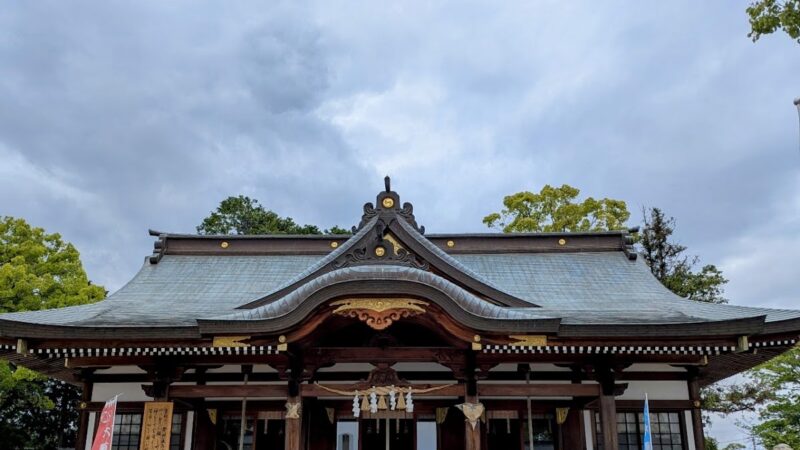
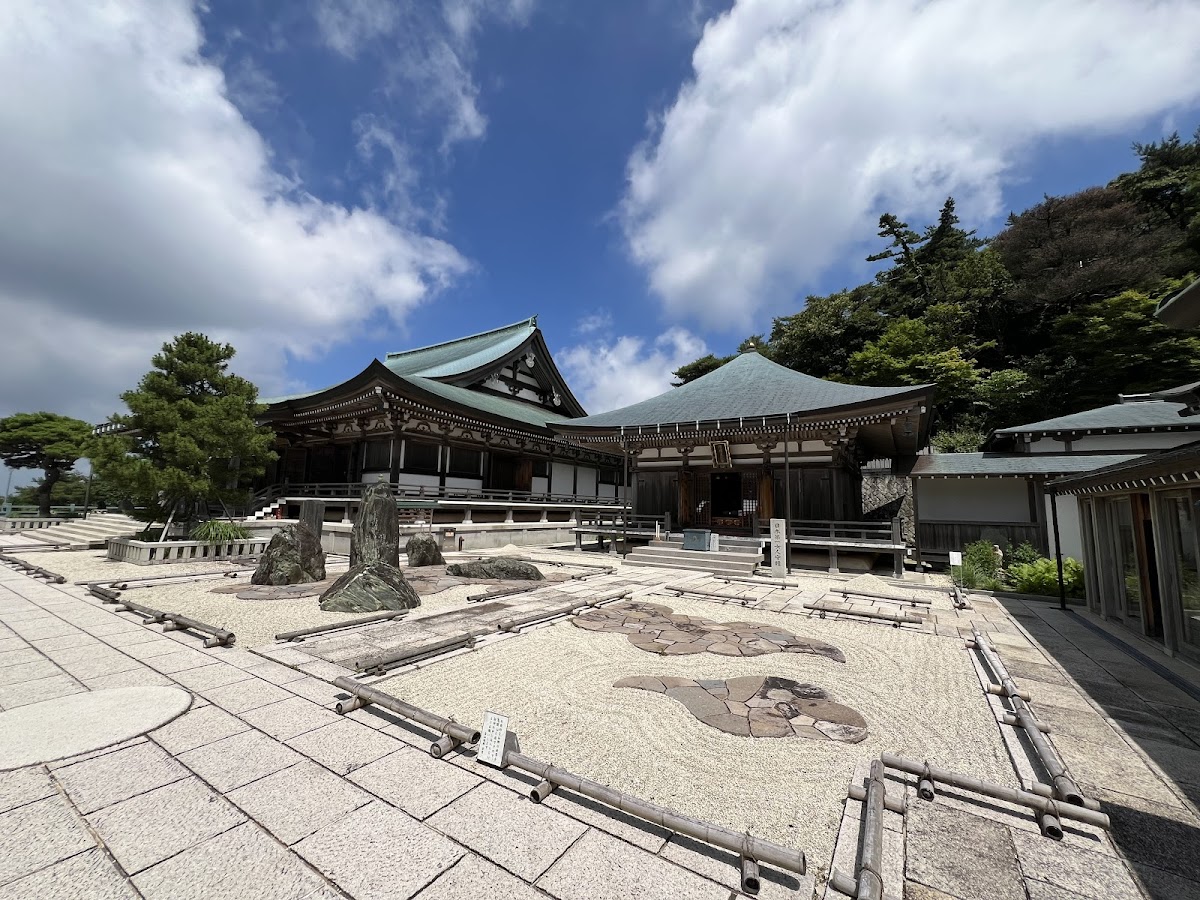
The Kondo is the largest building at Tohri Tenjo-ji Temple and serves as the temple’s main hall. After being destroyed by fire in 1976, it was rebuilt at its current location on the mountaintop. Inside, the principal image, the Eleven-Faced Kannon Bodhisattva, is enshrined, creating a solemn atmosphere.
From the main hall, you can enjoy a panoramic view of Kobe city and Osaka Bay, and on clear days, you can even see as far as Awaji Island and the Kii Peninsula. The opportunity to enjoy a spectacular view while praying is a major attraction of this temple.
Maya-fujin Hall
The Maya-fujin Hall, which enshrines the statue of Maya-fujin, is the most important place of worship for female visitors. The hall houses the statue of Maya-fujin, said to have been brought by Kobo Daishi, and is constantly visited by worshippers praying for safe childbirth and successful child-rearing.
In front of the hall, numerous votive tablets depicting pregnant women and mothers holding children are offered, illustrating the temple’s popularity among women.
Niomon Gate
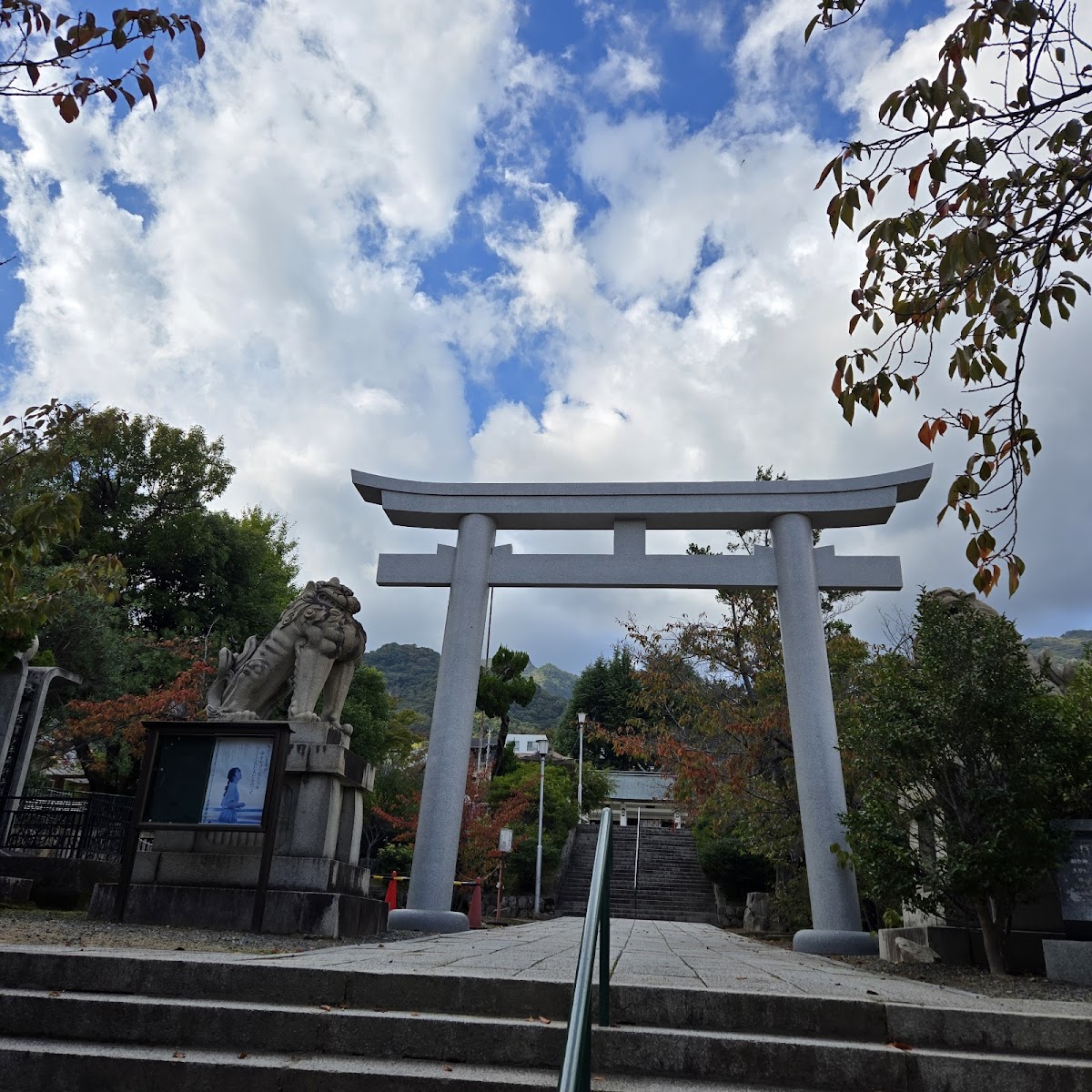
The Niomon Gate is one of the few structures that survived the fire of 1976. This gate, which welcomes visitors as the temple gate, houses powerful Nio statues that guard the boundaries of the temple grounds. As a valuable structure that conveys the history from before the fire, many visitors stop to admire it.
Views from the Temple Grounds
Located on a mountaintop approximately 700 meters above sea level, the view from Toritenjo-ji Temple is known as one of Kobe’s most spectacular scenic spots. Situated at the eastern edge of Setonaikai National Park, it offers a panoramic view of the Rokko Mountains and the beautiful Seto Inland Sea.
Especially at sunset, the scene of the setting sun over Osaka Bay interwoven with the Kobe cityscape is beautiful, attracting many photography enthusiasts. The night view is also magnificent, offering a glimpse of Kobe’s nightscape, considered one of Japan’s three greatest night views, from the tranquil space of the temple.
Toritenjo-ji Temple as a Pilgrimage Site
Toritenjo-ji Temple is designated as a pilgrimage site for several sacred places, and many pilgrims visit it.
Pilgrimage Route of Shinto and Buddhist Sacred Sites, No. 69 (No. 4 in Hyogo Prefecture)
The Pilgrimage Route of Shinto and Buddhist Sacred Sites is a pilgrimage route visiting shrines and temples in the Kinki region. Toritenjo-ji Temple is designated as the 69th temple (No. 4 in Hyogo Prefecture). As a pilgrimage route based on the spirit of Shinto-Buddhist syncretism, many worshippers visit seeking Goshuin (temple stamps).
New Saigoku Thirty-Three Kannon Pilgrimage, No. 22
This is also the 22nd temple of the New Saigoku Thirty-Three Kannon Pilgrimage, a pilgrimage route dedicated to Kannon. Because its principal image is the Eleven-Faced Kannon, it holds an important position as a pilgrimage site for Kannon worship.
Settsu Province Eighty-Eight Temples, No. 80
As the 80th temple of the Settsu Province Eighty-Eight Temples Pilgrimage (present-day northern Osaka Prefecture and southeastern Hyogo Prefecture), it attracts the faith of the local community.
Kansai’s Twenty-Five Flower Temples, No. 10
Selected as the 10th temple in the Kansai’s Twenty-Five Flower Temples, the temple grounds are adorned with flowers of all seasons. The rhododendrons in spring and the autumn foliage are particularly beautiful, offering different expressions with each season.
Visiting Information
Visiting Hours and Fees
- Visiting Hours: 9:00 AM – 5:00 PM (may vary depending on the season)
- Admission Fee: Free entry to the grounds (some facilities may require a fee)
- Closed Days: Open daily (caution advised during severe weather)
Location
2-12 Mayasan-cho, Nada-ku, Kobe City, Hyogo Prefecture 657-0105
The temple office also offers Goshuin (temple stamps), and you can receive stamps from multiple temples. Various prayers, such as prayers for safe childbirth and prayers for child-rearing, are also accepted.
Access Methods
Access to the Trayastrimsa Temple requires combining multiple modes of transportation due to its mountaintop location.
Using Public Transportation
Most Common Route:
- Take Kobe City Bus Route 18 from JR Sannomiya Station or Hankyu/Hanshin Kobe Sannomiya Station.
- Get off at the Maya Cable Shita bus stop (approximately 25 minutes).
- Take the Maya View Line (Maya Cable Car) and get off at Niji Station.
- Transfer to the Maya View Line (Maya Ropeway) and get off at Hoshi Station.
- From Hoshi Station, it’s about a 10-minute walk to Toritenjo-ji Temple.
Maya View Line Operation Information:
- Operating Hours: Varies by season (please check).
- Closed: Tuesdays (or the following day if Tuesday is a public holiday), New Year holidays.
- Fare: Round-trip tickets for the cable car and ropeway are available.
Access by Car
You can access Mount Maya in approximately 15 minutes from the Maya Ramp on the Hanshin Expressway Route 3 Kobe Line. However, the mountain road is narrow and has many sharp curves, so caution is required when driving.
There is a parking lot near the temple, but the number of spaces is limited, so we recommend using public transportation on holidays and during events.
Hiking Courses
Mt. Maya has several hiking courses, and it is possible to climb on foot. The main courses are as follows:
- Aotani Trail: Approximately 2 hours 30 minutes from Oji Park Station
- Tenjoji Trail: Approximately 1 hour 30 minutes from Maya Cable Car Station
- Ueno Trail: Approximately 2 hours from Oji Park Station
These courses are for those with strong legs, but they offer the charm of enjoying the changing seasons while visiting the temple.
Nearby Attractions
Maya Mountain Kikuseidai Observatory
Located about a 15-minute walk from Toritenjo-ji Temple, Maya Mountain Kikuseidai Observatory is a viewpoint known as one of Japan’s “Three Great Night Views.” The night view of Kobe and Osaka from an altitude of approximately 700 meters is breathtaking, and it was given this name because it is so beautiful that you could “scoop up the stars with your hands.”
Rokko Mountain Ranch
If you head from Mount Maya towards Mount Rokko, you will find Rokko Mountain Ranch. You can interact with sheep and cows in the vast ranch and enjoy dairy products such as cheese and ice cream.
Hiking in the Rokko Mountain Range
Mount Maya is part of the Rokko Mountain Range, and many hiking trails are maintained in the surrounding area. Popular courses include the traverse to the highest peak of Mount Rokko (931 meters) and the Twenty Cross, making it a favorite among mountain climbing enthusiasts.
Annual Events
At Toritenjo-ji Temple, various Buddhist services and events are held throughout the year.
Main Annual Events
- January: Shusho-e (New Year’s Ceremony), Hatsumode (First Shrine Visit of the Year)
- February: Setsubun-e (Bean-Throwing Festival)
- April 8th: Hanamatsuri (Flower Festival) (Buddha’s Birthday Celebration)
- August: Obon (Buddha’s Festival)
- Autumn: Maya-san Laughing Festival (Held in the surrounding area)
- December: New Year’s Eve Bell Ringing
The Hanamatsuri, in particular, is an important event celebrating the birth of Buddha, and holds special significance at this temple, which enshrines Maya, the wife of Buddha.
Nature and Seasons of Mount Maya
Spring
In spring, cherry blossoms and rhododendrons bloom profusely in the temple grounds and surrounding mountains. As one of the 25 temples designated as “Kansai’s Flower Temples,” a variety of colorful flowers welcome visitors. The beauty of the fresh greenery is exceptional, making it an ideal season for hiking.
Summer
Due to its high altitude, it remains relatively cool even in summer. Temperatures are about 5 degrees Celsius lower than in Kobe city, making it a popular summer retreat. The temple grounds, enveloped in lush greenery, offer a tranquil space that allows you to forget the hustle and bustle of the city.
Autumn
Autumn foliage is one of Mount Maya’s greatest attractions. Maple and other trees change color, painting the temple grounds in shades of red and yellow. The view of Kobe city and the sea through the autumn leaves captivates visitors.
Winter
In winter, snow sometimes accumulates, creating a magical atmosphere on the snow-covered temple grounds. The clear air enhances the beauty of the views, and the winter night view is particularly spectacular.
Cultural Properties and Temple Treasures
Although many cultural properties were lost in a fire in 1976, important temple treasures are still preserved here.
Principal Image: Eleven-Headed Kannon Statue
The principal image, measuring 1.8 inches, is kept strictly guarded as a hidden Buddha and can only be viewed during special unveilings. This Buddha statue, said to have been created by Shakyamuni himself, is of extremely important religious significance.
Statue of Maya
The statue of Maya, said to have been brought by Kobo Daishi, is also one of the temple’s most important treasures. As a guardian deity of women, it attracts many followers.
Ancient Documents
Some ancient documents and records that survived the fire are preserved as valuable materials that tell the story of the temple’s long history.
Points to Note When Visiting
Clothing and Items to Bring
Because the temple is located on a mountaintop, appropriate clothing for the season is important. Even in summer, it is recommended to bring a jacket. If you are visiting by hiking, be sure to prepare hiking boots, drinks, and rain gear.
Etiquette for Visiting the Temple
As this is a Shingon Buddhist temple, the basic etiquette for visiting is as follows:
- Bow at the Niomon Gate before entering the temple grounds.
- Cleanse your hands and mouth at the water basin.
- Pay your respects to the main deity at the Kondo Hall (by joining your hands in prayer and bowing).
- Pay your respects to Maya-fujin at the Maya-fujin Hall.
- If you wish to receive a Goshuin (temple stamp), please go to the temple office.
Photography
Photography is generally permitted on the temple grounds, but photography inside halls and of Buddha statues may be prohibited. Please check before taking photos or follow the signs.
Summary
Touri Tenjo-ji Temple is a venerable temple with a history of nearly 1400 years, and is a special place as the only temple in Japan that enshrines Maya-fujin, the mother of Shakyamuni Buddha. Its resilience after overcoming the ordeal of a fire in 1976 and its reconstruction on a new site on the mountaintop speaks to the power of faith and the strength of people’s wishes.
As a sacred site for the protection of women, it constantly attracts worshippers praying for safe childbirth and child-rearing. Furthermore, as it is designated as one of several pilgrimage sites, it also draws many pilgrims. The breathtaking views from an altitude of 700 meters and the beauty of nature throughout the seasons are major attractions.
While access requires time and effort, the time spent in the tranquil temple grounds on the mountaintop is truly special. When visiting Kobe, be sure to climb Mount Maya and experience the history, faith, and beautiful scenery of Toritenjo-ji Temple.
If using public transportation, be sure to check the operating status of the Maya View Line in advance. Especially note that it is closed on Tuesdays, so plan your visit accordingly. Also, since the weather on the mountaintop can change quickly, it is recommended to check the weather forecast and dress appropriately.