Complete Guide to Hassho Shrines: A Thorough Explanation of the History, Deities, and Blessings of Hassho Shrines Nationwide
Hassho Shrines are numerous shrines located throughout Japan, each possessing its own unique history and beliefs. The name “Hassho” originates from the worship of eight deities, and the enshrined deities and history vary by region. This article provides a detailed explanation of the historical background, enshrined deities, cultural assets, and blessings of Hassho Shrines throughout Japan.
What are Hassho Shrines?
The “Hassho” in Hassho Shrines refers to the worship of eight deities. In Japanese Shinto, “hashira” (pillar) is used as a unit of counting deities, and the name “○-sho Shrine” is sometimes used when multiple deities are enshrined together.
There are several Hachisho Shrines throughout Japan, the main ones being:
- Hachisho Shrine in Zaiga-cho, Toyokawa City, Aichi Prefecture
- Hachisho Shrine in Toyoyama-cho, Nishikasugai-gun, Aichi Prefecture
- Hachisho Shrine in Yahatanishi-ku, Kitakyushu City, Fukuoka Prefecture
- Hachisho Shrine in Mizumaki-cho, Onga-gun, Fukuoka Prefecture
- Hachisho-gu in Hakata-ku, Fukuoka City, Fukuoka Prefecture
- Hachisho Shrine in Otsu City, Shiga Prefecture
Each is an independent shrine that attracts local devotion.
Hachisho Shrine in Zaiga-cho, Toyokawa City, Aichi Prefecture
History and Origin
Hachisho Shrine, located on Kannon-yama in Zaiga-cho, Toyokawa City, Aichi Prefecture, has deep ties to Zaiga-ji Temple. Zaiga-ji Temple is an ancient temple said to have been founded by Gyoki at the behest of Emperor Shomu, and Hachisho Shrine has functioned as its guardian shrine.
From the medieval to the early modern period, this Hachisho Shrine was revered by many samurai warriors. In particular, Oda Nobunaga donated land to the shrine, contributing to its maintenance. However, during the time of Toyotomi Hideyoshi, many temple and shrine lands were confiscated as part of a nationwide land survey policy, and the Hachisho Shrine’s lands were also confiscated.
In the Edo period, Matsudaira Tadayoshi, the fourth son of Tokugawa Ieyasu, worked diligently to restore the shrine by repairing the shrine buildings and donating land. Matsudaira Tadayoshi was a key figure in establishing the Owari Domain and was actively involved in protecting temples and shrines in this region.
Cultural Properties
Hachisho Shrine in Toyokawa City possesses valuable cultural properties.
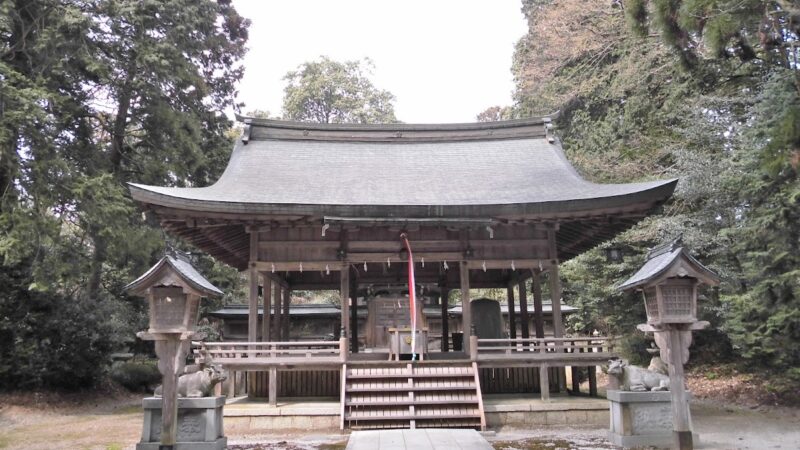
The Hachisho Shrine Main Hall is an Edo period building constructed in 1724 (Kyoho 9). It is a single-story wooden building with a shingle roof. Although small in size (0.8 square meters), it retains many characteristics of mid-Edo period shrine architecture and is protected as a cultural property.
The Hachisho Shrine Worship Hall was built in 1826 (Bunsei 9). It is a single-story wooden building with a tiled roof. With a building area of 24 square meters, it is valued as a precious surviving example of late Edo period architecture.
These structures are registered as cultural heritage of Aichi Prefecture and are important for conveying the region’s history to the present day.
Location and Access
- Location: 2 Kannonyama, Zaiga-cho, Toyokawa City, Aichi Prefecture
- Access: Adjacent to Zaiga-ji Temple, it can be visited when visiting Zaiga-ji Temple.
Hachisho Shrine in Toyoyama-cho, Aichi Prefecture
Overview
Hachisho Shrine, located in Toyoba, Toyoyama-cho, Nishikasugai-gun, Aichi Prefecture, is revered as the local guardian deity. Toyoyama-cho is known as the town where Nagoya Airport (Aichi Prefectural Nagoya Airport) is located, and Hachisho Shrine functions as a shrine closely integrated into the lives of the local residents.
History
The exact founding date of Hachisho Shrine in Toyoyama Town is unknown, but it has been revered as a guardian deity of the region since ancient times. It enshrines eight deities and has been passed down through generations as a place to pray for abundant harvests, family safety, and regional prosperity.
Location
- Location: Toyoba, Toyoyama-cho, Nishikasugai-gun, Aichi Prefecture
Hachisho Shrine in Nome, Yahata-Nishi-ku, Kitakyushu City, Fukuoka Prefecture
History and Legend
Hachisho Shrine, located at 1-18-53 Nome, Yahata-Nishi-ku, Kitakyushu City, Fukuoka Prefecture, is situated just west of the Yahata Interchange on the Kyushu Expressway, slightly outside the residential area.
Its coordinates are 130 degrees 44 minutes 40.04 seconds east longitude and 33 degrees 46 minutes 41.96 seconds north latitude, and it has long been a center of faith in this region.
Features of the Shrine Grounds
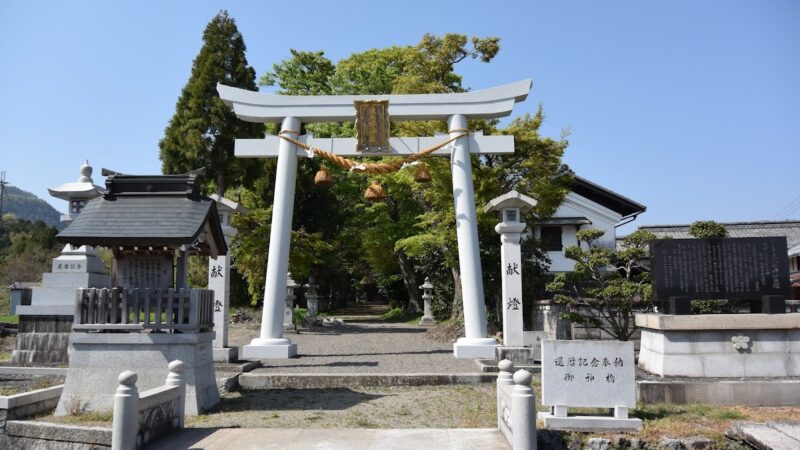
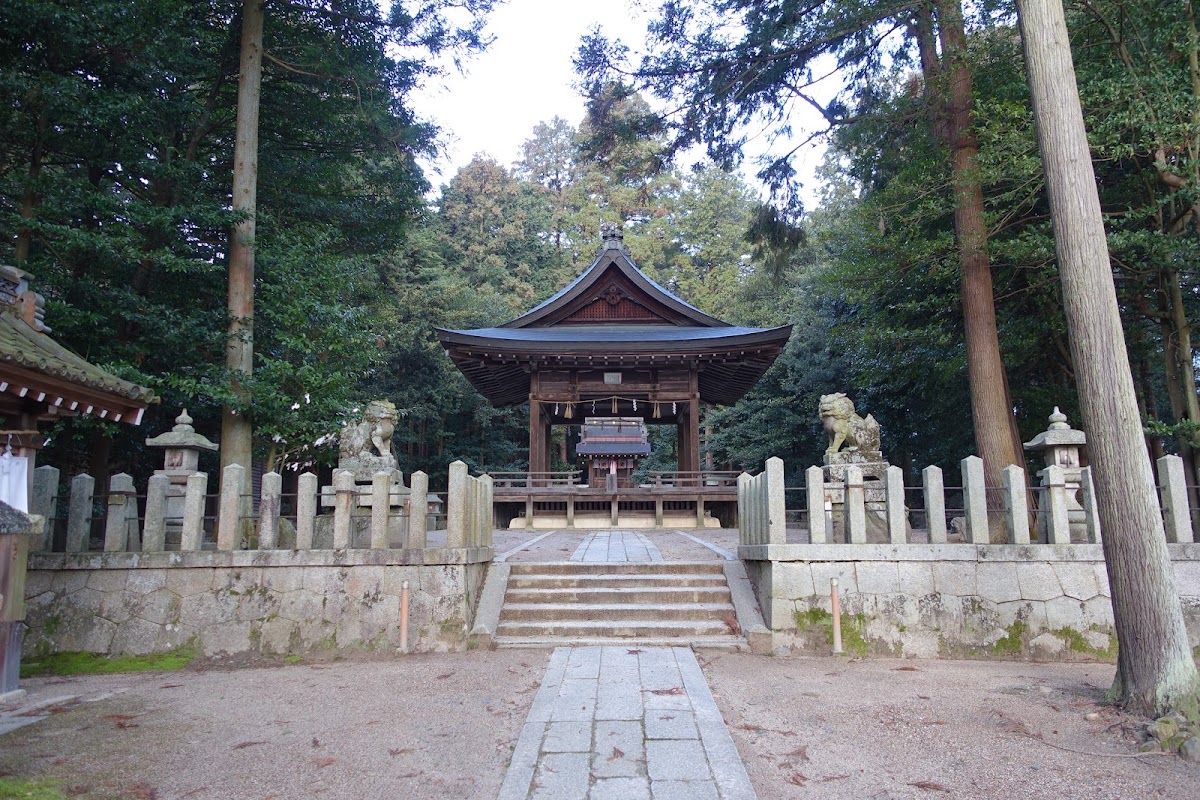
The shrine grounds feature multiple torii gates, and guardian lion-dogs (komainu) greet visitors as they proceed along the path. The purification fountain, worship hall, and main shrine are neatly arranged, attracting the devotion of the local people.
Location
- Location: 1-18-53 Nome, Yahata-Nishi Ward, Kitakyushu City, Fukuoka Prefecture
- Coordinates: 130°44′40.04″E, 33°46′41.96″N
Hachisho Shrine, Mizumaki Town, Onga District, Fukuoka Prefecture
Legend of Yamato Takeru
Hachisho Shrine, located in Mizumaki Town, Onga District, Fukuoka Prefecture, is a shrine associated with the legend of Yamato Takeru no Mikoto.
According to the shrine’s history, a small mountain called “Ukishima” (Floating Island) has been the shrine grounds since ancient times. It is said that Yamato Takeru landed on this Ukishima and prayed for victory during his campaign against the Kumaso people. This legend is an important element that traces the shrine’s origins back to ancient times.
Connection between Faith and the Community
Hachisho Shrine in Mizumaki Town is a sacred site since ancient times, attracting the faith of local residents and serving as an important presence that conveys the history and culture of the region to the present day.
Hachisho Shrine in Hakata Ward, Fukuoka City, Fukuoka Prefecture
Deities and Origin
Hachisho Shrine, located in Hakata Ward, Fukuoka City, is an ancient shrine that enshrines four pairs of married deities, or eight gods, who appear in Japanese mythology.
The enshrined deities are as follows:
- Izanagi-no-Mikoto
- Izanami-no-Mikoto
- Six other married deities
The name “Hachisho-gu” (Eight Shrines) comes from the fact that these four pairs of married deities are enshrined here.
Benefits
Because it enshrines married deities, it is believed to offer the following benefits:
- Matchmaking
- Marital harmony
- Family safety
- Prosperity of descendants
Many visitors come seeking marital harmony and good relationships.
Hachisho Shrine, Otsu City, Shiga Prefecture
Historical Background
Hachisho Shrine, located in Otsu City, Shiga Prefecture, is a shrine deeply connected to the history of Omi Province. This region flourished as a transportation hub from ancient times, and many temples and shrines were built here.
The name Hachisho Shrine is said to originate from the fact that it enshrines eight deities, combining seven shrines and one deity. As a guardian deity of the region, it has attracted the faith of people for many years.
Connection to the Region
Hachisho Shrine in Otsu City holds an important position as a historical resource for the region and is indispensable for studying the history of Omi.
Deities and Benefits of Hachisho Shrine
The deities enshrined at Hachisho Shrines vary from shrine to shrine, but a common characteristic is that multiple deities are enshrined together.
Connection to the Region
Hachisho Shrine in Otsu City holds an important position as a historical resource for the region and is indispensable for studying the history of Omi.
Deities and Benefits of Hachisho Shrine
The deities enshrined at Hachisho Shrines vary from shrine to shrine, but a common feature is that multiple deities are enshrined together.
Connection to the Region
Hachisho Shrine in Otsu City holds an important position as a historical resource for the region and is indispensable for studying the history of Omi.
Deities and Benefits of Hachisho Shrine
The deities enshrined at Hachisho Shrines vary from shrine to shrine, but a common characteristic is that multiple deities are enshrined together. ### Common Deities Enshrined
- Amaterasu Omikami
- Hachiman Okami
- Kasuga Okami
- Sumiyoshi Okami
- Other Local Deities
Main Benefits
The following are some of the benefits you can expect at Hachisho Shrine:
- Abundant Harvest: Prosperity and bountiful harvests in agriculture
- Family Safety: Health and safety of the family
- Business Prosperity: Success and development of business
- Protection from Misfortune: Protection from disasters
- Matchmaking: Success in finding a good partner (especially when enshrining a married couple deity)
- Prosperity of Descendants: Blessings of children and the prosperity of descendants
Architectural Style and Cultural Assets of Hachisho Shrine
Edo Period Buildings
In particular, the Hachisho Shrine in Toyokawa City, Aichi Prefecture, boasts well-preserved Edo period buildings.
The main hall was built in 1724 (Kyoho 9) and utilizes the traditional roofing technique of kokera-buki. Kokera-buki is a method of laying thin wooden planks in layers, requiring advanced skills.
The worship hall was built in 1826 (Bunsei 9) and features a tiled roof. It is registered as a cultural property as a valuable example of late Edo period architecture.
Komainu and Stone Sculptures
Many Hachisho Shrines have komainu (guardian lion-dogs) placed along the approach to the shrine. Komainu are guardian beasts of the shrine, and are placed in pairs, one with an open mouth (A-gyo) and the other with a closed mouth (Un-gyo). These stone sculptures are also important cultural properties that reflect the history of the shrine.
The Connection Between Hachisho Shrine and Warlords
Donation by Oda Nobunaga
Records show that Oda Nobunaga donated land to Hachisho Shrine in Toyokawa City, Aichi Prefecture. Nobunaga was from Owari Province and solidified the foundation of his rule by protecting local temples and shrines. His donation to Hachisho Shrine is thought to have been part of this policy.
Confiscation of Shrine Land by Toyotomi Hideyoshi
During the era of Toyotomi Hideyoshi, the Taiko Kenchi (land survey) was implemented nationwide, resulting in the confiscation of many temple and shrine lands. Hachisho Shrine’s land was also subject to confiscation, leading to a period of economic hardship for the shrine.
Support for Restoration by Matsudaira Tadayoshi
In the Edo period, Matsudaira Tadayoshi, the fourth son of Tokugawa Ieyasu, dedicated himself to the restoration of Hachisho Shrine. As the lord of the Kiyosu Domain (later the foundation of the Owari Domain), Matsudaira Tadayoshi was actively involved in protecting temples and shrines within his territory. They contributed to the restoration of the shrine by repairing the shrine buildings and donating land to the shrine.
Donations by Successive Feudal Lords
Throughout the Edo period, local feudal lords made donations to Hachisho Shrine, cooperating in its maintenance. Some of these donations are still preserved as cultural assets today.
Annual Events at Hachisho Shrine
Hachisho Shrine holds various festivals and events throughout the year.
Grand Festival
Many Hachisho Shrines hold their grand festival in the autumn. It is an important festival to give thanks for a bountiful harvest and pray for the prosperity of the region. A procession of portable shrines and devotional performances take place, with all local residents participating.
First Shrine Visit of the New Year
Many worshippers visit the shrine for their first shrine visit of the new year. The custom of praying for safety and well-being throughout the year and welcoming the new year at the shrine continues.
Monthly Festival
A monthly festival is held on a fixed day each month, where daily gratitude and prayers are offered.
Etiquette for Visiting Hachisho Shrine
Basic Worship Method
- Passing Through the Torii Gate: Bow before passing through the torii gate.
- Purifying at the Water Basin: Purify your left hand, right hand, and mouth in that order.
- Walking Along the Path: Walk along the sides of the path, as the center is considered the path of the gods.
- Worshiping at the Main Hall: Worship using the two bows, two claps, and one bow ritual.
- Expressing Gratitude: Express gratitude not only for your requests but also for the blessings you receive each day.
Amulets and Goshuin (Shrine Seals)
Many Hachisho Shrines offer amulets and goshuin (shrine seals). Each shrine has its own unique amulets, which are popular as souvenirs of your visit.
Tourist Attractions Around Hachisho Shrine
Around Toyokawa City, Aichi Prefecture
When visiting Hachisho Shrine in Toyokawa City, you can also visit the following spots:
- Zaigakuji Temple: An ancient temple adjacent to Hachisho Shrine
- Toyokawa Inari Shrine: One of Japan’s three major Inari shrines
- Togashika Shrine: The Ichinomiya (first-ranked shrine) of Mikawa Province
Around Kitakyushu City, Fukuoka Prefecture
Around Hachisho Shrine in Kitakyushu City:
- Sarakurayama Mountain: A symbolic mountain of Kitakyushu City
- Government-Owned Yawata Steel Works Related Facilities: A World Heritage Site
- Mojiko Retro District: A group of historical buildings
Around Hakata Ward, Fukuoka City
Around Hachisho Shrine:
- Kushida Shrine: The guardian shrine of Hakata
- Tochoji Temple: A temple associated with Kobo Daishi
- Hakata Machiya Furusato-kan: A facility where you can learn about the history and culture of Hakata
The Modern Role of Hachisho Shrine
Center of the Local Community
Hachisho Shrine continues to function as a central presence in the local community even today. Through festivals and events, it serves as a place for local residents to interact and strengthens community bonds.
Place for Historical Education
Hachisho Shrine, possessing cultural assets, is a valuable place for learning about local history. It is utilized as a place for school education and lifelong learning, contributing to the transmission of history to future generations.
Value as a Tourism Resource
Hachisho Shrine, with its historical buildings and cultural assets, is also attracting attention as a tourism resource. Many tourists visit as part of historical sightseeing and cultural heritage tours.
Summary
Hachisho Shrines are located throughout Japan, each with its own unique history and beliefs. The Hachisho Shrine in Toyokawa City, Aichi Prefecture, has connections to Oda Nobunaga and Matsudaira Tadayoshi, and preserves valuable Edo-period architecture. The Hachisho Shrine and Hachisho-gu in Fukuoka Prefecture have unique histories, including legends of Yamato Takeru and the worship of a married couple deity.
When visiting Hachisho Shrine, deepening your understanding of its historical background and enshrined deities will make your visit a more meaningful experience. Hachisho Shrine, which conveys the history and culture of the region to the present day, is a valuable example of the diversity of Japanese shrine worship and will continue to be protected by the local people.
Visiting Hachisho Shrines throughout Japan and experiencing the unique history and beliefs of each region is a wonderful opportunity to deepen your understanding of Japanese culture.