Complete Guide to Ootoshi Shrines | A Thorough Explanation of the History, Blessings, and Visiting Methods of Ootoshi Shrines Nationwide
Ootoshi shrines are historical shrines located throughout Japan, known for their blessings of abundant harvests and business prosperity. This article provides a detailed explanation of the characteristics, history, and visiting methods of major Ootoshi shrines across the country.
What are Ootoshi Shrines?
Ootoshi shrines (大歳神社/大歳神社) are shrines that enshrine Ootoshi-no-Okami, the Toshigami (year god), as their main deity. Many shrines throughout Japan have “Ootoshi” or “Ootoshi” in their name, each attracting local devotion.
About Ootoshi-no-Okami
Ootoshi-no-Okami is considered a child of Susanoo-no-Mikoto and is an ancient deity appearing in the Kojiki and Nihon Shoki. As the god who presides over the harvest of grains, Ootoshi-no-Okami has been an important object of worship in agricultural societies. The Katsuragi Mitoshi Shrine in Gose City, Nara Prefecture, claims to be the head shrine, and it is believed that the faith spread from here to various regions.
Meaning of the Toshigami Faith
The Toshigami, also written as “年神,” is a deity believed to visit each household every New Year, bringing bountiful harvests and family happiness. This faith is deeply intertwined with Japanese annual events, and customs such as New Year’s decorations and kagami mochi (rice cakes) are ways of welcoming the Toshigami. The Ootoshi Shrine has played a central role in this Toshigami faith.
Major Ootoshi Shrines Nationwide
Throughout Japan, there are numerous Ootoshi Shrines, each with its own unique history and characteristics. Here, we introduce some shrines with particularly long histories and that attract many worshippers.
Ootoshi Shrine in Hamamatsu City, Shizuoka Prefecture (Engishiki-listed Shrine)
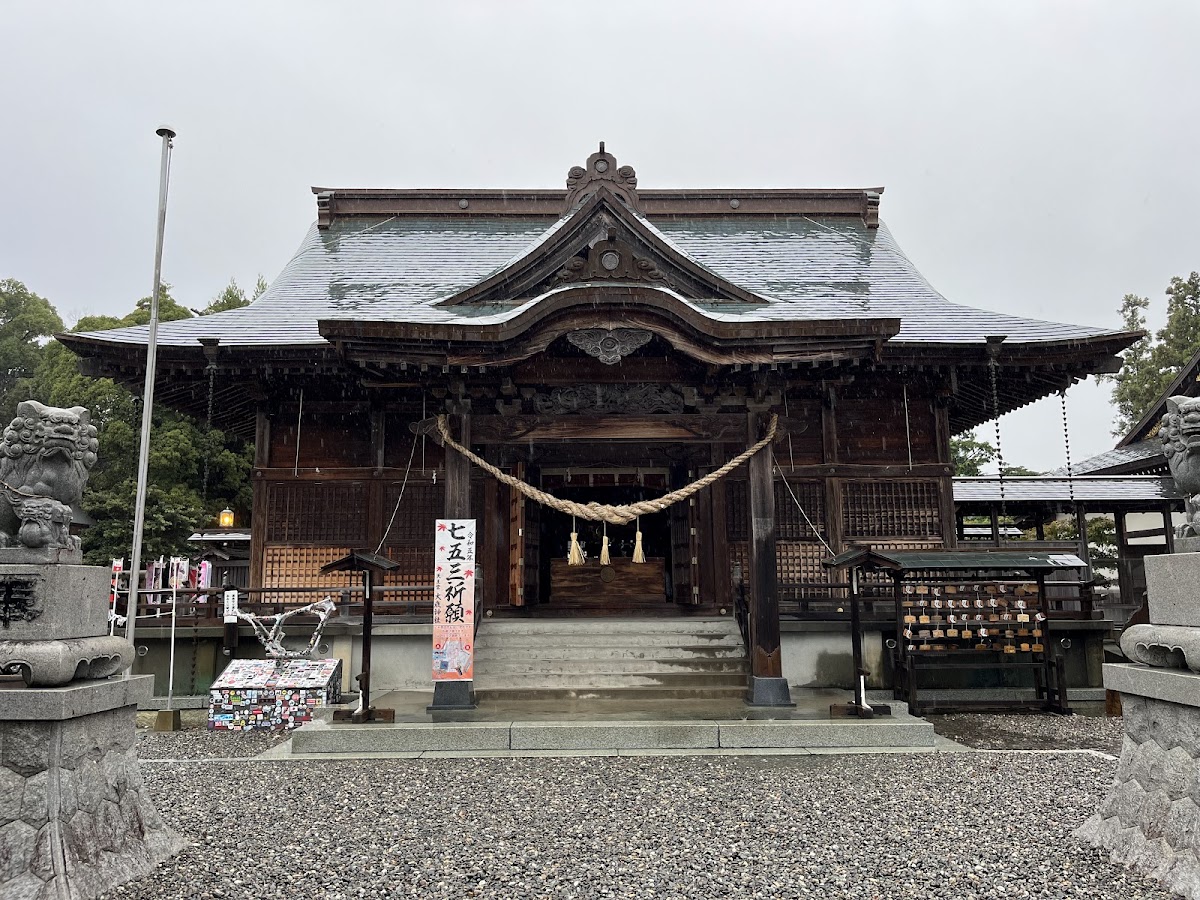
The Ootoshi Shrine in Hamamatsu City, Shizuoka Prefecture, boasts a history of approximately 1300 years as an Engishiki-listed shrine. The Engishiki Jinmyocho (a list of shrines compiled in the Heian period) lists it as “Ootoshi Shrine, a small shrine in Nagakami-gun, Totomi Province,” indicating its high status and recognition by the imperial court since ancient times.
In the autumn of 1806 (Bunka 3), Tenno-gu, Tenno-gu, and Ootoshi Shrine were enshrined together in the same shrine, and today it is known as “Engishiki Tenno-gu Ootoshi Shrine,” attracting local devotion. Even in the Reiwa era, it plays an important role as a spiritual pillar for the local residents.
Main Benefits: Abundant harvests, business prosperity, protection from evil, family safety
Access: Accessible by bus from JR Hamamatsu Station
Ootoshi Shrine, a Shikinaisha (shrine listed in the Engishiki) in Nishikyo-ku, Kyoto Prefecture
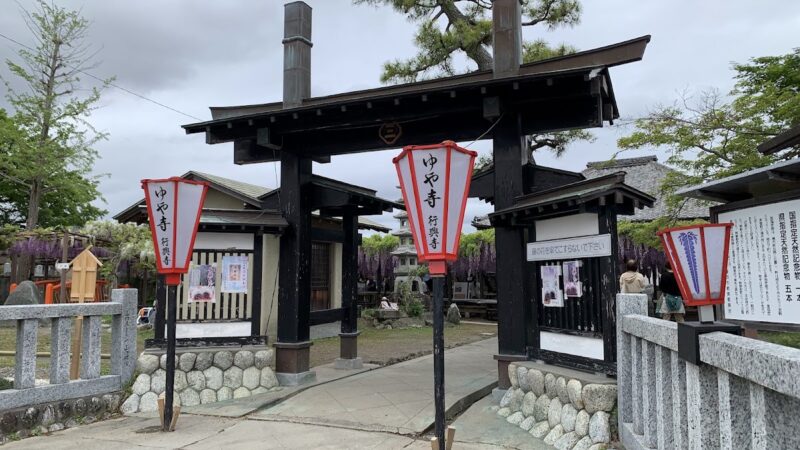
Ootoshi Shrine, located in Oharano Haikata-cho, Nishikyo-ku, Kyoto City, is a Shikinaisha said to have been founded in 718 (Yoro 2). It enshrines Ootoshi-no-kami as its main deity, with Ishitsukuri-no-kami and Toyotama-hime-no-mikoto enshrined in the auxiliary shrines. The shrine grounds, known as “Kaya no Mori” (Wood Grove), are blessed with a rich natural environment, offering a peaceful and tranquil place for worship in Kyoto’s secluded retreat. It has long been revered by local people as a deity presiding over agricultural production and protection from evil.
Main Benefits: Agricultural prosperity, protection from evil, family safety
Location: 575 Oharano Haikata-cho, Nishikyo-ku, Kyoto City
Inquiries: 075-951-1025
Ootoshi Shrine in Shimonoseki City, Yamaguchi Prefecture (Shrine associated with Yoshitsune)
Ootoshi Shrine in Shimonoseki City, Yamaguchi Prefecture, is known as a shrine deeply associated with Minamoto no Yoshitsune. Its origins lie in the prayer Yoshitsune offered to the deity of Mount Fuji Asama for victory at Takezaki Ariakeyama before the Battle of Dan-no-ura in 1185.
Due to its divine power, the great feat of defeating the Taira clan was achieved, and even today, many worshippers visit this shrine to pray for victory. It attracts the faith of students taking exams, athletes, and others facing important competitions.
Main Benefits: Prayer for victory, protection from evil, good fortune
Features: A historical shrine with a legend of Yoshitsune, popular for its Goshuin (shrine stamp)
Ootoshi Shrine, Shiso City, Hyogo Prefecture (Famous for its Wisteria)
Ootoshi Shrine, located in Kamidera, Yamazaki-cho, Shiso City, Hyogo Prefecture, is a shrine where the wisteria on the grounds is designated as a Hyogo Prefecture cultural property (natural monument). The wisteria, said to have been planted in 960 AD, is a large tree with a trunk circumference of approximately 3.8 meters, and its branches spread in all directions, creating a wisteria trellis that covers approximately 420 square meters throughout the shrine grounds.
Every year from late April to early May, the sight of the beautiful purple flower clusters hanging down is breathtaking, attracting many tourists. It is a beloved flower viewing spot representative of the Nishiharima region.
Main Benefits: Abundant harvest, family safety
Highlights: Wisteria trees over 1000 years old, spring wisteria festival
Ootoshi Shrine (Kamata Shrine Subsidiary Shrine) in Himeji City, Hyogo Prefecture
Ootoshi Shrine, located in Aga, Himeji City, Hyogo Prefecture, is a subsidiary shrine of Kamata Shrine. The “Harima no Kuni Fudoki” (a historical and geographical record of Harima Province) states, “The enshrined deity of Kamata Shrine is Ootoshi-no-kami, the god who protects the five grains and ensures the peace and abundance of the hearth,” indicating its ancient worship.
As a god who protects the five grains and brings peace and abundance to the hearth, it has protected the agriculture and livelihoods of the region. It is believed that visiting this shrine along with Aga Shrine will grant you deeper blessings.
Main Blessings: Abundant harvest, family safety, god of the hearth
Ootoshi Shrine, Nishi-ku, Fukuoka City (Shrine mentioned in the Chikuzen Province Fudoki)
Ootoshi Shrine, located in Nishi-ku, Fukuoka City, is an ancient shrine mentioned in the Chikuzen Province Fudoki as “a shrine in Karatomari.” Situated on a hill overlooking the harbor, it boasts a large camphor tree within its grounds.
As a shrine that has watched over an ancient port town, it has also attracted worshippers praying for maritime safety and the prosperity of trade. It holds an important position as a cultural property of Fukuoka City.
Main Benefits: Maritime Safety, Business Prosperity, Abundant Harvest
Features: A shrine that conveys the history of an ancient port town
Ootoshi Shrine of Sumiyoshi Taisha, Osaka Prefecture
Ootoshi Shrine, located within the grounds of Sumiyoshi Taisha in Osaka Prefecture, is known for the custom of visiting it as the culmination of the “Hatsutatsu-mairi” pilgrimage. Hatsutatsu-mairi is a belief system in which people visit the subsidiary shrines of Sumiyoshi Taisha on the first day of the Dragon each month. It is believed that completing this 48 times (over 4 years) will bring about the fulfillment of one’s wishes.
In ancient times, it was worshipped as a god of abundant harvests and bountiful harvests. In the early modern period, it attracted the faith of merchants, who prayed for successful collections and the stability of contracts. Even today, many business owners and sales professionals visit the shrine to pray for business prosperity.
Main Benefits: Business prosperity, fulfillment of wishes, successful contracts
Features: An important place of worship for Hatsutatsu-mairi (first day of the year pilgrimage)
Benefits of Ootoshi Shrine
Ootoshi Shrine offers a wide range of benefits, but primarily includes the following:
Abundant Harvest and Agricultural Prosperity
Ootoshi-no-Okami, the god of grains, brings prosperity and abundant harvests to agriculture. It is an important object of worship for those engaged in agriculture, including rice cultivation.
Business Prosperity and Success
Toshigami, the “god who visits at the beginning of the year,” brings prosperity for the new year. It attracts the faith of business owners and merchants who wish for business development and success.
Protection from Misfortune and Family Safety
Ootoshi Shrine is also known for its protection from misfortune. It wards off misfortune at important life stages and protects the safety and health of families.
Prayer for Victory and Good Fortune
At the Ootoshi Shrine in Shimonoseki City, Yamaguchi Prefecture, which is particularly associated with Yoshitsune, the blessings for victory are emphasized. Many people visit the shrine before important events such as exams, job interviews, and sports matches.
How to Visit Ootoshi Shrine
Here are the basic manners for visiting Ootoshi Shrine.
Basic Manners for Visiting Shrine
- Bow before passing through the torii gate: Before entering the sacred area, compose yourself and bow.
- Purify yourself at the water basin: Purify your left hand, right hand, and mouth in that order, and finally rinse your left hand.
- Walk along the edge of the path: The center is considered the path of the gods, so walk along the edge.
- Worship at the main hall: The basic ritual is two bows, two claps, and one bow. Place your offering in the offering box, ring the bell, and then bow.
- Bow upon exiting: After leaving the torii gate, turn around and bow.
Information on Prayers
Many Ootoshi Shrines accept prayers from individuals and groups. They accommodate various wishes, such as protection from evil, family safety, business prosperity, and success in examinations.
If you wish to request a prayer, it is recommended to contact the shrine in advance to make a reservation. Please check the information provided by each shrine regarding the offering fee and reception hours.
About Goshuin (Shrine Seals)
In recent years, the number of visitors enjoying collecting goshuin has increased. Many Ootoshi Shrines also offer goshuin. Goshuin are proof of worship and record your connection with the gods.
When receiving a goshuin, present your goshuin book at the reception area after completing your prayers. Remember to show respect to the person writing the goshuin and use polite language.
Annual Events at Ootoshi Shrine
Ootoshi Shrine holds various festivals and events throughout the year. ### New Year’s Festival (Saitansai)
The Saitansai, held on January 1st, is one of the most important festivals at Ootoshi Shrine. At the start of the new year, prayers are offered for peace and prosperity throughout the year. It is bustling with many worshippers, and lines of those making their first shrine visit of the year form.
Annual Grand Festival
Each Ootoshi Shrine has its own annual grand festival. A portable shrine procession and dedication ceremonies are held, and the local community comes together to make the festival a success. The dates of the annual grand festivals vary by shrine, so it is recommended to check in advance.
Niiname-sai (Harvest Festival)
Held around November 23rd, the Niiname-sai is a festival of gratitude for the year’s harvest. It is a festival of great significance for Ootoshi-no-Okami, the god of abundant harvests.
Setsubun Festival
On Setsubun in February, a festival for warding off evil is held. Bean-throwing ceremonies and prayers for warding off evil are held, attracting many worshippers.
Ootoshi Shrine in the Reiwa Era
With the arrival of the Reiwa era, Ootoshi Shrine is also pursuing new initiatives.
Opening of Online Amulet and Talisman Services
Some Ootoshi Shrines have opened online amulet and talisman services for those who live far away or have difficulty visiting in person. This system allows for the online distribution of amulets and talismans, and is attracting attention as a new form of faith that meets modern needs.
Sponsorship of Commemorative Projects
Ootoshi Shrines throughout the region hold commemorative projects at milestones such as the founding anniversary festival. For example, commemorative events unique to shrines with long histories, such as the 840th and 1300th anniversaries of the shrine’s founding, are held. These projects solicit sponsorships from parishioners and devotees, and the funds are used for the restoration of shrine buildings and the maintenance of the shrine grounds.
Enhanced Information Dissemination
Many Ootoshi Shrines disseminate information about festivals, the history of the shrine, and its blessings through their official websites and social media. You can check information before your visit, allowing for a more fulfilling pilgrimage experience.
Access and Inquiries to Ootoshi Shrines
Access methods to each Ootoshi Shrine vary depending on their location.
Access by Public Transportation
Many Ootoshi Shrines can be accessed by bus or taxi from the nearest JR or private railway station. Shrines in urban areas such as Kyoto and Hamamatsu have well-developed public transportation systems and are relatively easy to access.
Access by Car
For Ootoshi Shrines located in suburban areas, access by car is convenient. Many shrines have parking facilities, but congestion is expected during festivals, so early arrival is recommended.
Contact Information
For detailed information regarding visits and reservations for prayers, please contact each shrine directly. Many shrines accept inquiries by phone and email. Please check the contact information listed on their official website.
Guidelines for Visiting Ootoshi Shrines
When visiting Ootoshi Shrines, please keep the following points in mind.
Attire
While casual attire is acceptable for worship, clean and neat clothing is preferred. For those receiving prayers, more formal attire is recommended.
Photography
Photography is generally permitted within the shrine grounds, but photography may be prohibited inside the main hall or around the sacred object. Please check beforehand and be considerate of other worshippers.
Visiting Hours
Many shrines are open for daytime worship, but the shrine office hours are limited. If you wish to receive a Goshuin (shrine stamp) or pray, please visit during the office hours.
Cultural Value of Ootoshi Shrine
Ootoshi Shrine is not merely a place of worship, but also an important cultural asset that conveys Japanese culture and history.
Value as an Engishiki-listed Shrine
Engishiki-listed shrines are highly prestigious shrines recognized by the imperial court during the Heian period. Several shrines within Ootoshi Shrine are listed as Engishiki-listed shrines, making them a valuable cultural heritage with a history of over a thousand years.
Conveying Local History
The Ootoshi Shrines throughout Japan are deeply intertwined with the history of their respective regions. From shrines mentioned in historical records to those associated with samurai warriors, each is an important presence that tells the story of its local history.
Preservation of the Natural Environment
The trees and natural environment within the shrine grounds are also important elements of the Ootoshi Shrine. Some shrines, like the wisteria at the Ootoshi Shrine in Hyogo Prefecture, protect plants designated as natural monuments.
Summary: The Charm of Ootoshi Shrines
Ootoshi Shrines are located throughout Japan, each possessing its own unique history and characteristics. The faith in Ootoshi-no-Okami, who bestows various blessings such as abundant harvests, business prosperity, and protection from evil, continues to be a source of spiritual support for many people even in the Reiwa era.
From shrines with over a thousand years of history as Engishiki-listed shrines to small local shrines, Ootoshi Shrines have watched over the lives of people in their respective regions. The opportunity to experience Japanese traditional culture and history through worship is a major attraction of Ootoshi Shrines.
Please do visit a nearby Ootoshi Shrine, or one you come across during your travels. You will be able to spend a peaceful time feeling the blessings of the Toshigami (New Year’s deity).
When visiting, please check the latest information on the shrine’s website or guide and be sure to worship in accordance with proper etiquette. We sincerely pray that your visit to Ootoshi Shrine will be fruitful.