What is a Shrine Office? A Thorough Explanation of its Role and Use at Shrines
A shrine office (shamusho) is the building where administrative and management tasks are performed at a shrine. While it’s a familiar place for worshippers to receive amulets and goshuin (shrine stamps), it actually plays a much more diverse role.
Basic Roles of the Shrine Office
Central Function of Shrine Management
The shrine office is the “office” of the shrine and performs the following tasks:
- Priest’s Workspace: A place where priests and shrine maidens perform their daily duties
- Preparation for Rituals: Planning and preparation of festivals and ceremonies throughout the year
- Financial Management: Managing the shrine’s income and expenses and accounting operations
- Document Management: Storage of historical documents and records
- Parishioner/Parishioner Support: Acting as a point of contact with local residents
Services for Worshippers
The main services used by general worshippers include the following:
- Distribution of amulets and talismans
- Reception and recording of Goshuin (temple/shrine stamps)
- Reception of applications for prayers and supplications
- Sale of fortune slips (Omikuji)
- Distribution of votive tablets (Ema)
- Various consultation services
How to use the shrine office and proper etiquette
Reception hours and flow of use
General reception hours
- Weekdays: 9:00 AM – 5:00 PM
- Saturdays, Sundays, and public holidays: 8:30 AM – 5:30 PM
- New Year’s visit period (January 1st – 3rd): Extended to 24 hours or late at night
*Hours may vary depending on the shrine; prior confirmation is recommended.
Basic Usage Procedure
- Complete your prayers at the main shrine.
- Proceed to the shrine office window.
- State the service you wish to receive.
- Pay the offering fee.
- Receive your amulet and Goshuin (shrine stamp).
Manners to Observe
Attire and Attitude
- Visit in clean attire (especially important for prayers).
- Refrain from loud conversations.
- Remove hats and sunglasses.
- Wait quietly and respect the queue during busy times.
Handling Money
- Refer to the money as “hatsuhoryo” or “tamagushiryo”.
- Avoid using the terms “fee” or “payment”.
- Prepare small change if possible.
- Be considerate and avoid giving change.
Regarding Photography
- Photography inside the shrine office is generally prohibited.
- Take photos of your Goshuin outside after receiving it.
- Do not photograph shrine priests without their permission.
Points to Note When Visiting a Shrine
How to Choose an Amulet or Talisman
Amulets by Purpose
- Traffic Safety: Place on your car’s dashboard or in your bag
- Academic Success: Place in your pencil case or desk drawer
- Health Prayer: Keep with you at all times
- Finding a Partner: Place in your wallet or pouch
- Protection from Evil: Display in your entrance or bedroom
How to Display a Talisman
If you have a Shinto altar, place it there; otherwise, place it in one of the following locations:
- Higher than eye level
- A clean place (living room or bedroom)
- Facing south or east
- A place that is not exposed to direct sunlight
How to Obtain a Goshuin (Shrine Stamp)
What to Prepare
- Goshuincho (Shrine Stamp Book)
- Offering Fee: 300-500 yen (varies depending on the shrine)
- Waiting Time (may take 30 minutes or more during busy times)
Points to Note
- Avoid obtaining a Goshuin before visiting the shrine
- Open your Goshuincho (stamp book) before handing it over.
- Wait quietly while they are writing.
- Receive it carefully with both hands.
- Use separate Goshuincho for temples and shrines.
How to Apply for Prayer
Preparation
- Make a reservation by phone or online (for large shrines).
- Decide on the type of prayer (e.g., protection from evil, safe childbirth, Shichi-Go-San).
- Confirm the offering fee (typically 5,000 yen or more).
- Arrive 15 minutes before the scheduled time.
Flow of the Day
- Register at the shrine office.
- Fill out the application form (address, name, date of birth, etc.).
- Pay the offering fee.
- Wait in the waiting room.
- Be guided to the main hall or prayer hall.
- Receive the prayer (approximately 20-30 minutes).
- Receive your amulet or charm.
Access and Facility Information
How to Find the Shrine Office
Layout Characteristics
- Often located on either the left or right side of the main shrine
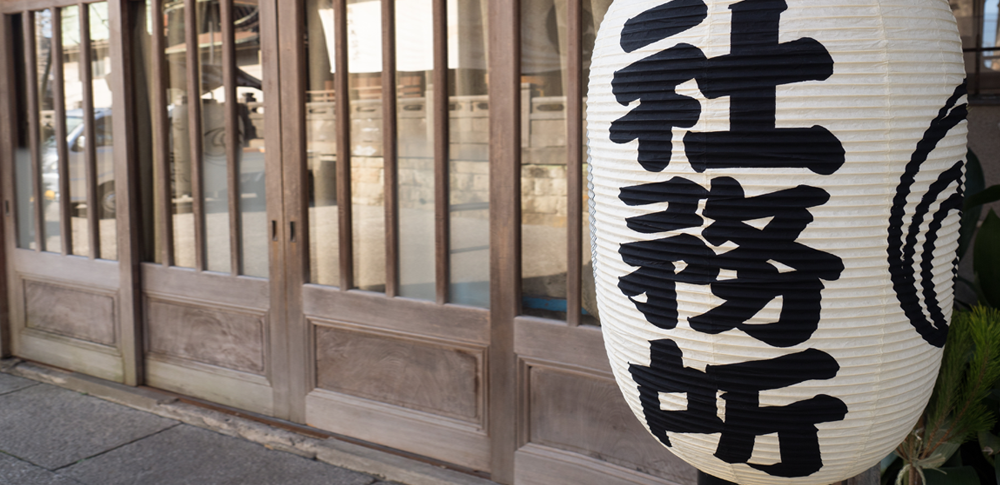
- There is a sign that reads “Shrine Office” or “Amulet Counter”
- A building with a counter
- There is foot traffic
If you are unsure:
- Check the shrine grounds map
- Ask cleaning staff or other visitors
- Search around the main shrine
Barrier-Free Accessibility
In recent years, many shrines have implemented the following:
- Installation of ramps
- Wheelchair-accessible toilets
- Written communication support
- Multilingual information (English, Chinese, Korean)
We recommend contacting the shrine in advance.
Main Benefits and Services
Characteristic Benefits of Different Shrines
Ise Grand Shrine (Mie Prefecture)
- Good Fortune, Family Safety
- Special Amulet: “Jingu Taima”
- Goshuin (stamps) available at both the Outer and Inner Shrines
Meiji Jingu Shrine (Tokyo)
- Matchmaking, Family Safety
- Popular Amulet: Couple Camphor Trees
- Open all night from New Year’s Eve to New Year’s Day
Izumo Taisha Shrine (Shimane Prefecture)
- Head Shrine for Matchmaking
- Famous for “Matchmaking Threads”
- Gods from all over Japan gather in October
Dazaifu Tenmangu Shrine (Fukuoka Prefecture)
- Academic Success, Passing Exams
- Wide Variety of Academic Amulets
- Particularly Crowded During Exam Season
Seasonal Special Offerings
New Year (January)
- Demon-Repelling Arrow
- Rake
- Zodiac Animal Figurines
- New Year’s Limited Edition Goshuin (Shrine Seal)
Setsubun (February)
- Lucky Beans
- Setsubun Limited Edition Amulet
Shichi-Go-San (November)
- Chitose-ame Candy
- Shichi-Go-San Amulet
- Commemorative Gift
End of Year (December)
- New Year’s Talisman
- Shimenawa (Sacred Rope)
- Kadomatsu (New Year’s Pine Decoration)
Special Prayer Services
Life Rituals
- Prayer for Safe Childbirth (Dog Day)
- Shrine Visit (1 Month After Birth)
- First Shrine Visit
- Shichi-Go-San (3, 5, and 7 Years Old)
- Exorcism (During Unlucky Years)
- 60th Birthday Celebration
Daily Prayers
- Traffic Safety (Car Blessing)
- Family Safety
- Business Prosperity
- Recovery from Illness
- Prayer for Success in Exams
- Prayer for Good Relationships
For Businesses
- Company Prosperity
- Construction Safety
- Purification Ceremony for the New Company Building
- Founding Anniversary Festival
Frequently Asked Questions
Q1. What should I do with old amulets?
A. Generally, return them to the shrine office where you received them after about a year. You can place them in the “Old Amulet Collection Box” or “Amulet Collection Box,” or have the shrine office accept them.
Q2. Can I return amulets from other shrines?
A. Ideally, you should return them to the shrine where you received them, but if the shrine is far away, many nearby shrines will accept them.
Q3. What is the going rate for offerings?
A. Amulets: 500-1,000 yen, Goshuin (shrine stamp): 300-500 yen, Prayer: 5,000 yen and up are typical.
Q4. What if the shrine office is closed?
A. If there is an unmanned distribution counter, you can put money in the offering box and receive an amulet. Sometimes, pre-printed Goshuin (temple/shrine stamps) are available.
Q5. Can I use a credit card?
A. While many large shrines accept credit cards, many still only accept cash. We recommend checking in advance.
Summary
The shrine office plays a crucial role in shrine visits. It’s a place not only to receive amulets and Goshuin, but also to learn about the shrine’s history and origins, and to receive prayers at important life events.
When visiting a shrine, it’s important to first offer heartfelt prayers at the main hall, and then use the shrine office. Also, remember to show respect to the Shinto priests and be mindful of proper etiquette to ensure a more fulfilling visit.
Each shrine has its own unique amulets, Goshuin, and blessings, so choose a shrine that suits your purpose and enjoy communicating with staff at the shrine office.