Sapporo Gokoku Shrine (Hokkaido) Complete Guide | From History, Goshuin (Shrine Seals), Grounds Guide, and Visitor Etiquette
Sapporo Gokoku Shrine, located within Nakajima Park in Chuo Ward, Sapporo City, is a representative Gokoku Shrine of Hokkaido, founded in 1879 (Meiji 12). It was established to enshrine the spirits of Tondenhei (frontier soldiers) who died in battle or illness during the Satsuma Rebellion, and for over 140 years since, it has enshrined the spirits of those who died in various wars. This article comprehensively introduces information you should know before visiting Sapporo Gokoku Shrine, including its history, enshrined deities, highlights of the grounds, goshuin (shrine seals), access methods, and visitor etiquette.
History of Sapporo Gokoku Shrine
Founding Circumstances and Deep Connection with Tondenhei
The history of Sapporo Gokoku Shrine dates back to the Satsuma Rebellion of 1877 (Meiji 10). To commemorate the souls of the Tondenhei soldiers who died in battle or from illness during this conflict, a memorial service was held at the Tondenhei Headquarters on August 2, 1879 (Meiji 12). Prince Arisugawa Taruhito titled the monument “Tondenhei Memorial Monument,” marking the beginning of Sapporo Gokoku Shrine.
Tondenhei were soldiers stationed in Hokkaido during the Meiji era, tasked with both developing the region and defending the country. They played a unique role, engaging in agriculture during peacetime and conducting military operations during times of conflict. Sapporo Gokoku Shrine, as a shrine dedicated to the souls of those who laid the foundation for Hokkaido’s development, is deeply intertwined with the history of Hokkaido.
Relocation and Development to Nakajima Park
In February 1907 (Meiji 40), the shrine relocated to its current location in Nakajima Park. Following this relocation, those who died in the First Sino-Japanese War of 1894-1895 (Meiji 27-28) were also enshrined there. Furthermore, a monument was erected to enshrine those who died in the Russo-Japanese War of 1904-1905, with an inscription by General Nogi Maresuke, a hero of the Russo-Japanese War.
Subsequently, the spirits of those who died in various wars from the Taisho to Showa periods were successively enshrined, and the size of the shrine expanded. After World War II, the shrine began to enshrine not only war dead but also the spirits of police officers and firefighters who died in the line of duty, serving as a place of remembrance for those who protected the peace and safety of Hokkaido.
Current Sapporo Gokoku Shrine
As of 2022, Sapporo Gokoku Shrine enshrines 25,550 deities. These are primarily war dead from Hokkaido or with ties to Hokkaido, representing the heroic spirits who sacrificed their lives for the country in various wars from the Meiji Restoration to World War II.
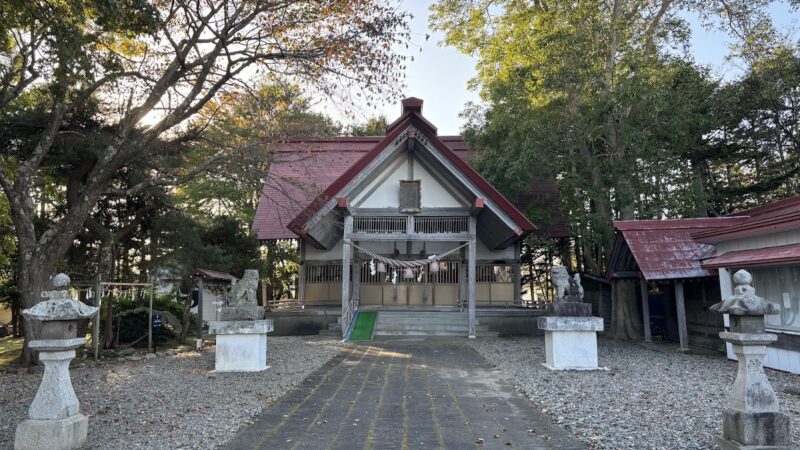
The current shrine building was rebuilt after the war and stands quietly amidst the lush greenery of Nakajima Park. Despite its proximity to the city center, the shrine grounds are enveloped in a tranquil atmosphere, providing a peaceful space for visitors.
Deities and Divine Virtues
Deities Enshrined
The deities enshrined at Sapporo Gokoku Shrine are the spirits of those who sacrificed their lives for their country in the following wars and conflicts:
- Those who died in the Satsuma Rebellion (1877)
- Those who died in the First Sino-Japanese War (1894-1895)
- Those who died in the Russo-Japanese War (1904-1905)
- Those who died in World War I
- Those who died in the Manchurian Incident and the Second Sino-Japanese War
- Those who died in World War II (Greater East Asia War)
- Police officers and firefighters who died in the line of duty
These spirits sacrificed their precious lives for the peace and prosperity of the nation. A crucial role of Sapporo Gokoku Shrine is to pass on their achievements to future generations and to offer gratitude and remembrance.
Divine Virtues and the Significance of Visiting
Gokoku Shrines are shrines dedicated to the spirits of those who sacrificed their lives to protect the country. Their divine virtues are believed to include national peace, peace prayers, and family safety. It is also believed that by drawing on the courage and dedication of these spirits, one can receive the strength to face difficulties and the strong will to fulfill one’s mission.
Visiting the shrine provides an opportunity to renew gratitude for living in a peaceful era and to remember that today’s prosperity is built upon the sacrifices of our ancestors.
Shrine Grounds Guide
Main Hall and Worship Hall
The main hall and worship hall of Sapporo Gokoku Shrine are built in the traditional shrine architectural style. Surrounded by the lush greenery of Nakajima Park, the shrine grounds offer a chance to appreciate the beauty of nature throughout the seasons. Cherry blossoms in spring, fresh greenery in summer, autumn leaves in fall, and snowscapes in winter—each season offers a different view.
A magnificent shimenawa (sacred rope) adorns the front of the worship hall, creating a sacred atmosphere. When visiting, please pray respectfully using the two bows, two claps, and one bow ritual.
Shrine within the grounds: Taga Shrine
Within the grounds of Sapporo Gokoku Shrine stands Taga Shrine, known as the god of matchmaking and longevity. This Taga Shrine was directly invited from Taga Taisha in Shiga Prefecture, and enshrines Izanagi-no-Okami and Izanami-no-Okami, the gods of creation.
Taga Shrine is affectionately known as “O-Taga-san” and is believed to bestow blessings for matchmaking, marital harmony, longevity, and healing from illness. When visiting Sapporo Gokoku Shrine, we highly recommend visiting Taga Shrine as well.
Monuments and Memorials
Within the grounds stand monuments to the war dead, erected during the Meiji era, and memorials commemorating various wars. These are historically valuable remains and precious cultural assets imbued with the feelings of the people of that time. In particular, the monument inscribed by General Nogi is an important memorial that conveys the memory of the Russo-Japanese War to the present day.
Shrine Office and Gift Shop
The shrine office provides goshuin (shrine seals), distributes amulets and talismans, and accepts various prayers. Opening hours are from 9:00 AM to 4:00 PM, and it is recommended to visit during these hours.
Goshuin and Gift Items
About Goshuin
Sapporo Gokoku Shrine provides goshuin as proof of worship. Goshuin can be obtained at the shrine office between 9:00 AM and 4:00 PM. You can bring your own goshuincho (goshuin notebook) or purchase one at the shrine.
The goshuin at Sapporo Gokoku Shrine has a simple yet dignified design, with the shrine name and date of visit written in ink and stamped with the shrine’s seal. Goshuin for Taga Shrine can also be obtained at the same shrine office. ### Types of Items Offered
Sapporo Gokoku Shrine offers a variety of items.
Amulets
- Family Safety Amulet
- Traffic Safety Amulet
- Protection from Evil Amulet
- Success in Exams Amulet
- Health Amulet
- Matchmaking Amulet (Taga Shrine)
Talismans
- Ise Grand Shrine Amulet
- Sapporo Gokoku Shrine Amulet
- Taga Shrine Amulet
Others
- Sacred Arrow
- Ema (Votive Tablet)
- Omikuji (Fortune Slip)
These items can be obtained at the shrine office window between 9:00 AM and 4:00 PM.
Information on Prayers and Rituals
Various Prayers
Sapporo Gokoku Shrine accepts prayers for various milestones and wishes in life.
Life Cycle Rituals
- First Shrine Visit (Omiyamairi)
- Shichi-Go-San Ceremony
- Coming-of-Age Ceremony
- Exorcism of Evil Spirits
- 60th Birthday Celebration
General Prayers
- Family Safety
- Business Prosperity
- Traffic Safety
- Recovery from Illness
- Prayer for Success in Exams
- Matchmaking (Taga Shrine)
Those wishing to make a prayer are advised to contact the shrine office by phone in advance to make a reservation. For details regarding prayer fees and reception hours, please contact the shrine directly.
Annual Events and Festivals
Sapporo Gokoku Shrine holds various festivals and ceremonies throughout the year.
Main Annual Events
- January 1st: New Year’s Day Festival
- February 3rd: Setsubun Festival
- Spring & Autumn: Grand Festival
- August 15th: Memorial Service for the End of the War
- November 3rd: Meiji Festival
- December 31st: Great Purification Ceremony & New Year’s Eve Festival
The Grand Festival is the most important festival at Sapporo Gokoku Shrine, attracting many worshippers and bereaved families to express gratitude and commemorate the war dead.
Access & Transportation Information
Access by Train
Subway Namboku Line
- Approximately 3-4 minutes on foot from Exit 1 or 2 of Horohirabashi Station
- Approximately 7-8 minutes on foot from Nakajima Park Station
Horohirabashi Station is the nearest station. The south entrance to Nakajima Park is immediately outside the station, making it very easy to access the shrine from there.
Streetcar (Tram)
- Approximately 5 minutes on foot from the “Nakajima Park-dori” stop
- Approximately 6 minutes on foot from the “Gyokei-dori” stop
Access by Bus
Chuo Bus and JR Hokkaido Bus routes stop at the “Nakajima Park” stop. The shrine is approximately a 5-minute walk from the stop.
Access by Car
Address
1-3, Minami 15-jo Nishi 5-chome, Chuo-ku, Sapporo, Hokkaido 064-0915
Approximately 15 minutes by car from Sapporo Station, and approximately 1 hour by car from New Chitose Airport. However, since the shrine’s dedicated parking is limited, we recommend using public transportation. You can also use nearby paid parking lots or the Nakajima Park parking lot.
Opening Hours
- Opening: 7:00 AM
- Closing: 4:00 PM
- Shrine Office Hours: 9:00 AM to 4:00 PM
While you are free to visit the shrine during opening hours, those wishing to receive a Goshuin (shrine stamp) or other items must visit during the shrine office’s opening hours.
Requests and Manners for Visiting the Shrine
Proper Worship Etiquette
By observing the correct worship etiquette at a shrine, you can offer your prayers to the gods with greater reverence.
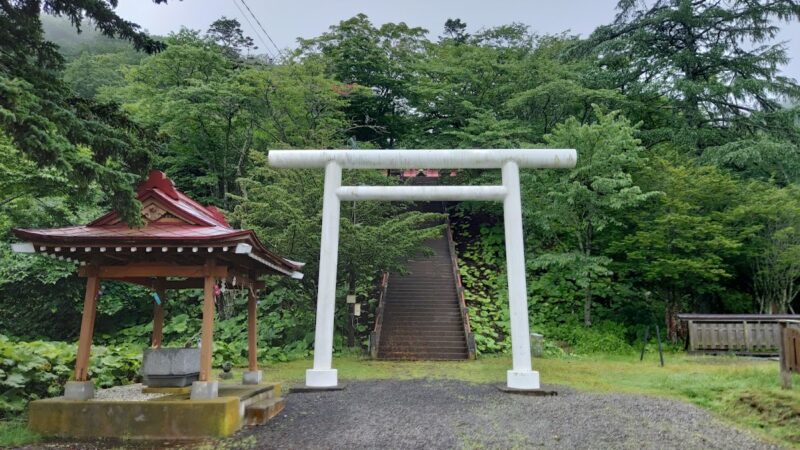
- Bow before passing through the torii gate: The torii gate is the entrance to the sacred area. Bow before passing through it.
- Purify yourself at the water basin: Purify your left hand, right hand, and mouth in that order, and finally your left hand.
- Walk along the edge of the path: The center of the path is considered the path of the gods.
- Proper Etiquette in Front of the Main Hall: Two bows, two claps, one bow (bowing deeply twice, clapping twice, bowing deeply once).
- Bow Upon Exit: When leaving, turn around and bow after passing through the torii gate.
Regarding Pets
Sapporo Gokoku Shrine prohibits dogs, cats, and other pets from entering the grounds. This rule is in place to maintain the purity of the sacred area, so please be sure to abide by it.
Regarding Photography
Photography is generally permitted on the shrine grounds, but please note the following:
- Refrain from taking photos inside the main hall or during Shinto rituals.
- Be considerate of other worshippers.
- Use tripods and selfie sticks only after assessing the surrounding situation.
- When posting on social media, remember to be considerate of the shrine and other worshippers.
Regarding Attire
While casual attire is acceptable, please dress appropriately as this is a sacred place. When receiving prayers, it is advisable to visit in formal attire (suit or formal wear).
Nearby Tourist Attractions
Nakajima Park
Nakajima Park, where Sapporo Gokoku Shrine is located, is one of Sapporo’s representative urban parks. Within its vast 21-hectare grounds, there are attractions such as the Iris Pond, Japanese Garden, Sapporo Concert Hall Kitara, and Toyohirakan. It’s a great place to enjoy the changing seasons, and also ideal for jogging and strolling.
Toyohirakan
Hoheikan, designated as a National Important Cultural Property, is a Western-style hotel built by the Hokkaido Development Commission in 1880. It features a beautiful light blue exterior, and the interior is also open for viewing. It’s about a 5-minute walk from Sapporo Gokoku Shrine.
Susukino
Susukino, Hokkaido’s largest entertainment district, is within walking distance of Nakajima Park. A variety of restaurants line the streets, offering delicious Hokkaido cuisine. In conjunction with a visit to Sapporo Gokoku Shrine, we recommend enjoying Sapporo’s local cuisine.
Official Information and Social Media of Sapporo Gokoku Shrine
Official Website
Sapporo Gokoku Shrine operates an official website where the latest information and event schedules are posted. Checking it before your visit will allow you to find out the dates of annual festivals and special events. It is compatible with smartphones and tablets and has a user-friendly design.
Official Instagram Account
Sapporo Gokoku Shrine has an official Instagram account (@sapporogokokujinja) where seasonal scenery of the shrine grounds and event photos are posted. We recommend following the account if you want to get a feel for the atmosphere of the shrine grounds before your visit or check the latest information.
Summary
Sapporo Gokoku Shrine is a representative Gokoku Shrine of Hokkaido, having enshrined the spirits of those who sacrificed their lives for the country for over 140 years since its founding in 1879 (Meiji 12). The shrine grounds, quietly nestled in the lush green environment of Nakajima Park, offer a sacred space where you can find peace of mind despite being in the heart of the city.
At the Taga Shrine within the grounds, you can receive blessings for matchmaking and longevity, and various items such as goshuin (shrine stamps) are available. Its convenient location, just a 3-4 minute walk from Horohirabashi Subway Station, makes it easy to visit during sightseeing.
When you visit Sapporo, why not stop by Sapporo Gokoku Shrine and offer your gratitude for peace and your condolences to the war dead? The time spent quietly praying amidst the beautiful nature of the four seasons will surely become an unforgettable memory.