Complete Guide to Hassamu Shrine | The Charm and Visiting Information of a Historic Shrine in Sapporo’s Nishi Ward
Hassamu Shrine, located at 3-chome, 11-jo, Hassamu, Nishi Ward, Sapporo, is a historic shrine considered to be the second oldest in Sapporo. Founded in 1856 (Ansei 3) during the late Edo period, it is deeply intertwined with the history of Hokkaido’s development. Despite its convenient location just a 3-minute walk from JR Hakodate Main Line’s Hassamu-Chuo Station, the quiet grounds retain ancient ruins, making it a valuable place to experience history and tradition.
This article provides detailed information you should know before visiting Hassamu Shrine, including its history, enshrined deities, highlights of the grounds, annual events, goshuin (shrine stamp) information, and access methods.
History and Origins of Hassamu Shrine
From Founding to the Present
The history of Hassamu Shrine begins in 1856 (Ansei 3) during the late Edo period. The shrine’s origins lie in the settlement of 17 individuals, including Seijiro Yamaoka, Chief Accountant, who received orders from the shogunate to develop Ezo (present-day Hokkaido). They established an Inari shrine and performed religious rites. At that time, the area was on the front lines of northern frontier development, and the settlers relied on the shrine as a spiritual anchor while diligently working on their settlements.
In 1875 (Meiji 8), 32 households settled in this area as the first contingent of the Hokkaido Tondenhei (frontier soldiers) system. The Tondenhei played a crucial role in both development and national defense, and Hassamu Shrine flourished as a spiritual pillar for the Tondenhei and their families.
In December 1898 (Meiji 31), a major turning point occurred when the shrine received a divided spirit of Toyouke-no-Okami from Ise Grand Shrine. The following year, in March 1899 (Meiji 32), it was officially registered in the shrine register, establishing its status as a formal shrine.
Then, in January 1903 (Meiji 36), the shrine’s name was changed from “Inari Shrine, Hassamu Village, Sapporo District, Ishikari Province, Hokkaido” to “Hassamu Shrine,” and this change was approved by the Governor of Hokkaido. This name change further clarified its character as a representative shrine of the region.
Deep Connections with the Tondenhei (Frontier Soldiers)
Within the grounds of Hassamu Shrine stand two monuments that tell the story of the area’s development history.
The first is the “Hassamu Settlement Monument,” commemorating the settlement of 20 hatamoto (direct retainers of the shogun) in 1857 (Ansei 4). This is a valuable historical site that conveys the history of development during the late Edo period.
The second is the “Hassamu Tondenhei Settlement Centennial Monument,” commemorating the settlement of 32 Tondenhei households in 1876 (Meiji 9). The Tondenhei system played an extremely important role in the development of Hokkaido, and the Hassamu area was a part of that history.
These monuments demonstrate that Hassamu Shrine is not merely a religious facility, but also a living witness to the history of Hokkaido’s development. ### Ancient Ruins on the Shrine Grounds
Within the grounds of Hassamu Shrine, there are ancient ruins estimated to date back to around the 10th century. Burial mounds and stone circles have been identified, proving that this area has been inhabited by people since ancient times.
The Ainu people, the indigenous inhabitants, lived in this area from before the Edo period, and the place name Hassamu is believed to originate from the Ainu language. The existence of these ancient ruins is important evidence that the land on which Hassamu Shrine stands has a history spanning thousands of years.
Deities and Blessings
Toyouke-no-Okami
Toyouke-no-Okami, one of the main deities enshrined at Hassamu Shrine, is the god of food and grains, enshrined at the Outer Shrine of Ise Grand Shrine. In 1898 (Meiji 31), a divided spirit of Toyouke-no-Okami was received from Ise Grand Shrine and enshrined at Hassamu Shrine.
Toyouke-no-Ōkami is widely worshipped as the god who protects clothing, food, and shelter, and is believed to bring blessings such as abundant harvests, business prosperity, and industrial development. In the pioneering era, when agriculture was central to life, she was deeply revered as an object of prayer for a bountiful harvest.
Uganomitama-no-Ōkami
The other enshrined deity, Uganomitama-no-Ōkami, is a god of grain widely known as Inari-sama. The fact that Hassamu Shrine was originally founded as an “Inari Shrine” indicates that this god has been worshipped since ancient times.
Uganomitama-no-Ōkami is worshipped not only as a god of agriculture, but also as a god of business prosperity, family safety, and good fortune. Many worshippers visit the shrine, especially those praying for success in business and ventures.
Blessings of Hassamu Shrine
Hassamu Shrine is believed to offer the following blessings:
- Abundant Harvest and Agricultural Prosperity: Divine Virtue of Toyouke-no-Okami and Ukanomitama-no-Okami
- Business Prosperity and Success: Protection from Inari God
- Protection from Evil and Good Fortune: Protection from Calamities at Life’s Milestones
- Family Safety and Marital Harmony: Peace and Happiness in the Home
- Healing from Illness and Prayer for Health: Health of Mind and Body
- Increased Financial Fortune: Economic Prosperity
Highlights of the Shrine Grounds
Atmosphere of the Shrine and Grounds
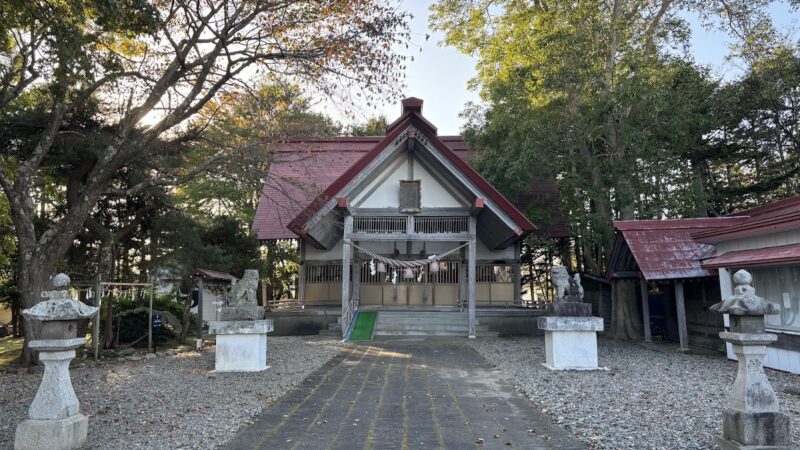
The grounds of Hassamu Shrine, despite being located in the city center, about a 3-minute walk from the north exit of JR Hassamu-Chuo Station, are enveloped in a tranquil atmosphere. Across the road is Sapporo Municipal Hassamu Elementary School, making it a friendly shrine integrated into the local community.
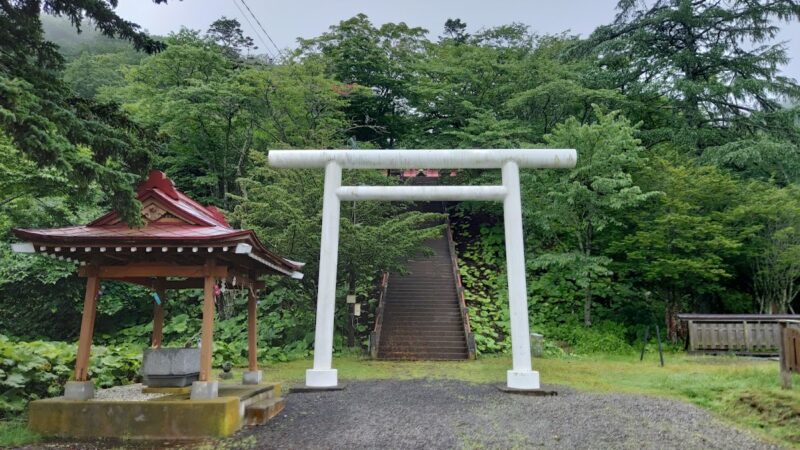
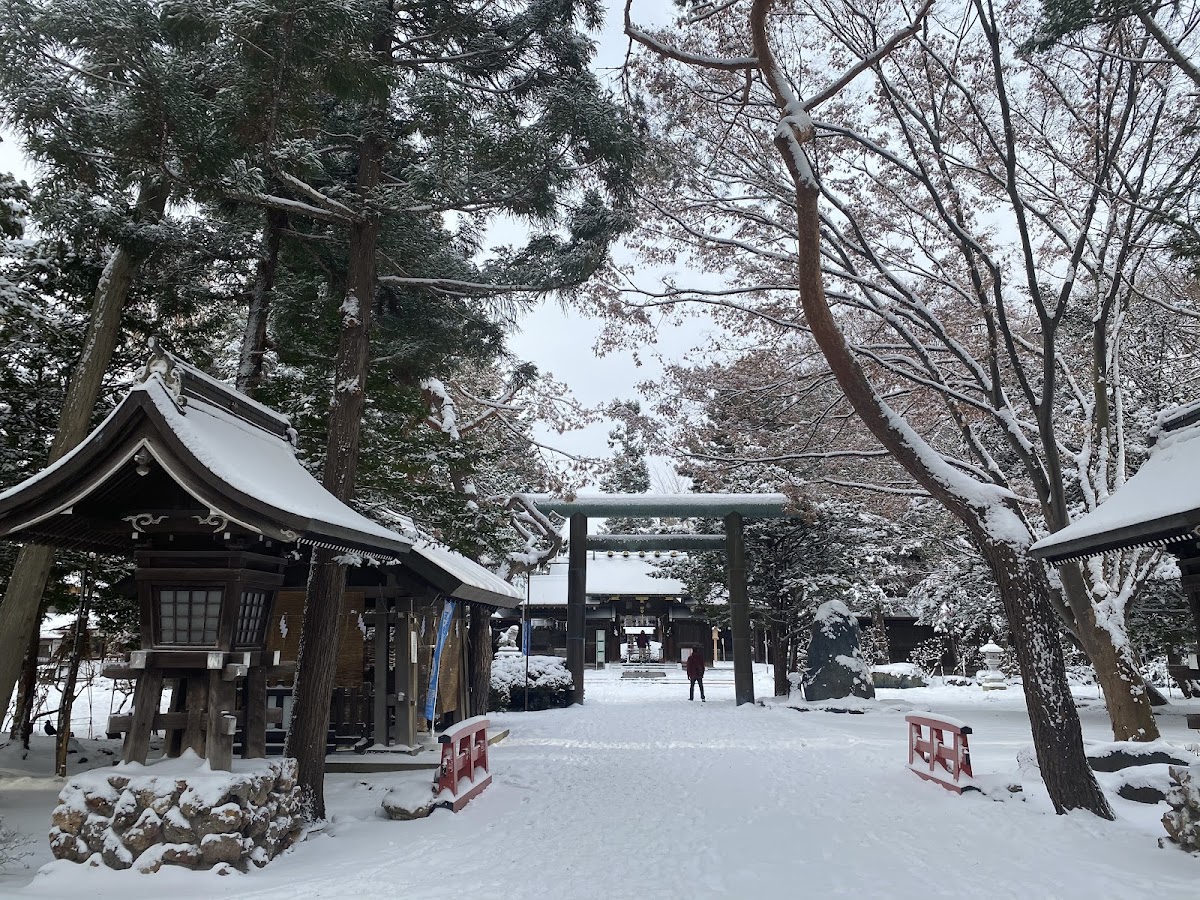
Passing through the torii gate, the approach leads to the shrine building. The grounds are neatly maintained, allowing visitors to experience the beauty of nature throughout the seasons. The scenery is particularly beautiful during the cherry blossom season in spring and the autumn foliage season.
Monuments and Historical Remains
The aforementioned “Hassamu Settlement Monument” and the “Hassamu Tondenhei Settlement Centennial Monument” are important points of interest within the shrine grounds. Standing before these monuments, one can reflect on the hardships and courage of the pioneers who challenged the harsh natural environment to cultivate the land.
While the ancient stone circle is currently not open to direct viewing due to preservation efforts, it enhances the historical value of Hassamu Shrine as evidence of people living in this area since ancient times.
Shrine Office and Amulets
The shrine office offers various amulets and talismans. The office is open from 9:00 AM to 5:00 PM.
The main items offered include the following:
- Amulet for Protection from Evil
- Amulet for Good Fortune and Prosperity
- Amulet for Business Prosperity
- Amulet for Family Safety
- Amulet for Health Prayer
- Amulet for Traffic Safety
- Amulet for Academic Success
Each amulet is a lucky charm imbued with the divine blessings of Hassamu Shrine and is cherished by many worshippers.
Annual Events and Festivals
Spring Grand Festival
Hassamu Shrine holds grand festivals in spring and autumn. The Spring Grand Festival is an important Shinto ritual praying for a bountiful harvest and the prosperity of the region. Many parishioners and local residents attend, and the traditional festival is conducted solemnly.
Autumn Grand Festival
The Autumn Grand Festival is a festival offering thanks for the harvest. It is a deeply rooted community event, expressing gratitude to the enshrined deity who presides over abundant harvests.
Year-End and New Year Events
At the end of the year, the Oharai (Great Purification Ceremony) is held. This Shinto ritual purifies the sins and impurities accumulated over the past six months and is generally held on December 31st.
The New Year sees a lively influx of worshippers for Hatsumode (first shrine visit of the year). From New Year’s Day through the third day, many people visit to pray for safety and prosperity in the new year.
Shichi-Go-San Pilgrimage
Mainly in November, Shichi-Go-San prayers are offered. As a traditional event praying for the healthy growth of children, many families visit the shrine. Hassamu Shrine accepts Shichi-Go-San prayers inside the shrine, and commemorative photos are also available.
Exorcism, Age Celebration, and Family Safety Prayers
We also accept prayers for exorcism during life’s milestones, age celebrations such as 60th birthdays, and family safety. Reservations are accepted at the shrine office counter or by phone (011-661-3973).
In-Shrine Prayer and Off-Site Ceremony
In-Shrine Prayer
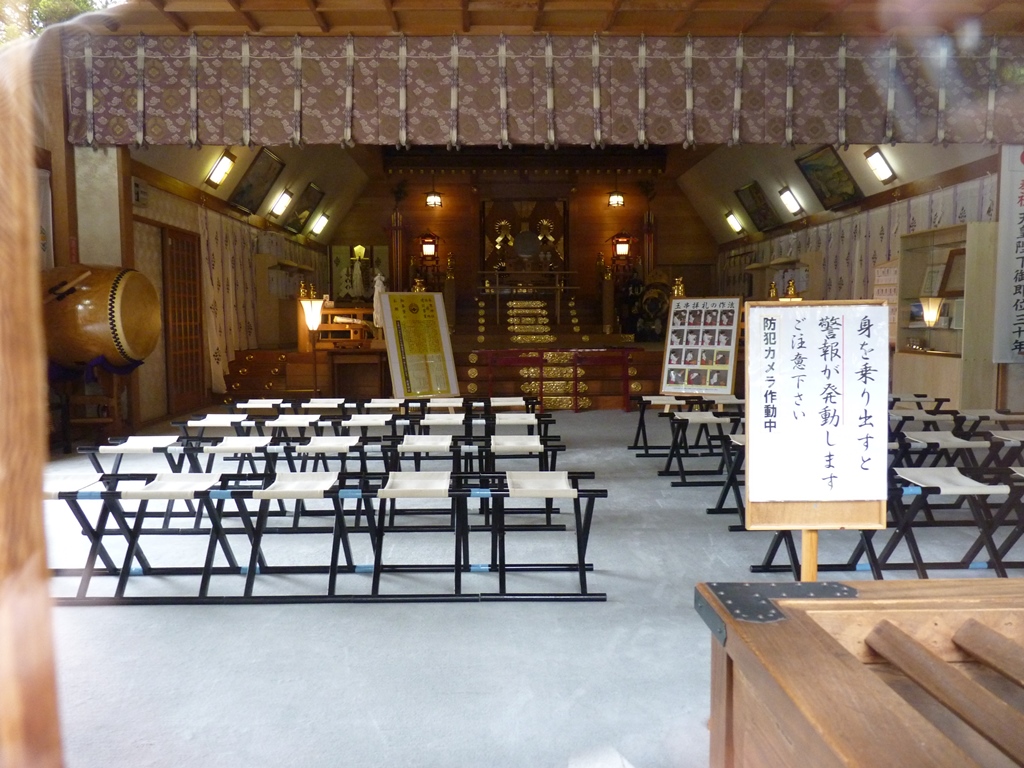
Hassamu Shrine accepts in-shrine prayers for various wishes. You can enter the shrine building, receive a Shinto priest’s recitation of prayers, and perform a formal worship service before the deity.
Main prayer requests:
- Family safety
- Business prosperity
- Protection from evil
- Recovery from illness
- Traffic safety
- Success in examinations
- Safe childbirth
- First shrine visit for a newborn
- Shichi-Go-San (7-5-3) ceremony
In-shrine prayers require reservations, so please contact the shrine office in advance.
Off-Site Ceremony
Hassamu Shrine also offers off-site ceremonies where a Shinto priest visits your location.
- Groundbreaking Ceremony: A ceremony held when constructing a new building or undertaking civil engineering work to appease the land gods and pray for the safety of the construction.
- Roof-Raising Ceremony: A ceremony held when the framework of a building is completed.
- Completion Ceremony: A ceremony to celebrate the completion of a building and pray for its long-lasting prosperity.
- Shrine Altar Ceremony: A ceremony held when installing a new shrine altar.
- Purification Ceremony: A purification ceremony for houses, offices, etc.
For information on off-site ceremonies, please contact the shrine office for dates and details.
Goshuin (Shrine Seal) Information
Issuance of Goshuin
Hassamu Shrine offers goshuin as proof of worship. Goshuin can be obtained at the shrine office during office hours (9:00 AM to 5:00 PM).
The goshuin will have the shrine name and date of visit written in ink, and a red seal stamped on it. You can bring your own goshuincho (seal book), or you can use one of the goshuincho available at Hassamu Shrine.
Etiquette for Receiving a Goshuin (Shrine Seal)
A Goshuin is proof of your visit, so the correct procedure is to first visit the main shrine and then receive your Goshuin at the shrine office. Also, a Goshuin is not a stamp rally item, but a precious token that establishes a connection with the shrine, so please handle it with care.
Please note that Hassamu Shrine does not offer reservations or shipping; you must visit in person to receive your Goshuin.
Access and Visiting Information
Location
Address: 1-33, Hassamu 11-jo 3-chome, Nishi-ku, Sapporo City, Hokkaido
Access by Train
Using the JR Hakodate Main Line
- Approximately 3 minutes on foot from the North Exit of Hassamu-Chuo Station (nearest station)
- You will arrive immediately after exiting the station and heading north.
Using the Sapporo Municipal Subway Tozai Line
- Approximately 18 minutes on foot from Hassamu-Minami Station
- It’s a bit of a distance, but within walking distance.
Access by Car
Approximately 20-30 minutes from central Sapporo via National Route 5. There is parking space for visitors on the temple grounds, but it can become full during peak times such as major festivals and New Year’s visits, so using public transportation is recommended.
Visiting Hours
While the temple grounds are generally open 24 hours a day, the shrine office is open from 9:00 AM to 5:00 PM. Please request Goshuin (temple/shrine stamps), amulets, and prayer requests during the shrine office’s operating hours.
Inquiries
Phone Number: 011-661-3973
Reservations and inquiries for various prayers are accepted at the shrine office counter or by phone.
Information on Social Media
Hassamu Shrine shares information on its official Instagram (@hassamu__jinja) and Facebook page. Seasonal events, shrine grounds, and Goshuin information are updated regularly, so checking before your visit is recommended.
The Instagram account has over 5,000 followers and features numerous posts, offering insights into the shrine’s daily life and seasonal changes.
Nearby Attractions
Exploring the History of the Hassamu Area
Around Hassamu Shrine, there are many spots that evoke the history of the pioneering era. The Hassamu area was one of the earliest areas of Sapporo to be developed, and historical buildings and monuments remain.
Located very close to the shrine is Sapporo Municipal Hassamu Elementary School, making it a central educational hub for the area. The Hassamu Community Center is also nearby, serving as a community center.
Shopping and Dining
Around JR Hassamu-Chuo Station, you’ll find supermarkets, restaurants, and convenience stores, allowing you to enjoy shopping and dining before or after your visit to the shrine. There’s also a beloved local shopping street where you can experience a traditional atmosphere.
Life Rituals at Hassamu Shrine
First Shrine Visit (Omiyamairi)
Omiyamairi is the first shrine visit a baby makes after birth to pray for their healthy growth. While the formal date is 31 days after birth for boys and 32 days for girls, the date can be adjusted considering the mother and child’s health and the weather.
Shichi-Go-San Ceremony
At the milestones of 3, 5, and 7 years old, families express gratitude for their child’s growth and pray for their future health and happiness. Many families visit Hassamu Shrine, especially in November, for this ceremony, and commemorative photos are taken. ### Exorcism of Misfortune
When you reach the ages considered unlucky in your life, you can receive prayers to ward off misfortune and cleanse yourself. For men, the unlucky ages are 25, 42, and 61; for women, 19, 33, and 37.
Wedding Ceremony
You can also hold a Shinto wedding ceremony at Hassamu Shrine. A traditional Shinto ceremony allows you to exchange vows in a solemn atmosphere. Please contact the shrine office for details.
Summary and Charms of Hassamu Shrine
Hassamu Shrine is the second oldest shrine in Sapporo City and is deeply connected to the history of Hokkaido’s development. For over 160 years since its founding at the end of the Edo period, it has attracted the faith of local people and served as a spiritual center.
The two enshrined deities, Toyouke-no-Okami and Ukanomitama-no-Okami, bestow blessings closely related to people’s lives, such as abundant harvests, business prosperity, and family safety. The shrine grounds contain valuable historical resources, including monuments commemorating the history of the Tondenhei (frontier soldiers) and ancient ruins.
Despite its convenient location just a 3-minute walk from JR Hassamu-Chuo Station, the quiet and peaceful atmosphere of the grounds makes it an ideal place to escape the hustle and bustle of everyday life and find peace of mind. It can be visited for various occasions, from significant life events such as New Year’s prayers, Shichi-Go-San (a traditional rite of passage for children), and exorcisms, to daily prayers to express gratitude.
Goshuin (stamped seals) are also available and are popular as souvenirs of visits. The official Instagram and Facebook accounts provide the latest information, so be sure to check them before your visit.
When you visit Sapporo’s Nishi Ward, why not stop by Hassamu Shrine and reflect on the history of Hokkaido’s development while offering a quiet prayer before the deity? The warm, community-rooted atmosphere and the unique charm woven from its long history will gently welcome visitors.