Complete Guide to Soma Shrine | The Charm of a Historic Shrine Located on Tenjin-yama Mountain in Hiragishi, Toyohira-ku, Sapporo
Soma Shrine, located at 1-1, Hiragishi 2-jo 18-chome, Toyohira-ku, Sapporo, is a historic shrine situated on the summit of Tenjin-yama Mountain (elevation 89m), the lowest of Sapporo’s 50 peaks. Its lush grounds, sacred trees over 300 years old, and history dating back to the pioneering era attract many visitors.
This article comprehensively introduces everything you need to know before visiting Soma Shrine, including its history, enshrined deities, access methods, goshuin (shrine stamp) information, details of the annual festival, and highlights.
Basic Information about Soma Shrine
Location and Contact Information
Address: 1-1, Hiragishi 2-jo 18-chome, Toyohira-ku, Sapporo, Hokkaido 062-0932, Japan
Phone Number: 011-831-3413
FAX Number: 011-831-3416
Visiting Hours: 24 hours
Shrine Office Hours: 9:00 AM – 5:00 PM
Deity Enshrined
The deity enshrined at Soma Shrine is Amenominakanushi-no-Okami. Amenominakanushi-no-Okami is considered the supreme god who governs the origin of the universe in Japanese mythology, and is recorded in the Kojiki as one of the three creation gods who first appeared.
This god is revered as the being who governs the creation and generation of all things and is located at the center of the universe. This shrine is believed to bring good fortune, ward off evil, ensure business prosperity, and guarantee family safety, attracting many visitors at life’s milestones and new beginnings.
Shrine Rank and Building
Former Shrine Rank: Unranked Shrine
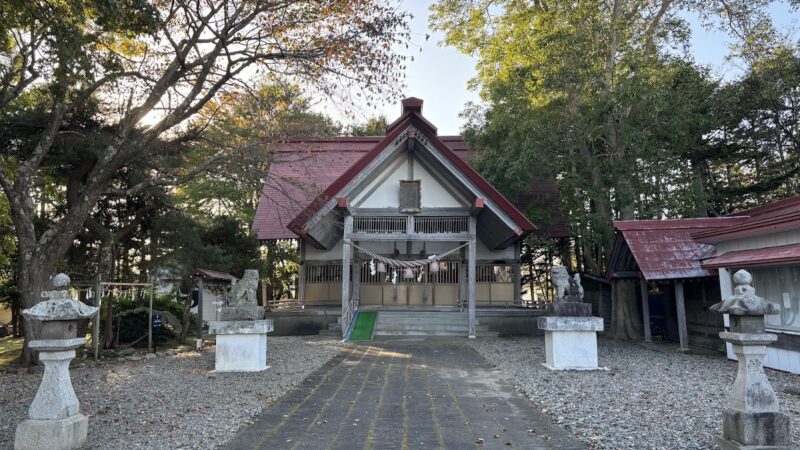
Shrine Building Style: Nagare-zukuri (flowing style)
Shrine Building Area: 38 tsubo (125.4 m²)
Shrine Grounds Area: 2,810 tsubo (9,273 m²)
Nagare-zukuri is the most common style of Japanese shrine architecture, characterized by a long, extended roof that covers the front of the porch (kohai).
Parishioners and Worshippers
Number of Parishioner Households: Approximately 20,000 households
Number of Worshippers: Approximately 5,000 people
With a wide range of parishioners centered around the Hiragishi district, this shrine is deeply rooted in the community and cherished by its residents.
History of Soma Shrine
Founding during the pioneering era
The history of Soma Shrine dates back to the pioneering era of Hokkaido. In March 1871 (Meiji 4), 65 households and 203 settlers, mainly former samurai from Mizusawa, Iwate Prefecture, settled in the Hiragishi area.
The settlers were granted permission to lease Hiragishi Tenjin-yama, where the current Soma Shrine stands, as the site for the shrine, and began performing religious ceremonies there as a place of worship for Sapporo Shrine (present-day Hokkaido Shrine). This is considered the beginning of Soma Shrine.
Development as a Shrine
As the pioneering progressed, the importance of the shrine as a spiritual anchor for the settlers increased. In the harsh natural environment of Hokkaido, it became a place of worship for local residents, attracting faith in abundant harvests and family safety.
The location on Tenjin-yama, a hill overlooking the Hiragishi area, was a symbolic place serving as a spiritual pillar. From the Meiji era through the Showa, Heisei, and Reiwa eras, Soma Shrine has grown alongside the development of the region.
Modern Soma Shrine
Currently, it functions as a shrine of significant cultural value in Toyohira Ward, Sapporo City, and as a center of the local community. Adjacent to Tenjinyama Green Park, it contributes to the preservation of the natural environment while being cherished by many worshippers.
How to Access Soma Shrine
Access by Public Transportation
Subway Use (Most Recommended)
Sumikawa Station on the Sapporo Municipal Subway Namboku Line is the nearest station.
- Take the Namboku Line from JR Sapporo Station.
- Get off at Sumikawa Station (approximately 15 minutes from Sapporo Station).
- Approximately 10-11 minutes on foot from the North Exit.
From Sumikawa Station, head north along Hiragishi-dori and follow the signs for Tenjinyama Green Park to reach the entrance to the main approach to Soma Shrine.
Access from Minami-Hiragishi Subway Station
The shrine is also accessible on foot from Minami-Hiragishi Station on the Sapporo Municipal Subway Namboku Line.
- Approximately 14 minutes on foot from Minami-Hiragishi Station (approximately 1.1 km)
Access by Car
It takes approximately 20 minutes by car from the center of Sapporo. Parking is available at Tenjinyama Ryokuchi Park, but congestion is expected during events such as festivals, so using public transportation is recommended.
Information for Car Navigation Settings:
- Address: 1-1, Hiragishi 2-jo 18-chome, Toyohira-ku, Sapporo
- Phone Number: 011-831-3413
- Latitude and Longitude: 43°1’4.81″N, 141°22’6.35″E (43.020547, 141.364576)
About the Approach to the Shrine
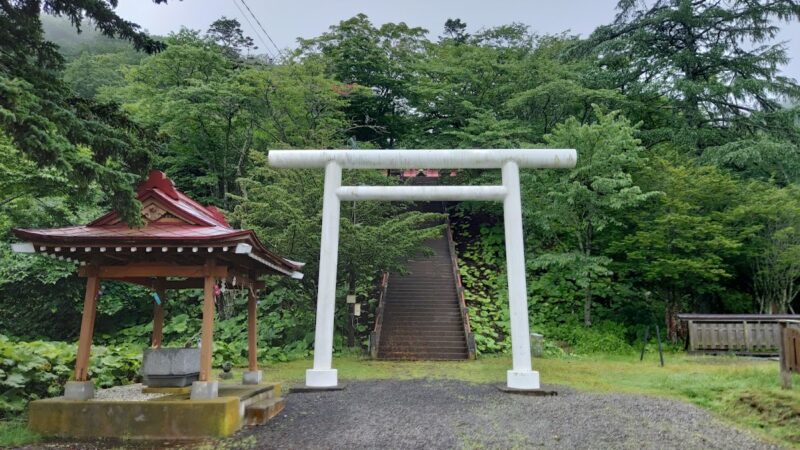
A large, easily visible shrine name marker stands at the entrance to the main approach to Soma Shrine. Passing through the first torii gate, you’ll find yourself on a sloping path through a natural forest. The path, leading to the summit of Tenjin-yama mountain, offers a tranquil atmosphere surrounded by trees, allowing you to forget the hustle and bustle of the city.
A sumo ring is also set up along the path, serving as a venue for traditional local events.
Goshuin (Shrine Seal) Information
Goshuin Reception
Soma Shrine always provides goshuin.
Reception Hours: 9:00 AM – 5:00 PM
Reception Location: Shrine Office
Features of the Goshuin
The Soma Shrine goshuin features the shrine’s name and date of visit written in ink, along with the shrine’s seal. Its simple yet dignified design makes it popular among goshuin collectors.
When requesting a goshuin, please speak politely at the shrine office. If you do not have a goshuincho (stamp book), pre-printed goshuin may be available, so please inquire.
Manners for Receiving a Goshuin
- First, complete your prayers before going to the shrine office.
- Open your goshuincho and show the next page.
- Prepare the offering fee (generally 300-500 yen).
- Request using polite language.
- Wait quietly while the goshuin is being written.
Goshuin are not part of a stamp rally; they are proof of your visit. Please treat them with respect for the shrine.
Annual Festivals and Events
Annual Festival (Autumn Grand Festival)
The most important festival at Soma Shrine is the annual festival.
Evening Festival: September 7th, starting at 6:00 PM
Annual Festival (Main Festival): September 8th, starting at 11:00 AM
*While the Hokkaido Shrine Association website lists the annual festival as September 5th, the actual dates are September 7th and 8th. Those planning to visit are advised to confirm with the shrine beforehand.
The annual festival includes traditional Shinto rituals such as the dedication of Kagura (sacred dance) and the procession of the portable shrine. It is an important event where local residents gather to pray for a bountiful harvest and peace in the community.
Other Annual Events
Soma Shrine holds various annual events in addition to the annual festival.
- Hatsumode (January 1st-3rd): Praying for good health and protection from illness in the new year
- Setsubun Festival (around February 3rd): Exorcising evil spirits through bean-throwing
- Shichi-Go-San (October-November): Celebrating the growth of children
- Year-End Grand Purification Ceremony (December 31st): Purifying oneself of the impurities of the year
For detailed dates and times of each event, please inquire at the shrine office.
Highlights of Soma Shrine
Sacred Tree (Estimated 300-Year-Old Japanese Chestnut)
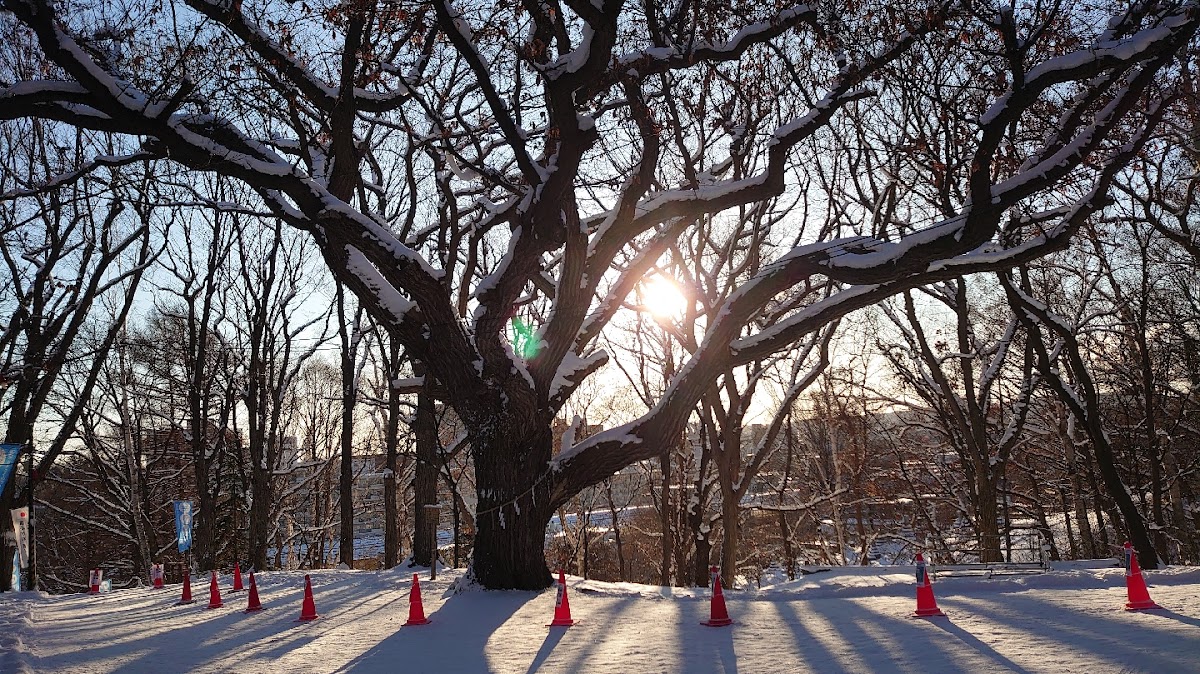
One of the greatest highlights of Soma Shrine is the sacred tree, estimated to be approximately 300 years old. The tree species is Japanese chestnut (Shibaguri), and it stands majestically in front of the shrine.
This sacred tree is believed to have existed in this area even before Soma Shrine was founded, and can be considered a living witness that has watched over the history of Hokkaido’s development. The tree’s trunk is thick and its branches are magnificent, its presence overwhelming visitors.
As you clasp your hands together in front of the sacred tree, you will feel the life force and power accumulated over many years.
A Shrine Grounds Rich in Nature
Soma Shrine’s grounds are vast, covering 2,810 tsubo (approximately 9,273 square meters), and are surrounded by many trees in addition to the sacred tree. Because it is adjacent to Tenjin-yama Green Park, you can enjoy the changing seasons.
Spring: New green leaves sprout, and the air is refreshing.
Summer: The shade of the deep green trees provides coolness.
Autumn: The autumn leaves are beautiful, and the approach to the shrine is colored.
Winter: The snow-covered, tranquil grounds create a mystical atmosphere.
Despite being in the city, it offers an environment where you can pray in peace.
View from Tenjin-yama
Tenjin-yama, where Soma Shrine is located, is the lowest of Sapporo’s 50 peaks at an elevation of 89m, but it boasts a superb location offering panoramic views of the Hiragishi area. From the shrine grounds, you can see the Sapporo cityscape, and the view is especially magnificent on clear days.
Sumo Ring
A sumo ring is set up along the approach to the shrine, demonstrating the importance of sumo as a traditional local culture. Sumo matches are sometimes held as offerings during festivals, showcasing the strong community ties.
Prayers and Festivals Available at Soma Shrine
At Soma Shrine, you can receive prayers tailored to various milestones and wishes in your life.
Main Prayer Services
- First Shrine Visit (Omiyamairi): Reporting the birth of a baby to the gods and praying for healthy growth.
- Shichi-Go-San (7-5-3 Festival): Celebrating the growth of children at ages 3, 5, and 7, and praying for their future health.
- Exorcism of Misfortune: Praying for protection against misfortune for those in their unlucky years.
- Traffic Safety Prayer: Praying for safe driving when purchasing a new car or for daily safety.
- Family Safety: Praying for the health and peace of the family.
- Business Prosperity: Praying for the development and prosperity of the business.
- Prayer for Success: Praying for success in entrance exams and qualification tests.
- Prayer for Safe Childbirth: Praying for the safety of the pregnant woman and her unborn baby.
- Groundbreaking Ceremony: Praying for the safety of the land when constructing a building.
How to Apply for Prayer Services
If you wish to have a prayer service, we recommend making a reservation by phone in advance. Weekends, holidays, and auspicious days can be particularly busy, so please contact us well in advance. Reservations and Inquiries: 011-831-3413 (Shrine Office Hours: 9:00 AM – 5:00 PM)
Nearby Facilities and Tourist Attractions
Tenjinyama Green Park
Adjacent to Soma Shrine, Tenjinyama Green Park is a popular recreational spot for Sapporo residents. Well-maintained walking paths allow visitors to enjoy nature observation and walking.
The park also has playground equipment, making it ideal for families to visit after a shrine visit.
History of the Hiragishi Area
The Hiragishi area was once known as an apple-producing region. From the Meiji era to the early Showa era, Hiragishi apples were famous as a Sapporo specialty. Historical sites and monuments that tell of this history still remain today.
After visiting Soma Shrine, we recommend enjoying a historical stroll through Hiragishi.
Precautions and Manners for Visiting the Shrine
Basic Manners for Visiting the Shrine
- How to Pass Through the Torii Gate: Bow before passing through, and avoid walking in the center of the path.
- How to Wash Your Hands: Cleanse your hands and mouth at the purification fountain.
- How to Worship: Two bows, two claps, one bow (two bows, two claps, one bow).
- Attire: Dress neatly and not too casually.
- Photography: Refrain from taking photos inside the main hall, and be considerate of other worshippers.
About the Path to Tenjin-yama
The path to Soma Shrine is a slope, and especially in winter, snow and ice can make it slippery. Please pay attention to the following points.
- Winter: Wear non-slip shoes and use the handrails.
- Summer: Take precautions against insects and remember to stay hydrated.
- Rainy Days: Prepare an umbrella or rain gear and watch your step.
For the elderly and those with mobility issues, we recommend taking your time to visit the shrine.
Summary of Soma Shrine’s Charms
Soma Shrine, located at 1-1, Hiragishi 2-jo 18-chome, Toyohira-ku, Sapporo City, is a shrine with the following charms:
- Historical Value: A historic shrine dating back to the pioneering era of 1871 (Meiji 4).
- Natural Environment: The shrine grounds are surrounded by abundant nature, including a sacred tree over 300 years old.
- Location: Situated in a special location at the top of Tenjin-yama mountain.
- Access: Conveniently located just a 10-minute walk from Sumikawa Subway Station.
- Goshuin (Shrine Seal): Available year-round, making it ideal for goshuin pilgrimages.
- Community-Oriented: A central shrine in the region with 20,000 parishioners.
- Tranquil Atmosphere: An environment where you can leave the hustle and bustle of the city and worship in peace.
Soma Shrine, which enshrines Amenominakanushi-no-Okami, warmly welcomes worshippers with various wishes, such as those starting a new chapter, those reaching a milestone in their lives, and those praying for daily peace.
Recommendation for Visiting Soma Shrine
Soma Shrine is a valuable shrine located within Sapporo city, surrounded by abundant nature, where you can feel history and tradition. As you ascend the path to the shrine, feeling the breath of the trees and offering your prayers before the sacred tree, you’ll experience a special moment that allows you to forget the hustle and bustle of everyday life.
You can visit for various purposes, such as New Year’s visits, Shichi-Go-San (a traditional Japanese rite of passage for children), exorcisms, and collecting Goshuin (shrine stamps). Furthermore, visiting in conjunction with Tenjin-yama Green Park allows you to enjoy a nature walk.
When you visit Toyohira Ward in Sapporo City, be sure to stop by Soma Shrine. The history of the shrine, which has watched over the region since the pioneering era, and the unchanging beauty of nature will welcome you.
Soma Shrine
Address: 1-1, Hiragishi 2-jo 18-chome, Toyohira-ku, Sapporo, Hokkaido 062-0932, Japan
Phone: 011-831-3413
Access: Approximately 10-minute walk from Sumikawa Station on the Sapporo Municipal Subway Namboku Line
Visiting Hours: Open 24 hours (Shrine office hours: 9:00 AM – 5:00 PM)
Goshuin (Shrine Seal): Available at all times (9:00 AM – 5:00 PM)
May your visit be a time of enrichment and peace.