Complete Guide to Ooyachi Shrine | A Historic Shrine in Atsubetsu Ward, Sapporo City: Goshuin (Shrine Seals), Amulets, and Groundbreaking Ceremonies
Located in Ooyachi-nishi, Atsubetsu Ward, Sapporo City, Ooyachi Shrine is a historic shrine that has attracted the faith of local residents since the Meiji era. Despite its convenient location, just a 5-minute walk from Ooyachi Station on the Tozai Subway Line, the shrine grounds are surrounded by lush greenery and are cherished as a “guardian forest” with trees designated as protected by Sapporo City. This article comprehensively introduces information useful for visiting Ooyachi Shrine, including its history, enshrined deities, goshuin (shrine seals), amulets, prayers, annual events, and access methods.
History and Origins of Ooyachi Shrine
From its Founding in the Meiji Era to the Present
The history of Ooyachi Shrine dates back to 1884 (Meiji 17). In that year, a founding assembly was established by the residents of Ooyachi, and the momentum for the creation of a shrine as the permanent guardian deity of the region grew. In the pioneering days of Hokkaido, the residents decided to establish a shrine, harboring the prayer for “peace in the land and happiness for the people.”
In 1897 (Meiji 30), after consultation among the residents, they submitted an application to the Hokkaido Prefectural Government for the establishment of a shrine and received approval as an unranked shrine. Later, in 1900 (Meiji 33), a notification of completion of the shrine’s founding was submitted, formally establishing it as a shrine.
Incorporation as a Religious Corporation and Post-War Development
In 1946 (Showa 21), with the enforcement of the Religious Corporations Law, the shrine officially acquired legal corporate status as the religious corporation Otaniuchi Shrine. At this time, Mr. Yoshishiro Mihashi was appointed as the first chief priest, and the shrine’s management system was established.
In 1974 (Showa 49), the shrine building was constructed, and in August of the same year, the relocation ceremony and offering ceremony were held. The shrine building constructed at this time is the current structure, and for nearly 50 years since then, it has functioned as the center of local faith.
The Relationship Between the Place Name of Otaniuchi and the Shrine
The place name “Otaniuchi” is said to originate from the fact that this area was once a wetland. During the pioneering era, settlers cultivated farmland in a harsh natural environment and formed settlements. The shrine played an important role as a spiritual pillar for these pioneers and as the center of the local community.
Deities and Divine Virtues
Three deities are enshrined at Otaniuchi Shrine.
Okunitama-no-Okami
Okunitama-no-Okami is a deity revered as the god of the earth and the guardian deity of the land. Known as the principal deity of Okunitama Shrine, the main shrine of Musashi Province (present-day Tokyo, Saitama, and parts of Kanagawa prefectures), this deity is believed to bestow divine blessings for national development, industrial prosperity, and abundant harvests. It can be said that seeking the protection of this deity was a natural progression in the monumental undertaking of Hokkaido’s development.
Ōnamuchi-no-Kami
Ōnamuchi-no-Kami is another name for Ōkuninushi-no-Kami. Famous as the principal deity of Izumo Taisha Shrine, he is widely worshipped as the god of nation-building, matchmaking, and medicine. He is believed to possess a wide range of divine virtues encompassing all aspects of life, including agriculture, commerce, medicine, and matchmaking, making him a fitting deity to protect the lives of local residents.
Sukunahikona-no-Ōkami
Sukunahikona-no-Ōkami is known as a deity who worked alongside Ōkuninushi-no-Kami in nation-building. He is revered as the god of medicine, hot springs, and incantations, as well as agriculture and industry, and is particularly believed to have miraculous powers for healing illnesses and praying for good health. In the harsh living conditions of the pioneering era, faith in a deity who presides over health and medicine was a desperate wish.
Summary of Divine Virtues
Considerablely, the three deities enshrined at Ooyachi Shrine are believed to possess the following divine virtues:
- Family safety and health
- Business prosperity and success
- Abundant harvests and industrial development
- Matchmaking and prayers for good relationships
- Healing from illness and longevity
- Peace and tranquility of the community and protection from disaster
Highlights of the Shrine Grounds
Sapporo City Designated Protected Forest
The most distinctive feature of Ooyachi Shrine is its rich natural environment. Many trees flourish within the grounds, and in particular, trees such as fir and larch are designated as protected trees by Sapporo City. In the increasingly urbanized city of Sapporo, such a lush green space is a precious resource.
Located on a small hill, the shrine grounds are surrounded by a dense forest, and despite facing a busy road, the grounds are surprisingly quiet. As a “guardian forest,” you can experience a tranquil atmosphere far removed from the hustle and bustle of the city.
Heart-Shaped Tree Stump and Matchmaking Spot
In recent years, the “heart-shaped tree stump” at Otaniuchi Shrine has been attracting attention. After a tree felled during a typhoon in 2016, the stump naturally formed a heart shape, making it a popular power spot for matchmaking.
Since the enshrined deity, Oonamuchi-no-kami (Okuninushi-no-kami), is known as a god of matchmaking, this heart-shaped stump is seen as a message from the gods, attracting many worshippers seeking good fortune in love.
Shrine Buildings and Grounds
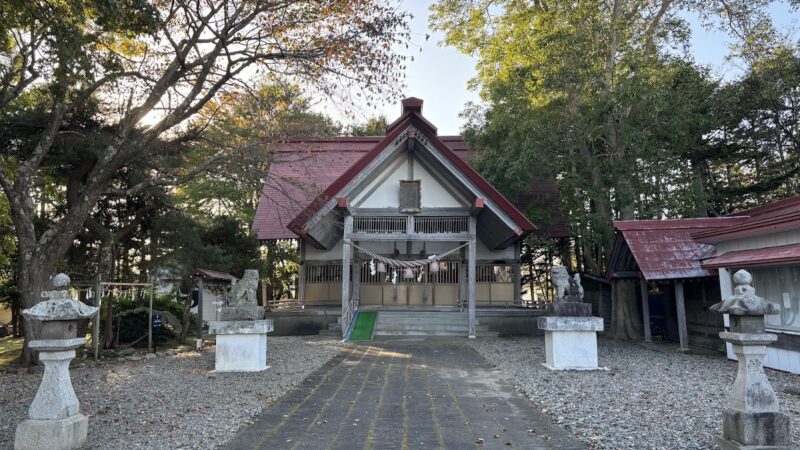
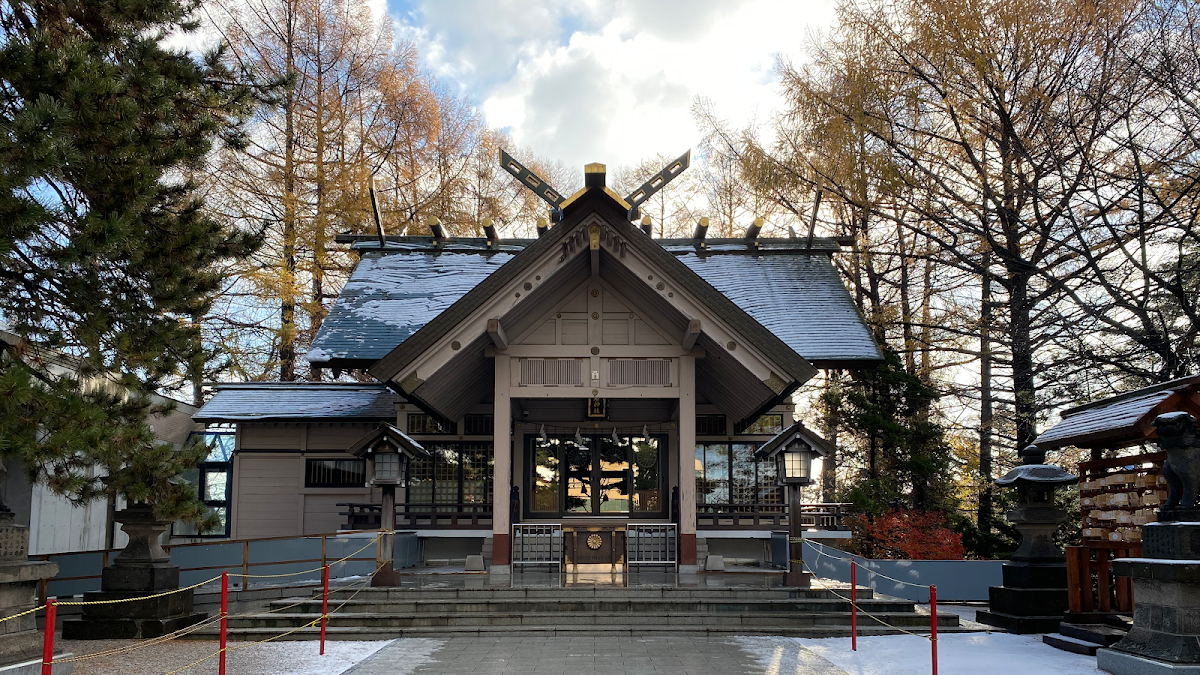
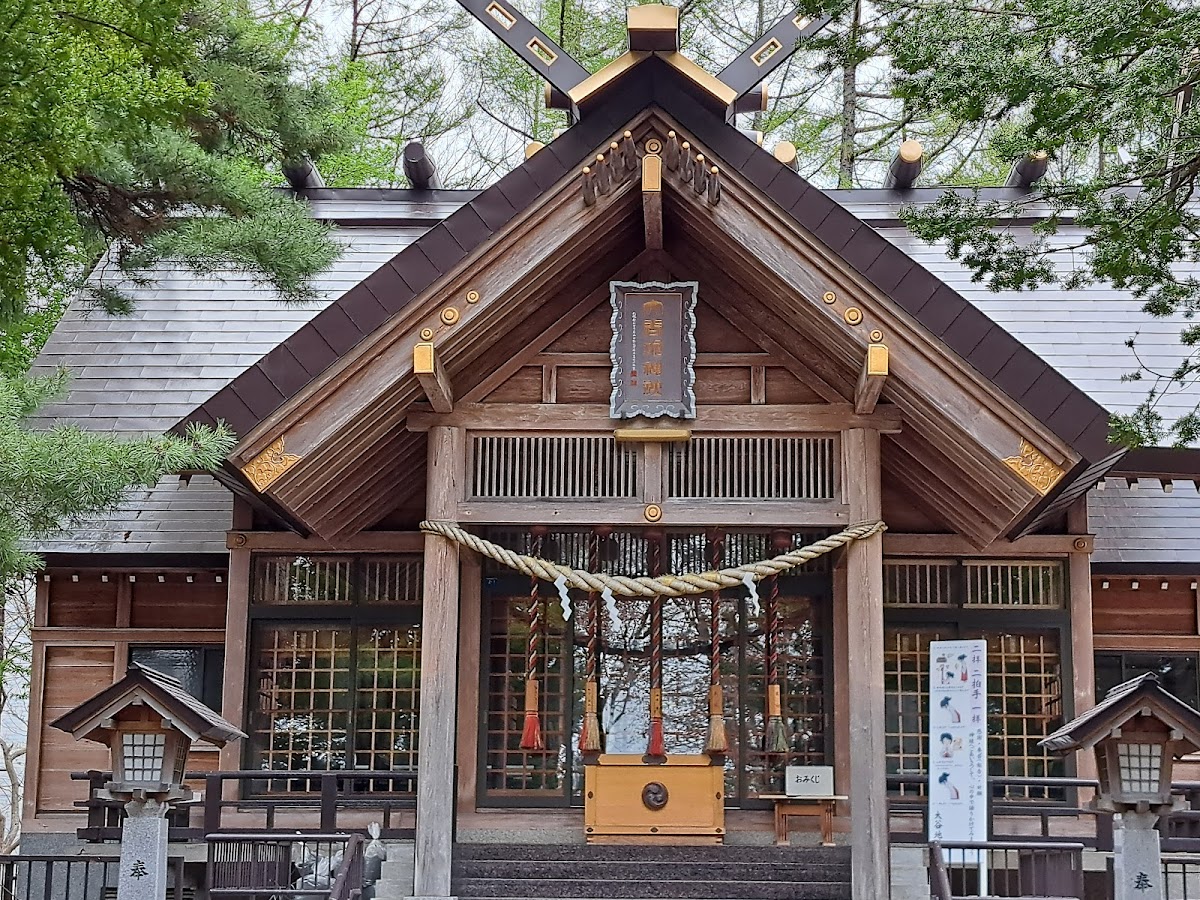
The current shrine buildings, constructed in 1974, follow traditional shrine architectural styles while being adapted to Hokkaido’s climate. The main hall, worship hall, and shrine office are well-maintained, providing a comfortable environment for worshippers.
The grounds feature shrine facilities such as a purification fountain, lanterns, and guardian lion-dogs. During New Year’s and the annual festival, stalls and food vendors line the grounds, creating a lively atmosphere with many worshippers. ## Goshuin (Shrine Seals) and Amulets
About Goshuin
Ooyachi Shrine offers Goshuin. Goshuin have become popular in recent years as proof of worship and a tangible representation of one’s connection with the shrine.
Goshuin are available at the shrine office, and the offering fee is generally around 300 to 500 yen. You can bring your own Goshuincho (seal book) or receive a pre-printed Goshuin. It is recommended to check with the shrine in advance regarding visiting hours and the opening hours of the shrine office.
Amulets and Souvenirs
Ooyachi Shrine offers various amulets and souvenirs. In addition to common amulets for traffic safety, family safety, academic success, and health, amulets for matchmaking are also popular.
Amulets are meant to make you feel the protection of the gods close at hand, and it is believed that wearing them at all times brings peace of mind and protection to your daily life.
Information on Prayers and Rituals
Groundbreaking Ceremony
Ooyachi Shrine performs groundbreaking ceremonies to pray for the safety of construction work and the prosperity of the building. The groundbreaking ceremony is an important ritual to obtain permission from the land gods for construction and to pray for the safety of the construction and the longevity of the building.
Those planning to construct new houses, buildings, factories, etc. in Atsubetsu Ward, Sapporo City, and surrounding areas can request a groundbreaking ceremony from Ooyachi Shrine. A Shinto priest will visit the site to perform the ceremony.
Exorcism and Protection from Misfortune Prayers
We accept prayers for exorcism and protection from misfortune for those who have reached their unlucky year, or those who feel misfortune in their daily lives. Generally, unlucky years are considered to be 25, 42, and 61 for men, and 19, 33, 37, and 61 for women. The years 42 for men and 33 for women are considered particularly unlucky and require special attention.
During the exorcism prayer, a Shinto priest recites prayers and performs a purification ritual to ward off misfortune and pray for future safety.
Other Prayers
Ooyachi Shrine accepts the following types of prayers:
- First Shrine Visit (Omiyamairi): Reporting the birth of a baby to the gods and praying for healthy growth
- Shichi-Go-San Ceremony: Celebrating a milestone in a child’s growth and praying for future health and happiness
- Traffic Safety Prayer: Praying for safe driving and accident-free driving of cars and motorcycles
- Business Prosperity Prayer: Praying for the development and prosperity of a business
- Family Safety Prayer: Praying for the health of all family members and peace in the home
- Recovery from Illness Prayer: Praying for recovery from illness and recovery of health
- Success in Exams Prayer: Praying for success in exams and tests
If you wish to have a prayer performed, it is recommended that you contact the shrine in advance to make a reservation for a date and time.
Annual Events and Grand Festival
New Year’s Visit (January 1st-3rd)
The New Year’s visit to the shrine is the busiest time of year at Ooyachi Shrine. From New Year’s Day through the third day, the shrine grounds are bustling with local residents and visitors from neighboring areas.
During the New Year’s period, stalls and food vendors set up shop on the shrine grounds, where visitors can enjoy amazake (sweet rice wine) and warm food. Praying for safety and prosperity in the new year and welcoming the start of the new year at the shrine is a traditional Japanese custom.
Dondo-yaki (Mid-January)
Dondo-yaki, where New Year’s decorations, amulets, and talismans are burned, is another annual event at Ooyachi Shrine. Dondo-yaki symbolizes sending the gods of the New Year back to heaven with the flames, and is also a ceremony to express gratitude by burning old amulets and talismans in a purifying fire.
The date is usually set for mid-January, but it may vary from year to year, so it is recommended to check the official information and notices posted by the shrine.
Annual Grand Festival (Autumn)
The annual grand festival of Otani-chi Shrine is held in the autumn. This is the most important festival for the shrine, where gratitude for the past year is offered to the gods and prayers are offered for the peace and prosperity of the community.
During the grand festival, there are often processions of portable shrines and dedication ceremonies, and many stalls are set up on the shrine grounds, creating a lively atmosphere as a local festival. It is a major local event that can be enjoyed by people of all ages.
Other Annual Events
- Setsubun Festival (around February 3rd): Bean-throwing ceremony to ward off evil and invite good fortune
- Shichi-Go-San (around November 15th): Celebrating children’s growth and praying for their health
- Oharai Ceremony (June 30th, December 31st): Purifying oneself of sins and impurities accumulated over the past six months
Access and Parking Information
Access by Public Transportation
By Subway
- Get off at Oyachi Station on the Sapporo Municipal Subway Tozai Line, approximately 5 minutes on foot
- Oyachi Station is the next station to Shin-Sapporo Station, offering good access from central Sapporo.
By Bus
- Get off at the Oyachi bus stop on any Chuo Bus or JR Hokkaido Bus route, a few minutes on foot
Access by Car and Parking
Address
〒004-0041 2-2-1, Ooyachi-Nishi, Atsubetsu-ku, Sapporo City, Hokkaido
Parking
Ooyachi Shrine has two parking lots for visitors.
- Parking Lot 1: Located up the road between Hokusei Gakuen University and Ooyachi Shrine
- Parking Lot 2: Along Nango-dori Street
During busy periods such as New Year’s visits and the annual festival, the parking lots may be full, so we recommend using public transportation. Also, please refrain from parking on the street to avoid inconveniencing local residents.
Surrounding Facilities
The following facilities are located near Ooyachi Shrine:
- Hokusei Gakuen University: Adjacent to the north side of the shrine
- Catepuri (Commercial Facility): Shopping center directly connected to Ooyachi Station
- Ooyachi Bus Terminal: Hub for bus routes to various destinations
- Aeon Sapporo Motomachi Shopping Center: Approximately 10 minutes by car
You can also enjoy shopping and dining before or after your visit to the shrine.
Manners and Etiquette for Visiting a Shrine
How to Pass Through the Torii Gate
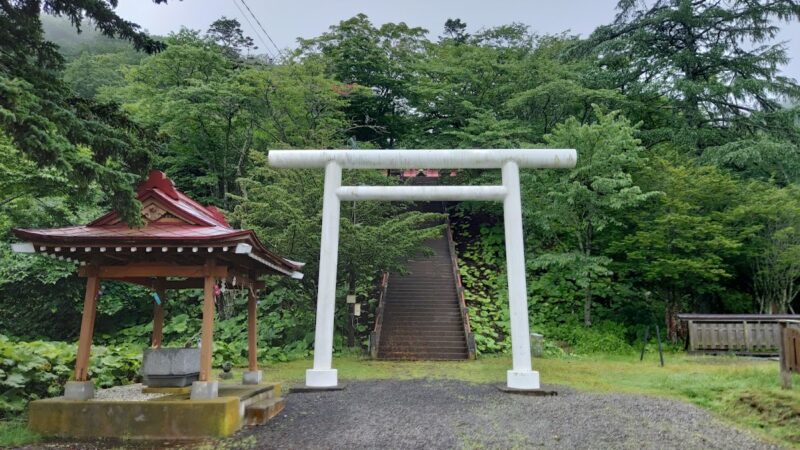
The torii gate, the entrance to a shrine, is the boundary separating the sacred realm from the secular world. Before passing through the torii gate, bow and compose yourself before entering the shrine grounds. It is considered proper etiquette to avoid walking in the center of the path (as the center is considered the path of the gods).
How to Wash Your Hands at the Water Basin
Purifying yourself at the water basin is an important preparation before appearing before the gods.
- Take the ladle in your right hand and wash your left hand.
- Switch the ladle to your left hand and wash your right hand.
- Take the ladle back in your right hand, receive water in your left hand, and rinse your mouth (do not put your mouth directly on the ladle).
- Wash your left hand once more.
- Hold the ladle upright, let the water flow down the handle, and return it to its original place.
How to Worship
Follow the general shrine worship etiquette of “two bows, two claps, one bow.”
- Stand in front of the offering box and quietly place your offering in it.
- If there is a bell, ring it.
- Bow deeply twice.
- Clap your hands twice at chest height.
- Pray with your hands clasped together.
- Finally, bow deeply once.
Attire and Mindset for Visiting a Shrine
Shrines are sacred places, so please wear clean clothing when visiting. While formal attire is not necessary, you should avoid overly revealing or dirty clothing.
Furthermore, visiting a shrine is a time to express gratitude and offer prayers to the gods. It is important not only to make wishes, but also to express gratitude for everyday blessings and to visit with humility.
Official Information and Social Media of Ooyachi Shrine
Official Website
Ooyachi Shrine operates an official website where the latest information and event schedules are posted. Checking it before your visit will allow you to find out about festival dates and shrine office opening hours in advance.
Official Instagram Account
Ooyachi Shrine operates an official Instagram account (@ooyachi_jinja), showcasing seasonal scenery and events within the shrine grounds through photographs. However, we do not reply to DMs or comments, so we recommend contacting us by phone or visiting in person.
Hokkaido Shrine Association
Ooyachi Shrine belongs to the Hokkaido Shrine Association. Basic information about Ooyachi Shrine is also available on the Hokkaido Shrine Association’s website, where you can also find information about shrines in Hokkaido in general.
History of the Ooyachi Area and the Role of the Shrine
Ooyachi During the Pioneer Period
The Ooyachi area developed alongside the pioneering efforts of Hokkaido during the Meiji era. Initially, it was an undeveloped area with vast wetlands, but through the efforts of settlers, farmland was cultivated, and settlements gradually formed.
For the pioneers, the shrine was both a spiritual support and the center of the local community. Through festivals and rituals, residents gathered, and the shrine functioned as a place for information exchange and mutual assistance.
Urbanization and the Transformation of the Shrine
After World War II, the Ooyachi district underwent urbanization along with the expansion of Sapporo City. In 1971, the Tozai Subway Line opened, and Ooyachi Station was established, leading to its development as a transportation hub.
Even amidst this urbanization, Ooyachi Shrine continued to attract the faith of residents as the guardian shrine of the area. The protected forest within the shrine grounds continues to play an important role today as a valuable green space within the city and a place of peace and tranquility.
The Role of the Shrine in Modern Times
In addition to its role as a traditional place of worship, Ooyachi Shrine today plays diverse roles as a community hub, a place for cultural transmission, and a symbol of nature conservation.
Events such as New Year’s visits and annual festivals foster intergenerational exchange and strengthen community bonds. Furthermore, experiences at the shrine provide children with opportunities to learn about traditional Japanese culture and etiquette.
Places to Visit Alongside Nearby Tourist Attractions
Hokusei Gakuen University
Hokusei Gakuen University, adjacent to Ooyachi Shrine, is a well-known Christian private university. Its lush green campus is open to the public, making it a great place for a stroll.
Shin-Sapporo Sunplaza
Just one subway stop from Shin-Sapporo Station, the Sunplaza Aquarium and shopping mall are located in an area perfect for a full day out with family.
Atsubetsu Park
Atsubetsu Park, about a 10-minute drive away, is a comprehensive park with a vast area featuring sports facilities such as a baseball field, athletics track, and tennis courts. It offers a lush natural environment perfect for walks and picnics.
Hokkaido Historical Village
Located within Nopporo Forest Park, about a 15-minute drive away, the Hokkaido Historical Village is an open-air museum featuring relocated and restored buildings from Hokkaido during the Meiji and early Showa periods. Visitors can experience what Hokkaido was like during the time when Ooyachi Shrine was founded.
Ooyachi Shrine Through the Seasons
Ooyachi Shrine in Spring
In spring, the trees in the shrine grounds are enveloped in fresh greenery, creating an atmosphere full of vitality. As the snow melts, the number of visitors increases, and the shrine becomes bustling with people praying for safety in the new year and reporting success in school or employment.
Ooyachi Shrine in Summer
In summer, Ooyachi Shrine exudes a cool atmosphere with its grounds covered in deep green. The sacred forest acts as a natural air conditioner, easing the heat of the city and providing tranquility to visitors.
Ooyachi Shrine in Autumn
Autumn is the season for the annual festival. In addition to coniferous trees such as larch and fir, the autumn foliage of broad-leaved trees is also beautiful, enveloping the shrine grounds in the colors of autumn. Visitors come to give thanks for the harvest and pray for a bountiful harvest in the coming year.
Ooyachi Shrine in Winter
During Hokkaido’s harsh winter, Ooyachi Shrine, covered in snow, is enveloped in a solemn atmosphere. During the New Year’s visit season, you can have a special experience welcoming the new year amidst a snowy landscape. The tranquil winter grounds provide an ideal place for calming the mind and introspection.
Summary: Ooyachi Shrine Walking Together with the Community
For nearly 140 years since its founding in the Meiji era, Ooyachi Shrine has served as the guardian shrine of the Ooyachi area in Atsubetsu Ward, Sapporo City, watching over the faith and lives of the local residents. In the harsh environment of the pioneering era, it provided spiritual support to the residents, and even in modern times of urbanization, it continues to function as a spiritual cornerstone of the community.
The rich natural environment within the shrine grounds is designated as a protected forest by Sapporo City, and is cherished as a valuable green space in the city and a place of peace. The heart-shaped tree stump, which has recently become a topic of conversation, adds a new attraction as a power spot for matchmaking.
Through prayers at life’s milestones such as ground-breaking ceremonies, exorcisms, first shrine visits for newborns, and Shichi-Go-San (a traditional rite of passage for children), shrines remain deeply intertwined with the lives of local residents. Annual events like New Year’s visits and grand festivals provide opportunities for intergenerational interaction, strengthening community bonds.
Despite its convenient location, just a 5-minute walk from Ooyachi Subway Station, stepping onto the shrine grounds reveals a tranquil sacred space. Ooyachi Shrine, a place to escape the hustle and bustle of the city and find peace of mind, is a precious space for modern people.
When visiting Sapporo’s Atsubetsu Ward, or when seeking inner peace in daily life, we recommend visiting Ooyachi Shrine. At this historic shrine, offering gratitude and prayers to the gods, and feeling the refreshing air of the sacred forest, you are sure to have a cleansing experience for your soul.