Shiraishi Shrine (Shiroishi Ward, Sapporo) Complete Guide | History, Deities, Kamiyose Valley, and Access Information
Shiraishi Shrine, located at 1-12, Hon-dori 14-chome Kita, Shiroishi Ward, Sapporo, is a historic shrine founded in 1872 (Meiji 5). It enshrines Emperor Jimmu as its main deity and boasts the second-highest number of visitors for the first three days of the New Year, after Hokkaido Shrine. It is a representative shrine of the region, attracting many worshippers. This article provides detailed information you should know before visiting Shiraishi Shrine, from its history and facilities to its enshrined deities, annual events, and access methods.
Basic Information about Shiraishi Shrine
Location: 1-12, Kita 14-chome, Hon-dori, Shiraishi-ku, Sapporo, Hokkaido 003-0027
Phone Number: 011-861-2609
Former Shrine Rank: Village Shrine
Annual Festival Dates: September 11th (Main Festival), September 10th (Eve Festival)
Deity Enshrined: Emperor Jimmu (Kan-Yamato-Iwarehiko-no-Mikoto)
Shiraishi Shrine is located approximately 10 minutes on foot from Nango 13-chome Station on the Tozai Subway Line, and boasts excellent accessibility facing National Route 12. The vast grounds offer numerous attractions, including the main shrine building, the shrine office, the purification fountain, and the mystical Kamiyose Valley.
History and Origins of Shiraishi Shrine
From its Founding in the Meiji Era to the Present
The history of Shiraishi Shrine dates back to 1872 (Meiji 5). Initially, it is believed to have begun when Sapporo Shrine (present-day Hokkaido Shrine) relocated its old shrine building to Shiraishi Village (present-day Shiraishi Ward) when it moved to Maruyama. This relocation led to the birth of the shrine in Shiraishi, and it has developed as a spiritual center for the community.
The fact that the old shrine building of Sapporo Shrine was relocated is an important element in understanding the history of Shiraishi Shrine. It has a historical connection to Hokkaido Shrine, which still stands in Maruyama, and is a valuable presence that conveys the history of Sapporo’s pioneering era.
About the Deity Enshrined: Emperor Jimmu
The deity enshrined at Shiraishi Shrine, Emperor Jimmu (Kamuyamato Iwarebiko no Mikoto), is the first emperor of Japan and a central figure in the founding myths recorded in the Kojiki and Nihon Shoki. As a deity symbolizing the founding and development of Japan, he is worshipped throughout the country.
At Shiraishi Shrine, by enshrining Emperor Jimmu as its principal deity, it played a role in praying for prosperity in the new land and regional development during the pioneering period of Hokkaido. In the historical context of Hokkaido’s development during the Meiji era, the significance of enshrining the god of nation-building was extremely great.
Shrine Grounds Guide: Detailed Explanation of Highlights
The grounds of Shiraishi Shrine contain many important facilities and points of interest for visitors. We will introduce each facility in detail.
① Shrine Building
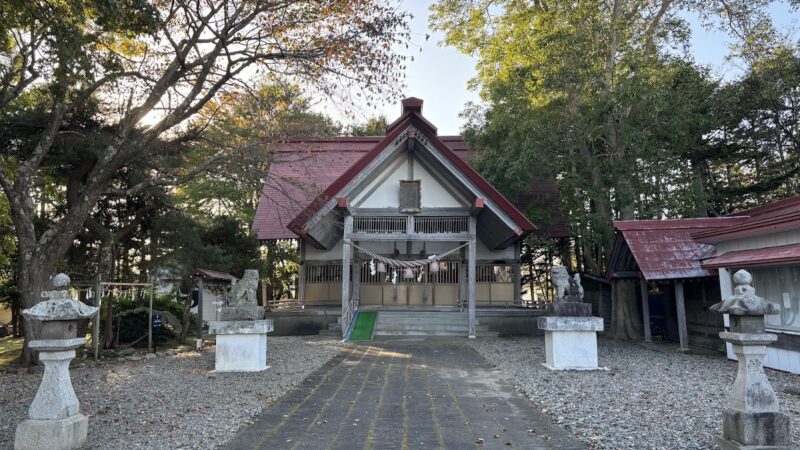
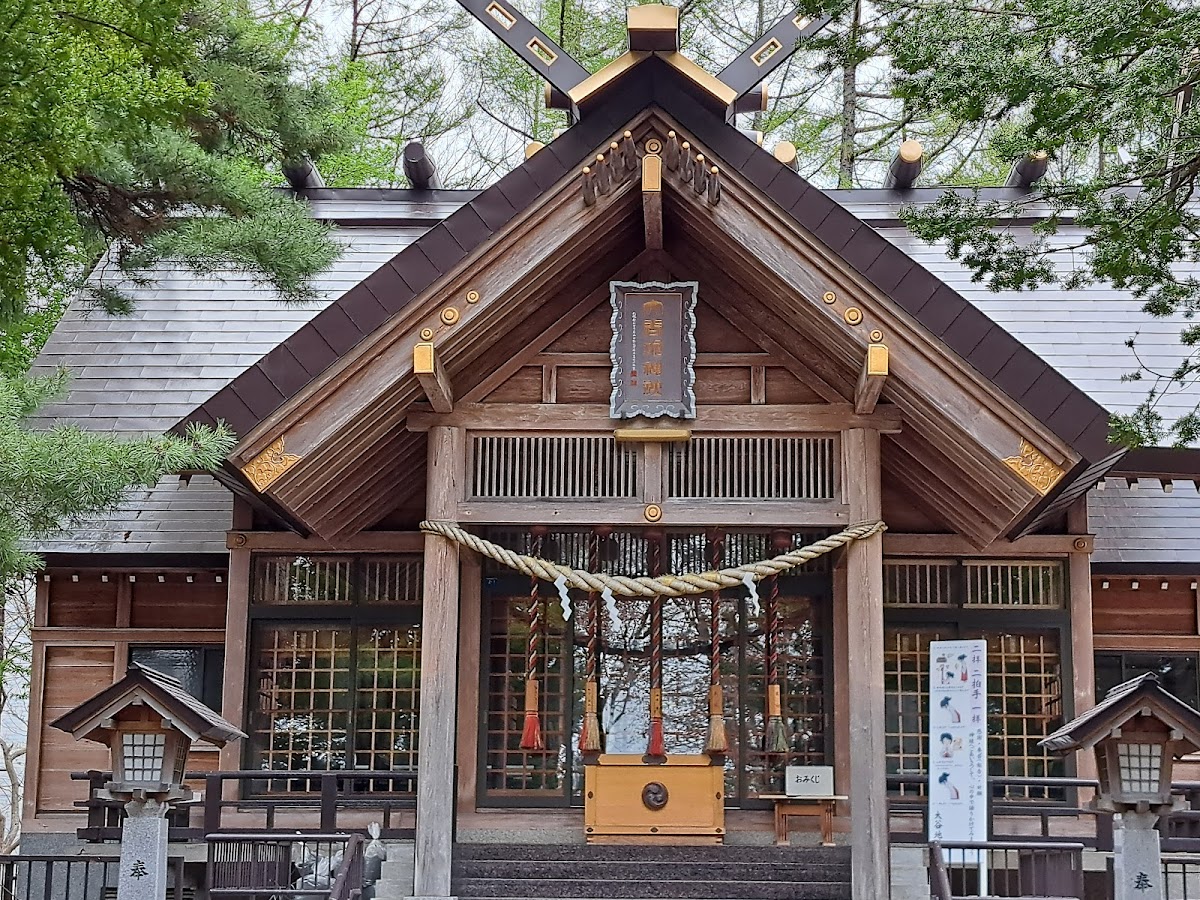
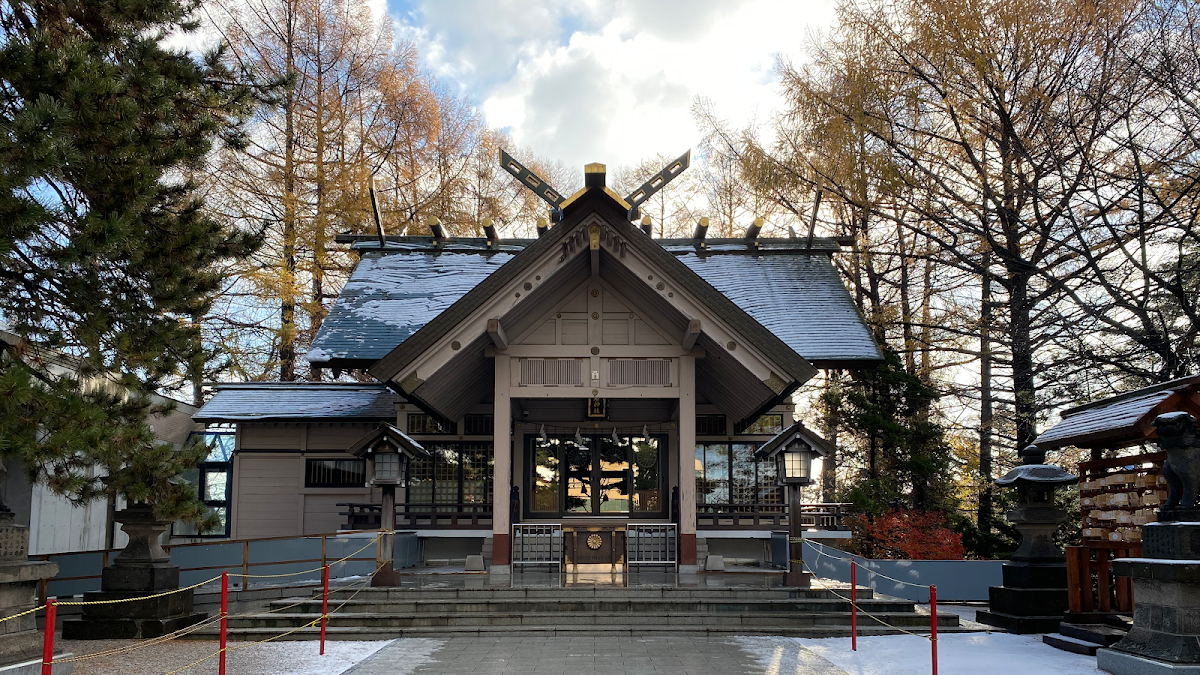
The central shrine building of Shiraishi Shrine is a solemn wooden structure. It consists of a worship hall and a main hall, where Emperor Jimmu, the enshrined deity, is worshipped. In front of the shrine building is a spacious worship area, designed to allow for relaxed worship even during the busy New Year and annual festival periods.
The architectural style of the shrine building incorporates features of traditional shrine architecture while being adapted to Hokkaido’s climate. The structure is particularly designed to withstand heavy snowfall in winter, and features that demonstrate consideration for cold climates are evident throughout.
② Reception Area
At the reception area, you can receive amulets, goshuin (stamps), and lucky charms. Original Shiraishi Shrine amulets and seasonal items are available, and many people stop by to commemorate their visit.
Goshuin are popular as proof of worship, and at Shiraishi Shrine, they are carefully written. If you bring your goshuincho (stamp book), you can have it written on the spot (reception hours are the same as the shrine office’s opening hours).
③ Shrine Office
The shrine office is where you can make reservations for prayers, receive various consultations, and inquire about the shrine. Various prayers are accepted, including Shichi-Go-San (children’s festival), exorcism, safety prayers, and business prosperity prayers.
Those wishing to receive prayers are advised to make a reservation in advance by phone (011-861-2609). Especially during peak seasons (such as New Year’s and Shichi-Go-San), advance reservations are recommended for a smoother visit.
④ Water Basin
The water basin, where you purify your body and mind before visiting the shrine, is located near the entrance to the grounds. The proper way to visit is to first purify your hands and mouth at the water basin before proceeding to the shrine building.
Please note that during winter, the use of the water basin may be restricted to prevent freezing.
⑤⑥ Kamiyosedani Entrance (Right rear of the main hall / back of the grounds)
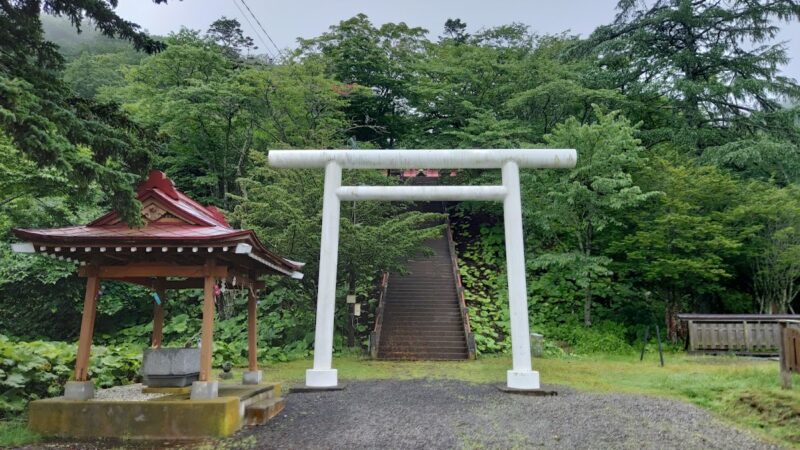
One of the biggest highlights of Shiraishi Shrine is “Kamiyosedani.” There are two entrances: one to the right rear of the main hall and another at the back of the grounds. It is a mystical space leading into a lush forest.
As its name suggests, Kamiyosedani means “the valley where gods gather,” and it is considered a special sacred area within the shrine grounds. Within the lush forest, well-maintained paths allow you to stroll through nature and experience a sacred atmosphere.
Kamiyose Valley is particularly breathtaking during the autumn foliage season (mid-October to early November), with the colorful trees creating a landscape of otherworldly beauty. As you ascend and descend the stairs and proceed through the forest, you’ll be enveloped in a tranquility and the energy of nature, making you forget the hustle and bustle of the city.
We recommend wearing comfortable shoes when exploring Kamiyose Valley. Particular caution is needed after rain or during winter, as the ground can become slippery.
Torii Gate on National Route 12
A torii gate of Shiraishi Shrine stands facing National Route 12. This is evidence that the entrance to the shrine grounds originally began at this location, and it now serves as a landmark for the shrine entrance.
For those arriving by car, this torii gate is an important landmark indicating the location of Shiraishi Shrine.
Annual Events and Festivals
Shiraishi Shrine holds various festivals and events throughout the year.
Main Annual Events
Spring Festival (Kinensai): April 11th
A festival to pray for a bountiful harvest and prosperity for the region.
Grand Festival: September 11th (Main Festival), September 10th (Eve Festival)
This is Shiraishi Shrine’s most important festival, with the main festival starting at 9:00 AM. The eve festival the day before starts at 5:00 PM and is a grand celebration involving the entire community.
Labor Thanksgiving Festival (Niiname-sai): November 23rd
A festival to give thanks for the harvest and to honor labor.
New Year’s Visit: January 1st-3rd
The first three days of the New Year’s visit to the shrine record the second-highest number of visitors in Hokkaido, after Hokkaido Shrine, and are bustling with many worshippers. People from all over Hokkaido visit to pray for good health and safety for their families in the new year.
Shiraishi Shrine Parishioners’ Youth Association and the Washoi Sapporo Shiraishi Ren (Traditional Portable Shrine Procession)
The Shiraishi Shrine Parishioners’ Youth Association is an important organization supporting Shiraishi Shrine. This youth association contributes to the operation of shrine events, including the annual festival, and to the revitalization of the local community.
Particularly noteworthy is the tradition of the “Washoi Sapporo Shiraishi Ren” (Traditional Portable Shrine Procession). During the annual festival, the portable shrine, carried mainly by the Parishioners’ Youth Association, parades through the community, enlivening the festival. This tradition strengthens community bonds and serves as a place for intergenerational exchange.
About Prayers and Offerings
Types of Prayers
At Shiraishi Shrine, you can receive the following types of prayers:
- Exorcism/Protection from Evil Spirits
- Shichi-Go-San (7-5-3 Festival)
- First Shrine Visit (Omiyamairi)
- Safety Prayer (Traffic Safety, Construction Safety, etc.)
- Business Prosperity
- Family Safety
- Success in Exams/Academic Achievement
- Recovery from Illness
- Other Various Prayers
If you wish to receive a prayer, please contact the shrine office (011-861-2609) in advance for a smoother process.
Items Offered and Goshuin (Shrine Seals)
The shrine office offers a variety of amulets and lucky charms:
- Various amulets (traffic safety, academic success, health, matchmaking, etc.)
- Divine talismans
- Demon-repelling arrows and rakes (New Year’s and annual festival period)
- Goshuin (shrine seals)
- Ema (votive tablets)
Goshuin are popular as proof of worship and are carefully written with Shiraishi Shrine’s unique designs.
Access Information
Access by Public Transportation
By Subway:
Get off at “Nango 13-chome” Station on the Sapporo Municipal Subway Tozai Line.
Approximately 10 minutes on foot from Exit 3 (approx. 682m).
From Nango 13-chome Station, follow the signs to reach Shiraishi Shrine. The route passes through a residential area, making for a quiet stroll.
By Bus:
There are bus routes to Shiraishi from various locations in Sapporo, and the shrine is accessible on foot from the nearest bus stop. Please check the Sapporo City Transportation Bureau website for details.
Access by Car
Located along National Route 12, it is easily accessible by car. Look for the torii gate on National Route 12.
Parking: There is a parking lot for visitors on the temple grounds. However, it may be full during busy periods such as New Year’s Day and the annual festival, so we recommend using public transportation.
Travel Time from Major Areas:
- From Sapporo Station: Approximately 20 minutes by car
- From New Chitose Airport: Approximately 1 hour by car
Manners and Recommended Time for Visiting
Proper Way to Visit
- Bow before passing through the torii gate
- Cleanse your hands and mouth at the water basin
- Walk away from the center of the path (the center is the path of the gods)
- Place your offering in front of the shrine, bow twice, clap twice, and bow once
- Bow once again at the torii gate on your way out
Recommended Time to Visit
Spring (April-May): This is the time of the spring festival, and the fresh greenery is beautiful.
Autumn (October-November): The annual festival coincides with the autumn foliage season, and the autumn leaves in Kamiyose Valley are magnificent. Especially from mid-October to early November, you can enjoy a beautiful, otherworldly landscape.
New Year’s (January 1st-3rd): A busy time for Hatsumode (first shrine visit of the year). Ideal for New Year’s prayers, but be prepared for crowds.
Winter (December-February): Visiting amidst a snowy landscape is also charming. However, please be very careful of your footing.
Surrounding Information
Around Shiraishi Shrine are medical facilities such as Sapporo Hospital and the residential area of Shiraishi Ward. After visiting the shrine, you can enjoy dining and shopping in the shopping district around Nango 13-chome Station.
Furthermore, Shiraishi Ward has other historical spots and parks, making it possible to use Shiraishi Shrine as a starting point for sightseeing in Sapporo.
Summary of Shiraishi Shrine’s Charms
Shiraishi Shrine (1-12, Kita 14-chome, Hondori, Shiraishi Ward, Sapporo) is a venerable shrine with a long history, founded in 1872 (Meiji 5), and enshrines Emperor Jimmu as its main deity. Shiraishi Shrine boasts the second-highest number of New Year’s visitors after Hokkaido Shrine, attracting many worshippers not only from the local area but also from all over Sapporo and even Hokkaido.
Highlights of the shrine grounds include not only the main hall and the gift shop, but also the mystical atmosphere of Kamiyose Valley and its beauty during the autumn foliage season. The shrine also carefully preserves local traditions, such as the Sapporo Shiraishi Palanquin carried by the Shiraishi Shrine Parishioners’ Youth Association.
Its convenient location, approximately a 10-minute walk from Nango 13-chome Subway Station, makes it easily accessible for Sapporo sightseeing and daily visits. Why not visit Shiraishi Shrine, which displays different expressions throughout the seasons, and find solace in the nature of Kamiyose Valley?
When visiting, please refer to the shrine grounds guide and etiquette introduced in this article to ensure a fulfilling experience. For those wishing to receive prayers or a Goshuin (shrine stamp), it is recommended to contact the shrine office (011-861-2609) in advance.