About Koyasan Okunoin
Koyasan Okunoin is the most sacred site of the Shingon sect, housing the mausoleum of Kobo Daishi Kukai (774-835), the founder of the Shingon sect. It is believed that Kobo Daishi entered a state of eternal meditation on March 21, 835, and that he continues to meditate in his mausoleum at Okunoin, striving to save all sentient beings.
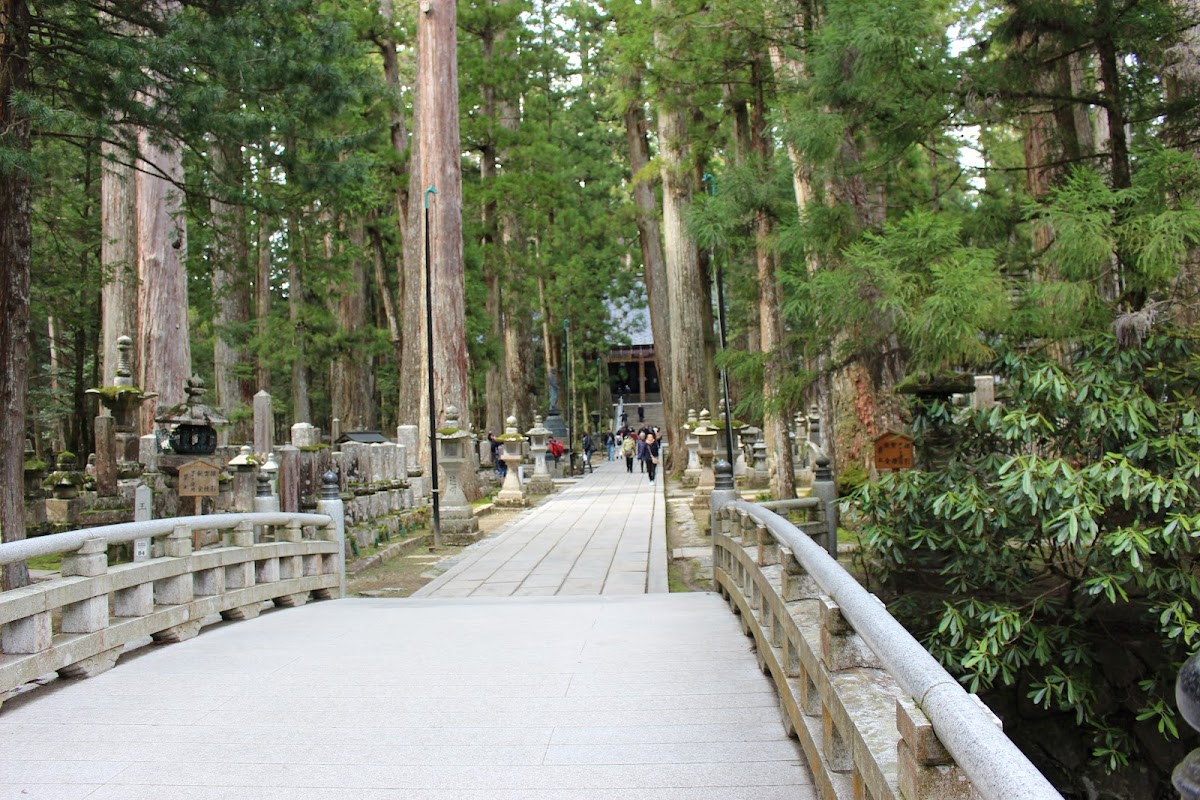
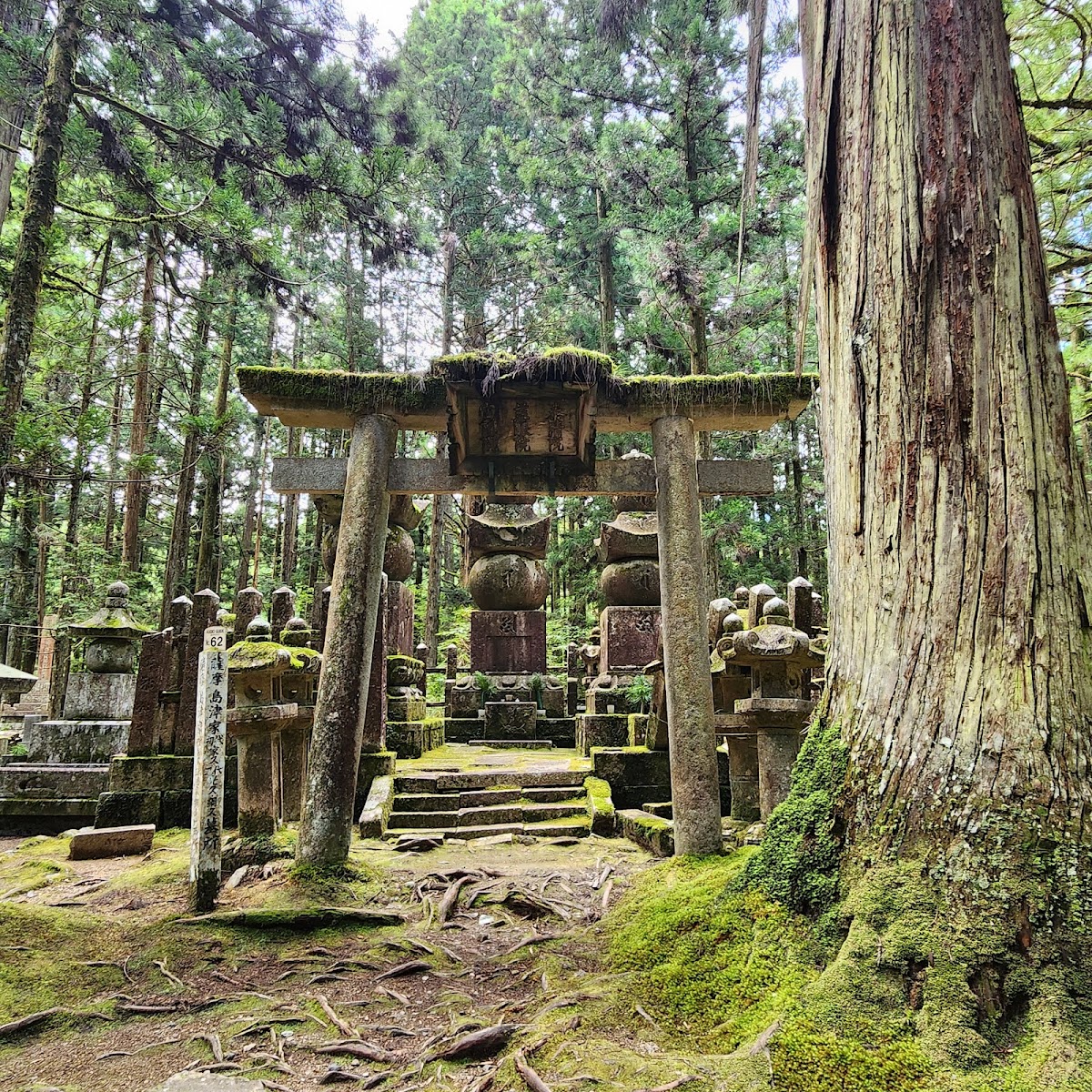
The approximately 2km-long approach is lined with over 200,000 gravestones and memorials, surrounded by centuries-old cedar trees, telling the story of the faith of people from all eras, from Sengoku period warlords to corporate memorials.
Points for Visiting
How to Walk the Approach
From Ichinohashi Bridge to the Mausoleum
Visiting the mausoleum begins at Ichinohashi Bridge. It is customary to bow before crossing the bridge. The approach is approximately 2km long, taking about 40 minutes one way at a leisurely pace. Along the way, you’ll find the tombs of famous historical figures such as Oda Nobunaga, Toyotomi Hideyoshi, Takeda Shingen, and Date Masamune.
Naka-no-hashi Route
If time is limited, you can also visit the shrine from Naka-no-hashi (approximately 20 minutes to the mausoleum). However, visiting from Ichinohashi is considered more meritorious.
Etiquette at Gobyobashi Bridge
Gobyobashi Bridge is the entrance to the sacred area. Please observe the following etiquette:
- Bow before the bridge
- Photography is prohibited on the bridge
- Beyond the bridge is a sacred area where photography, eating, drinking, and talking are strictly prohibited
- Pray quietly at the mausoleum
Toro-do Hall
The Toro-do Hall, located before the mausoleum, houses approximately 10,000 lanterns. Among them, “Kishinto” and “Hinjo no Itto” are famous as “eternal flames” that are said to have burned continuously for over a thousand years.
Benefits and Faith
Main Benefits
- Fulfillment of All Wishes: Prayers to Kobo Daishi are believed to grant all wishes.
- Healing from Illness: Prayers are especially offered for the healing of incurable and chronic illnesses.
- Ancestral Remembrance: As Japan’s most sacred site, prayers are offered for the repose of ancestors’ souls.
- Academic Success: Kobo Daishi is also revered as the god of learning.
Shojinku (Offering to the Living Body)
Every day at 6:00 AM and 10:30 AM, the “Shojinku” ceremony is held, where food is offered to the mausoleum based on the belief that Kobo Daishi is still alive. This sacred ceremony has been continued without interruption for 1200 years.
Access Information
Access to Koyasan
From Osaka
- Nankai Electric Railway Namba Station → Nankai Koyasan Line “Gokurakubashi Station” (approx. 90 minutes by limited express train)
- Gokurakubashi Station → Koyasan Cable Car (5 minutes) → Koyasan Station
From Kyoto/Nagoya
- Take the JR Wakayama Line and Nankai Koyasan Line to Gokurakubashi Station
From Koyasan Station to Okunoin
By Bus
Take the Nankai Rinkan Bus bound for “Okunoin-mae” from Koyasan Station (approx. 10 minutes), and get off at “Ichinohashi-guchi” or “Okunoin-mae”.
On Foot
Approximately 40 minutes on foot from Koyasan Station to Ichinohashi-guchi.
Visiting Hours and Fees
- Visiting Hours: Open 24 hours (Lantern Hall: 6:00-17:30)
- Admission Fee: Free
- Estimated Time Required: Approximately 2 hours round trip from Ichinohashi Bridge
Points to Note When Visiting
- Attire: Comfortable walking shoes are recommended. The path is paved with cobblestones and can be slippery.
- Season: In winter (December-February), there is snow and temperatures can drop below freezing.
- Manners: Do not sit on the tombstones or speak loudly.
- Photography: Photography is prohibited beyond the Gobyobashi Bridge.
Summary
Koyasan Okunoin is the highest sacred site of Japanese Buddhism, with a history of over 1200 years. Visiting the mausoleum where Kobo Daishi Kukai is said to still meditate brings peace of mind and spiritual purification to many people. Walking along the tranquil path through the cedar grove and offering prayers in the sacred grounds will be an experience you’ll cherish for a lifetime.