Complete Guide to Kaijinja Shrine (9-6 Sakaemachi, Hakodate City) | History, Deities, Access, and Festival Information
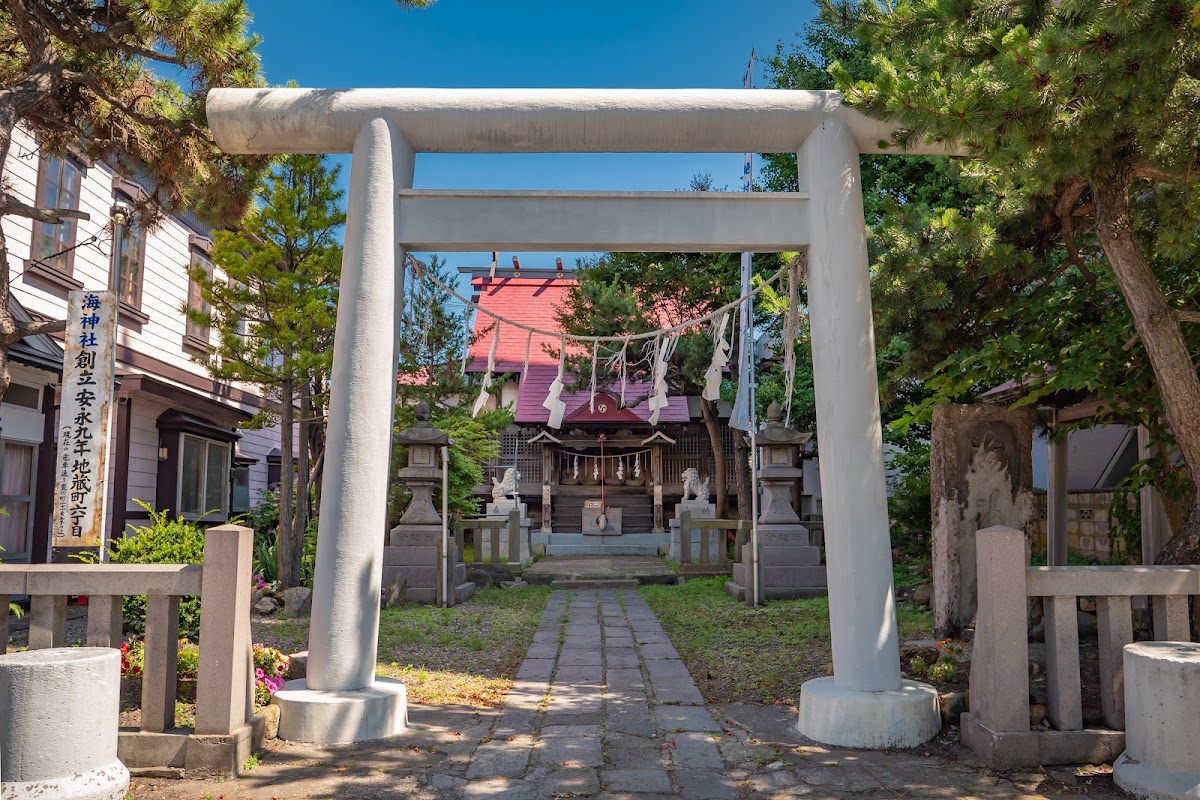
Kaijinja Shrine, located in Sakaemachi, Hakodate City, is a historic shrine founded in 1780 (An’ei 9). Built to pray for the prosperity of fishing and safe voyages, it has been cherished by the local community for over 240 years. This article comprehensively provides useful information for those considering a visit, including the detailed history of Kaijinja Shrine, the origin of its deities, information on its annual festival, and access methods.
Basic Information about Kaijinja Shrine
Location and Access
Location: 9-6 Sakaemachi, Hakodate City, Hokkaido
Postal Code: 〒040-0041
Phone Number: 0138-22-1819
Corporate Number: 3440005000502
Kaijinja Shrine is located in the Sakaemachi district of Hakodate City, close to Hakodate Port. This area has a long history deeply intertwined with fishing, and the Kaijinja Shrine is closely linked to that history.
Access by Public Transportation
The most convenient way to access the Kaijinja Shrine is by using the tram.
- Tram: Get off at Uoichiba-dori tram stop, approximately 5 minutes on foot.
- Bus: Get off at the Hakodate Bus “Sakaemachi” stop, approximately 3 minutes on foot.
- Private Car: Approximately 10 minutes from Hakodate Station. Parking is limited, so using public transportation is recommended.
The shrine is easily accessible from the center of Hakodate City, making it a convenient stop for tourists. It’s also close to the Hakodate Morning Market and Hakodate Port, offering a spot to visit while experiencing the atmosphere of a port town.
History of the Kaijinja Shrine
Origin of the Shrine
The history of the Kaijinja Shrine dates back to 1780 (An’ei 9). At that time, Hakodate (then known as Hakodate) was developing as one of Hokkaido’s leading fishing ports, and many people engaged in fishing lived there. To pray for the prosperity of fishing and safe voyages, the Umi Shrine was built in Jizo-cho 6-chome (present-day Jizo-cho).
During the late Edo period, fishing in Hokkaido rapidly developed, with herring and kelp fishing flourishing. Working at sea was always fraught with danger, and fishermen deepened their faith in the sea god. The Umi Shrine became a central point of worship for these people, deeply rooted in the community.
Relocation in the Meiji Era
In March 1873 (Meiji 6), the Umi Shrine was destroyed by a large fire that started in Toyokawa-cho. This fire caused widespread damage throughout Hakodate city, destroying many buildings.
In August of the same year, the Umi Shrine was relocated to its current location at 9-6 Sakae-cho and rebuilt. This relocation brought the Umi Shrine closer to the port, making it even more accessible to those involved in fishing and shipping.
Former Shrine Rank and Registration with the Association of Shinto Shrines
Under the old shrine ranking system, Umi Shrine was ranked as a village shrine. A village shrine is a shrine that serves as the local tutelary deity, attracting the faith of the people in that region. Currently, it belongs to the Hokkaido Association of Shinto Shrines and is registered as a shrine of the Southern Hokkaido branch.
It is officially listed on the Hokkaido Association of Shinto Shrines website and plays a part in the network of shrines within Hokkaido.
Deity and Worship
Watatsumi-no-Okami
The deity enshrined at Umi Shrine is Watatsumi-no-Okami. Watatsumi-no-Okami is a sea god appearing in Japanese mythology and has been worshipped since ancient times as the god of maritime safety, fishing prosperity, and protection of navigation.
According to the Kojiki and Nihon Shoki, Watatsumi-no-Okami is the collective name for the three sea gods born during Izanagi-no-Mikoto’s purification ritual. Specifically, this refers to the three deities: Sokotsu-Watatsumi-no-Kami, Nakatsu-Watatsumi-no-Kami, and Uwatsu-Watatsumi-no-Kami.
Significance of Sea God Worship
Hakodate has developed as an important port town in Hokkaido since the Edo period. It flourished not only as a fishing port but also as a trading hub for Kitamae-bune ships, with many ships coming and going through Hakodate Port.
The worship of Watatsumi-no-Okami has been practiced with the following wishes in mind:
- Safe Navigation: To protect ships from rough seas and storms, and ensure their safe return to port.
- Fishing Prosperity: To pray for abundant catches and protect the livelihoods of fishermen.
- Prevention of Maritime Accidents: To prevent accidents and disasters at sea.
- Protection of Maritime Transport: To ensure the safe navigation of trading and logistics vessels.
Even today, people involved in fishing, shipping, and marine sports enthusiasts visit the Umi Shrine to pray for safety at sea.
Shrine Grounds
Shrine Grounds Area and Facilities
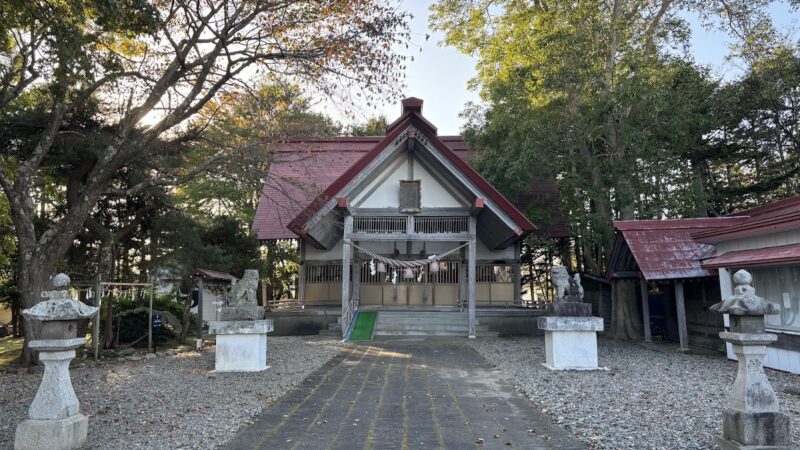
The Umi Shrine grounds cover approximately 200 tsubo (approximately 660 square meters). Though compact, the well-maintained grounds are enveloped in a tranquil atmosphere.
The following facilities are located within the shrine grounds:
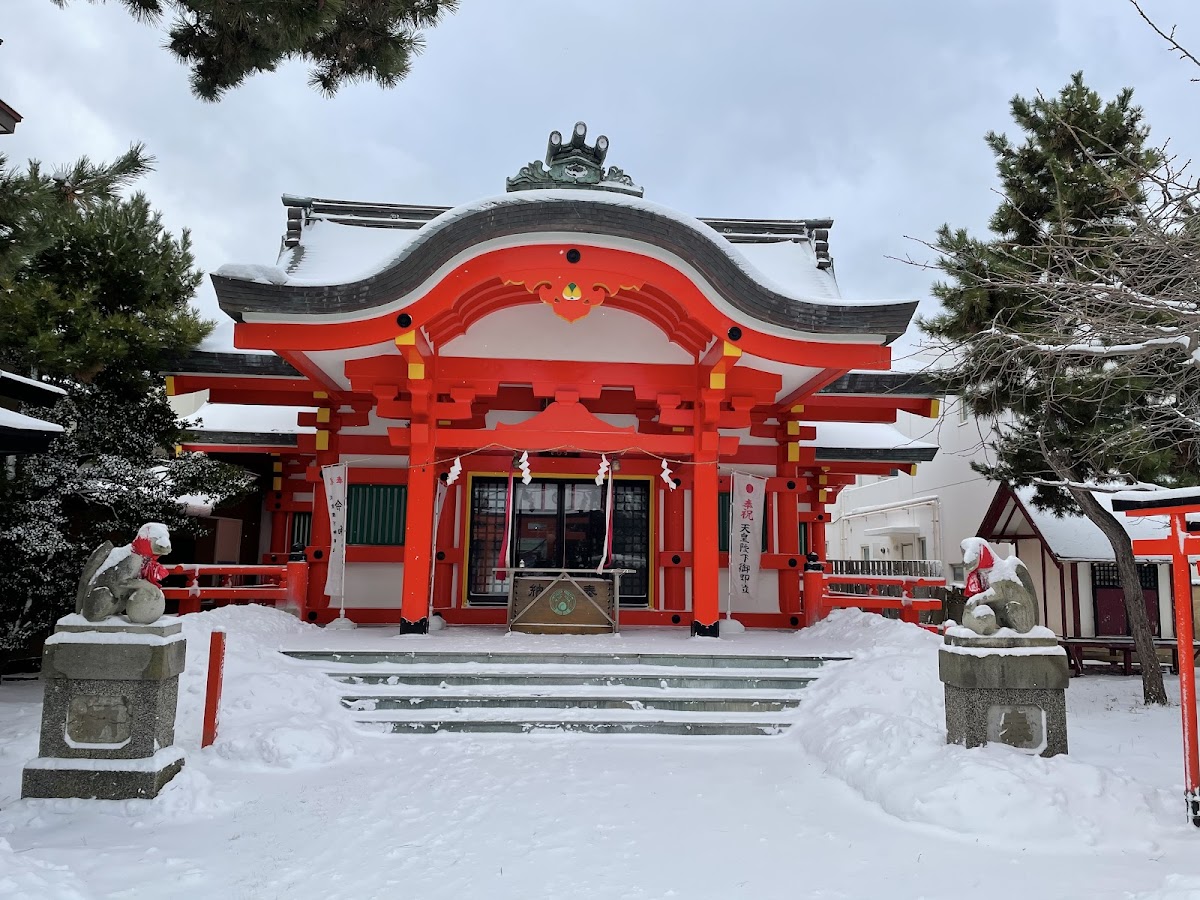
- Main Shrine: The central building where the enshrined deity is worshipped.
- Worship Hall: A place where worshippers offer their prayers.
- Shrine Office: A place where goshuin (shrine stamps) and amulets are given out.
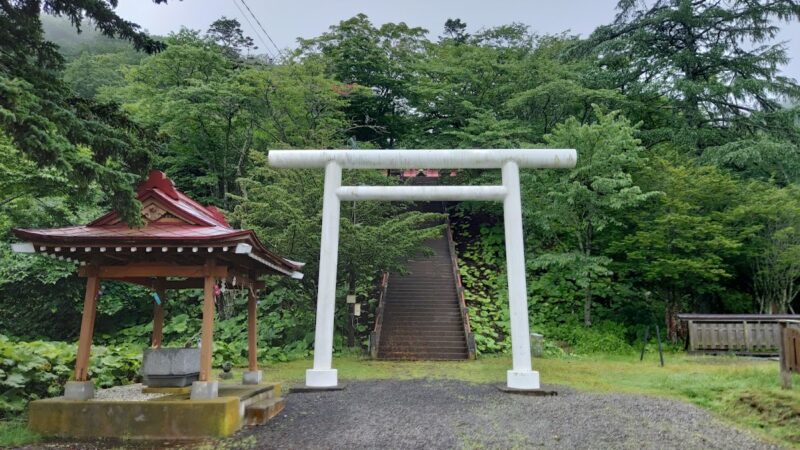
- Torii Gate: A symbol indicating the entrance to the sacred area.
- Water Basin: A place to purify oneself before worship.
The shrine grounds are carefully maintained by local residents, ensuring a clean and peaceful environment for worship.
Atmosphere of Worship
Although located in the city of Hakodate, Kaijinja Shrine is situated in a quiet environment away from the hustle and bustle. Visitors are mainly local parishioners and those involved in the fishing industry, but tourists visiting Hakodate also stop by.
The typical visit takes about 10 to 20 minutes, allowing visitors to leisurely explore the grounds and pray for safety at sea. It is rarely crowded, providing a peaceful environment for worship.
Annual Festival and Other Annual Events
Annual Festival Date
The annual festival of Umi Shrine is held every year on July 6th. The annual festival is the most important ceremony for the shrine, a Shinto ritual to express gratitude to the enshrined deity and to pray for the peace and prosperity of the community.
On the day of the festival, a solemn ceremony is conducted by the Shinto priests, with parishioners and local residents in attendance. A procession of the portable shrine (mikoshi) may also take place, a traditional event passed down through the community.
Other Annual Events
In addition to the annual festival, Umi Shrine holds the following annual events:
- New Year’s Day Festival (January 1st): Praying for happiness and peace in the new year
- Setsubun Festival (around February 3rd): Driving away evil spirits and inviting good fortune
- Summer Purification Ceremony (June 30th): Cleansing away sins and impurities accumulated over the past six months
- Autumn Festival (around September): Giving thanks for the harvest and abundant catches
- Year-End Purification Ceremony (December 31st): Cleansing away sins and impurities accumulated over the past year
These events are important opportunities to preserve the traditions of the shrine and deepen the bonds of the local community.
Parishioner Area and Local Community
Number of Parishioner Households
The number of parishioner households at Kai Shrine is approximately 344. Residents of the area, mainly Sakae-machi, participate in the maintenance and management of the shrine and the operation of festivals as parishioners.
The parishioner system is a traditional Japanese community structure that plays a role in maintaining the bonds of the community centered around the shrine. At Umi Shrine, too, a long history has been preserved thanks to the dedicated support of the parishioners.
Connection with the Community
Umi Shrine is not merely a religious facility; it also plays a role as a cultural center of the local community. Annual festivals and other events provide opportunities for local people to gather and foster intergenerational exchange.
Especially for those involved in the fishing industry, Umi Shrine is a spiritual anchor, an important place for praying for safety before setting sail and for a bountiful catch. Even today, this faith continues to be passed down.
Other Sea-Related Shrines in Hakodate
Besides Umi Shrine, there are several other shrines in Hakodate City related to the sea and ships.
Funadama Shrine
Located in Funami-cho, Hakodate City, Funadama Shrine is Hokkaido’s oldest shrine, said to have been founded in 1135. It is dedicated to praying for safety at sea and is affectionately known as “Funadama-san.”
Funadama Shrine is located at the foot of Mount Hakodate, in a prime location overlooking Hakodate Port, and has been revered as the guardian deity of the North Pacific and deep-sea fishing fleets and the Aomori-Hakodate ferry. Even today, it attracts the faith of all those involved with ships, including ferries, cargo ships, fishing boats, and pleasure boats.
Ishizaki Jinushikai Shrine
Located in Shiraishi-cho, Hakodate City, Ishizaki Jinushikai Shrine enshrines four deities: Ojinushi-no-Okami, Owatatsumi-no-Okami, Amaterasu-Omikami, and Oyamatsumi-no-Okami.
It is said to have originated from the enshrinement of deities worshipped by settlers from Sendai, and in May, a magnificent tunnel of late-blooming double cherry blossoms adorns the approach to the shrine. Because it enshrines Owatatsumi-no-Okami, the god of the sea, it attracts worshippers seeking maritime safety, similar to the Kaijin Shrine.
Characteristics of Maritime Worship in Hakodate
Hakodate has several shrines related to the sea, each with its own unique history and beliefs. This indicates that Hakodate has long developed as a port town and has had deep ties with the sea.
The Umi Shrine, Funadama Shrine, and Ishizaki Jinushi Umi Shrine each developed as centers of faith for different regions and fishing groups. The existence of these multiple sea deity worships speaks to the richness of Hakodate’s maritime culture.
Manners and Etiquette for Visiting Shrines
Basic Etiquette for Visiting Shrines
There are basic manners for visiting shrines. When visiting the Umi Shrine, please follow the steps below.
- Bow at the Torii Gate: Before passing through the torii gate, bow to show respect for entering the sacred area.
- Ritual at the Water Basin: Cleanse your left hand, then your right hand, then your mouth at the water basin, and finally wash the handle of the ladle.
- Walking Along the Path: The center of the path is considered the path of the gods, so walk along the sides.
- Worship at the Main Hall: Worship using the two bows, two claps, and one bow ritual.
- Bow deeply twice.
- Clap your hands twice.
- Pray with all your heart.
- Bow deeply once at the end.
- Bow Upon Exit: Turn around and bow when leaving the torii gate.
Unique Worship Practices at Umi Shrine
Umi Shrine is a shrine dedicated to the god of the sea, so many people visit with the following wishes in particular.
- Safety in fishing and abundant catches
- Safe navigation for ships
- Prevention of accidents at sea
- Safety in marine leisure activities
- Prosperity of the shipping industry
Fishermen and ship operators have a custom of visiting the shrine before setting out to sea or sailing to pray for safety at sea.
Goshuin (Shrine Seals) and Amulets
About Goshuin
Umi Shrine offers Goshuin. Goshuin are popular among many visitors as proof of worship and as a way to forge a connection with the shrine.
Those wishing to receive a Goshuin should present their Goshuincho (seal book) at the shrine office. However, the shrine office’s opening hours may be limited, so it is recommended to check by phone in advance.
Amulets and Items Offered
Umi Shrine offers amulets related to maritime safety and safe navigation.
- Maritime Safety Amulet: A safety amulet for fishermen and sailors.
- Navigation Safety Amulet: An amulet praying for the safe navigation of ships.
- Traffic Safety Amulet: An amulet for protection including land traffic safety.
- Family Safety Amulet: An amulet wishing for the health and happiness of the family.
These amulets are given to many people as a way to feel the divine blessings of Kaijinja Shrine up close.
Nearby Tourist Spots
Near Kaijinja Shrine, there are many tourist spots where you can experience the history and culture of Hakodate.
Hakodate Morning Market
Located about a 15-minute walk from Kaijinja Shrine, Hakodate Morning Market is one of Hakodate’s representative tourist spots. Fresh seafood and agricultural products are lined up, and you can enjoy the lively market atmosphere. There are also many restaurants where you can have breakfast, allowing you to experience Hakodate’s food culture.
Hakodate Port
Hakodate Port stretches out right next to Kaijinja Shrine. A stroll overlooking the harbor allows you to truly appreciate the history of Kaijinja Shrine as a shrine deeply rooted in the community of this port town.
Mount Hakodate
Mount Hakodate, a highlight of Hakodate sightseeing, is also about a 15-minute drive from Kaijinja Shrine. The night view from the summit is famous as the “million-dollar night view,” making it a must-see spot when visiting Hakodate.
Motomachi District
The Motomachi district, spread out at the foot of Mount Hakodate, retains many historical buildings. You can stroll through the exotic streets, visiting places like the Hakodate Orthodox Church, the Catholic Motomachi Church, and the Old Hakodate Public Hall.
Points to Note When Visiting Kaijinja Shrine
Visiting Hours
While the grounds of Kaijinja Shrine are generally open 24 hours for worship, the shrine office has limited opening hours. Those wishing to obtain a Goshuin (shrine stamp) or amulet are advised to check by phone in advance.
Phone Number: 0138-22-1819
Parking Information
Parking space at Umi Shrine is limited, so we recommend using public transportation whenever possible. There are coin-operated parking lots nearby, but they are few in number, so access by streetcar or bus is more convenient.
Clothing and Items to Bring
No special attire is required for visiting the shrine, but please avoid revealing clothing and wear clean attire. The following items are also helpful:
- Goshuincho (stamp book) (if you wish to receive a Goshuin stamp)
- Small change (for offerings)
- Camera (Photography within the shrine grounds is generally permitted, but please refrain from photographing inside the main hall)
Visiting in Winter
Winter in Hokkaido brings snowfall and icy roads. When visiting in winter, please wear non-slip shoes and take sufficient care of your footing.
Hokkaido Shrine Association and Umi Shrine
Role of the Hokkaido Shrine Association
Umi Shrine is a shrine belonging to the Hokkaido Shrine Association. The Hokkaido Shrine Association is an organization that oversees shrines throughout Hokkaido, responsible for their maintenance and management, the training of Shinto priests, and the promotion of Shinto culture.
The Hokkaido Shrine Association’s website contains information on shrines throughout Hokkaido, including Umi Shrine, allowing users to check the history, festival dates, and access information for each shrine.
Southern Hokkaido Branch Shrine Network
Umi Shrine belongs to the Southern Hokkaido Branch of the Hokkaido Shrine Association. Many shrines in Hakodate City belong to the Southern Hokkaido Branch, and they work together to preserve Shinto culture and contribute to the local community.
There are 56 shrines in Hakodate City, each with its own unique history and beliefs, functioning as a central hub for the local community.
Umi Shrines Nationwide
There are 33 shrines named “Umi Shrine” throughout Japan, ranking 194th nationwide in terms of the number of shrines with the same name. This indicates that the worship of sea gods is deeply rooted in various regions of Japan, a maritime nation.
One particularly famous Kaijinja shrine is the one in Tarumi Ward, Kobe City, Hyogo Prefecture. This shrine boasts a long history as a Shikinaisha (a shrine listed in the Engishiki, an ancient Japanese legal code) and is a large-scale shrine dedicated to the three Watatsumi deities.
The Kaijinja shrine in Sakaemachi, Hakodate City, represents one form of sea god worship in Hokkaido, preserving the region’s history and culture.
Summary
The Kaijinja shrine, located at 9-6 Sakaemachi, Hakodate City, is a historical shrine founded in 1780 (An’ei 9). It enshrines Watatsumi-no-Okami as its main deity and has prayed for the prosperity of fishing and safe voyages.
After being destroyed in a great fire in 1873 (Meiji 6), it was relocated to its current location and has since been a cherished center of local faith for over 140 years. Annual events, including the annual festival on July 6th, are carefully preserved by 344 parishioners and local residents.
Located just a 5-minute walk from the Uoichiba-dori tram stop, this shrine is easily accessible not only to locals but also to tourists visiting Hakodate. While feeling the history of Hakodate as a port town, the Kaijinja Shrine stands quietly today as a place to pray for safety and peace at sea.
When sightseeing in Hakodate, please consider visiting the Kaijinja Shrine along with the Hakodate Morning Market and the Motomachi district. You will be able to experience firsthand the history of Hokkaido’s maritime culture and Shinto faith.