Complete Guide to Tsukizaki Shrine | Summary of Deities, Blessings, Access, and Visiting Information
Tsukizaki Shrine is a name for a shrine that may exist in various locations throughout Japan. This article provides a detailed explanation of Tsukizaki Shrine, based on general shrine visiting information.
What is Tsukizaki Shrine?
Tsukizaki Shrine is a shrine that has been cherished by people since ancient times as a place of worship rooted in the local community. There may be multiple shrines throughout Japan that bear the place name or characteristic of “Tsukizaki,” each with its own unique history and beliefs.
The inclusion of the character “月” (tsuki, meaning moon) in the shrine’s name suggests a possible connection to Tsukuyomi-no-Mikoto or moon-related beliefs, or that the shrine is located in a geographically known location for its moonlit scenery. The character “崎” (zaki, meaning cape or protruding landform) often indicates a cape or a protruding landform, suggesting the shrine may be located in a scenic spot facing the sea or a river.
Deities of Tsukizaki Shrine
The deities enshrined at Tsukizaki Shrine may vary depending on the shrine’s location and founding history. The following are some of the deities commonly enshrined at Tsukizaki Shrine:
Tsukuyomi-no-Mikoto
This deity presides over the moon and is known as one of the Three Noble Children, along with Amaterasu-Omikami and Susanoo-no-Mikoto. He is worshipped as the guardian of the night and the deity who governs the calendar and the flow of time.
Local Guardian Deity
Sometimes, the shrine enshrines the local guardian deity who has protected the area since ancient times. In some cases, pioneers or meritorious figures of the region are enshrined as deities, deeply connected to the history of the area.
Enshrinement of Multiple Deities
Due to the Meiji-era shrine consolidation policy, it is not uncommon for multiple small shrines to be merged, resulting in the enshrinement of several deities.
Benefits of Tsukizaki Shrine
Here are some of the benefits you can receive at Tsukizaki Shrine. While the benefits vary depending on the enshrined deity, the following benefits can generally be expected:
Good Fortune and Prosperity
A basic benefit of visiting a shrine is the ability to improve one’s luck and invite good fortune. It is believed to bring happiness to daily life and attract good fortune.
Family Safety
This shrine offers protection for the health and safety of all family members. It is also known for promoting family harmony and strengthening family bonds.
Abundant Harvest and Business Prosperity
It is worshipped by those who wish for prosperity in agriculture and commerce. Prayers can be offered for abundant harvests and business success.
Protection from Misfortune and Disaster
This shrine offers protection from bad luck and disaster, ensuring peaceful days.
Maritime Safety and Traffic Safety
Due to the geographical feature of “saki” (cape), if the shrine is close to the sea, there may be a belief in praying for safe voyages and safe journeys. In modern times, it is widely worshipped for traffic safety.
History and Origins of Tsukizaki Shrine
The founding period and historical background of Tsukizaki Shrine vary from shrine to shrine, but like many local shrines, it has long been a center of faith for the local people.
Background of Founding
Many Japanese shrines originate from local nature worship or ancestral spirit worship, and Tsukizaki Shrine is also thought to be deeply connected to the history of the region. In particular, as the place name “Tsukizaki” suggests, it is possible that it was a scenic spot with beautiful moonlit views or a place where specific natural phenomena could be observed.
Historical Changes
During the Edo period, it served as the guardian shrine of the village, and from the Meiji era onward, as the local tutelary deity, attracting worshippers while changing its role over time. During the post-war reconstruction period, it served as the center of the local community, and in modern times, it plays an important role as a place for the transmission of traditional culture.
Highlights of the Shrine Grounds
The grounds of Tsukizaki Shrine offer various points of interest worth visiting for worshippers.
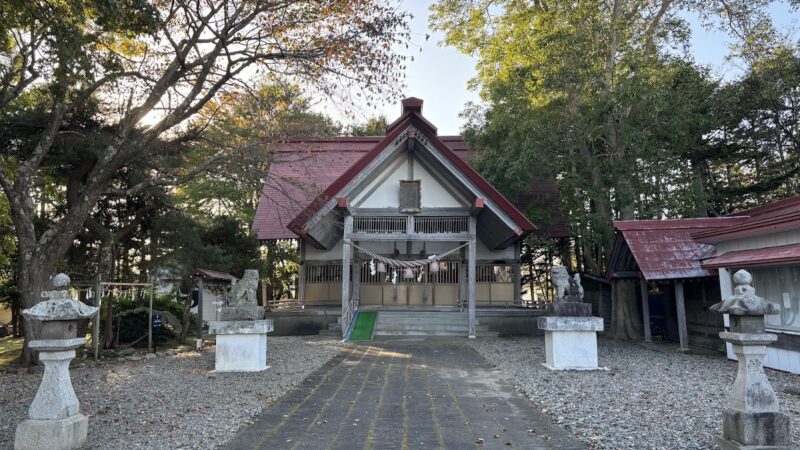
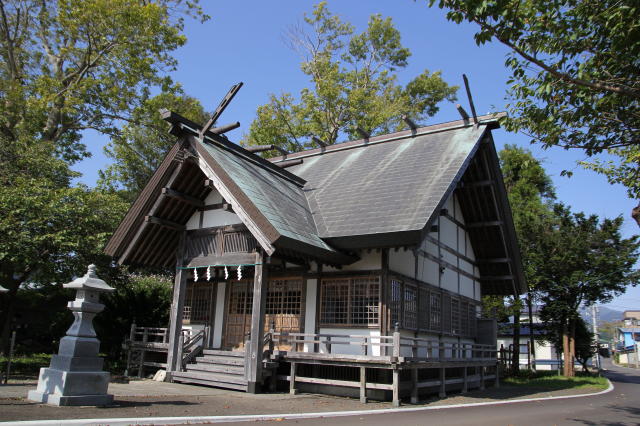
Main Hall and Worship Hall
These are the central buildings of the shrine, consisting of the main hall where the enshrined deity resides and the worship hall where worshippers pay their respects. The architectural style and decorations reflect the history of the shrine and the characteristics of the region.
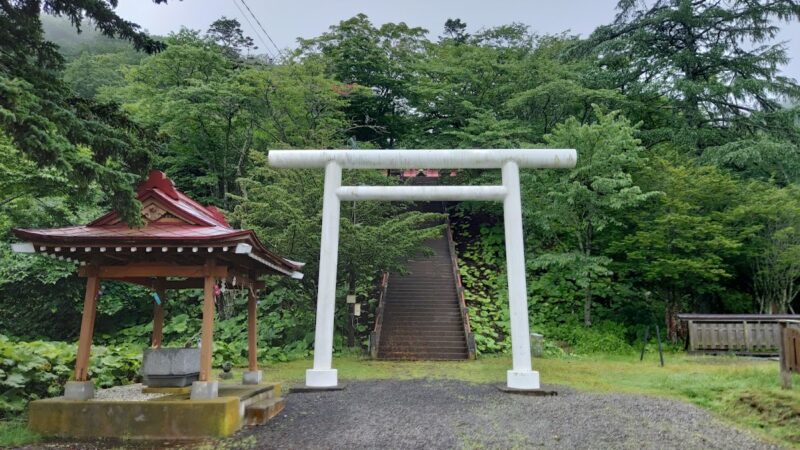
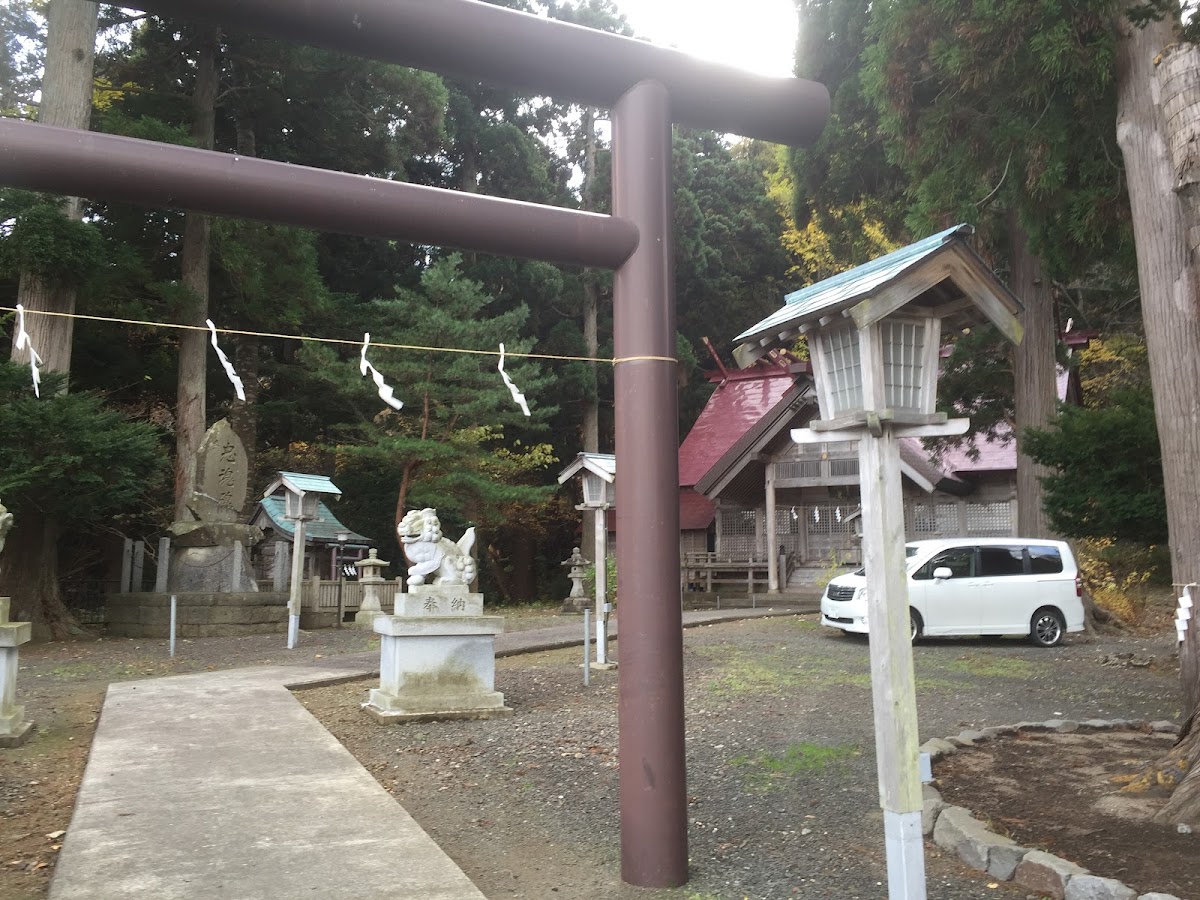
Torii Gate
The torii gate, which marks the entrance to the sacred area, is a symbolic presence of the shrine. You can learn about the history of a shrine from its torii gate’s style, materials, and construction period.
Water Basin
There is a water basin for purifying your body and mind before praying. It is important to purify your hands and mouth with the correct etiquette before praying.
Shrine Precincts
Besides the main shrine, there may be small shrine buildings called subsidiary shrines or subordinate shrines located within the grounds. Each enshrines a different deity, and you can receive various blessings.
Sacred Tree
Sometimes, large trees that have stood for many years are revered as sacred trees. It is believed that a deity resides in the sacred tree, and there is a belief that touching it will grant you power.
Guardian Dogs
The guardian dogs protecting the sacred area reflect the characteristics of the region in their expressions and postures. They are interesting cultural assets that provide insight into the stonemason’s skills and the historical context.
Annual Events and Festivals
Tsukizaki Shrine holds various Shinto rituals and festivals throughout the year.
New Year’s Day Festival (January 1st)
A festival celebrating the start of the new year and praying for peace throughout the year. It is bustling with many worshippers, and the scene of the first shrine visit of the year can be seen.
Setsubun Festival (around February 3rd)
A festival to ward off evil spirits and invite good fortune through events such as bean-throwing. In some regions, grand bean-throwing ceremonies are held.
Spring Grand Festival
An important festival celebrating the arrival of spring and praying for a bountiful harvest. Kagura (sacred dance and music) performances and portable shrine processions may also be held.
Summer Purification Ceremony (June 30th)
A Shinto ritual to purify and cleanse away the impurities accumulated over the past six months. Events such as passing through a ring of reeds are performed.
Autumn Grand Festival
A festival to give thanks for the autumn harvest and report it to the gods. Traditional local performing arts may also be offered.
Shichi-Go-San (around November 15th)
This is a celebration of children’s growth and a prayer for their healthy development. It is a lively event with many families.
Year-End Purification Ceremony (December 31st)
This is a Shinto ritual to purify oneself of the impurities accumulated over the past year and to welcome the new year with a fresh start.
Etiquette and Manners for Visiting the Shrine
This section introduces basic etiquette and manners for visiting Tsukizaki Shrine.
How to Pass Through the Torii Gate
Bow before passing through the torii gate. Since the center of the path is considered the path of the gods, it is polite to walk along the side.
Proper Hand-Washing Ritual
- Hold the ladle in your right hand and wash your left hand.
- Switch the ladle to your left hand and wash your right hand.
- Hold the ladle again in your right hand, receive water in your left hand, and rinse your mouth.
- Wash your left hand once more.
- Hold the ladle upright, let the water flow down the handle, and return it to its original position.
Proper Bowing Ritual (Two Bows, Two Claps, One Bow)
- Place your offering in the offering box.
- If there is a bell, ring it.
- Bow deeply twice (two bows).
- Clasp your hands twice at chest height (two claps).
- Pray sincerely with your hands clasped together.
- Finally, bow deeply once (one bow).
Attire for Visiting a Shrine
No special formal attire is required, but please dress cleanly and modestly. It is advisable to avoid revealing or overly flashy clothing.
Items and Amulets
At Tsukizaki Shrine, you can receive various items and amulets.
Amulets
A variety of amulets are available, including those for good fortune, protection from evil, health, academic success, and traffic safety. Choose an amulet that suits your wishes.
Goshuin (Shrine Seal)
You can receive a Goshuin as proof of your visit. Bring your Goshuincho (stamp book) and receive it at the shrine office after your visit.
Ofuda (Talisman)
Ofuda for enshrining in your home altar are also available. These include talismans for family safety and business prosperity.
How to Handle Amulets
Amulets should be worn at all times or placed in an important location. It is customary to return them to the shrine after about a year and receive a new one.
Access Information
Access to Tsukizaki Shrine varies depending on the shrine’s location. When planning your visit, it is recommended to check the exact location and transportation options in advance.
Access by Public Transportation
Check the walking route and travel time from the nearest train station or bus stop in advance. Since the number of services may be limited in some areas, checking the timetable is important.
Access by Car
Check the route and travel time from the nearest interchange. When using car navigation, try searching by address as well as the shrine name.
Parking
The availability and number of parking spaces vary depending on the size of the shrine. During events such as annual festivals, congestion is expected, so consider using public transportation.
Best Time and Season for Visiting
Here’s information on the best time and season to visit Tsukizaki Shrine.
Seasonal Charms
Spring: The cherry blossoms and fresh greenery are beautiful, making for a refreshing visit. It’s especially lively during the Spring Grand Festival.
Summer: You can enjoy the coolness of the lush green grounds. The Summer Purification Ceremony will be a special experience.
Autumn: The autumn foliage is beautiful, and the Autumn Grand Festival is held to express gratitude for the harvest.
Winter: You can pray in peace in a tranquil atmosphere. New Year’s visits are a special time.
Recommended Time
Praying early in the morning is less crowded, allowing you to pray in a quiet atmosphere and calm your mind. Praying in the refreshing morning air will be a special experience.
Nearby Tourist Attractions
There may be other tourist attractions near Tsukizaki Shrine that you might want to visit.
Historical Buildings
There may be temples, old houses, and historical sites nearby that tell the history of the region.
Natural Scenic Spots
Given the place name “zaki” (meaning “cape”), there may be places nearby where you can enjoy natural scenery such as the sea, rivers, or capes.
Local Cultural Facilities
You can learn more about the history and culture of the region at local history museums and other museums.
Mindset for Visiting Tsukizaki Shrine
Visiting a shrine is not merely sightseeing; it is an act of expressing respect and gratitude to the gods.
Gratitude
Visit with a heart that is grateful for daily peace and blessings. It is important to express gratitude, not just make requests.
A Pure Heart
By calming your mind and clearing your thoughts, you can feel a connection with the gods.
Continuous Faith
Visiting regularly, rather than just once, deepens your connection with the shrine. A heart that cherishes local shrines strengthens community bonds.
Summary
Tsukizaki Shrine has been a place of faith deeply rooted in the community, cherished by people throughout its long history. There are many elements worth visiting, including faith in the enshrined deities, annual events, and beautiful grounds.
When visiting, it is important to observe proper etiquette and manners, and to visit with a grateful heart. Shrines are valuable places that convey the history and culture of the region, and they are also a source of spiritual support for us. We highly recommend visiting Tsukizaki Shrine to experience its charm firsthand and enjoy a peaceful time. Through shrine visits, you can connect with traditional Japanese culture and cultivate inner richness.
*This article is based on general shrine information. We recommend checking the specific location and details of Tsukizaki Shrine in advance.