Inari Shrine (Tsuruno Village, Hokkaido): History and Charm – A Thorough Explanation of a Community-Rooted Place of Worship
The Inari Shrine, located in Tsuruno Village, Hokkaido, is a sacred place that attracts the faith of local residents. This article provides a detailed explanation of the historical background, enshrined deities, blessings, and methods of worship at this Inari Shrine.
Overview of Inari Shrine (Tsuruno Village)
The Inari Shrine, located in Tsuruno Village, Hokkaido, is a beloved place of worship deeply intertwined with the region’s history. While Inari worship is widespread throughout Japan, many Inari shrines were built in Hokkaido during the pioneering era, playing an important role as places to pray for abundant harvests and business prosperity.
Geographical Characteristics of Tsuruno Village
Tsuruno Village is one of Hokkaido’s historically significant areas, having developed primarily through agriculture since the pioneering period. It is believed that the Inari Shrine in this region was founded by settlers to pray for stability in their new lives and for bountiful harvests.
Historical Background of Inari Shrines
The Origin of Inari Faith in Hokkaido
Inari faith was brought to Hokkaido by pioneers who migrated from Honshu. As Hokkaido’s development intensified after the Meiji era, these settlers brought their homeland’s faith to their new land, establishing Inari shrines throughout the region.
It is presumed that the Inari Shrine in Tsuruno Village was founded within this historical context. The pioneers, while farming in a harsh natural environment, cherished Inari shrines as places to pray for abundant harvests and the safety of their families.
Role as a Center of the Local Community
Inari shrines have not only served as places of worship but have also functioned as centers of local communities. Through annual festivals and seasonal events, they have become places for residents to interact and have played a role in deepening community bonds.
Deities and Benefits
Deities of Inari Shrines
The principal deity of Inari shrines is generally Ukanomitama-no-kami. This deity has been revered since ancient times as the god who presides over grains, especially rice. In some Inari shrines, other deities such as Sadahiko-no-Okami, Omiyanome-no-Okami, Tanaka-no-Okami, and the Four Great Gods may also be enshrined.
Expected Benefits
The main benefits expected at Inari shrines are as follows:
Abundant Harvest and Agricultural Prosperity
Due to Inari’s original nature as a grain god, it is worshipped by farmers praying for a bountiful harvest.
Business Prosperity and Success
Since the Edo period, with the development of commerce, it has also become widely worshipped as a god of business prosperity.
Family Safety and Good Fortune
Many visitors come to pray for the health and happiness of their families and for improved luck.
Industrial Development
It is also considered important as a place to pray for the development of all industries in the region.
Characteristics and Highlights of Inari Shrines
Characteristics of Inari Shrines in Hokkaido
While many Inari shrines in Hokkaido are relatively newer compared to the ancient shrines on Honshu, they are also valuable cultural heritage sites that tell the story of the pioneering history. Architectural styles vary from simple to full-fledged styles incorporating elements of Honshu architecture.
Torii Gates and Fox Statues
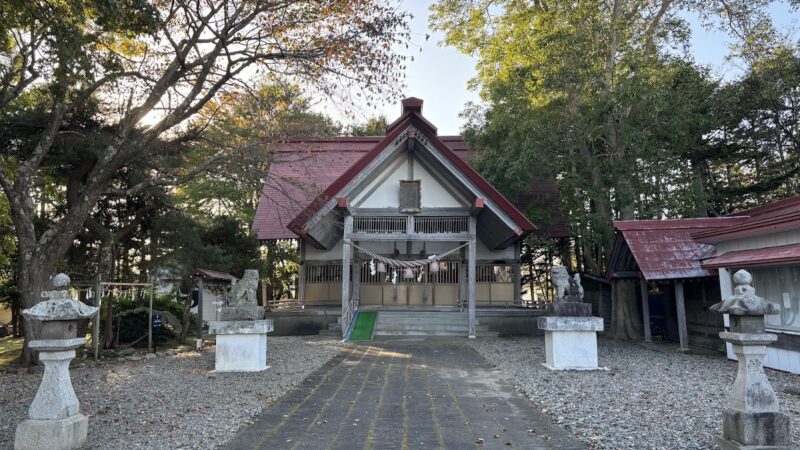
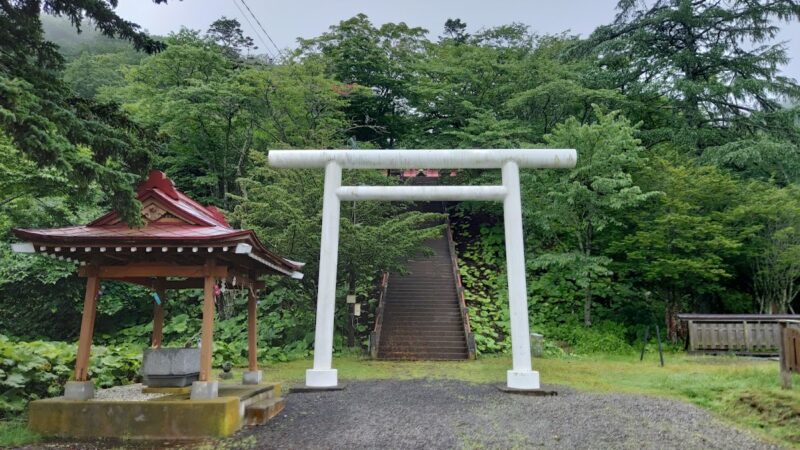
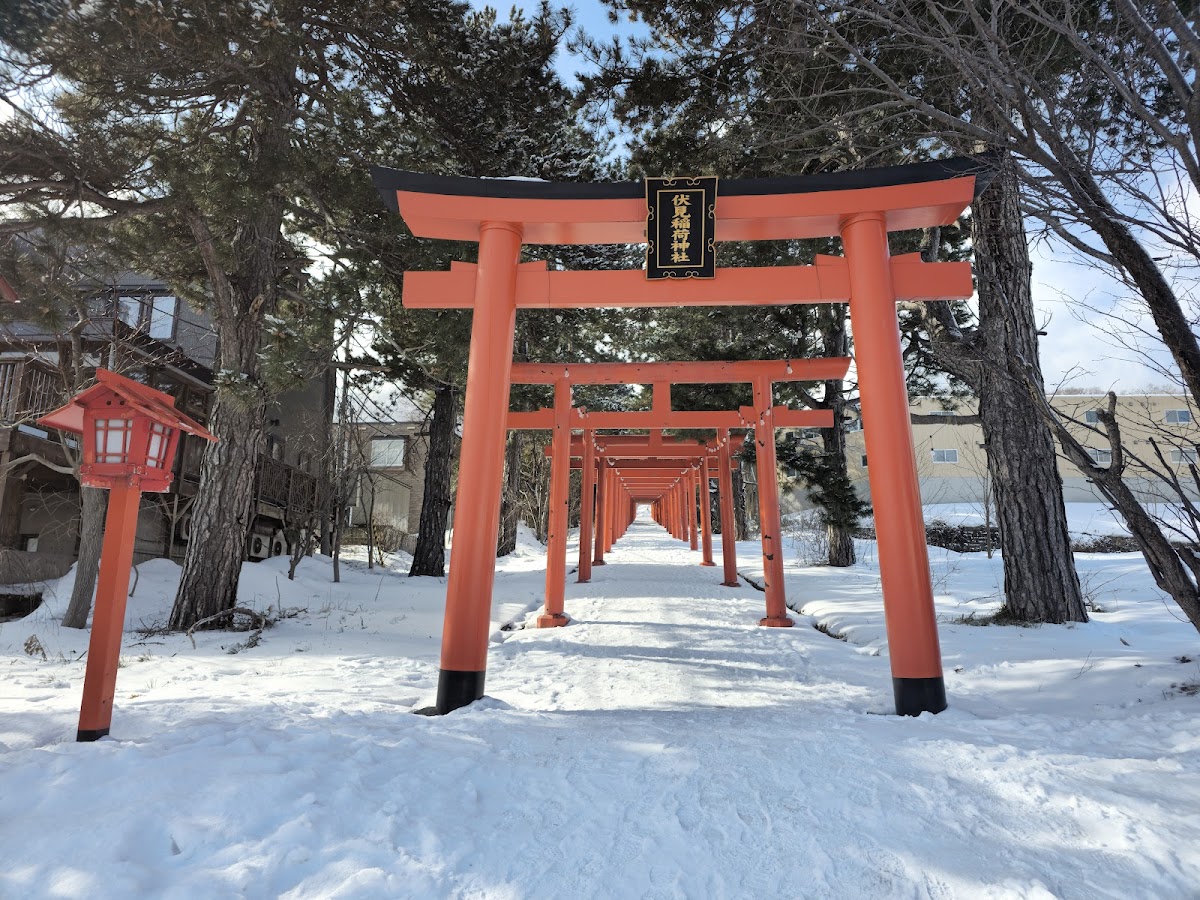
The symbols of Inari shrines are the vermilion torii gates and fox statues. Foxes are considered messengers of the Inari god and are generally placed at the entrance of the shrine or on either side of the main hall. These characteristic elements may also be found at the Inari shrine in Tsuruno Village.
Atmosphere of the Shrine Grounds
The grounds of Inari shrines rooted in the local community are enveloped in a tranquil and peaceful atmosphere. The space, harmonizing with the surrounding natural environment, provides peace of mind to visitors.
How to Visit and Etiquette
Basic Worship Etiquette
The basic etiquette for visiting an Inari shrine is the same as for other shrines:
- Bow before passing through the torii gate
Bow respectfully before entering the sacred area.
- Purify yourself at the water basin
If there is a water basin, purify your left hand, then your right hand, then your mouth.
- Walking along the approach
The center of the approach is considered the path of the gods, so it is polite to walk along the sides.
- Worship at the main hall
Two bows, two claps, and one bow is the basic procedure. Offer your donation, ring the bell, and then bow.
Points specific to visiting Inari shrines
At Inari shrines, it is also important to show respect to the fox, the messenger of Inari. In some regions, it is customary to touch the fox statue or bring offerings (such as fried tofu).
Annual Festivals and Events
Hatsuumasai Festival
The Hatsuumasai Festival is one of the most important festivals at Inari shrines. Held on the first Day of the Horse in February, this festival commemorates the day when Inari-sama is said to have descended, and prayers are offered for a bountiful harvest and business prosperity.
Other Annual Events
Local Inari shrines often hold seasonal festivals such as New Year’s Day festivals, spring festivals, and autumn festivals. These events are supported by the participation of local residents and serve as an opportunity to strengthen community bonds.
Access and Surrounding Information
Access to Tsuruno Village
Specific access methods to Tsuruno Village vary depending on the municipality where it is located. Access from major cities in Hokkaido will be via public transportation or private car.
Points to Note When Visiting
- Visiting Hours: Some shrines may have limited visiting hours.
- Parking: Smaller shrines may not have dedicated parking. – Winter Visits: Due to heavy snowfall in Hokkaido winters, warm clothing and non-slip shoes are necessary.
The Role of Inari Shrines in the Region
Witness to the History of Development
The Inari Shrine in Tsuruno Village is a valuable cultural heritage site that conveys the history of Hokkaido’s development. It embodies the hardships and faith of the settlers, as well as their hopes for life in their new land.
Significance in Modern Times
Even today, Inari shrines play an important role in maintaining regional identity. In areas experiencing depopulation, shrines serve as a spiritual anchor for local residents and are cherished places to visit when returning home.
Cultural Background of Inari Faith
Nationwide Spread of Inari Faith
Inari faith is one of the most widespread beliefs in Japan, with over 30,000 shrines throughout the country. Fushimi Inari Taisha in Kyoto is the head shrine, and various Inari shrines throughout the country enshrine its divided spirit.
Agricultural Society and Inari Worship
At the heart of Inari worship lies the importance of rice cultivation in Japan’s agricultural society. A bountiful rice harvest was the foundation of life, and faith in Inari was intertwined with daily life itself.
Connection to Commerce
From the Edo period onward, with the development of cities, Inari worship also came to be revered as a god of commerce. Even today, many businesses and companies have Inari shrines dedicated to them as guardians of their businesses.
Hokkaido’s Shrine Culture
Settlement and Shrine Construction
Many shrines in Hokkaido were built after the Meiji era. Settlers from Honshu invited the divided spirits of their hometown shrines and prayed for safety and prosperity in their new lives.
Coexistence with Ainu Culture
Hokkaido has the culture of the indigenous Ainu people, and a nature worship distinct from the Shinto beliefs of the Japanese existed there. In modern Hokkaido, a unique religious landscape can be seen where these cultures coexist.
The Significance of Visiting Inari Shrines
Learning History
Visiting the Inari Shrine in Tsuruno Village offers an opportunity to experience firsthand the history of Hokkaido’s development. Reflecting on the hardships and faith of our ancestors fosters a sense of gratitude for modern life.
Peace of Mind
The quiet grounds of the shrine provide a place to escape the hustle and bustle of everyday life and find peace of mind. Praying in a natural setting can lead to mental refreshment.
Connection with the Community
Visiting a local shrine provides an opportunity to understand the culture and history of the area and feel a connection to the community.
Maintenance and Preservation of Inari Shrines
Depopulation and Challenges for Shrines
Depopulation is progressing in rural areas of Hokkaido, making the maintenance of small shrines a challenge. The decline in parishioners can make it difficult to repair shrine buildings and continue holding annual festivals.
Local Initiatives
In some areas, efforts are underway to preserve shrines as cultural heritage. Cleaning activities by local residents and volunteers, as well as the revival of festivals, are being carried out.
Potential as a Tourism Resource
Shrines with historical value are attracting attention as local tourism resources. Attempts are being made to increase visitors and contribute to the maintenance of the shrines through appropriate information dissemination and environmental improvements.
Summary: The Charm of Inari Shrine (Tsuruno Village)
The Inari Shrine located in Tsuruno Village, Hokkaido, is a center of local faith with a history dating back to the pioneering era. Many people have visited the shrine seeking blessings for abundant harvests, business prosperity, and family safety.
While Inari worship is a universal faith spread throughout Japan, Hokkaido’s Inari Shrines have a unique cultural background rooted in the history of pioneering. Visiting the Inari Shrine in Tsuruno Village will be more than just a pilgrimage; it will be a valuable opportunity to learn about Hokkaido’s history and experience local culture.
In modern society, the significance of small local shrines is sometimes questioned, but these shrines continue to play an important role in maintaining the identity of the region and serving as a spiritual anchor for the residents.
Why not visit Inari Shrine (Tsuruno Village) and experience traditional Japanese religious culture, reflecting on the thoughts and feelings of our ancestors? The time spent praying in the tranquil shrine grounds will surely bring deep peace to your heart.