Inari Shrine (Hiura-cho, Hokkaido) Complete Guide | History, Access, and Benefits Explained in Detail
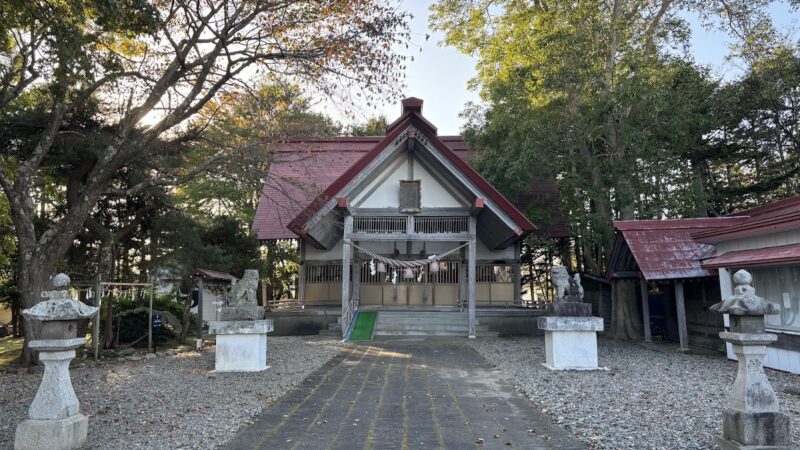
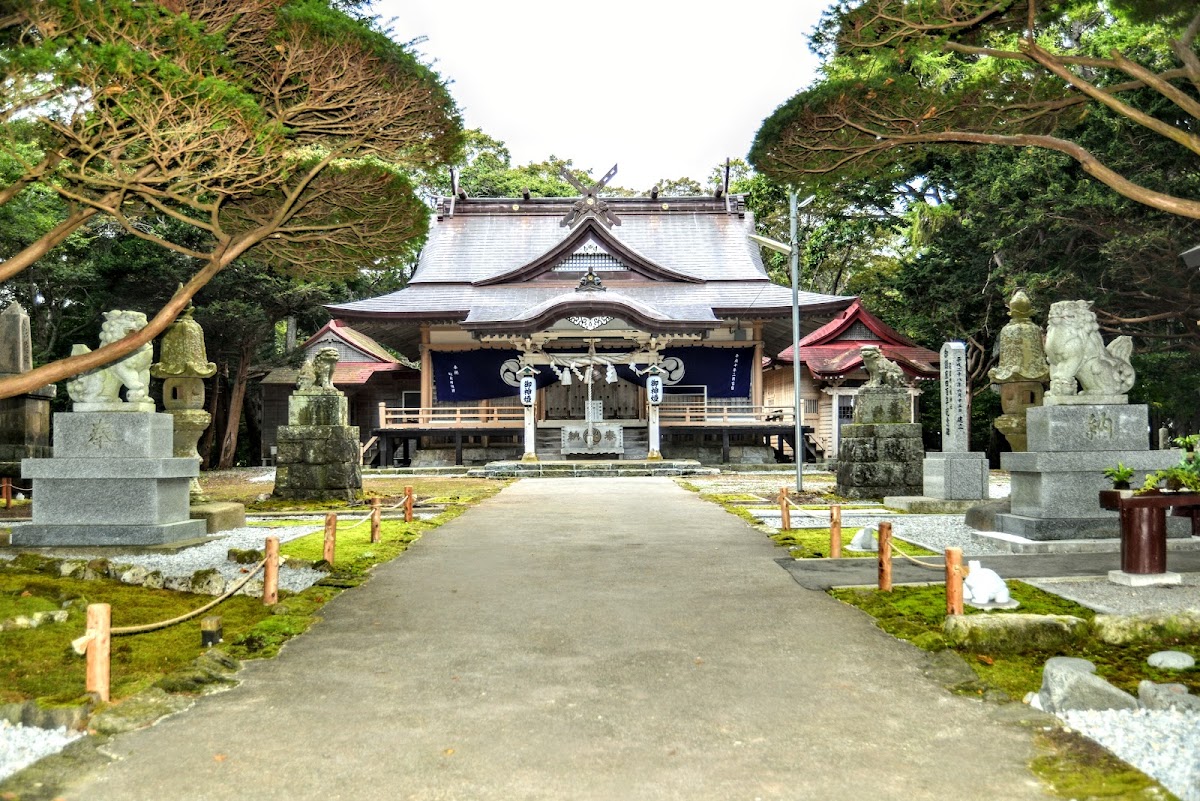
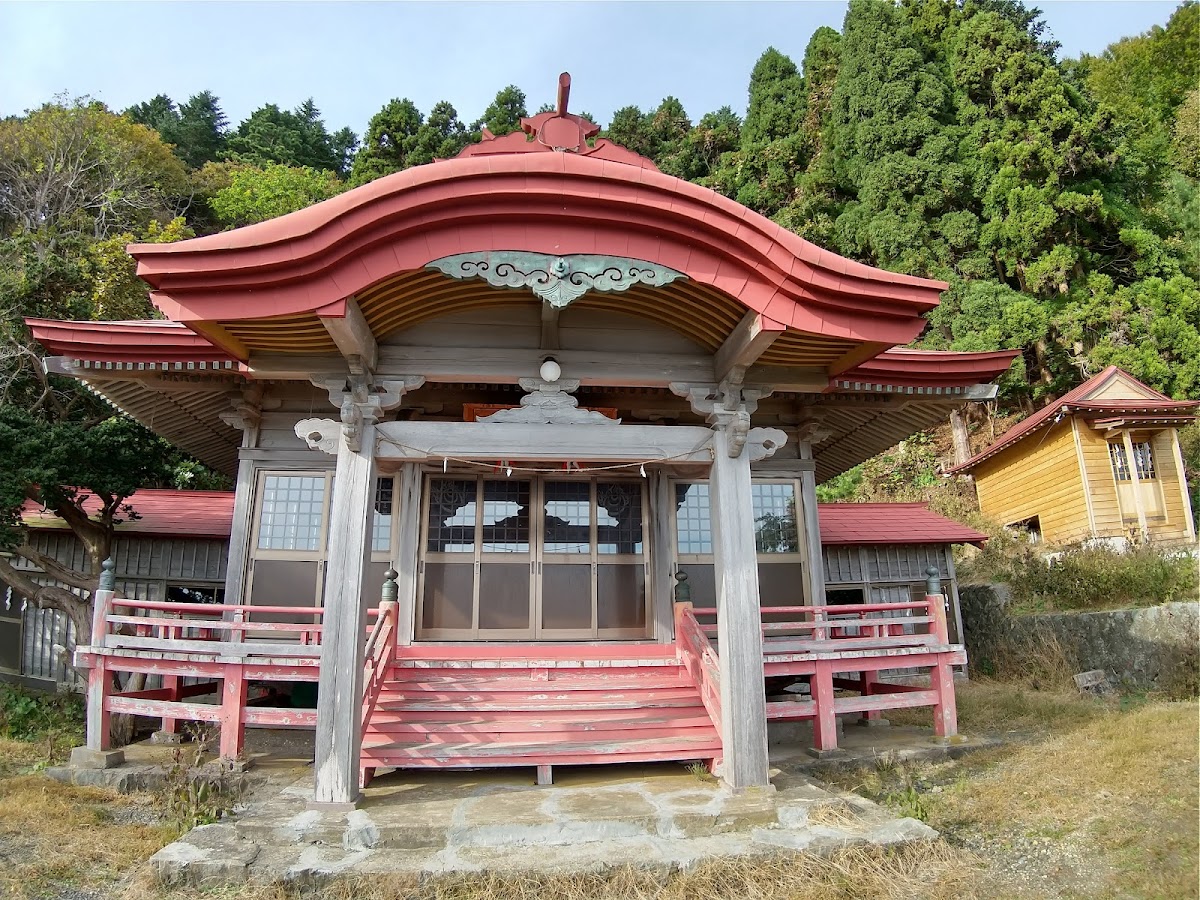
Located in Hiura-cho, Hakodate City, Hokkaido, the Inari Shrine is a shrine that has long been cherished by the local community. This article provides detailed information you should know before visiting, from basic information about the shrine to its history, benefits, access methods, and nearby attractions.
Basic Information about Inari Shrine (Hiura-cho)
Location and Contact Information
The Inari Shrine is located at 185 Hiura-cho, Hakodate City, Hokkaido. The postal code is 〒041-0401. This shrine is registered with corporate number “3440005000493” and is an official religious corporation belonging to the Hokkaido Shrine Association.
Hiura-cho, located away from the center of Hakodate City, is known as a quiet residential area. The area surrounding the shrine is rich in nature and functions as a place of worship and spiritual solace for local residents.
Access
Access to Inari Shrine in Hiura-cho is primarily by private car or public transport. From Hakodate city center, it’s about a 30-minute drive via National Route 278. If using public transport, Hakodate Bus routes run to the nearest bus stop, from where it’s accessible on foot.
The area around the shrine is situated on a hill and is known for its beautiful scenery. When visiting, it’s recommended to wear appropriate clothing for the season and weather, and comfortable walking shoes.
Deities and Blessings
Deities Enshrined
Given the name Inari Shrine, the main deity is believed to be Inari Daimyojin. Inari worship is a widespread form of faith throughout Japan, believed to bring blessings such as abundant harvests, business prosperity, and industrial development.
Inari, formally known as Ukanomitama-no-kami or Ukanomitama-no-mikoto, is the deity who presides over food and grains. During the pioneering era of Hokkaido, Inari shrines were built throughout the region to pray for agricultural development and regional prosperity.
Expected Benefits
At the Inari Shrine in Hiura-cho, the following benefits can be expected:
- Abundant Harvest: For those praying for a bountiful harvest
- Business Prosperity: For those praying for business success and the prosperity of their store
- Family Safety: For the health and peaceful life of the family
- Industrial Development: For the promotion and development of local industries
- Good Fortune and Prosperity: For overall improvement of luck
The shrine is particularly revered by those involved in local fishing and agriculture, and many worshippers visit during seasonal turning points.
Annual Festivals and Events
Major Festivals
The most important festival at a Shinto shrine is the annual festival (reisai). The reisai is the most important festival of the year for a shrine and is deeply connected to the history of the shrine and the local area. At the Inari Shrine in Hiura Town, the reisai is held at a fixed time each year, and local residents gather to offer their gratitude to the gods.
During the reisai, Shinto rituals such as the recitation of prayers and the offering of sacred branches are solemnly performed by the Shinto priests. In some areas, there are also processions of portable shrines and dedication ceremonies, which serve as opportunities to strengthen the bonds of the local community.
New Year’s Visits and Seasonal Worship
At the start of the new year, worshippers visit the shrine for their first visit of the year, praying for safety and prosperity throughout the year. Although winters in Hokkaido are harsh, many local residents still visit the shrine to offer their New Year’s greetings. Furthermore, visits are also made to coincide with life milestones and seasonal events such as Shichi-Go-San (a traditional Japanese rite of passage for children), exorcism, and prayers for safety.
History of Inari Worship in Hokkaido
The Role of Shrines in the Pioneer Era
The history of shrines in Hokkaido is relatively recent compared to Honshu. With the full-scale development that began in the Meiji era, settlers invited divided spirits from their hometown shrines and prayed for stability and prosperity in their new land.
Inari worship is particularly linked to the development of commerce and industry, and in port towns and trading centers like Hakodate, Inari shrines were often built by people praying for business prosperity. The Inari Shrine in Hiura-cho is also thought to have been founded within this context of the spread of faith during the pioneering era.
Connections with Local Communities
Shrines have functioned not only as religious facilities but also as centers of local communities. Through festivals and events, interaction among residents was fostered, and a spirit of mutual assistance was cultivated.
Especially in Hokkaido’s harsh natural environment, this kind of community solidarity was a crucial element in supporting people’s lives. Inari shrines served as a spiritual support for pioneers and provided a spiritual foundation for regional development.
Regional Characteristics of Hiura-cho, Hakodate City
Overview of Hiura-cho
Hiura-cho is located in the eastern part of Hakodate City, with a coastline facing the Pacific Ocean. It is a region where industries centered on fishing have developed, and it is blessed with abundant seafood. Although it is a small community with a population of only a few hundred households, the bonds between residents are strong, and traditional regional culture still thrives.
While the number of households in the region is limited, each family has a long history, having lived in this area for generations. Even with an aging population, traditional regional events and shrine festivals are carefully preserved.
Surrounding Natural Environment
The area around Hiura-cho boasts a rich natural environment, offering diverse natural experiences such as beautiful coastal scenery and inland forest areas. The views from the hilltops are particularly magnificent, with some spots offering panoramic views of the vast Pacific Ocean.
The changing seasons are also appealing; in spring, there’s fresh greenery; in summer, the sea is a vibrant blue; in autumn, the leaves change color; and in winter, the landscape is covered in snow. Each time you visit, you’ll see a different face. Enjoying these natural walks in conjunction with your shrine visit is highly recommended.
Etiquette and Manners for Visiting a Shrine
Basic Way to Visit a Shrine
When visiting a shrine, it’s important to observe the following basic etiquette:
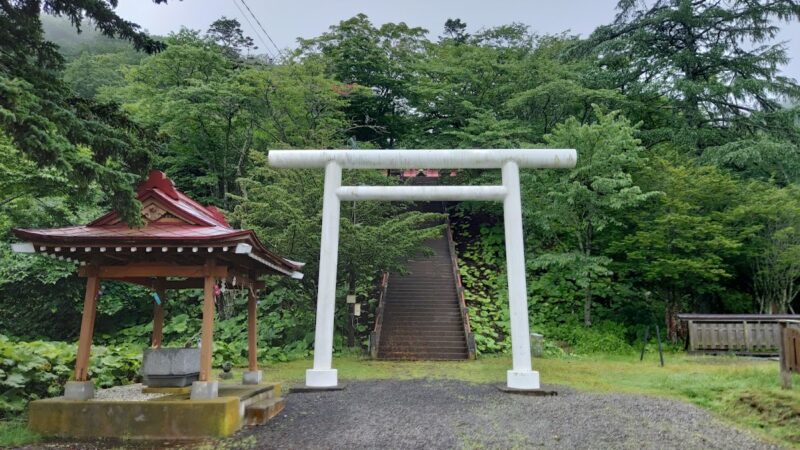
- Bow before passing through the torii gate: This is a greeting before entering the sacred area.
- Walk along the edge of the approach: The center is considered the path for the gods.
- Purify yourself at the water basin: If there is a water basin, purify your hands and mouth.
- Worship at the main hall: Two bows, two claps, and one bow is the basic form.
Clothing and Belongings
There are no specific dress code requirements for visiting a shrine, but please dress cleanly and respectfully. Formal attire is especially desirable when attending formal Shinto rituals such as annual festivals.
Considering Hokkaido’s climate, don’t forget to prepare appropriate cold weather gear and rain gear for the season. Particular caution is needed regarding snow and ice during winter.
Comparison with other Inari shrines in Hokkaido
Sapporo Fushimi Inari Shrine
One of the most famous Inari shrines in Hokkaido is the Sapporo Fushimi Inari Shrine, located in Chuo-ku, Sapporo. In 1884 (Meiji 17), a divided spirit was invited from the Fushimi Inari Taisha in Kyoto, and the current shrine building was constructed in 1907 (Meiji 40).
The most distinctive feature of the Sapporo Fushimi Inari Shrine is the 27 vermilion torii gates lining the grounds. These are modeled after the Senbon Torii (thousand torii gates) of the Fushimi Inari Taisha in Kyoto, creating a fantastical landscape. It is also a popular tourist spot, attracting many worshippers and tourists.
Inari Shrine in Urakawa Town
Another Inari shrine is located at 164 Shiraizumi, Urakawa-cho, Urakawa-gun. This shrine holds its annual festival on September 5th, with Inari Daimyojin as its main deity, and also enshrines Teokihofui-no-kami, Yafunekukunochi-no-kami, Yafunetoyoukehime-no-kami, and Hikosachi-no-kami. Its former shrine rank was unranked.
The Inari Shrine in Urakawa Town also enshrines deities related to architecture and shipbuilding, making it a shrine deeply connected to the development of local industries.
Inari Shrines throughout Hokkaido
In Hokkaido, Inari shrines are scattered throughout various locations, including Kitami City, Otaru City, Sapporo City, Hokuto City, Hakodate City, Abuta District, Kayabe District, Mashike District, Koyu District, Fukagawa City, Rumoi City, Ishikari City, and Tomamae District. Each shrine has been closely intertwined with the history and industry of its region, attracting worshippers to this day.
Points to Note When Visiting and Information about the Surrounding Area
Things to Check Before Visiting
When visiting the Inari Shrine in Hiura-cho, we recommend checking the following points in advance:
- Shrine Office Opening Hours: If you wish to obtain a Goshuin (shrine stamp) or amulet, please check in advance.
- Annual Festivals and Special Events: The shrine may be crowded on days with major festivals.
- Weather and Road Conditions: Be especially careful of snow and icy roads in winter.
- Parking Availability: If you are visiting by car, please check for parking spaces.
Nearby Attractions and Spots
There are several spots around Hiura-cho that you might want to visit in conjunction with your shrine visit:
Coastal Scenery: The beautiful coastline facing the Pacific Ocean is perfect for strolling and photography. The scenery is particularly magical during sunrise and sunset.
Local Fishing Port: You can purchase local ingredients at the fishing port, which handles fresh seafood. The seafood caught in the waters near Hakodate is exquisite.
Nature Trails: The surrounding area offers walking trails through forests and up hillsides, perfect for nature observation and light hiking.
Local Food Culture
Hakodate is one of Hokkaido’s leading gourmet destinations. You can enjoy dishes made with fresh seafood around Hiura-cho. Kelp, squid, and Atka mackerel, in particular, are known as local specialties.
After visiting the shrine, enjoying seafood dishes at local restaurants is highly recommended. Interacting with locals will allow you to gain a deeper understanding of the region’s culture and history.
Significance and Modern Value of Shrine Visits
Peace of Mind and Spiritual Support
In modern society, shrines are precious places to find peace of mind. Taking time away from the hustle and bustle of daily life, to connect with nature in a quiet shrine grounds, and to reflect on oneself is important for mental health.
Small, community-based shrines like the Inari Shrine in Hiura-cho possess a tranquil atmosphere that differs from large, touristy shrines. By taking your time to pray and express your gratitude to the gods, you can find peace of mind.
Inheritance of Local Culture
Shrines also play an important role in conveying the history and culture of a region. Through festivals and annual events, the wisdom and traditions of our ancestors are passed down to the next generation.
Especially in areas experiencing population decline and aging, community activities centered around shrines can lead to regional revitalization. Younger generations taking an interest in local shrines and participating in festivals and cleaning activities contributes to the formation of regional identity.
Summary: The Value of Visiting the Inari Shrine in Hiura-cho
The Inari Shrine in Hiura-cho, Hakodate City, Hokkaido, may not be large in scale, but it is deeply rooted in the faith and lives of the local people. Its history dating back to the pioneering era, its connection to the local community, and its location surrounded by a rich natural environment all make it worth visiting.
By extending your trip a little during your Hakodate sightseeing and visiting such local shrines, you can experience the true face of Hokkaido that you won’t find in typical tourist guides. This will be a valuable experience that allows you to feel firsthand the lives and beliefs of the local people, as well as the history of Hokkaido’s development.
Visiting a shrine is not just sightseeing; it’s an opportunity to connect with the local culture, history, and the hearts of its people. When you visit the Inari Shrine in Hiura Town, please take your time to enjoy the atmosphere of the region and the prayers. The time you spend praying in the quiet shrine grounds will bring you a sense of fulfillment that you can’t find in everyday life.
If you have the opportunity to visit Hokkaido, please visit not only the major tourist spots, but also these locally rooted shrines. There, you will find the real Hokkaido that you won’t find in guidebooks.