Honbetsu Inari Shrine Complete Guide | The Charm and Visiting Information of Hokkaido’s Historic Guardian Deity of Fishing
Honbetsu Inari Shrine, located in the Honbetsu district of Hokkaido, is a shrine with a history and tradition dating back to the Edo period. Founded as a guardian deity of fishing, it has been revered by local residents. This guide provides a detailed introduction to the shrine, including its history, blessings, and how to visit.
What is Honbetsu Inari Shrine?
Honbetsu Inari Shrine is a venerable shrine registered with the Hokkaido Shrine Association, founded in 1814 (Bunka 11). There are said to be approximately 30,000 Inari shrines nationwide, with Fushimi Inari Taisha in Kyoto as its head shrine, making it one of the most familiar shrines in Japan. Honbetsu Inari Shrine, as a shrine connected to this lineage, is a center of local faith.
While Inari deities are known for blessings such as abundant harvests, business prosperity, and family safety, Honbetsu Inari Shrine has a unique history of being particularly revered as a guardian deity of fishing.
History and Origins of Honbetsu Inari Shrine
Circumstances of Founding
Detailed records exist regarding the founding of Honbetsu Inari Shrine. On September 10, 1814 (Bunka 11), Takahashi Soemon, a fisherman who had emigrated from Nanbu (present-day Aomori and Iwate prefectures), built a shrine in the Honbetsu area as a guardian deity of fishing.
At that time, Hokkaido was called Ezochi, and the number of immigrants from Honshu was increasing. Fishermen like Takahashi Soemon, who had emigrated from Nanbu, brought their beliefs from their homeland and built shrines to pray for safety and abundant catches in their new land.
Construction of the Shrine and Development
Approximately 36 years after its founding, around July 1850 (Kaei 3), the number of households in the Honbetsu area had increased to about 60. With the development of the region, a new shrine building was constructed in August of the same year, and festivals began to be held there as the guardian deity of the entire Honbetsu district.
This period corresponds to the end of the Edo period, just before the full-scale development of Hokkaido. It can be seen that settlements centered on fishing were formed, and the shrine played an important role as a spiritual pillar of the local community.
Changes after the Meiji Era
With the arrival of the Meiji era, the Hokkaido Development Commission was established, and full-scale development progressed. Along with the development of the region, Honbetsu Inari Shrine expanded its role from a guardian deity of fishing to a guardian deity of the entire region.
Even as the Showa and Heisei eras changed, Honbetsu Inari Shrine continued to attract the faith of local residents and has been carefully preserved to this day. It is officially registered with the Hokkaido Shrine Association and plays a part in the shrine network within Hokkaido.
Deities and Benefits
About Inari
The deity enshrined at Honbetsu Inari Shrine is Inari. The name Inari is said to originate from “Inenari” (rice harvest), and originally, Inari was an agricultural deity presiding over the bountiful harvest of rice. However, over time, its divine virtues expanded, and it is now believed to grant a wide range of blessings, including business prosperity, family safety, and industrial development.
The divine messenger of Inari is the fox, and many Inari shrines place fox statues in front of the main hall. These foxes are often depicted holding jewels, rice stalks, or keys in their mouths, each symbolizing fertility, wealth, and wisdom.
Benefits of Honbetsu Inari Shrine
Due to its founding history, Honbetsu Inari Shrine is particularly known for the following blessings:
Protection of Fisheries and Maritime Safety
Because its purpose was the protection of fisheries, it has been worshipped as a shrine where people pray for the safety of those involved in fishing and for abundant catches. Even today, people involved in fishing visit the shrine to pray.
Abundant Harvest and Business Prosperity
Many visitors come to pray for the prosperity of agriculture and business, as is the original benefit of Inari. It is also a popular place for local business owners to pray for the development of their businesses.
Family Safety and Community Peace
Since 1850 (Kaei 3), it has been worshipped as the guardian deity of the entire Honbetsu area. Therefore, there is a strong faith in praying for the health of families and the peace of the community, and people visit for life events such as New Year’s prayers and Shichi-Go-San (a traditional rite of passage for children).
Highlights of the Shrine Grounds
Features of the Shrine Building
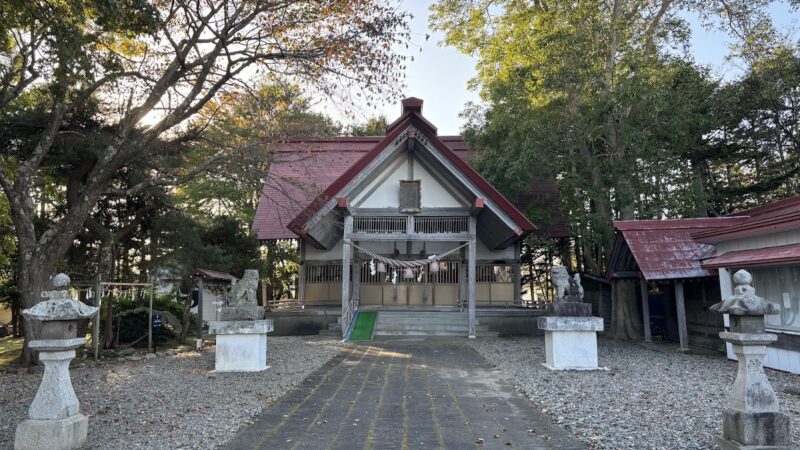
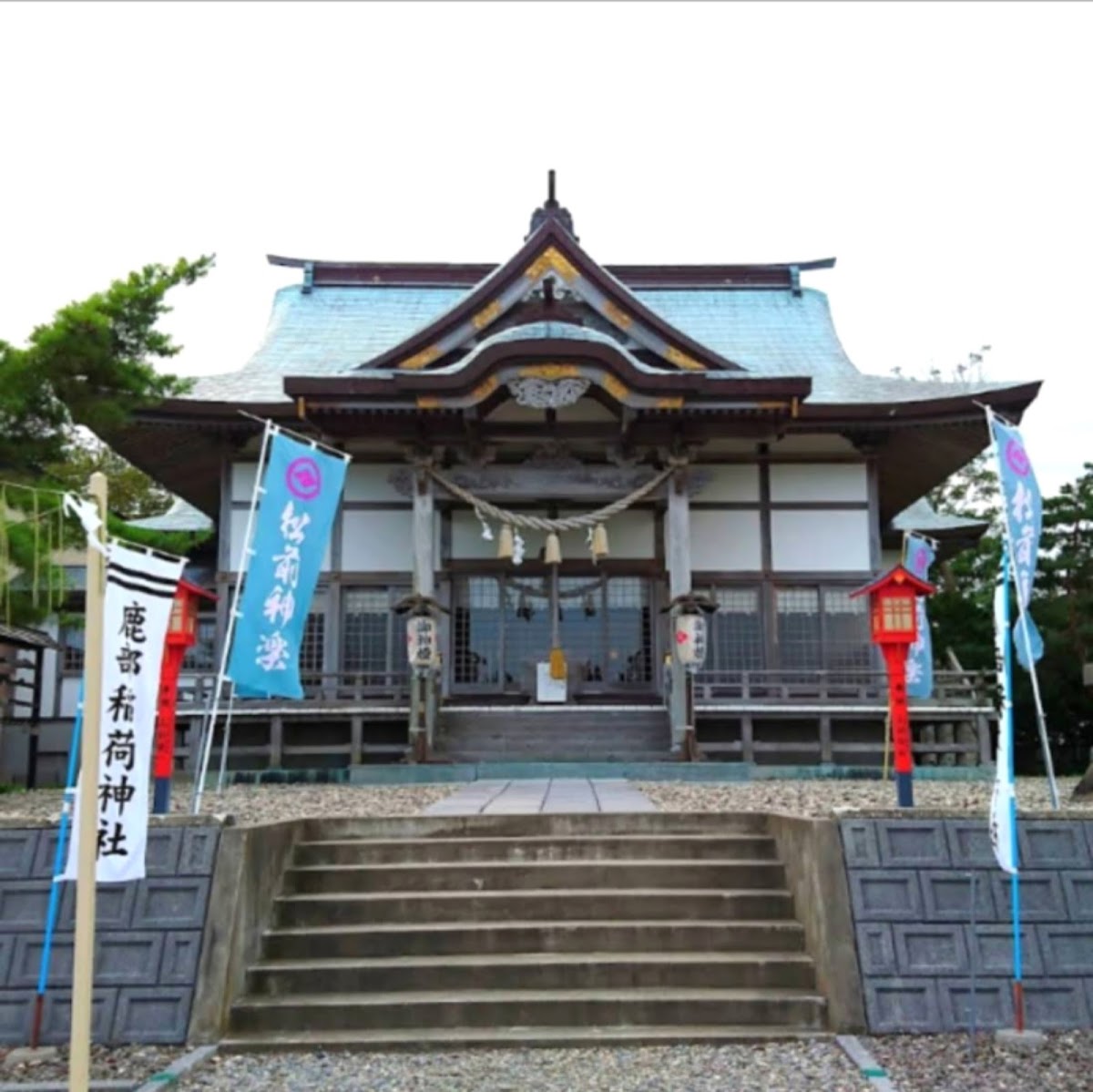
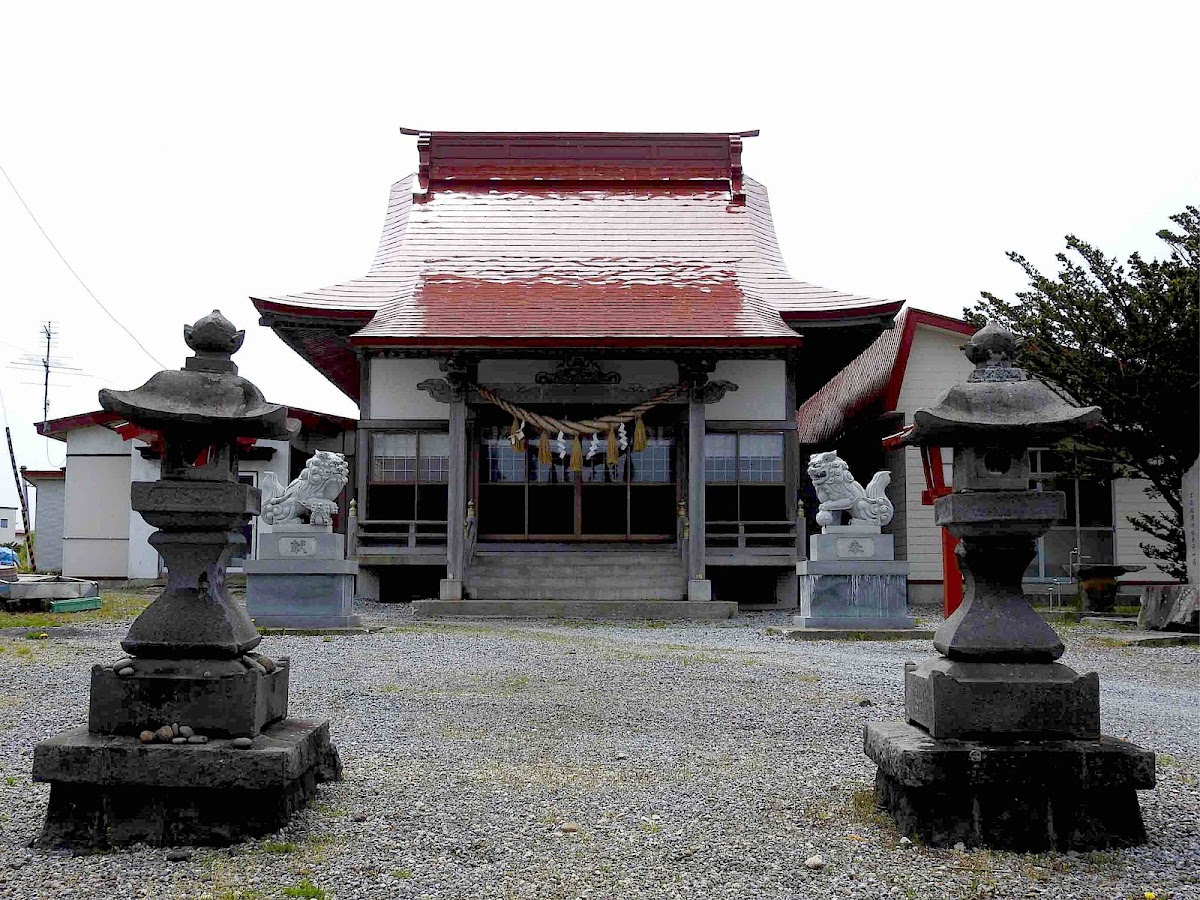
The shrine building of Honbetsu Inari Shrine is built to suit the climate of Hokkaido. It features a robust structure designed to withstand the harsh winter cold and snow.
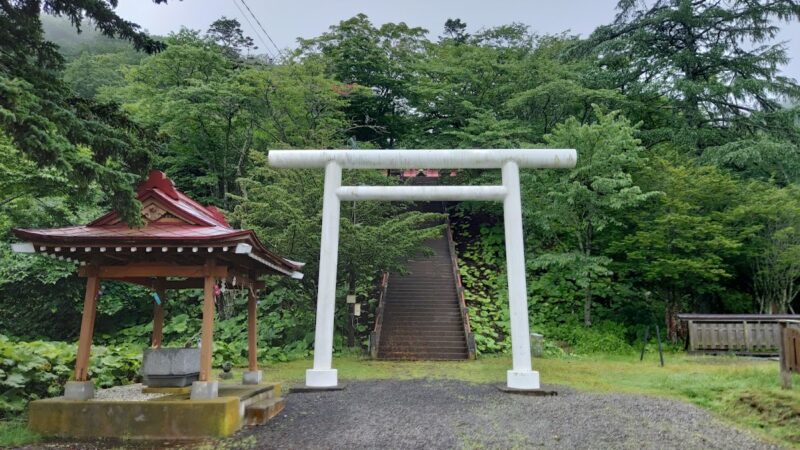
The vermilion torii gate and shrine building, characteristic of Inari shrines, create a beautiful contrast with the surrounding nature, giving visitors a sacred atmosphere.
Fox Statues and Divine Messenger Beliefs
A statue of a fox, a symbol of Inari shrines, is enshrined on the grounds. These foxes are considered messengers of the Inari deity, and are believed to carry out the wishes of worshippers to the gods.
Seasonal Scenery
Nearby surrounded by the ever-changing nature of Hokkaido’s four seasons, Honbetsu Inari Shrine displays different scenery depending on the time of year.
Spring: As the snow melts, new greenery sprouts, creating a season where you can feel the breath of life.
Summer: The lush green grounds offer a refreshing place to worship.
Autumn: The beautiful autumn leaves, combined with the vermilion shrine buildings, create a truly exceptional view.
Winter: The snow-covered grounds are enveloped in silence, creating a solemn atmosphere.
Annual Events and Festivals
Grand Festival
Honbetsu Inari Shrine holds various festivals throughout the year. The most important festival is the Grand Festival, where local residents gather to offer their gratitude to the gods.
First Shrine Visit of the Year
Many worshippers visit the shrine for their first shrine visit of the year, praying for safety and prosperity throughout the year. While the visit takes place during Hokkaido’s harsh winter, the refreshing air of the new year makes it a special experience.
First Horse Day Festival
The First Horse Day Festival is a particularly important festival at Inari shrines. Held on the first Horse Day of February, this festival originates from the day of the enshrinement of Fushimi Inari Taisha (the first Horse Day of February, 711 AD), the origin of Inari shrines.
How to Worship and Manners
Basic Worship Etiquette
When visiting Honbetsu Inari Shrine, please observe the following etiquette:
- Bow before passing through the torii gate: As a sign of respect before entering the sacred area, bow before the torii gate.
- Purify yourself at the water basin: If there is a water basin, purify your left hand, then your right hand, and then your mouth.
- How to walk along the approach to the shrine: The center of the approach is considered the path of the gods, so walk along the sides.
- Worship at the main hall: The basic method is two bows, two claps, and one bow.
- Bow deeply twice
- Clap your hands twice
- Silently state your wish
- Bow deeply once
About offerings
Offerings are a way of expressing gratitude to the gods. There are no set amounts, but offer with sincerity. It is polite to gently place the offering into the offering box rather than throwing it.
Unique customs of worship at Inari shrines
At Inari shrines, it is customary to offer fried tofu and inari sushi. This originates from the legend that the fox, the divine messenger of Inari, is fond of fried tofu. However, be sure to follow the shrine’s regulations regarding offerings and remember to take them home.
Access Information
Location
The exact location of Honbetsu Inari Shrine can be found on the Hokkaido Shrine Association website. It is located in the Honbetsu area and is a shrine beloved by local residents.
Transportation Access
Access by Car
Traveling by car is convenient within Hokkaido. Enter “Honbetsu Inari Shrine” into your car navigation system, or enter the address.
Access by Public Transportation
If using public transportation, you will need to walk or take a taxi from the nearest station or bus stop. It is recommended to check details in advance with the Hokkaido Shrine Association or a local tourist information center.
Parking
Please check in advance whether there is parking space at the shrine. Especially on festival days and during the New Year’s visit period, congestion is expected, so it is recommended to visit with plenty of time to spare.
About Goshuin (Shrine Seals)
What is a Goshuin?
A Goshuin is a seal and calligraphy given as proof of visiting a shrine or temple. In recent years, collecting Goshuin (temple/shrine stamps) has become popular, and many people receive them as a memento of their visit.
Goshuin of Honbetsu Inari Shrine
It is recommended to check in advance whether Honbetsu Inari Shrine offers Goshuin. Smaller shrines may not have resident priests, and the availability of Goshuin may be limited.
If you wish to receive a Goshuin:
- Bring your Goshuincho (stamp book)
- Receive the Goshuin after completing your prayers
- Prepare the offering fee (usually 300-500 yen)
- Request politely
Remember that Goshuin are proof of your visit, not a stamp rally, and receive them with respect.
Honbetsu Inari Shrine’s Connection to the Community
Center of the Local Community
Honbetsu Inari Shrine has functioned as a spiritual pillar of the Honbetsu area for over 200 years. Festivals bring together local residents, providing a place for intergenerational exchange.
Deep Ties to the Fishing Industry
As can be seen from its founding history, Honbetsu Inari Shrine has deep ties to the fishing industry. It continues to attract worshippers as a place to express gratitude for the bounty of Hokkaido’s seas and to pray for the safety of fishermen.
Inheriting Tradition
In today’s society, where the birthrate is declining and the population is aging, passing on local traditions to the next generation is a crucial issue. Honbetsu Inari Shrine, in cooperation with the local community, strives to preserve its traditional culture through festivals and annual events.
Inari Shrine Culture in Hokkaido
Characteristics of Shrines in Hokkaido
Many shrines in Hokkaido were founded by immigrants from Honshu who brought their beliefs from their homeland, and Honbetsu Inari Shrine is one such example. They are closely linked to the history of settlement, and each shrine has its own unique history.
Role of the Hokkaido Shrine Association
The Hokkaido Shrine Association oversees shrines throughout Hokkaido, managing and maintaining them, training Shinto priests, and promoting Shinto culture. Honbetsu Inari Shrine is also affiliated with the Hokkaido Shrine Association and operates as part of the shrine network within Hokkaido.
The Hokkaido Shrine Association’s website provides information on shrines in Hokkaido, the basics of Shinto rituals, and annual events, making it a valuable resource for understanding Hokkaido’s shrine culture.
Basic Knowledge of Inari Faith
The Head Shrine of Inari Shrines
The head shrine of all Inari shrines nationwide is Fushimi Inari Taisha, located in Fushimi Ward, Kyoto City. It is said to have been established on the first day of the Horse in February of the 4th year of the Wado era (711 AD), and boasts a history of over 1300 years.
Fushimi Inari Taisha is famous for its “Senbon Torii” (thousand torii gates), attracting millions of visitors annually from both Japan and abroad. Many Inari shrines throughout Japan were established by inviting a divided spirit from Fushimi Inari Taisha, and Honbetsu Inari Shrine is also part of this lineage.
The Spread of Inari Worship
Inari worship is widespread throughout Japan, with an estimated 30,000 Inari shrines. This is the largest number of shrines in Japan.
Reasons for the widespread worship of Inari shrines:
- Important as a god of abundant harvests in agricultural societies
- Also worshipped as a god of business prosperity with the development of commerce
- Beloved as a god who grants the everyday wishes of ordinary people
- Various divine virtues were added according to the circumstances of each region
The Relationship Between Inari Sushi and Fried Tofu
Fried tofu and Inari sushi are sometimes offered at Inari shrines. This stems from the legend that the fox, the divine messenger of Inari, is fond of fried tofu.
In reality, the relationship between Inari and the fox is complex; the fox itself is not a god, but rather a messenger of the god. The practice of calling dishes using fried tofu “Inari” also originated from this belief.
Points to Note When Visiting the Shrine
Regarding Attire
While everyday clothing is acceptable for visiting, please be mindful of the sacred nature of the place and dress accordingly. Especially when receiving formal prayers, it’s best to avoid overly casual attire.
Photography Etiquette
Photography is generally permitted on the shrine grounds, but please note the following:
- Photography inside the main hall is often prohibited.
- Be considerate of other visitors.
- Keep photography to a minimum during ceremonies.
- Do not photograph in areas where photography is prohibited.
Visiting in Winter
Winter in Hokkaido is harsh, and caution is needed regarding snow and ice:
- Wear non-slip shoes.
- Dress warmly.
- Pay attention to the condition of the path leading to the shrine.
- Do not force yourself to visit on days with bad weather.
Summary
Honbetsu Inari Shrine is a historical shrine that has attracted the faith of the people of the Honbetsu area for over 200 years since its founding in 1814 (Bunka 11) as the guardian deity of fishing. Established by Mr. Takahashi Soemon, who migrated from the south, the shrine was rebuilt in 1850 (Kaei 3) as the guardian deity of the entire region.
It offers a wide range of blessings, including protection of fisheries, abundant harvests, business prosperity, and family safety, playing an important role as a spiritual pillar of the local community. It belongs to the Hokkaido Shrine Association and, as part of the Hokkaido shrine network, contributes to the preservation of traditional culture.
When visiting, please observe basic shrine etiquette, be mindful of Hokkaido’s harsh climate, and offer your prayers with a calm heart. By experiencing the history and traditions of Honbetsu Inari Shrine, you can feel the history of Hokkaido’s development and the depth of faith of the local people.
Inari shrines number approximately 30,000 throughout Japan, making them one of the most familiar types of shrines. Among them, Honbetsu Inari Shrine is a valuable entity with a unique history deeply intertwined with the history of Hokkaido’s development. If you have the opportunity to visit the Honbetsu area, please be sure to visit the shrine and experience the history and culture of this region.