Sumiyoshi Shrine (Otaru City, Hokkaido) Complete Guide | History, Blessings, Flower Water Basin, and Access Information
Sumiyoshi Shrine, located in Otaru City, Hokkaido, is a venerable shrine with a history of over 150 years, serving as the guardian shrine of Otaru. Known for its blessings of safe voyages and business prosperity, it has also recently attracted attention for its beautiful flower water basin and its well-maintained approach, which has received urban landscape awards. This article provides detailed information useful for visiting Sumiyoshi Shrine, including its history, enshrined deities, blessings, highlights, and access methods.
History and Origins of Sumiyoshi Shrine
Founding History
The history of Sumiyoshi Shrine dates back to the first year of the Genji era (1864) at the end of the Edo period. At that time, Kikuchi Shigekata, the chief priest of Hakodate Hachimangu Shrine, applied to the Hakodate Magistrate’s Office to invite Sumiyoshi Okami as the guardian deity of both “Otarunai” (Otaru) and “Takashima” (Takashima).
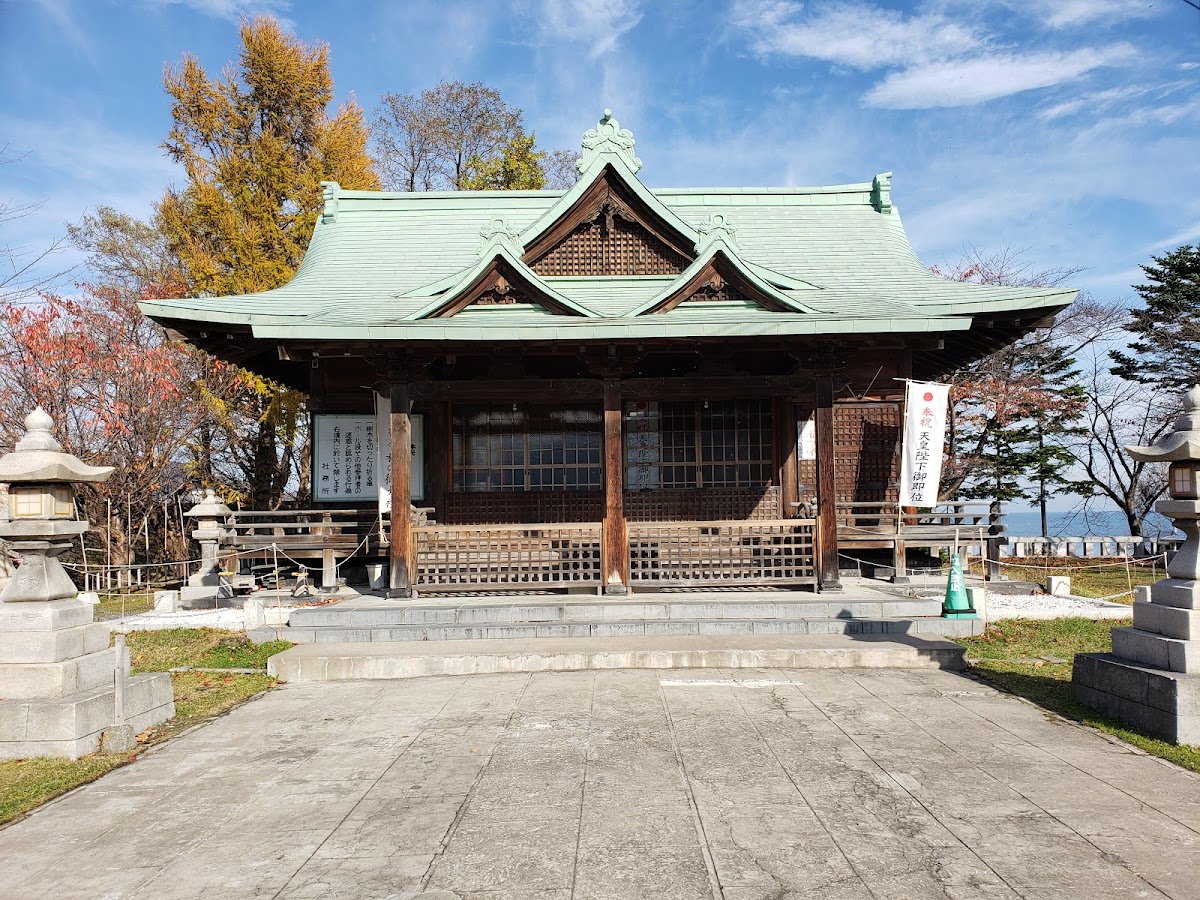
In 1868 (Meiji 1), the sacred object, protected by shrine official Kato Ukyo, departed Hakodate and arrived in Otaru on August 3rd of the same year. A dedication ceremony was held, and Sumiyoshi Shrine was officially founded. Initially, it was located in a different place than its current location, but in 1881 (Meiji 14), a shrine building was constructed at its current location, 2-5-1 Suminoe, Otaru City, Hokkaido, and the shrine was relocated there.
A History Shared with Otaru’s Development
From the Meiji to the Taisho era, Otaru rapidly developed as a gateway to the development of Hokkaido and as an important port city on the Sea of Japan coast. Flourishing with the prosperity of herring fishing and as a port of call for Kitamae ships, it achieved economic prosperity so great that it was called the “Wall Street of the North.” During this time, Sumiyoshi Shrine continued to attract the faith of the local people as the guardian shrine of Otaru.
For those involved in shipping and commerce, faith in Sumiyoshi-no-Okami, the deity who presides over safe voyages and business prosperity, is particularly strong. As Otaru developed, the shrine was also improved and expanded. Currently, it is a special shrine under the jurisdiction of the Association of Shinto Shrines (Shiribeshi Branch of the Hokkaido Association of Shinto Shrines), and is known as a prestigious shrine with the former rank of Prefectural Shrine.
Deities and Benefits
Sumiyoshi Three Gods and Okinagatarashihime-no-Mikoto
Sumiyoshi Shrine enshrines four deities known as Sumiyoshi-no-Kami.
Sumiyoshi Three Gods:
- Sokotsutsu-no-Okami
- Nakatsutsu-no-Okami
- Uwatsutsu-no-Okami
Associated Deities:
- Okinagatarashihime-no-Mikoto – Empress Jingu
The Sumiyoshi Three Gods are sea gods born in Japanese mythology when Izanagi-no-Mikoto performed a purification ritual. They have long been worshipped nationwide as guardians of safe voyages and maritime traffic. Empress Jingu (Okinagatarashihime-no-Mikoto) is said to have received the protection of the Sumiyoshi Three Gods during her conquest of the Three Kingdoms of Korea, and is often enshrined alongside them at Sumiyoshi Shrines.
Main Benefits
Sumiyoshi Shrines are believed to offer the following benefits:
- Safe Navigation and Maritime Safety – As the god of the sea, he protects sailors and those involved in fishing.
- Business Prosperity – The god of commerce who supported the development of the port town of Otaru.
- Traffic Safety – General safety of land and sea traffic.
- Family Safety – Health and peace for the family.
- Prayer for Safe Childbirth – The blessing of safe childbirth through the divine virtues of Empress Jingu.
- Exorcism and Healing from Illness – The power of purification as the god of purification and cleansing.
In Otaru, which has developed as a port town, he has attracted particularly fervent devotion from people involved in the shipping and commerce industries. Even today, various prayers are performed at milestones in life, such as the first shrine visit for a newborn, Shichi-Go-San (7-5-3) festival, exorcism for unlucky years, age celebration prayers, and Shinto wedding ceremonies.
Highlights of the Shrine Grounds
The Shrine Approach, Winner of the 25th Otaru City Urban Landscape Award
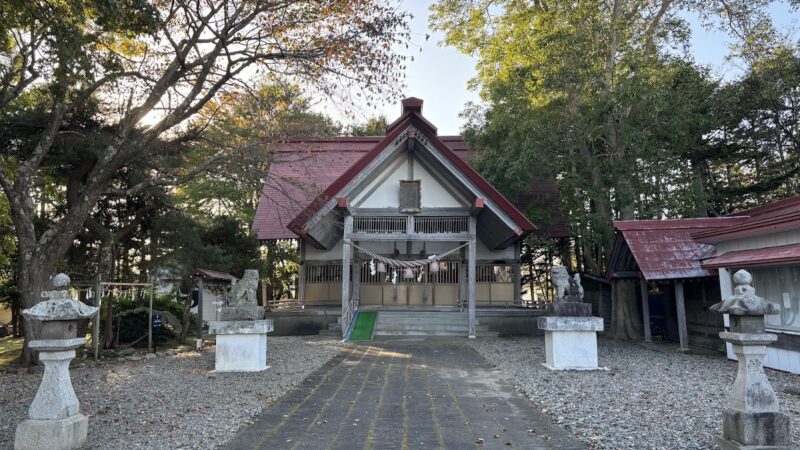
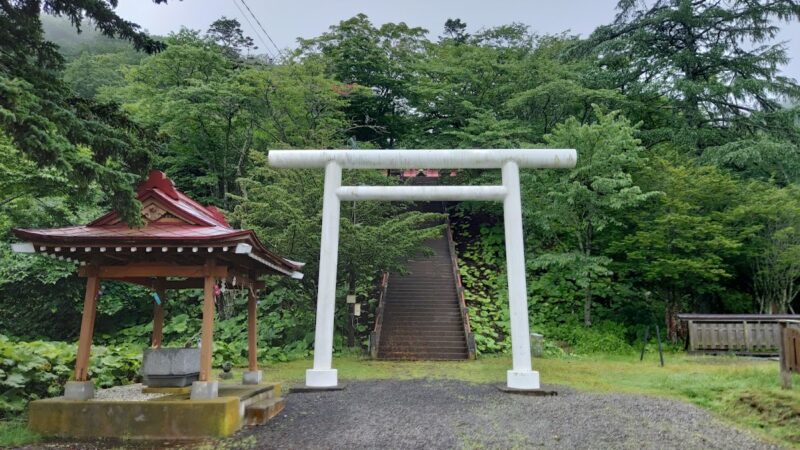
The approach to Sumiyoshi Shrine is known for its beautiful scenery, having won the 25th Otaru City Urban Landscape Award. This approach, recognized for its “maintenance of the Sumiyoshi Shrine approach,” retains a historical atmosphere while being meticulously maintained, showcasing different expressions throughout the seasons.
Lush green trees line the approach, offering particularly beautiful scenery during the fresh green season and the autumn foliage season. The experience of climbing the stone steps to the shrine provides a precious space where one can enjoy a tranquil atmosphere despite being in an urban area.
The Popular Flower Water Basin
In recent years, the “flower water basin” has become especially popular at Sumiyoshi Shrine. This beautiful display, with colorful seasonal flowers floating in the water basin of the water basin, has become a hot topic on social media, attracting many visitors who come to take photographs.
The flower arrangement in the water basin changes its theme with each season, adorning the surface with flowers unique to the time of year: cherry blossoms and tulips in spring, hydrangeas and sunflowers in summer, chrysanthemums and cosmos in autumn, and camellias in winter. In 2021, a video of the flower arrangement was released, widely showcasing its beauty.
Under the slogan “Sumiyoshi-san, full of happiness,” the flower arrangement has become a new attraction of the shrine as part of its efforts to bring happiness to visitors.
Ezo Squirrels Living on the Shrine Grounds
Ezo squirrels, a species endemic to Hokkaido, can sometimes be seen on the grounds of Sumiyoshi Shrine. The shrine grounds, with their rich natural environment, are a valuable habitat for Ezo squirrels, and if you’re lucky, you can observe their adorable figures scurrying among the trees.
This scene, unique to Sumiyoshi Shrine which values coexistence with nature despite being located in an urban area, is a particularly popular spot for visitors with children. However, as they are wild animals, please refrain from feeding them and observe them quietly.
The Relationship Between Sumiyoshi-no-Okami and Orion
Sumiyoshi Shrine also features interesting information about “Sumiyoshi-no-Okami and Orion.” There is a theory that the three deities of Sumiyoshi—Sokotsutsuo-no-Kami, Nakatsutsuo-no-Kami, and Omotsutsuo-no-Kami—correspond to the three stars of Orion, suggesting a connection to ancient astronomical beliefs.
The fact that the three Sumiyoshi deities, gods of the sea, are linked to a constellation that serves as a navigational guide speaks to the depth of the ancient people’s worldview and faith.
The Ultimate Dragon’s Lair Power Spot
Sumiyoshi Shrine is known as a power spot, even featured in the “Ultimate Dragon’s Lair Power Spots: Expanded and Definitive Edition.” A dragon’s lair is considered a place where the earth’s energy gathers, a concept highly valued in feng shui and geomancy.
The topography of Otaru and the location of Sumiyoshi Shrine are considered special in terms of energy flow, attracting attention from people who enjoy visiting power spots.
Annual Events and Otaru Festival
New Year’s Day Festival and First Shrine Visit
The New Year’s Day Festival is held early in the morning on New Year’s Day. This is a New Year’s ceremony held at the Imperial Palace and shrines throughout Japan, where prayers are offered for peace and prosperity in the new year. Sumiyoshi Shrine is known as one of the most popular spots for first shrine visits in Otaru, and is bustling with many worshippers every year.
During the first three days of the New Year, shrine amulets, protective arrows, and Shimenawa decorations are distributed, making it a central place of worship for local people welcoming the new year.
Dondo-yaki (Burning of Old Amulets)
As a New Year’s fire festival held throughout Japan, Dondo-yaki is also held at Sumiyoshi Shrine. By burning shrine amulets, protective arrows, Shimenawa decorations, and other items related to the shrine, people express gratitude for the past year and pray for good health and protection from illness in the new year.
Otaru Festival (Annual Grand Festival)
The most grand event at Sumiyoshi Shrine is the annual “Otaru Festival.” This is the shrine’s annual grand festival and is a beloved summer festival in Otaru.
During the festival, portable shrines and floats are paraded, filling the city of Otaru with festive energy. Stalls line the streets, attracting many tourists and locals, making it a quintessential summer event in Otaru. It’s an important event that demonstrates Sumiyoshi Shrine’s deep roots in the community as the guardian shrine of Otaru.
Other Annual Events
Sumiyoshi Shrine also holds the following annual events:
- Setsubun Festival – Exorcism by bean-throwing
- Spring Grand Festival
- Shichi-Go-San Ceremony – A celebration of children’s growth
- Summer Purification Ceremony – A Shinto ritual to cleanse away the sins and impurities accumulated over the past six months
- Autumn Grand Festival
- Year-End Purification Ceremony – A Shinto ritual to cleanse away the sins and impurities accumulated over the past year
These events are deeply intertwined with the lives of the local people, and many worshippers visit at each seasonal turning point.
Goshuin (Shrine Seals) and Amulets
About Goshuin (Shrine Seals)
Sumiyoshi Shrine offers goshuin as a memento of your visit. They are available at the shrine office, and the carefully handwritten goshuin are popular with those who enjoy visiting shrines. You can bring your goshuincho (seal book) or receive one at the shrine.
Goshuin are proof of your shrine visit and are not like a stamp rally. Please be sure to complete your prayers before receiving your amulet or other item.
Amulets and Items Offered
Sumiyoshi Shrine offers a variety of amulets and items.
- Safe Voyage Amulet – For sailors and those involved in fishing
- Traffic Safety Amulet – For safe driving and cycling
- Business Prosperity Amulet – For those wishing for business success
- Safe Childbirth Amulet – For pregnant women seeking a safe delivery
- Exorcism Amulet – For those in their unlucky year
- Academic Success Amulet – For students and those taking exams
In recent years, an online shop has also been opened, allowing those living far away to receive items. However, if possible, we recommend visiting the shrine in person to receive your amulet or item.
About Prayers and Rituals
Acceptance of Various Prayers and Rituals
Sumiyoshi Shrine offers various prayers and rituals according to your requests.
Prayers related to life cycle rituals:
- Prayer for safe childbirth
- First shrine visit (Omiyamairi)
- Shichi-Go-San (7-5-3) ceremony
- Birthday purification
- Age celebration prayers (60th, 70th, 77th birthdays, etc.)
Prayers related to daily life:
- Family safety
- Traffic safety
- Business prosperity
- Recovery from illness
- Exorcism of unlucky years
- Prayer for safety throughout the year
Other:
- Shinto wedding ceremony
- Groundbreaking ceremony
- Ridgepole raising ceremony
- New house ceremony
How to apply for prayers
If you wish to request prayers, we recommend contacting us by phone (0134-23-0785) in advance. Especially for Shinto wedding ceremonies and groundbreaking ceremonies, scheduling is necessary.
You can also download the prayer application form from our official website. Filling it out in advance and bringing it with you will make the process smoother on the day of your visit.
The prayer fee (offering) varies depending on the type of prayer; please confirm the fee when applying.
Access and Visiting Information
Basic Information
Location: 2-5-1 Suminoe, Otaru City, Hokkaido
Phone Number: 0134-23-0785
Visiting Hours: Generally from sunrise to sunset (Please check the shrine office’s opening hours)
Parking: Available (Limited number of spaces; public transportation is recommended during peak seasons such as New Year’s and the annual festival)
Access by Public Transportation
From JR Minami-Otaru Station:
- Approximately 8 minutes on foot
- After alighting at Minami-Otaru Station, head towards Suminoe
- This is the most convenient access method
From JR Otaru Station:
- Approximately 20 minutes on foot
- Bus access is also available (Get off at “Sumiyoshi Shrine” bus stop on the Hokkaido Chuo Bus)
- Within walking distance of tourist attractions such as the Otaru Canal
Access by Bus:
- Immediately after alighting at the “Sumiyoshi Shrine” bus stop on the Hokkaido Chuo Bus
- Approximately 10 minutes by bus from Otaru Station
Access by Car
From Sapporo:
- Approximately 10 minutes from the Otaru Interchange on the Sapporo-Otaru Expressway
- Accessible via National Route 5
From Niseko/Kutchan:
- Take National Route 5 towards Otaru
- Follow the signs once you enter the city center
Searching for “Sumiyoshi Shrine Otaru” or the phone number “0134-23-0785” on your car navigation system or smartphone map app will show the exact location.
Nearby Tourist Attractions
Sumiyoshi Shrine is conveniently located and easily accessible from tourist attractions within Otaru City.
Within walking distance:
- Otaru Canal (approx. 15-minute walk)
- Sakaimachi Shopping Street (approx. 20-minute walk)
- Former Bank of Japan Otaru Branch Financial Museum (approx. 15-minute walk)
By car:
- Tenguyama Mountain (approx. 10-minute drive) – Take the ropeway to the summit
- Otaru Aquarium (approx. 15-minute drive)
- Otaru Art Village (approx. 5-minute drive)
When sightseeing in Otaru, including a visit to Sumiyoshi Shrine in your itinerary will make your Otaru experience even more fulfilling.
Manners and Precautions for Visiting Shrines
Basic Shrine Visit Etiquette
There are basic manners for visiting shrines. Please follow the etiquette below when visiting Sumiyoshi Shrine.
How to pass through the torii gate:
- Bow before passing through the torii gate.
- Walk along the edge of the path, as the center is considered the path of the gods.
How to perform the purification ritual:
- Hold the ladle in your right hand and purify your left hand.
- Switch the ladle to your left hand and purify your right hand.
- Switch the ladle back to your right hand, receive water in your left hand, and rinse your mouth.
- Finally, stand the ladle upright and purify the handle.
*During the flower purification period, a separate purification area may be provided from the usual one.
How to perform the ritual at the main hall:
- Gently place your offering in the offering box.
- Ring the bell if there is one.
- Perform the two bows, two claps, one bow (two deep bows, two claps, one deep bow).
Regarding photography
Sumiyoshi Shrine, with its many beautiful sights such as the flower purification basin, is popular with visitors who enjoy taking photographs. However, please note the following points.
- Be considerate of other worshippers.
- Do not take photos in areas where photography is prohibited, such as inside the main hall.
- Avoid using tripods during crowded times.
- Post on social media with moderation.
Regarding Attire
For regular visits, there are no specific dress code requirements, but please dress neatly and respectfully, as you are visiting to pay your respects to the gods. Formal attire is recommended if you are receiving prayers or attending a Shinto wedding ceremony.
How to Check the Latest Information
Official Website and Blog
The latest information on Sumiyoshi Shrine can be found on the official website (http://www.otarusumiyoshijinja.or.jp/). Event schedules, the latest themes for the flower arrangements, and temporary announcements are posted there.
The blog (NEWS) is also regularly updated, featuring information on the shrine grounds, seasonal topics, and sightings of Hokkaido squirrels. Checking it before your visit will enhance your experience.
Contact Information
If you have any questions or require more detailed information, you can contact the shrine directly.
Telephone: 0134-23-0785
Reception Hours: During the shrine office’s opening hours (usually 9:00 AM to 5:00 PM, subject to change depending on the season)
They provide courteous service for reservations for prayers, consultations regarding Shinto wedding ceremonies, and inquiries about amulets and other items.
Summary
Sumiyoshi Shrine, located in Otaru City, Hokkaido, is a historic shrine that has been revered by the local people as the guardian shrine of Otaru since its founding in 1868. It enshrines the three Sumiyoshi deities, gods of the sea, and Empress Jingu, and is believed to offer various blessings, including safe voyages, business prosperity, and family safety.
With its beautiful approach that has won urban landscape awards, popular flower-filled water basins, Hokkaido squirrels living on the grounds, and its status as a power spot, Sumiyoshi Shrine possesses a variety of attractions and is a must-visit spot when sightseeing in Otaru. It also plays a central role in local culture, hosting grand annual events such as the Otaru Festival.
Sumiyoshi Shrine boasts an excellent location, just an 8-minute walk from JR Minami-Otaru Station, and is easily accessible from tourist attractions such as the Otaru Canal. When visiting Otaru, be sure to pay your respects and experience “Shiawase Takusan Sumiyoshi-san,” a place where history, tradition, and new attractions harmoniously blend.
Checking the official website and blog for the latest information, and visiting during the beautiful flower arrangement season or special events such as the annual festival, will make for a more memorable experience. Sumiyoshi Shrine, where you can experience Hokkaido’s history and culture, and the faith of the local people, is an essential spot for Otaru sightseeing.