Suiten-gu Shrine (Otaru City, Hokkaido) Complete Guide | History, Scenic Views, and Access Information
Located on a hill in Otaru City, Hokkaido, Suiten-gu Shrine is a popular spot for worshippers and tourists, offering stunning panoramic views of Otaru Port and a famous cherry blossom viewing location. Founded in 1859 (Ansei 6), this historic shrine’s main hall, built in 1919 (Taisho 8), is designated a historical building by Otaru City. This article comprehensively covers everything you need to know before visiting, from the history of Suiten-gu Shrine and its enshrined deities to its highlights and access methods.
History and Origins of Suiten-gu Shrine
From Founding to the Present
Suiten-gu Shrine is said to have been founded in 1859 (Ansei 6). This period marked the beginning of Otaru’s development as a base for the pioneering of Hokkaido, with fishing and shipping industries flourishing. By enshrining the deities who preside over drinking water and food production, the shrine has played a vital role in protecting the lives and industries of the people of Otaru, a city facing the sea.
During the Meiji era, it attained the status of a local shrine and developed into a center of regional faith. The current shrine building was constructed in 1919 (Taisho 8), making it a valuable structure with over 100 years of history.
Value as an Otaru City Designated Historical Building
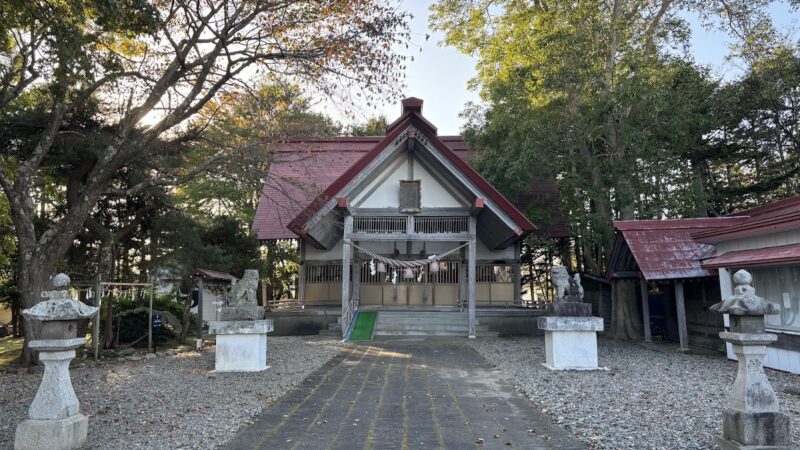
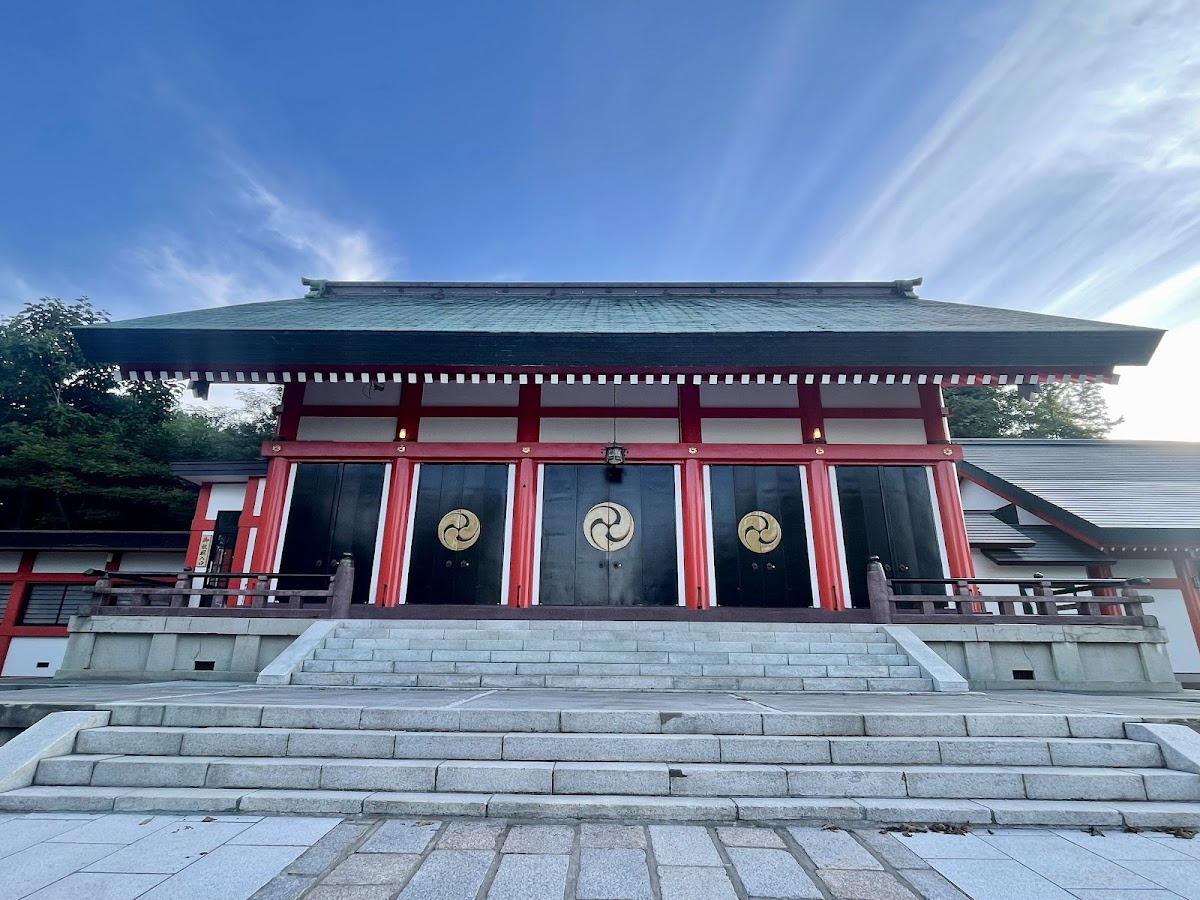
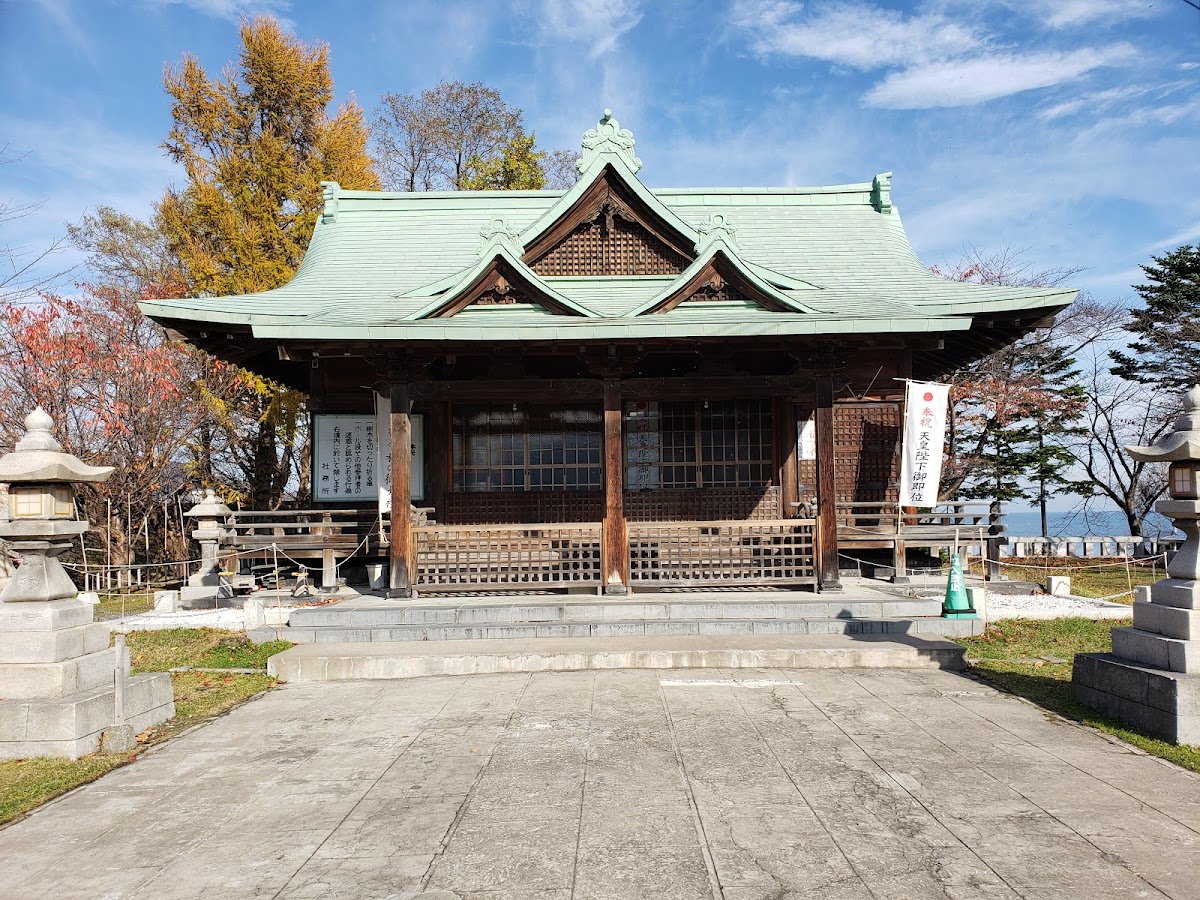
The Suiten-gu shrine building is designated as Otaru City Designated Historical Building No. 50. It employs an architectural style called Gongen-zukuri, where the main hall, middle hall, and worship hall are connected, and the roof is covered with copper plates. This architectural style is a traditional form of shrine architecture influenced by the syncretism of Shinto and Buddhism, and is valued as a valuable example within Hokkaido.
The shrine building covers an area of 31 tsubo (approximately 102 square meters), and the grounds cover a vast 1,200 tsubo (approximately 4,000 square meters). Located on a hill approximately 55 meters above sea level, it is an indispensable presence in discussing the history and landscape of Otaru.
Deities and Divine Virtues
Suitengu Shrine enshrines four deities.
Mizuhanome-no-kami
A goddess who presides over water, she is revered as the guardian deity of water sources, irrigation, and drinking water. In port towns like Otaru, securing clean water was fundamental to life, so she was worshipped as a particularly important deity.
Ukemochi-no-kami
A goddess who presides over food and grains, she is the guardian deity of abundant harvests and food production. She has attracted the faith of people praying for prosperity in agriculture, fishing, and commerce.
Izanagi-no-kami and Izanami-no-kami
The gods of creation in Japanese mythology, they are worshipped as the fundamental gods of all creation. As a married couple, they are believed to bestow blessings of matchmaking, family safety, and prosperity of descendants.
These deities are guardians of water and food, essential elements for human survival, and are deeply connected to Otaru’s geographical characteristics, surrounded by the sea and mountains.
Highlights of Suiten-gu Shrine
Spectacular View of Otaru Port
The greatest attraction of Suiten-gu Shrine is the spectacular view of Otaru Port and the Sea of Japan from a hill 55 meters above sea level. From the viewing spot on the right side of the shrine grounds, you can enjoy a panoramic view of Otaru’s cityscape, Otaru Port, and the Sea of Japan stretching to the horizon.
Especially at sunset, the setting sun over the Sea of Japan paints the port in a golden hue, creating a fantastical scene. It is also known as a night view spot, and the night view created by the lights of Otaru city and the port attracts many photography enthusiasts.
Gaijin-zaka Slope and Stone Steps
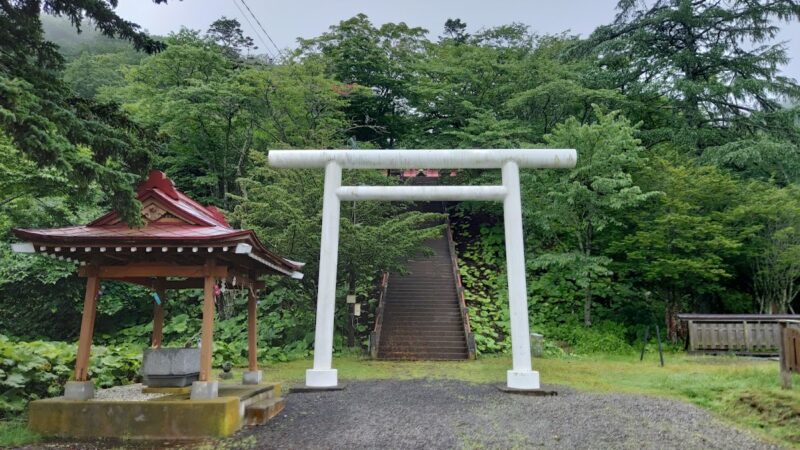
The famous path leading to Suiten-gu Shrine is “Gaijin-zaka Slope.” The steep stairs and slopes descending from Shinonome-cho towards Sakai-machi are named after the former foreign settlement. Upon reaching the top of the stone steps, a magnificent shrine and spacious grounds unfold before you, leaving you with a sense of accomplishment and a profound appreciation for the beauty of the scenery.
While this slope is indeed steep and requires physical effort, it’s an important element that embodies the unique charm of Otaru, the “city of hills.” The view after the climb is well worth the effort.
As a Cherry Blossom Spot
Suiten-gu Shrine is known as one of Otaru’s premier cherry blossom viewing spots. In spring, the shrine grounds are filled with blooming cherry blossoms, attracting many visitors. Located on a hill, it offers a luxurious view of the cherry blossoms, Otaru Port, and the Sea of Japan simultaneously.
The cherry blossoms typically bloom from late April to early May, marking the arrival of Hokkaido’s late spring. The scenery, a tapestry of cherry blossoms, historical buildings, and the sea, is a unique beauty of Otaru that cannot be seen anywhere else.
Literary Monuments and Poetry Monuments
Several literary monuments are located within the temple grounds, making it a valuable spot for literary walks.
Ishikawa Takuboku Poetry Monument: Ishikawa Takuboku, a poet of the Meiji era, worked as a newspaper reporter in Otaru for a period, and this monument was erected in connection with that time. It is an important historical site that commemorates Takuboku’s relationship with Otaru.
Mitsuya Utamura Haiku Monument: A haiku monument to local haiku poet Mitsuya Utamura is also located here, conveying the cultural aspects of Otaru.
Kawamura Bun’ichiro Poetry Monument: There is also a poetry monument to the poet Kawamura Bun’ichiro, making it an interesting spot for literature lovers.
Annual Events and Festivals
Festival Date
The annual festival of Suiten-gu Shrine is held every year on June 15th. This day marks the most important festival for the shrine, with parishioners and devotees gathering to express gratitude to the gods and pray for the prosperity of the region. During the annual festival, solemn Shinto rituals are performed, ensuring the continuation of traditional festival practices.
Other Annual Events
At Suiten-gu Shrine, various Shinto rituals are held throughout the year, including the New Year’s Day Festival, the Setsubun Festival, and the Autumn Harvest Thanksgiving Festival. These events strengthen community ties and play a role in passing on traditional culture to future generations.
Architectural Style of the Shrine
Characteristics of the Gongen-zukuri Style
The shrine buildings of Suiten-gu Shrine are constructed in a style called Gongen-zukuri (or Nagare-zukuri). It is characterized by a structure where the main hall, middle hall (heiden), and worship hall are connected as a single unit, allowing worshippers to visit regardless of the weather.
Gongen-zukuri is an architectural style that developed during the Edo period, with Nikko Toshogu Shrine being a well-known example. It is a style influenced by the syncretism of Shinto and Buddhism, and is relatively rare among shrine architecture in Hokkaido.
Copper Roof
The roof is covered with copper sheets, which have aged beautifully, developing a verdigris color. This color evokes a sense of history and creates a landscape that harmonizes with the surrounding greenery. Copper sheets are highly durable and have continued to protect the shrine even under Hokkaido’s harsh climate.
Access Information
Access by Public Transportation
From JR Otaru Station:
- Approximately 3 minutes by Chuo Bus to the “Hanazono Park-dori” bus stop
- Approximately 5-7 minutes on foot from the bus stop
- Approximately 15 minutes on foot from Otaru Station
From Minami-Otaru Station:
- Approximately 10-15 minutes on foot
- The route up Gaijinzaka is the most common.
Access by Car and Parking
Suitengu Shrine has parking spaces for visitors, but the number of spaces is limited. Therefore, especially during cherry blossom season and on festival days, we recommend using public transportation. The streets in Otaru city center are narrow and hilly, so those unfamiliar with driving should exercise caution.
Walking Access Route
When accessing Otaru on foot from Otaru Station or Minami-Otaru Station, the most common route is via Gaijinzaka (Foreigner’s Hill). While it involves a series of steep stone steps, the view of Otaru’s cityscape and harbor gradually unfolds as you look back, making the climb enjoyable. We recommend wearing comfortable walking shoes.
Basic Information
Location: 3-1 Aioi-cho, Otaru City, Hokkaido
Phone Number: 0134-22-3495
Annual Festival Date: June 15th
Former Shrine Rank: Gosha (Village Shrine)
Shrine Building Style: Nagare-zukuri (Gongen-zukuri)
Shrine Building Area: 31 tsubo (approx. 102 sq m)
Shrine Grounds Area: 1,200 tsubo (approx. 4,200 sq m)
Number of Parishioners: Approximately 6,000 households
Visiting Hours: The shrine grounds are generally open for free worship (please check the shrine office hours)
Admission Fee: Free
Nearby Tourist Attractions
Otaru Canal
A representative tourist spot in Otaru, within walking distance of Suiten-gu Shrine. The promenade along the canal, lined with retro warehouses and gas lamps, is a classic Otaru sightseeing route.
Sakaimachi Shopping Street
A historical shopping street located at the bottom of Gaijin-zaka (Foreigner’s Hill). Shops selling glass crafts, seafood, sweets, and more line the streets, making it perfect for souvenir shopping.
Former Nippon Yusen Otaru Branch
A historical building representing Western-style architecture from the Meiji era. Visiting it along with Suiten-gu Shrine will give you a deeper understanding of Otaru’s history.
Otaru Music Box Museum
Japan’s largest music box specialty store. Enjoy the retro building and diverse collection of music boxes.
Manners and Enjoyment of Visiting Shrines
Etiquette for Visiting Shrines
The basic etiquette for visiting a shrine is to bow once when passing through the torii gate, purify your hands and mouth at the water basin, and perform two bows, two claps, and one bow in front of the main hall. Follow the same etiquette when visiting Suiten-gu Shrine.
Photography Tips
The views from the shrine grounds are excellent photo opportunities, but be considerate of other visitors. Especially when photographing the shrine buildings, check if any festivals are taking place. Early mornings and twilight offer good lighting conditions for beautiful photos.
Enjoying the Shrine by Season
Spring (Late April – May): Cherry blossom season. The view of the cherry blossoms in full bloom against the backdrop of Otaru Port is a must-see.
Summer (June – August): The annual festival (June 15th) is held. This season offers a beautiful contrast between the lush greenery of the shrine grounds and the blue sea.
Autumn (September – November): Autumn leaves adorn the shrine grounds. Enjoy the clear air and panoramic views.
Winter (December – March): The shrine buildings amidst the snowy landscape are magical. The shrine is bustling with many visitors during the New Year’s pilgrimage season.
The History of Otaru and the Role of Suiten-gu Shrine
Hokkaido Development and the Development of Otaru
Otaru developed as a base for the development of Hokkaido from the late Edo period. Blessed with a natural harbor, it prospered through herring fishing and shipping, becoming a commercial city known as the “Wall Street of the North.”
Suiten-gu Shrine was founded in 1859 (Ansei 6), during this period of development, and has watched over the safety and prosperity of the people who live in harmony with the sea. The worship of the god of drinking water and food production played a crucial role in protecting the foundation of life in the port town of Otaru.
As a Center of the Local Community
Even today, Suiten-gu Shrine, with approximately 6,000 parishioners, functions as a spiritual pillar of the local community. Through its annual festivals and events, it serves as a place for local residents to interact and contributes to the preservation of traditional culture.
Points to Note When Visiting Suiten-gu Shrine
Clothing and Items to Bring
Comfortable shoes are essential as you will be climbing the steep stone steps of Gaijin-zaka (Foreigner’s Slope). Particular caution is needed during rainy weather and in winter, as the steps can be slippery. Even in summer, the hilltop can be windy, so it’s a good idea to bring a jacket.
Estimated Time Required
If you only wish to pray, it will take about 30 minutes. However, if you want to stroll around the grounds and enjoy the views, allow about an hour. If you plan to visit literary monuments or enjoy taking photographs, we recommend allowing extra time.
Accessibility Information
Due to the stone steps of Gaijinzaka (Foreigner’s Slope), access is difficult for wheelchairs and strollers. Those with mobility issues are advised to contact the shrine in advance.
Summary
Suitengu Shrine (Otaru City, Hokkaido) is a historic shrine founded in 1859 (Ansei 6). It is a popular spot for its spectacular views of Otaru Port and its beautiful cherry blossoms. The shrine building, constructed in 1919 (Taisho 8), is protected as a historically significant building designated by Otaru City, preserving the beautiful Gongen-zukuri architectural style.
Enshrining four deities—Yatsuhanome-no-kami, Ukemochi-no-kami, Izanagi-no-kami, and Izanami-no-kami—the shrine has walked hand-in-hand with the development of the port town of Otaru, protecting the foundations of life: water and food. From its 55-meter-high vantage point, Suiten-gu Shrine offers a panoramic view of Otaru Port and the Sea of Japan, along with numerous other attractions such as the stone steps of Gaijin-zaka (Foreigner’s Slope), cherry blossoms within the grounds, and literary monuments.
Within easy walking distance of JR Otaru Station and Minami-Otaru Station, it’s a must-visit spot for Otaru sightseeing. The climb up the steep stone steps is well worth it; this special place, where you can simultaneously experience history, scenery, and a sacred atmosphere, will leave a lasting impression on visitors.
Suiten-gu Shrine encapsulates Otaru’s history, culture, and natural beauty. When traveling to Hokkaido, be sure to visit this hidden gem and experience the charm of Otaru more deeply.