Tenmangu Shrine (Otaru City, Hokkaido) Complete Guide | A Thorough Explanation of its History, Goshuin (Shrine Seals), and Annual Festival
Located in Tenjin, Otaru City, Hokkaido, Tenmangu Shrine is a historic shrine dedicated to Sugawara no Michizane, known as the god of learning. Since its founding in 1867, it has attracted the faith of local people for over 150 years, and is constantly visited by students and those praying for academic success. This article comprehensively introduces all the information you need to know before visiting Tenmangu Shrine, including its history, enshrined deities, goshuin (shrine seals), annual festival, and access methods.
Basic Information about Tenmangu Shrine
Location and Access
Address: 1-9-21 Tenjin, Otaru City, Hokkaido 047-0011
Phone Number: 0134-22-7984
Visiting Hours: 24 hours (however, caution is needed at night as it is dark)
Shrine Office Hours: Approximately 9:00 AM to 5:00 PM
Parking: Free parking available
Transportation Access
Access by Train:
- Approximately 31 minutes on foot (approx. 2.5 km) from JR Hakodate Main Line “Minami-Otaru Station”
- Approximately 36 minutes on foot (approx. 2.9 km) from JR Hakodate Main Line “Otaru Station”
Access by Bus:
- Take the Hokkaido Chuo Bus “bound for Tenjin-cho” from in front of JR Otaru Station
- Get off at the “Tenmangu-shita” bus stop and walk for approximately 2-4 minutes
Using the bus is the most convenient way to get there from Otaru Station. The walk from the bus stop to the shrine involves a gentle uphill slope, but the distance is short, and the scenery along the way is typical of Otaru’s residential areas.
History and Origins of Tenmangu Shrine
Founding History
Tenmangu Shrine was founded in 1867 (Keio 3). This was during the late Edo period, the year before the Meiji Restoration. In this era, just before the full-scale development of Hokkaido, Otaru was already showing signs of development as a port town.
Initially, Tenmangu Shrine was established in a different location than its current site. “Kanjo” refers to the creation of a new shrine by inviting a divided spirit of a deity to another location. It was founded through the enthusiasm of the local people to bring the divine virtues of Sugawara no Michizane to Otaru.
Relocation in the Meiji Era
In the Meiji era, Tenmangu Shrine was relocated to its current location in Tenjin 1-chome. “Relocation” means moving the sacred object of a shrine to a different location. This relocation meant that Tenmangu Shrine was now situated on a hill overlooking Otaru city, strengthening its role as a spiritual center for the community.
Development during the Showa Era
During the Showa era, the grounds of Tenmangu Shrine were expanded. By acquiring the adjacent land, the current vast grounds of 2,077 tsubo (approximately 6,864 square meters) were created. This spacious grounds provide a quiet space for worshippers to offer prayers.
After the war, Tenmangu Shrine was officially registered as a religious corporation and remains a shrine belonging to the Hokkaido Shrine Association to this day.
Former Shrine Rank and Status
Tenmangu Shrine’s former shrine rank was “Village Shrine.” The shrine ranking system was established during the Meiji era, and the Village Shrine rank was given to shrines rooted in the community as the guardian shrine of the village. Although the shrine ranking system was abolished after the war, this remains evidence of Tenmangu Shrine’s important role in the local community.
Deities and Divine Virtues
Main Deity: Sugawara no Michizane
The main deity enshrined at Tenmangu Shrine is Sugawara no Michizane, a scholar and politician known during the Heian period. Born in Kyoto in 845, Michizane excelled in academics from a young age and served the imperial court as a scholar of literature. Due to his outstanding knowledge and honest character, he rose to the position of Minister of the Right, but was demoted to Dazaifu due to political intrigue, where he died in 903.
After his death, Michizane was deified as “Tenjin-sama” and enshrined at Tenmangu shrines throughout Japan. He is particularly revered as the god of learning, literature, and calligraphy, and attracts the faith of students and those praying for academic success.
Divine Virtues of Sugawara no Michizane:
- Academic Achievement and Prayer for Passing Exams
- Improvement in Literary Arts and Calligraphy
- Cultivation of an Honest Heart
- God of Justice Who Clears the Name of Those Who Have Been Falsely Accused
- Protection Against Evil as a Thunder God
Enshrined Deity: Uke-mochi-no-kami
At Tenmangu Shrine, Uke-mochi-no-kami is enshrined alongside Sugawara no Michizane. Uke-mochi-no-kami is a goddess of food and grains appearing in Japanese mythology, and is believed to bestow blessings of abundant harvests and business prosperity.
It is thought that Uke-mochi-no-kami was enshrined here to pray for the development and prosperity of the port town of Otaru, and as a guardian deity of local agriculture and commerce. With these two deities enshrined, Tenmangu Shrine has become a shrine with broad divine virtues not only for academics but also for all aspects of life.
Characteristics of the Shrine Architecture
Style of the Main Hall
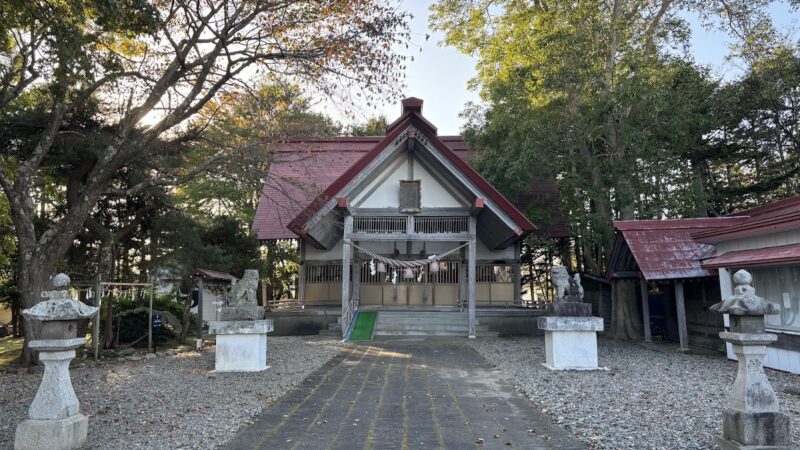
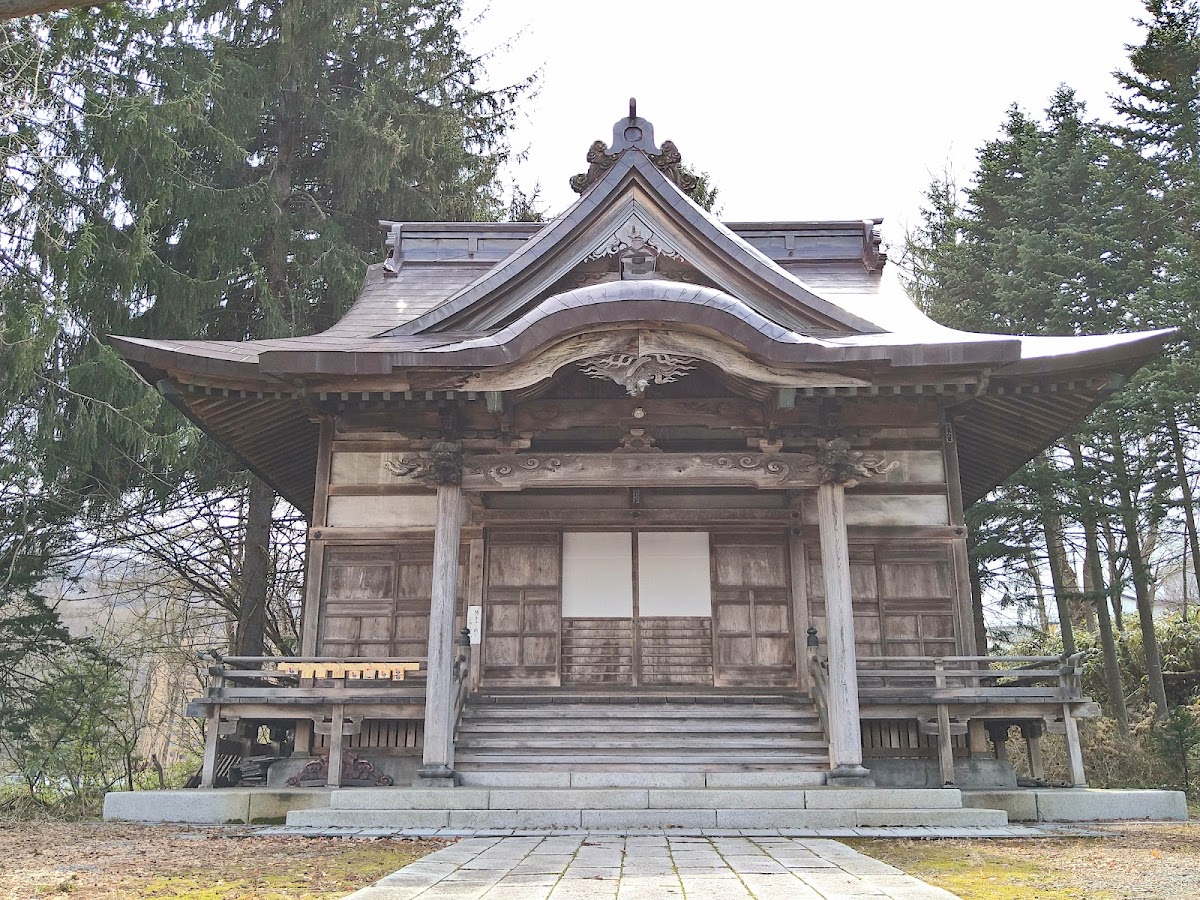
The main hall of Tenmangu Shrine is built in the “Nagare-zukuri” style of shrine architecture. Nagare-zukuri is characterized by its long, extended roof that covers the portico (kohai), and is the most common style in Japanese shrine architecture. The elegant curves of the roof are beautiful, conveying the charm of traditional shrine architecture.
Style of the Worship Hall
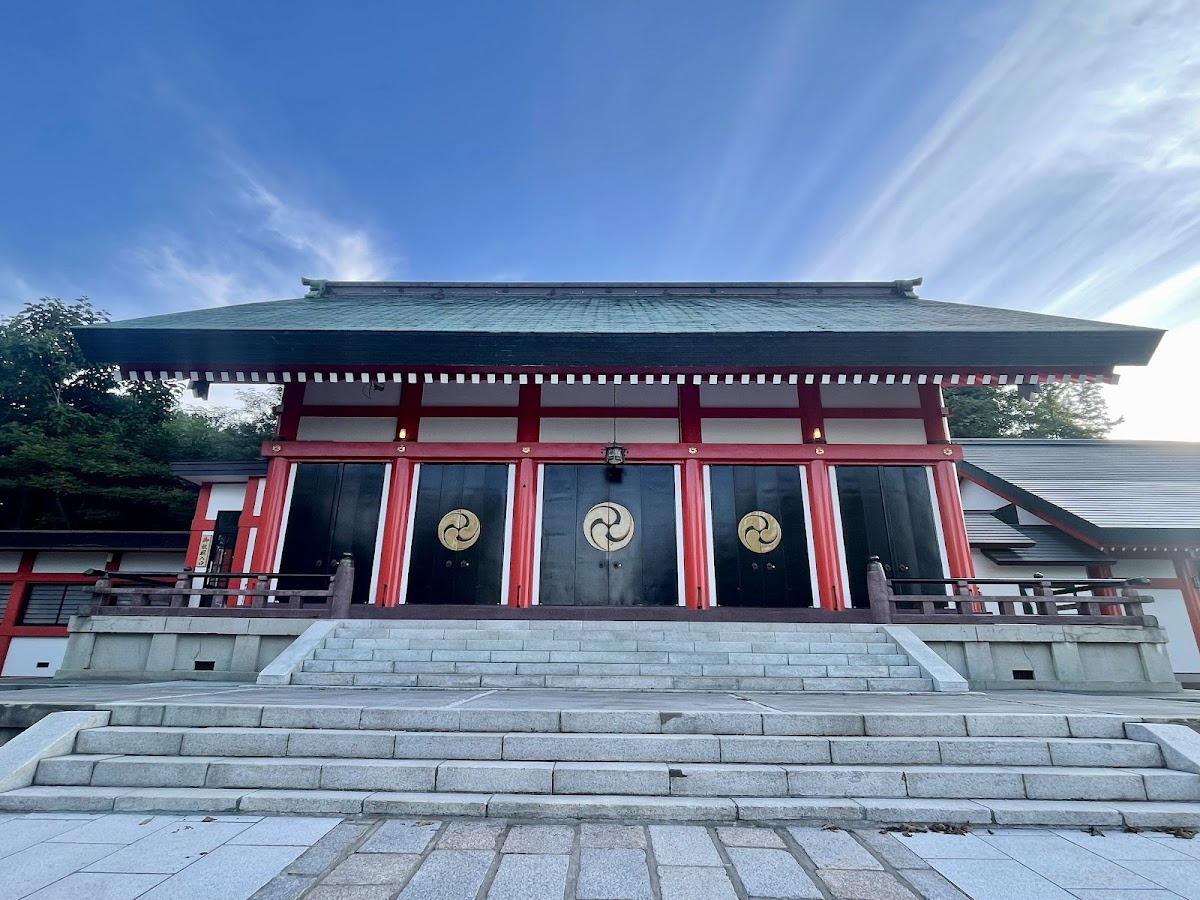
The worship hall is built in the dignified “Irimoya Chidori-hafu-zukuri” style. The Irimoya-zukuri style is a complex structure with a hipped roof on the upper part and a gable roof on the lower part, conveying a sense of dignity and grandeur. Furthermore, the addition of the decorative triangular gable called Chidori-hafu enhances its architectural beauty.
Shrine Scale
Main Hall/Worship Hall Area: 50 tsubo (approx. 165 square meters)
Shrine Grounds Area: 2,077 tsubo (approx. 6,864 square meters)
The vast grounds include the shrine buildings, a purification fountain, a shrine office, and a path leading to the shrine, creating an environment where visitors can enjoy the changing seasons while worshipping.
Goshuin (Shrine Seal) Information
Features of the Goshuin
Tenmangu Shrine offers goshuin as proof of worship. Tenmangu’s goshuin are characterized by their powerful calligraphy, with the words “Tenmangu” and the date directly written on them. They are highly regarded by worshippers as “powerful, directly written goshuin” and are popular among goshuin collectors.
Regarding the Issuance of Goshuin (Shrine Seals)
Location of Issuance: Shrine Office
Reception Hours: Approximately 9:00 AM to 5:00 PM
Offering Fee: Generally around 300-500 yen (Please check on-site)
Goshuin are issued during the hours when Shinto priests are present. If you wish to be sure to receive a Goshuin, it is recommended to confirm by phone in advance. Special Goshuin may be issued, especially during events such as the annual festival.
Regarding Goshuincho (Shrine Seal Books)
Please remember to bring your Goshuincho. First-time visitors can purchase Goshuincho at shrines and temples, but please inquire at the shrine office regarding their availability at Tenmangu Shrine.
Annual Festivals and Events
Tenmangu Shrine Annual Festival
The most important festival at Tenmangu Shrine is the annual festival, held around August 25th each year. The annual festival date, August 25th, is set to coincide with the birthday of Sugawara no Michizane (June 25th) and the anniversary of his death (February 25th).
Annual Grand Festival Schedule (Example for 2025):
- August 22nd (Sat) – August 23rd (Sun)
- Or August 24th – August 25th
During the annual grand festival, Shinto rituals such as the portable shrine procession and Kagura (sacred dance) performances are held, attracting a large number of local parishioners and devotees. Annual grand festivals at shrines in Otaru are concentrated in the summer, and the Tenmangu Shrine’s annual grand festival is one of the important festivals that color Otaru’s summer.
Other Annual Events
In addition to the annual grand festival, the following annual events are held at Tenmangu Shrine:
New Year’s Day Festival (January 1st): A festival celebrating the New Year
Setsubun Festival (around February 3rd): A ritual to ward off evil spirits by scattering beans
Kinensai Festival (February 17th): A spring festival praying for a bountiful harvest
Natsukoshi no Oharae (June 30th): A Shinto ritual to purify oneself of sins and impurities accumulated over the past six months
Niinamesai Festival (November 23rd): A festival to give thanks for the harvest
Yoshikoshi no Oharae (December 31st): A Shinto ritual to purify oneself of sins and impurities accumulated over the past year
For details on these events and how to participate, please inquire at the shrine office.
Parishioner Area and Worshippers
Number of Parishioner Households
The number of parishioner households at Tenmangu Shrine is approximately 2,000. Parishioners are people who live in the area where the shrine is located and who believe in and support the shrine. Tenmangu Shrine serves as the tutelary deity for a wide area centered around the Tenjin district, providing spiritual support to the local residents.
Number of Worshippers
In addition to parishioners, approximately 200 worshippers also follow Tenmangu Shrine. Worshippers are people who live outside the parish area but have a deep faith in a particular shrine. Due to their devotion to Sugawara no Michizane, the god of learning, many visitors come from both within and outside Otaru.
Highlights of Tenmangu Shrine
Atmosphere of the Approach and Grounds
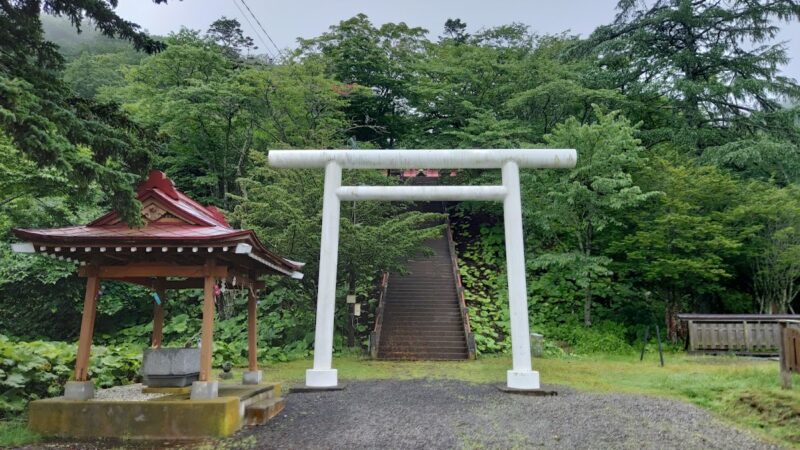
The grounds of Tenmangu Shrine are situated on a hill overlooking Otaru city, enveloped in a tranquil atmosphere. As you proceed along the approach, trees line both sides, allowing you to feel the changing seasons. The grounds are particularly adorned with beautiful colors during the fresh greenery of spring and the vibrant autumn foliage.
Etiquette at the Water Basin
As you proceed along the approach, you will first encounter the water basin. It is proper etiquette to purify your mind and body here before praying at a shrine.
- Take the ladle with your right hand and purify your left hand.
- Switch the ladle to your left hand and purify your right hand.
- Switch the ladle back to your right hand, receive water in your left hand, and rinse your mouth.
- Purify your left hand once more.
- Hold the ladle upright, purify the handle, and return it to its original position.
Proper Etiquette at the Main Hall
At the main hall, pray using the “two bows, two claps, one bow” method.
- Place your offering in the offering box.
- If there is a bell, ring it.
- Bow deeply twice (two bows).
- Clap your hands twice at chest height (two claps).
- Pray sincerely.
- Bow deeply once (one bow).
Stone monuments and memorials on the shrine grounds
Throughout the shrine grounds are stone monuments and memorials that tell the history of Tenmangu Shrine. These are valuable resources for understanding the changes in the shrine and the history of the region, and are well worth a thorough visit.
Related shrine: Asari Shrine
The Tenmangu Shrine office also manages Asari Shrine, located in Shinko 2-chome, Otaru City.
Asari Shrine
Address: 2-13-5 Shinko, Otaru City, Hokkaido
Phone: 0134-22-7984 (Same as Tenmangu Shrine)
Annual Festival: Around August 29th (Sat) – August 30th (Sun)
For inquiries regarding visiting Asari Shrine or obtaining a Goshuin (shrine stamp), please contact the Tenmangu Shrine office.
Points to Note and Manners When Visiting
Regarding Clothing
While there are no strict dress code regulations for shrine visits, please dress appropriately as it is a sacred place. It is advisable to avoid overly revealing clothing and casual attire such as sandals.
Regarding Photography
Photography is generally permitted on the shrine grounds, but there may be restrictions inside the main hall or during Shinto rituals. Please check with the shrine office if you have any questions. It is also important to be considerate of other visitors.
Nighttime Visits
Tenmangu Shrine is open for worship 24 hours a day, but the grounds are dark at night and visibility is poor, so caution is necessary. Especially in winter, there is a risk of snow and ice, so we recommend visiting during daylight hours whenever possible.
Pets
Bringing pets into shrine grounds is generally restricted. Please inquire with the shrine office in advance regarding Tenmangu Shrine’s policies.
Otaru Sightseeing and Tenmangu Shrine
Otaru City Tourist Spots
We recommend visiting Otaru City’s tourist spots in conjunction with your visit to Tenmangu Shrine.
Otaru Canal: A representative tourist spot of Otaru. The promenade along the canal, lined with retro warehouses, offers beautiful scenery both day and night.
Sakaimachi Shopping Street: A tourist street lined with glass craft shops, seafood shops, and sweets shops. Perfect for finding Otaru souvenirs.
Otaru Music Box Museum: Japan’s largest music box specialty store. Its beautiful melodies and antique music box displays are its main attractions.
Former Nippon Yusen Otaru Branch: A historical building with Western-style architecture from the Meiji era. Interior tours are available.
Otaru Gourmet
Otaru is a port town rich in seafood. You can enjoy fresh sushi, seafood bowls, and seafood such as sea urchin and crab. Otaru’s Western-style confectionery shops are also famous, and LeTAO’s “Double Fromage” is a nationally renowned popular product.
Seasonal Highlights
Spring (April-June): Cherry blossoms bloom later than in Honshu, around early May. A beautiful season of fresh greenery.
Summer (July-August): A season with many festivals, including the annual grand festival. Events such as the Otaru Port Festival are held throughout the city.
Autumn (September-November): A season of beautiful autumn foliage. The grounds of Tenmangu Shrine are also adorned with autumn colors, creating a charming atmosphere for worship.
Winter (December-March): Snow and light events such as the Otaru Snow Light Path are held. Visiting the shrine amidst a snowy landscape is also a unique experience.
Planning a Visit to Tenmangu Shrine
Recommended Time to Visit
Tenmangu Shrine is open year-round, but here are some particularly recommended times to visit.
Exam Season (January-March): Many students and their families visit to pray to Sugawara no Michizane, the god of learning, for success in their exams.
Grand Festival (Late August): The busiest time of year. You can witness traditional festivals such as the portable shrine procession and Kagura (sacred dance) performances.
New Year’s Visit (January 1st-3rd): The shrine is bustling with visitors praying for safety and prosperity in the new year.
Estimated Time Required
A visit to Tenmangu Shrine typically takes 30 minutes to an hour. If you plan to receive a Goshuin (shrine stamp) or explore the grounds thoroughly, it’s advisable to allow a little more time.
Surrounding Facilities
While the area around Tenmangu Shrine is primarily residential, a bus ride back towards Otaru Station will bring you to numerous restaurants and shops. For meals and rest after your visit, the areas around the Otaru Canal and the Sakaimachi Shopping Street are convenient.
About the Hokkaido Shrine Association
Tenmangu Shrine belongs to the Hokkaido Shrine Association. The Hokkaido Shrine Association is a religious corporation that oversees shrines throughout Hokkaido, providing support for shrine management and operation, training for Shinto priests, and promoting Shinto culture.
The Hokkaido Shrine Association’s website allows you to search for information on shrines throughout Hokkaido, and also provides various information on Shinto culture, including explanations of Shinto rituals, annual events, and gagaku (ancient Japanese court music). Referring to these resources is recommended for a deeper understanding of shrine visits.
Summary: The Significance of Visiting Tenmangu Shrine
Located in Tenjin, Otaru City, Tenmangu Shrine is a historic shrine that has attracted the faith of local people for over 150 years since its founding in 1867. It enshrines Sugawara no Michizane, the god of learning, and attracts many worshippers praying for academic success and passing exams.
Tenmangu Shrine boasts many attractions, including its dignified shrine architecture (a main hall in the nagare-zukuri style and a worship hall in the irimoya-chidori-hafu style), its vast 2,077-tsubo (approximately 6,600 square meters) grounds, and its powerfully hand-written goshuin (shrine seals). The annual grand festival, held in late August, is a valuable opportunity for parishioners and devotees to gather together as an important local event.
When sightseeing in Otaru, why not add a visit to the deeply rooted Tenmangu Shrine to your itinerary, in addition to the classic spots like the canal and Sakaimachi Street? In the tranquil grounds, you can calm your mind and experience the divine virtues of Sugawara no Michizane, making your travel memories even more profound.
For those preparing for exams, those praying for academic improvement, or those wishing to cultivate a sincere heart, Tenmangu Shrine will be a powerful ally. Enjoy your visit to Tenmangu Shrine while experiencing the history and culture of Otaru.
—
Tenmangu Shrine (Otaru City, Hokkaido)
Address: 1-9-21 Tenjin, Otaru City, Hokkaido 047-0011
Phone: 0134-22-7984
Visiting Hours: 24 hours
Shrine Office Hours: 9:00 AM – 5:00 PM
Annual Festival: August 25th
Parking: Free parking available
Official Information: Hokkaido Shrine Association Website
May your visit be fruitful.