Complete Guide to Shiomigaoka Shrine | Information on Goshuin (Shrine Seals), Prayers, and Access to a Historic Shrine in Otaru Chikko
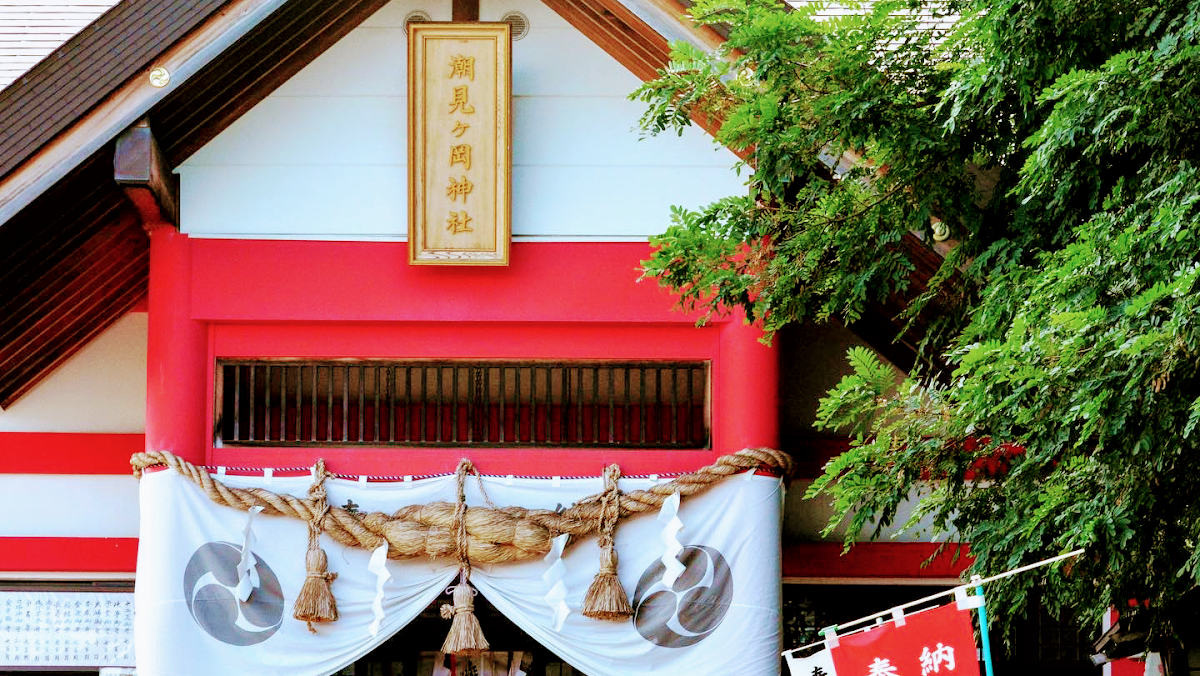
Shiomigaoka Shrine, located in Wakatake-cho, Otaru City, is a historic shrine with a history dating back to the Tenpo era, where several shrines were merged. Known for its colorful goshuin featuring the Four Gods, it is a valuable shrine that preserves the Matsumae Kagura, a nationally designated Important Intangible Cultural Property, and is revered by locals. This article comprehensively introduces information useful for visiting Shiomigaoka Shrine, including its detailed history, enshrined deities, blessings, goshuin information, types of prayers, annual events, and access methods.
Basic Information on Shiomigaoka Shrine
Shiomigaoka Shrine is located at 1-10 Wakatake-cho, Otaru City, Hokkaido, and is conveniently located within walking distance of JR Otaru Chikko Station. Currently holding the rank of a village shrine, it is one of the important shrines in Otaru City and is deeply rooted in the community.
Location: 1-10 Wakatake-cho, Otaru City, Hokkaido 047-0001
Shrine Rank: Village Shrine (Promoted November 21, 1946)
Nearest Station: Approximately 5 minutes on foot from JR Otaru Chikko Station
Parking: Available (Parking spaces available on the shrine grounds)
The shrine grounds are located on a hill, offering scenic views of Otaru Port and Ishikari Bay. The name “Shiomigaoka” (meaning “sea-viewing hill”) originates from this geographical feature.
Deities and Blessings of Shiomigaoka Shrine
Shiomigaoka Shrine enshrines many deities due to the history of several shrines being merged into one.
Main Deity
Ukemochi-no-kami
A goddess who presides over food and grains, she is believed to bring blessings of abundant harvests, business prosperity, and family safety. She is the central deity of this shrine, which is descended from Inari shrines.
Yaekotoshiro-nushi-no-kami
Known as the god of business prosperity, maritime safety, and protection of fisheries, and affectionately known as Ebisu-sama. Enshrined together around 1874-1875.
Ame-no-Kagoyama-no-Mikoto
Enshrined together on September 19, 1916, at the request of worshippers, this deity is considered the guardian deity of pioneering and industrial development.
Fujiwara-no-Miyoshi-no-Kami
The deity enshrined at Miyoshi Shrine in Akita Prefecture, worshipped as the god of strength and victory. Enshrined together with Ame-no-Kagoyama-no-Mikoto in 1916.
Benefits
At Shiomigaoka Shrine, you can receive the following benefits:
- Business prosperity and success
- Abundant harvests and family safety
- Maritime safety and protection of fisheries
- Protection from evil and good fortune
- Safe childbirth and protection of children
- Traffic safety and safety during construction
Detailed History and Origins of Shiomigaoka Shrine
The history of Shiomigaoka Shrine dates back to the late Edo period, specifically the Tenpo era. It is a shrine that tells the story of Otaru’s pioneering history, having been formed through the merger of multiple shrines.
From the Tenpo Era to the Early Meiji Era (Founding Period)
In 1842 (Tenpo 13), a shrine dedicated to Uke Mochi no Kami was founded in Matsutomari, Otaru City (present-day Wakatake-cho). This is the origin of Shiomigaoka Shrine. At that time, Otaru was beginning to prosper through fishing, primarily herring fishing, and it is evident that there was a strong devotion to Uke-mochi-no-kami, the god of food.
Around 1874-1875, Yaekotoshironushi-no-kami, who had been enshrined nearby, was merged with this shrine. The addition of Yaekotoshironushi-no-kami, also known as Ebisu, added blessings for business prosperity and maritime safety.
Bunkyu to Meiji Era (Merger of Two Shrines)
In 1863, a shrine dedicated to Uke-mochi-no-kami was established in Katsunai (present-day Katsunai-cho). This shrine also gained reverence as Otaru developed.
On December 27, 1910, the shrine in Wakatake-cho and the shrine in Katsunai were merged, and the shrine’s name was changed to Hotaru Inari Shrine, becoming an unranked shrine. This merger expanded the size and influence of the shrine.
Taisho Era (Renamed Development Period)
On September 19, 1916 (Taisho 5), at the request of worshippers, Amenokagoyama-no-Mikoto and Fujiwara Miyoshi-no-Kami were enshrined together. This made the shrine offer a wider range of blessings.
In 1917 (Taisho 6), a historically significant event occurred. The ship’s cabin used by the Crown Prince (later Emperor Taisho) during his harbor tour in August 1911 (Meiji 44) was bestowed upon the shrine. It was preserved in its original form as a memorial and named the Taisho Hall. This structure is a valuable cultural asset demonstrating the connection between the Imperial Family and the shrine.
In 1919 (Taisho 8), permission was granted to construct the main shrine building on government-owned land within the shrine grounds in Shiomidai-cho. Completion was reported on June 26th, and the shrine was relocated on July 4th. This marked the shrine’s relocation to its current location.
In October 1920 (Taisho 9), the Temiyazato Inari Shrine changed its name to Otaru Inari Shrine, which created a problem as “Hotaru” became homophonous with “Otaru.”
In April 1924 (Taisho 13), to resolve this issue, the shrine was renamed Shiomigaoka Shrine. This name derives from the geographical feature of the shrine being a hill overlooking the tide (sea).
Showa Era (Shrine Construction and Promotion to Village Shrine)
On November 28, 1943 (Showa 18), a new shrine building was constructed. It is noteworthy that the shrine was built through the faith of the local people, despite the difficult circumstances of wartime.
On November 21, 1946 (Showa 21), the shrine was promoted to a village shrine. This is proof that the shrine’s status has been recognized and that its importance in the region has increased.
Heisei and Reiwa Eras (Modern Era)
The current Shiomigaoka Shrine operates as a shrine that meets modern needs while preserving tradition. It contributes to the local community through diverse activities, including the transmission of Matsumae Kagura, a nationally designated Important Intangible Cultural Property, the granting of colorful Goshuin (shrine seals) depicting the Four Gods, and the performance of various prayers.
Transmission of Matsumae Kagura | Nationally Designated Important Intangible Cultural Property
One of the major characteristics of Shiomigaoka Shrine is its transmission of Matsumae Kagura. Matsumae Kagura is a Shinto ritual dance passed down in the Matsumae Domain of Hokkaido, and was designated a nationally designated Important Intangible Cultural Property in 2004.
What is Matsumae Kagura?
Matsumae Kagura is a Shinto ritual performing art that originated from the Kagura of the Kyoto Imperial Palace and Ise Grand Shrine, and underwent unique development in the Matsumae Domain during the Edo period. Characterized by elegant dance and ancient, refined music, it is a valuable intangible cultural asset that conveys the history and culture of Hokkaido.
Matsumae Kagura at Shiomigaoka Shrine
At Shiomigaoka Shrine, Matsumae Kagura is performed during important Shinto rituals such as the annual festival. The Kagura, performed in a solemn atmosphere, deeply moves worshippers. The preservation and transmission of Kagura is an important activity that protects the cultural identity of the region.
Goshuin (Shrine Seal) Information at Shiomigaoka Shrine
Shiomigaoka Shrine is popular for its Four Divine Beasts (Shijin) Goshuin. These colorful and artistic Goshuin are highly regarded among Goshuin collectors.
What are the Four Divine Beasts Goshuin (Shrine Seals)?
The Four Divine Beasts are guardian deities of the four directions originating from Chinese mythology, and refer to the following mythical creatures:
- Azure Dragon (Seiryu): The dragon god guarding the east
- Vermilion Bird (Suzaku): The bird god guarding the south
- White Tiger (Byakko): The tiger god guarding the west
- Black Tortoise (Genbu): The god of the turtle and snake guarding the north
At Shiomigaoka Shrine, we offer goshuin (shrine seals) stamped with motifs of these Four Divine Beasts. The colorful designs of each mythical creature are very popular as souvenirs of your visit.
Regarding the Issuance of Goshuin (Shrine Seals)
Issuance Hours: Usually 9:00 AM to 5:00 PM (may vary depending on the season and events)
Offering Fee: Usually around 300-500 yen
Pre-printed Goshuin Available: When the chief priest is absent, pre-printed goshuin will be issued.
When receiving a goshuin, please request it respectfully and with reverence for the shrine. It is proper etiquette to bring your goshuin book and request it at the shrine office after your visit.
Electronic Goshuin
Shiomigaoka Shrine is also working on electronic goshuin to keep up with the times. A service is available that allows you to obtain goshuin electronically through a smartphone app, accommodating modern worship styles.
Information on Prayers and Festivals
Shiomigaoka Shrine offers a variety of prayers and festivals to meet the needs of various life milestones and wishes.
Life Celebration Prayers
First Shrine Visit (100-Day Visit)
This is the first shrine visit performed around 100 days after a baby’s birth. Prayers are offered for healthy growth.
Shichi-Go-San Ceremony
This ceremony celebrates the growth of children at ages 3, 5, and 7, and prays for their future health and happiness. Reservations begin around September.
Safe Delivery Prayer (Dog Day)
This prayer is performed on the Dog Day during the fifth month of pregnancy. Prayers are offered for the health and safe delivery of both mother and child.
Exorcism (Protection from Misfortune)
This prayer is offered for protection from misfortune and for good fortune for those entering their unlucky year. It is recommended to visit during the year before, during, and after the unlucky year.
Prayers for Daily Life
- Family Safety: Prayers for the health and happiness of all family members
- Business Prosperity: Prayers for the development and prosperity of your business
- Traffic Safety (Vehicle Blessing): Prayers for safe driving of cars and motorcycles
- Maritime Safety: Prayers for safe navigation of ships and abundant catches
- Construction Safety: Prayers for the accident-free completion of construction work
On-site Ceremonies
Shiomigaoka Shrine also performs the following on-site ceremonies:
Groundbreaking Ceremony: Before construction begins, the gods of the land are appeased, and prayers are offered for the safety of the construction and the prosperity of the building.
Roof-Raising Ceremony: A ceremony held when the framework of a building is completed, praying for the safe completion of the building.
Completion Ceremony: A ceremony held when a building is completed, praying for the safety and prosperity of the building.
Purification Ceremony (Kiyoharai)
We perform purification ceremonies for ships, houses, shops, etc.
Shinto Wedding Ceremonies
Shiomigaoka Shrine also conducts traditional Shinto wedding ceremonies. You can have a wedding ceremony in a solemn atmosphere, following Japanese tradition.
Shinto Funeral Ceremonies
We also conduct Shinto funeral ceremonies. We provide respectful funeral rituals based on Shinto teachings.
How to Request Prayer
If you wish to request prayer, we recommend contacting us by phone in advance to reserve a date and time. While same-day registration is possible, it may overlap with other Shinto rituals or prayers, so reservations are recommended to ensure you receive a prayer.
Annual Events and Grand Festivals
Shiomigaoka Shrine holds various festivals and events throughout the year.
Main Annual Events
January
- New Year’s Day Festival (January 1st): Celebrating the New Year and praying for peace throughout the year.
- Dondo-yaki: Burning of New Year’s decorations and amulets.
February
- Setsubun Festival: Scattering beans to ward off evil and invite good fortune.
- Kinensai Festival: An important festival praying for a bountiful harvest.
Spring
- Spring Grand Festival: A festival celebrating the arrival of spring and expressing gratitude for divine blessings.
Summer
- Natsukoshi no Oharae (Summer Purification Ceremony): A Shinto ritual to cleanse away the sins and impurities accumulated over the past six months.
Autumn
- Grand Festival: The most important festival of the year. Matsumae Kagura performances are also held.
- Shichi-Go-San (7-5-3) ceremony registration begins (around September)
November
- Niiname-sai (Harvest Festival): A festival to give thanks for the harvest
December
- Toshikoshi no Oharae (Year-End Purification Ceremony): A Shinto ritual to purify oneself of the sins and impurities of the past year and prepare for the New Year.
The annual festival features Matsumae Kagura performances and a portable shrine procession, attracting many worshippers. It has become an important cultural event in the region.
Highlights of the Shrine Grounds
There are several points of interest within the grounds of Shiomigaoka Shrine that worshippers should pay attention to.
Main Hall and Worship Hall
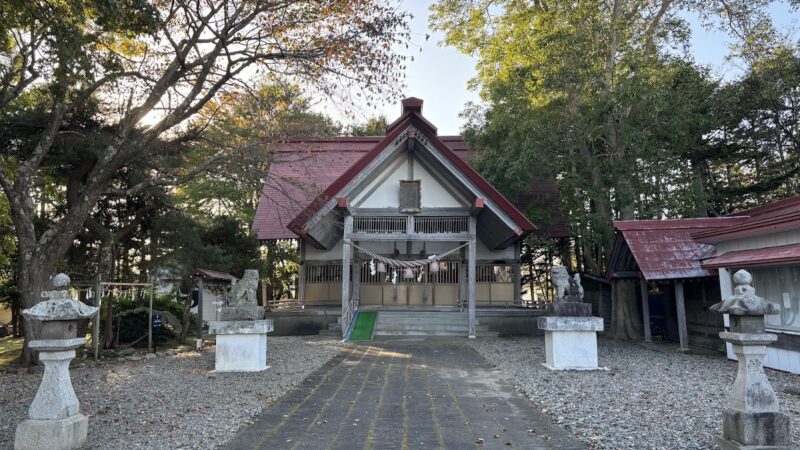
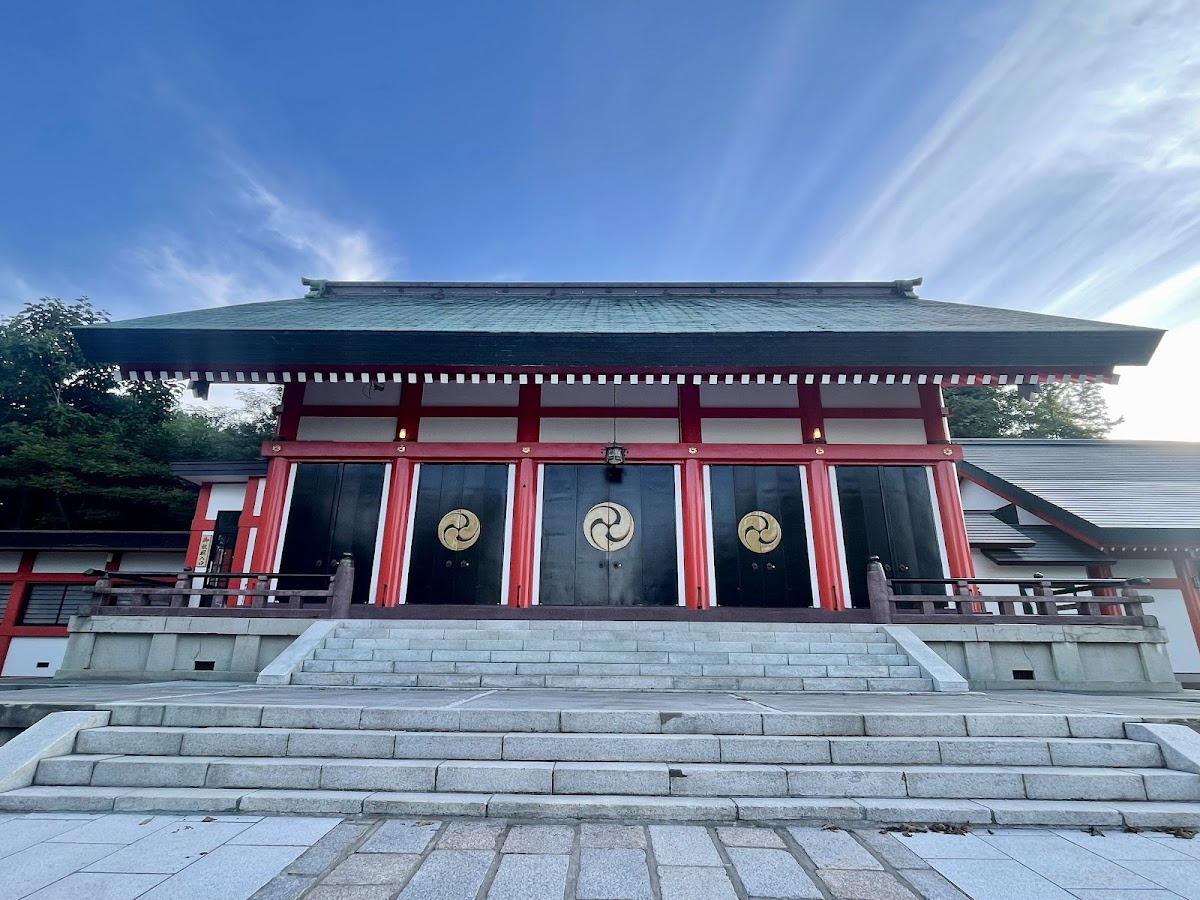
The shrine buildings, constructed in 1943, possess a traditional shrine architectural style and exude a solemn atmosphere. The carefully maintained shrine buildings speak to the deep faith of the local people.
Taisho-den
This building is a preserved structure that retains its original form, originally the ship used by the Crown Prince during his harbor tour in 1917 (Taisho 6). It is a valuable cultural asset demonstrating the historical connection between the Imperial Family and the shrine, and is carefully preserved within the shrine grounds.
View
Because the shrine grounds are located on a hill, you can enjoy views of Otaru Port and Ishikari Bay. On clear days, you can enjoy the beautiful sea view and truly appreciate the origin of the shrine’s name, “Shiomigaoka” (meaning “tide-viewing hill”).
Shrine Office
The office handles the issuance of Goshuin (shrine stamps), amulets, and requests for prayers. The chief priest and other shrine officials will provide courteous service.
Access and Parking Information
Shiomigaoka Shrine is easily accessible by both public transport and private car.
Access by Train
Get off at Otaru Chikko Station on the JR Hakodate Main Line, approximately 5 minutes on foot.
Otaru Chikko Station is one station closer to Sapporo than Otaru Station. The path from the station to the shrine is flat, and you can easily find your way by following the signs.
From Sapporo, it takes about 40 minutes by train such as the Rapid Airport. From Otaru city center, it’s one stop, about 3 minutes.
Access by Car
From Sapporo
Approximately 10 minutes from the Otaru IC on the Sapporo-Otaru Expressway
Take National Route 5 towards Otaru city center
From Otaru city center
Take National Route 5 towards Sapporo, turn at the Wakatake-cho intersection, and it’s about 2 minutes.
Parking
There is parking space on the shrine grounds. It is free to use, but since the number of spaces is limited, we recommend using public transportation during busy times such as the annual festival.
Nearby Tourist Attractions
The following tourist attractions are located near Shiomigaoka Shrine:
- Wing Bay Otaru: A large shopping mall (approximately 10 minutes on foot)
- Otaru Aquarium: A popular aquarium in Otaru (approximately 15 minutes by car)
- Otaru Canal: A symbol of Otaru tourism (approximately 10 minutes by car)
- Temiya Line Site: Historical railway remains (approximately 15 minutes on foot)
Visiting these tourist attractions before or after your visit to the shrine is recommended.
Manners and Etiquette for Visiting a Shrine
When visiting a shrine, it is important to observe basic manners.
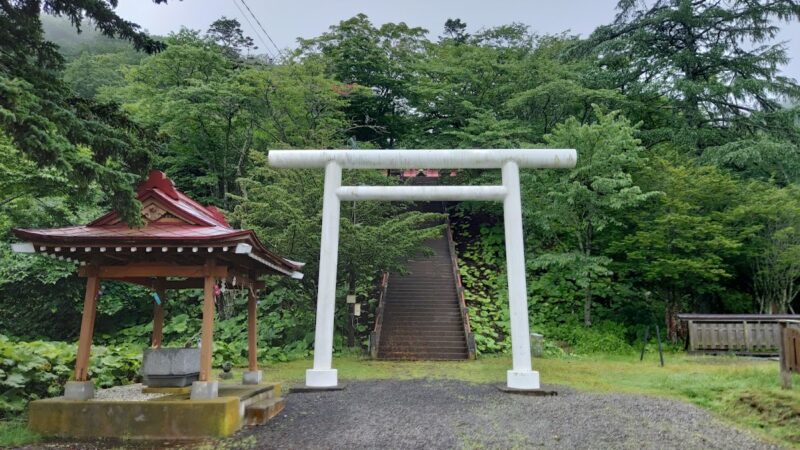
How to Pass Through the Torii Gate
The torii gate is the entrance to the sacred area. Bow before passing through. Since the center of the path is considered the path of the gods, it is polite to walk along the side.
How to Purify Yourself at the Water Basin
- Hold the ladle in your right hand and purify your left hand.
- Switch the ladle to your left hand and purify your right hand.
- Switch the ladle back to your right hand, receive water in your left hand, and rinse your mouth.
- Purify your left hand once more.
- Hold the ladle upright, purify the handle, and return it to its original place.
How to Worship at the Main Hall
- Stand in front of the offering box and bow slightly.
- Gently place your offering in the box.
- If there is a bell, ring it.
- Perform the two bows, two claps, one bow (two deep bows, two claps, one deep bow).
- Convey your wishes and feelings of gratitude silently.
Regarding Attire
Everyday clothes are acceptable, but please avoid revealing or overly flashy clothing. If you are receiving a prayer, formal attire is preferable.
Otaru City’s Shrine Culture and Shiomigaoka Shrine
Otaru City flourished as one of Hokkaido’s leading commercial cities from the Meiji era to the early Showa era. Diverse industries developed, including the prosperity of herring fishing, its function as a coal shipping port, and its role as a financial center.
Amidst this historical background, many shrines were built in Otaru. Shiomigaoka Shrine is one of them, attracting the faith of fishermen and merchants.
Dedicated to Uke-mochi-no-kami and Yae-kotoshironushi-no-kami, this shrine has been a spiritual haven for people praying for the blessings of food and the prosperity of business. Furthermore, the history of multiple shrines being merged reflects the development and transformation of Otaru.
Even today, it continues to be a shrine deeply rooted in the lives of the local people, responding to life’s milestone rituals and daily prayers.
Amulets and Souvenirs
Shiomigaoka Shrine offers a variety of amulets and souvenirs.
Main Amulets
- Good Fortune Amulet: An amulet for wishing for overall good fortune.
- Business Prosperity Amulet: An amulet for wishing for business prosperity.
- Traffic Safety Amulet: An amulet for wishing for safety in cars and bicycles.
- Safe Childbirth Amulet: An amulet for wishing for safe childbirth and the health of mother and child.
- Academic Success Amulet: An amulet for wishing for academic improvement.
- Matchmaking Amulet: An amulet for wishing for a good match.
- Exorcism Amulet: An amulet for wishing for protection from misfortune during unlucky years.
Other Items Offered
- Shinto Talismans (Ofuda)
- Hama-ya (Demon-Repelling Arrow)
- Kumade (Business Prosperity Rake)
- Ema (Votive Tablet)
- Omikuji (Fortune Slip)
It is customary to replace amulets with new ones approximately every year, and to return old amulets to the shrine for burning.
Frequently Asked Questions (FAQ)
Are there set visiting hours?
While you are generally free to visit the shrine grounds, the shrine office is usually open from 9:00 AM to 5:00 PM. If you wish to receive a Goshuin (shrine stamp), amulet, or prayer, we recommend visiting within these hours.
Can I receive a prayer without a reservation?
While same-day registration is possible, we recommend making a reservation by phone in advance, as it may overlap with Shinto rituals or other prayers. Especially during the Shichi-Go-San season and New Year’s period, congestion is expected.
Is parking free?
Yes, parking on the shrine grounds is free. However, there is a limited number of spaces, so it may be full during busy times.
Can I bring my pet to the shrine?
Generally, yes, but consideration for other visitors is necessary. Please keep your pet on a leash and be sure to clean up after them. Please refrain from bringing pets into the shrine buildings.
Are Goshuin only available as pre-printed stamps?
Normally, the goshuin (stamp) is written directly into your goshuincho (stamp book), but when the priest is absent or during busy periods, a pre-written stamp may be provided. If you definitely want a stamp written directly, we recommend contacting the shrine in advance to confirm.
Can I get all types of the Four Gods goshuin?
Generally, only one type of Four Gods goshuin is given per visit. If you wish to collect all types, you will need to visit multiple times. The types given may change depending on the season and time of year, so please inquire with the shrine for details.
Summary
Shiomigaoka Shrine has a history dating back to the Tenpo era and is a venerable shrine that has grown alongside the development of Otaru. It enshrines a diverse group of deities—Ukemochi-no-kami, Yaekotoshironushi-no-kami, Amenokagoyama-no-mikoto, and Fujiwara-no-Miyoshi-no-kami—and offers a wide range of blessings, including business prosperity, maritime safety, and family safety.
Our shrine, which preserves the Matsumae Kagura, a nationally important intangible cultural property, and is popular for its colorful Four Gods goshuin, is rooted in the community as a shrine that preserves tradition while meeting modern needs. Located just a 5-minute walk from JR Otaru Chikko Station, and with ample parking available, Shiomigaoka Shrine is easily accessible. When visiting Otaru, be sure to stop by and enjoy the historical atmosphere and beautiful views of the shrine.
The shrine offers a variety of prayers, from life’s milestone ceremonies to daily prayers, and serves as a spiritual haven for the local community. When you visit Otaru, why not take some time to quietly pray at this historic and traditional Shiomigaoka Shrine?