Inari Shrine (Takashima, Otaru City, Hokkaido) Complete Guide | History, Goshuin (Shrine Seal), and Access Information
The Inari Shrine (Takashima Inari Shrine), nestled on a hill in the Takashima district of Otaru City, is known as one of the oldest shrines in Hokkaido. Since its founding in 1690 (Genroku 3), it has attracted the faith of local people for over 300 years. This article provides a detailed introduction to this historic shrine, including its history, enshrined deities, goshuin information, access methods, and nearby attractions.
Basic Information on Inari Shrine (Takashima Inari Shrine)
Official Name: Inari Shrine (commonly known as Takashima Inari Shrine)
Location: 3-14-1 Takashima, Otaru City, Hokkaido 047-0048
Deity Enshrined: Ukanomitama-no-kami
Founded: Genroku 3 (1690)
Shrine Rank: Former Village Shrine
Corporate Number: 4430005007910
The Takashima area is located between Shukutsu and Temiya, and is a historical area that once prospered from herring fishing. Inari Shrine is situated in a superb location overlooking the sea of Otaru from a hilltop.
History and Origins of Inari Shrine
Founding in the Edo Period
The founding of Inari Shrine dates back to Genroku 3 (1690). During this period, the expansion of Japanese settlements by the Matsumae Domain into Hokkaido was intensifying, and a fishing community centered on herring fishing was forming in the Takashima area (then known as Shikuzushi-basho and Takashima-basho).
In the first half of the 18th century, it flourished as a base for herring fishing, and fishermen and merchants devoutly worshipped Inari Shrine as the guardian deity of maritime safety and business prosperity. While many shrines in Hokkaido were founded during the Meiji era and subsequent pioneering period, Inari Shrine was founded relatively early, in the mid-Edo period, making it a valuable historical site in Hokkaido.
Reconstruction in the Late Edo Period
It is said that the shrine was rebuilt at its current location in Kyowa 2 (1802). Furthermore, records indicate that the shrine building was renovated in 1803 (Kyowa 3), suggesting that improvements to the shrine’s facilities were made during this period.
Another renovation of the shrine building took place in 1856 (Ansei 3), confirming that it remained a center of local faith even during the late Edo period.
Development during the Meiji and Taisho Periods
In 1875 (Meiji 8), Inari Shrine was designated a village shrine. This signified its formal recognition within the modern shrine system, indicating that its importance in the region was officially acknowledged.
In 1898 (Meiji 31), five buildings, including the main shrine building, were renovated, further enhancing the shrine’s appearance.
In 1904 (Meiji 37), permission was granted to increase the shrine grounds, expanding the shrine’s size. Finally, in 1916 (Taisho 5), the main shrine building was renovated, laying the foundation for the shrine as it exists today.
Thus, from the Meiji to the Taisho period, Inari shrines were gradually developed and expanded, strengthening their role as spiritual pillars of local communities.
Deities and Divine Virtues
The deity enshrined at Inari shrines is Ukanomitama-no-kami.
Ukanomitama-no-kami is a god of grain and food appearing in Japanese mythology, and is the principal deity worshipped at Inari shrines throughout Japan. “Uka” means grain and food, and the deity is widely worshipped as a god of abundant harvests, business prosperity, and industrial development.
Main Divine Blessings
- Abundant Harvest: Prayers for bountiful harvests in agriculture and fishing.
- Business Prosperity: Success and prosperity in business.
- Maritime Safety: Prayers for the safety of those involved in fishing.
- Family Safety: Health and peace for the family.
- Industrial Prosperity: Development of local industries.
Because the Takashima area has a history of prosperity from herring fishing, Inari Shrine has been particularly revered by those involved in fishing, and has played an important role as a shrine for praying for maritime safety and abundant catches.
Highlights of the Shrine Grounds
Shrine Building
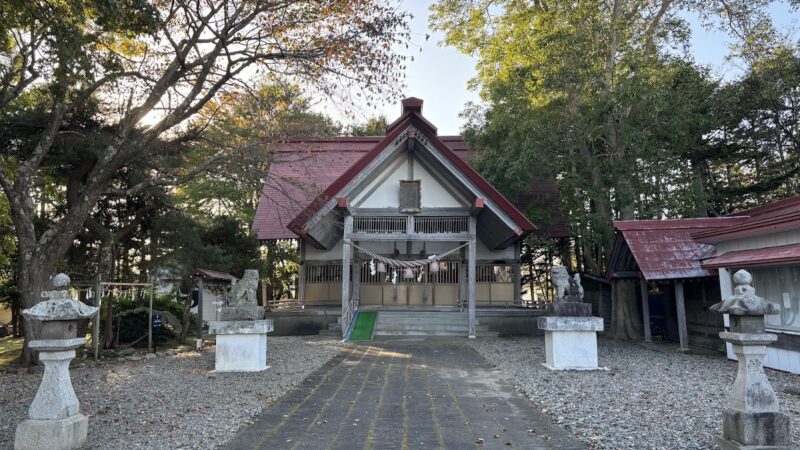
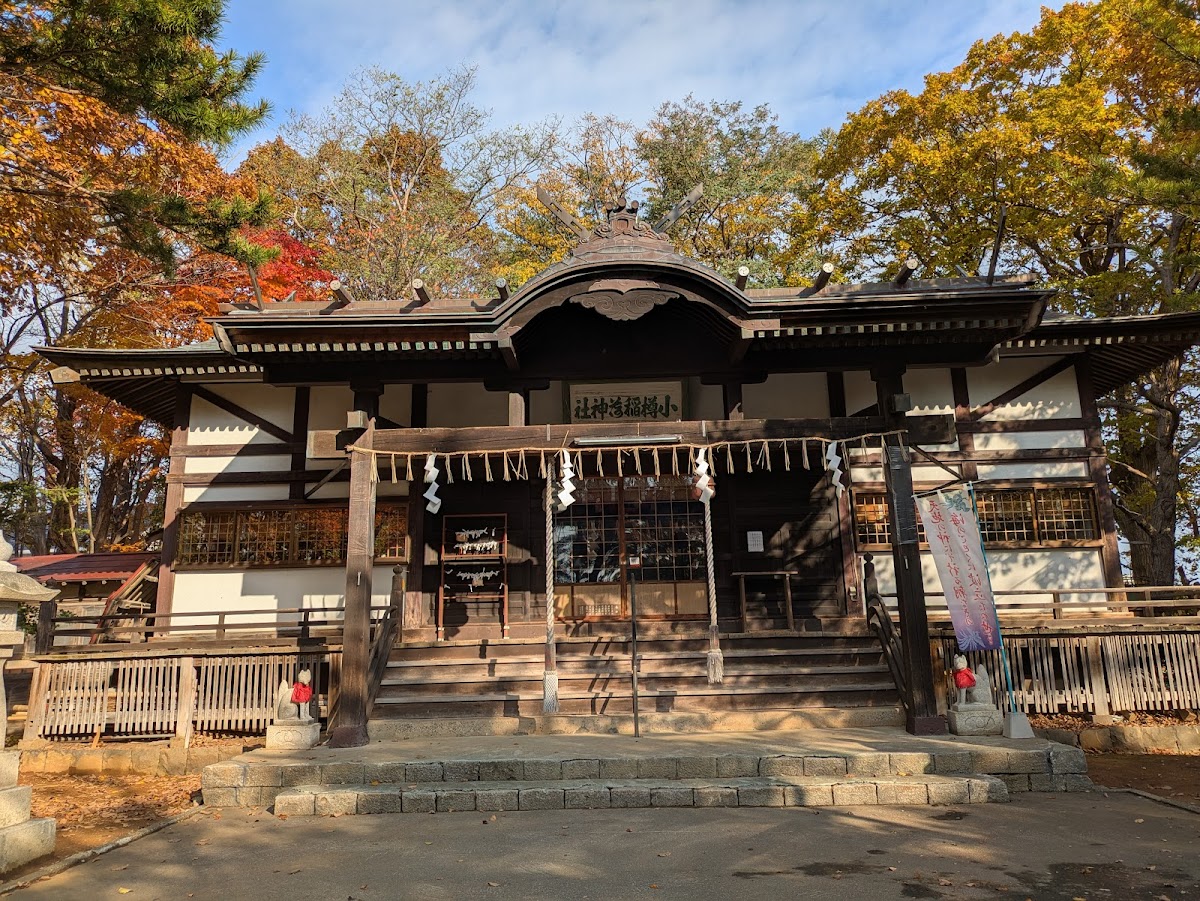
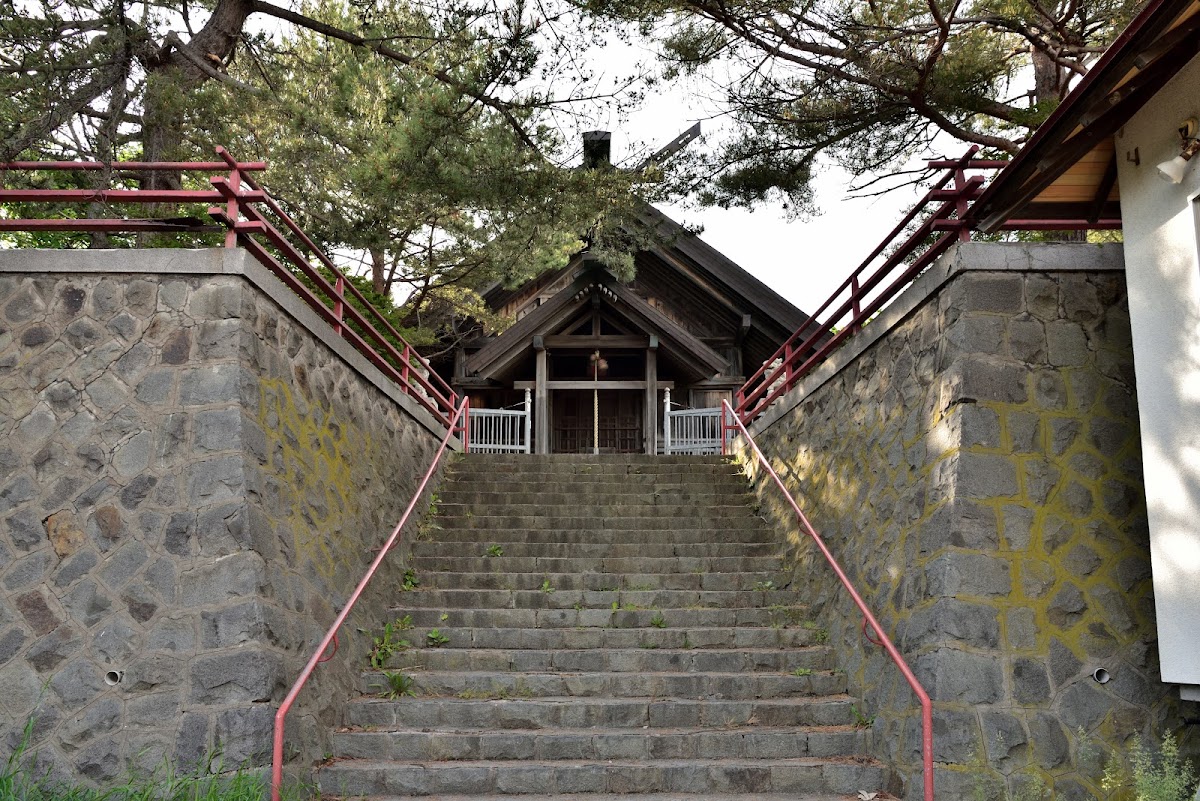
The shrine building, built on a hill, boasts a spectacular location overlooking the sea of Otaru. Rebuilt in 1916 (Taisho 5), the shrine building has withstood Hokkaido’s harsh climate and has a history of over 100 years.
Torii Gate and Approach
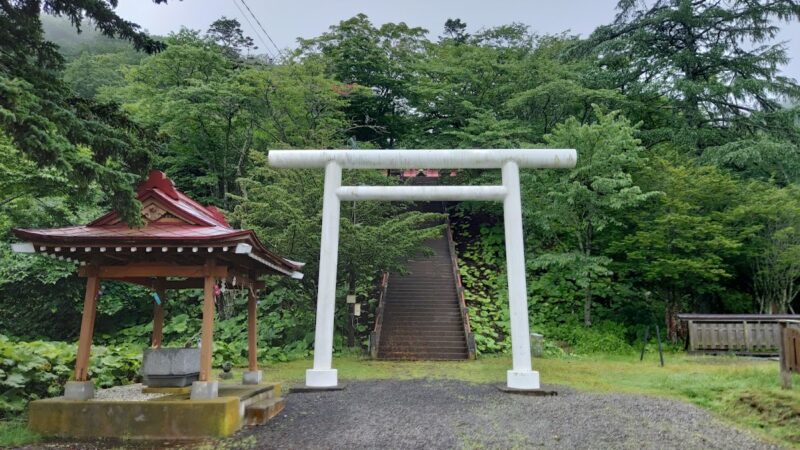
The approach to the shrine is a sloping path leading up from the residential area of Takashima district to a hilltop, creating a charming atmosphere that evokes the region’s history. Passing through the torii gate and proceeding along the quiet approach, you enter a sacred space far removed from the hustle and bustle of the city.
View
From the shrine grounds, you can enjoy a panoramic view of Otaru’s sea and city. The opportunity to worship while gazing at the sea of Takashima, once bustling with herring fishing, is a unique charm of this shrine. Especially on clear days, the beautiful scenery of Ishikari Bay unfolds, captivating visitors.
Goshuin (Shrine Seal) Information
You can receive a goshuin at Inari Shrine.
Features of the Goshuin
The goshuin features the shrine’s name written in ink and stamped with the shrine’s seal. As proof of Hokkaido’s historic shrine, it’s a must-have memento of your visit.
Regarding the Issuance of Goshuin (Shrine Seals)
When requesting a Goshuin, it is recommended to contact the shrine in advance or visit during the shrine office’s opening hours. Since there may not always be a resident priest, it is advisable to check beforehand if you are certain you will receive a Goshuin.
In recent years, electronic Goshuin services have become available in some places, allowing you to obtain a digital Goshuin on your smartphone.
Regarding Goshuincho (Shrine Seal Books)
If you do not have a Goshuincho, it is recommended to prepare one in advance. Bringing your own original Goshuincho will deepen your travel memories, especially if you plan to visit other shrines in Otaru.
Annual Events and the Grand Festival
Takashima Inari Shrine Grand Festival
The Grand Festival, held annually in early July, is an important annual event in the Takashima area. Local residents gather together for the portable shrine procession and festival ceremonies.
During the annual festival:
- Mikoshi procession
- Dedication ceremonies
- Festivals by local residents
These events transform the normally quiet shrine into a vibrant and lively spectacle.
Takashima Summer Fireworks Festival
In mid-August, the Takashima Summer Fireworks Festival is held in the Takashima area. This large-scale fireworks display, featuring approximately 3,000 fireworks—the most in Otaru—lights up the night sky, attracting many tourists and locals to the Takashima area where the Inari Shrine is located.
The fireworks display takes place around Takashima Fishing Port, offering an excellent vantage point for viewing the fireworks from the shrine.
Access Information
Location
14-1, Takashima 3-chome, Otaru City, Hokkaido 047-0048
Access by Public Transportation
From JR Otaru Station:
- Approximately 36 minutes on foot (approx. 2.9 km)
- By Bus: Get off at the Chuo Bus “Takashima 3-chome” bus stop, approximately 5 minutes on foot
Since it is a distance from Otaru Station, using the bus is convenient. Take a Chuo Bus bound for Takashima and get off at “Takashima 3-chome”; the shrine is within walking distance.
Access by Car
From the center of Otaru City, proceed along National Route 5 towards Sapporo and head to the Takashima area. There is limited parking space around the shrine.
When using a car navigation system, please search by the address “14-1, Takashima 3-chome, Otaru City, Hokkaido” or by phone number.
Location relative to other nearby shrines
- Otaru Inari Shrine: Approximately 16 minutes on foot (approx. 1.2 km)
There are several Inari shrines in Otaru City, and they can sometimes be confused. However, Takashima Inari Shrine is located in the Takashima area, while Otaru Inari Shrine is located in a different place. Visiting both shrines is recommended if you are collecting Goshuin (shrine stamps).
Nearby Tourist Attractions
Shukutsu Panorama Observatory
Located about 10 minutes by car from Takashima Inari Shrine, the Shukutsu Panorama Observatory offers a spectacular view of Otaru’s coastline. From a hill approximately 70 meters above sea level, you can see Ishikari Bay, the Shakotan Peninsula, and the city of Otaru.
Otaru Aquarium
Located in the Shukutsu area, the Otaru Aquarium is one of Hokkaido’s leading aquariums. With dolphin and seal shows and exhibits of Hokkaido’s marine life, it’s a popular tourist spot for families.
Temiya Cave
The Temiya Cave, a nationally designated historical site, is a valuable archaeological site containing carvings from the Jomon period, approximately 1,600 years ago. The images carved into the rock face by ancient people are important cultural assets that tell the story of Hokkaido’s history.
Otaru Canal
The Otaru Canal, a classic Otaru tourist spot, is about a 15-minute drive from the Takashima district. A stroll along the canal, lined with retro warehouses, offers a taste of Otaru’s unique atmosphere.
History and Culture of the Takashima District
The Takashima district is a historic area that flourished as a herring fishing base from the Edo period. In the first half of the 18th century, the Shikuzushi trading post (Takashima trading post) was established, functioning as a trading base for the Matsumae Domain.
Golden Age of Herring Fishing
From the Meiji to Taisho periods, the Takashima district experienced a golden age of herring fishing. Luxurious fishing huts known as “herring palaces” lined the streets, and in spring, the area was bustling with such abundant herring catches that the sea turned white with swarms.
The Inari Shrine played a vital role as the center of faith for the people of this prosperous fishing community, praying for maritime safety and bountiful catches.
Modern Takashima District
After the decline of herring fishing, the Takashima district became a quiet residential area. However, through its historical buildings, shrines, and festivals, it still conveys traces of its former prosperity. The Inari Shrine, symbolizing the history and culture of the region, remains a spiritual anchor for the local residents.
Manners and Points for Visiting a Shrine
Basic Worship Etiquette
- When passing through the torii gate: Bow before entering the shrine grounds.
- Purification at the water basin: Purify your left hand, right hand, and mouth in that order.
- Worship at the main hall: Two bows, two claps, and one bow are the basic rituals.
- Behavior within the shrine grounds: Be quiet and respectful.
Best Time to Visit
Inari shrines are open year-round, but the best times to visit are:
- Spring (April-June): Season of fresh greenery and mild weather.
- Summer (July): Time of the annual festival, allowing you to experience local festivities.
- Autumn (September-October): Beautiful autumn leaves, crisp air, and ocean views.
- New Year’s Visit (January): Many worshippers visit to offer prayers for the New Year.
During the winter months (November to March), there is snow cover and the ground can be slippery, so we recommend wearing warm clothing and non-slip shoes when visiting.
Differences from other Inari shrines in Otaru
There are several Inari shrines in Otaru.
Otaru Inari Shrine
Otaru Inari Shrine, located in a different part of Otaru, is also said to have been founded in 1690 (Genroku 3), sharing a history with Takashima Inari Shrine. Both shrines are registered with the Hokkaido Shrine Association and each has its own unique history and characteristics.
Otaru Inari Shrine is known for its annual festival, which is lively with mochi (rice cake) throwing and portable shrine processions, and its location at the top of a steep slope is also distinctive.
Unique Characteristics of Each Shrine
- Takashima Inari Shrine: Located on a hill in the Takashima area, overlooking the sea, and deeply connected to the history of herring fishing.
- Otaru Inari Shrine: Located closer to the city center, with unique festival events such as mochi-throwing.
Both shrines are indispensable when discussing the history of Otaru. If time permits, visiting both shrines will allow you to gain a deeper understanding of Otaru’s diverse history and culture.
Points to Note When Visiting Inari Shrines
Clothing and Items to Bring
- Comfortable Clothing: Since you will be moving uphill, comfortable shoes and clothing are recommended.
- Seasonal Equipment: Sun protection in summer, warm clothing and non-slip shoes in winter.
- Camera: For photographing the views from the shrine grounds and the shrine buildings.
- Goshuincho (Shrine Stamp Book): Bring one if you wish to receive a Goshuin (shrine stamp).
Visiting Hours
Shrines are generally open for daytime visits, but the shrine office is not always open. If you wish to receive a Goshuin (temple/shrine stamp) or prayer, we recommend checking in advance.
Consideration for the Community
Since the Takashima area is also a residential area, when visiting the shrine, please:
- Refrain from loud conversations
- Do not trespass on private property
- Always take your trash with you
- Avoid parking on the street
Please remember to be considerate of the local residents.
Summary: Inari Shrine that Conveys Hokkaido’s History
The Inari Shrine (Takashima Inari Shrine), located in Takashima, Otaru City, is an extremely old shrine in Hokkaido, founded in 1690 (Genroku 3). As a spiritual pillar of the Takashima area, which prospered from herring fishing, it has attracted the faith of local people for over 300 years.
With its grounds overlooking the sea of Otaru from a hilltop, its shrine buildings renovated during the Meiji and Taisho periods, and its annual festival that continues to this day, the Inari Shrine encapsulates the history and culture of Hokkaido.
When sightseeing in Otaru, why not venture a little further than the canal and city center and visit the Inari Shrine in the Takashima district? The time spent reflecting on history in the tranquil shrine grounds and enjoying the beautiful ocean view will surely create lasting memories.
By receiving a Goshuin (shrine stamp) and visiting the surrounding tourist spots, you can experience the diverse charms of Otaru even more deeply. Please do visit the Inari Shrine, which conveys the history of Hokkaido to the present day.