Complete Guide to Niki Shrine | The Guardian Deity of Niki Town, Hokkaido, Affectionately Known as the “Wine Shrine”
Niki Shrine, located in Niki Town, Yoichi District, Hokkaido, is a historic shrine that has walked hand in hand with the pioneering settlers of the Meiji era. In recent years, it has become affectionately known as the “Wine Shrine” and is beloved by the local people as the guardian deity of Niki Town, where fruit cultivation is thriving. This article provides a detailed introduction to Niki Shrine, including its history, enshrined deities, access methods, annual events such as the Grand Festival, and nearby attractions.
What is Niki Shrine? | A Shrine that Conveys the History of Hokkaido’s Development
Niki Shrine is located in 1-chome, Ooe, Niki Town, Yoichi District, Hokkaido, and belongs to the Hokkaido Shrine Association. Founded in 1879 (Meiji 12) with the arrival of pioneering settlers, it has been a center of faith for the local people for over 140 years.
Overview of Niki Town and the Role of the Shrine
Niki Town is located midway between Sapporo and Otaru, and is known as a region where fruit cultivation thrives. It is particularly famous for its specialty products such as cherries, apples, and grapes, and in recent years, wine production has also become popular. Niki Shrine is situated in the heart of this fruit-growing region and plays an important role as the guardian deity of agriculture.
History of Niki Shrine | Along with the Tokushima Domain’s Settlement Immigrants
Founded in 1879
The history of Niki Shrine dates back to 1879 (Meiji 12). When Niki Takekichi, a former retainer of the Tokushima Domain, led 117 settler families to what is now Niki Town, he enshrined the guardian deity of their homeland, marking the beginning of the shrine.
Even in Hokkaido, far from Tokushima, the settlers sought the protection of their homeland’s gods. Three shrines—Hachiman Shrine, Gion Shrine, and Jijin Shrine—were established in each region to pray for the success of the pioneering efforts and the safety of the settlers.
The Hardships of the Pioneering Era and the Role of Shrines
The pioneering of Hokkaido was extremely difficult. The harsh cold, undeveloped land, and unfamiliar agriculture were all challenges. In these circumstances, shrines became a spiritual anchor for the immigrants. As a place to express gratitude for the harvest, pray for a bountiful harvest, and strengthen community bonds, Niki Shrine played a central role in Niki Town during the pioneering era.
The Development and Integration of the Shrine
Initially, the three shrines were dispersed in different regions, but over time they were integrated into the current Niki Shrine. It has been preserved and maintained by the descendants of the pioneering immigrants, and the faith has been passed down to this day.
Deities Enshrined at Niki Shrine
Several deities are enshrined at Niki Shrine. The main deity enshrined here is Amaterasu Omikami, revered as the supreme deity of Japan.
Amaterasu Omikami
Amaterasu Omikami, the goddess of the sun and considered the ancestral deity of the Imperial family, is especially important to those engaged in agriculture as the god who brings the blessings of the sun, the source of life. In Niki Town, where fruit cultivation is thriving, the blessings of the sun are indispensable, and faith in Amaterasu Omikami holds profound significance.
Other Deities
The deities of Hachiman Shrine, Gion Shrine, and Jijin Shrine, which were enshrined at the time of the shrine’s founding, are also worshipped here. Hachiman is the god of military fortune and agriculture, the god of Gion Shrine is the god of protection against epidemics, and Jijin is the god of the earth and agriculture. Each of them protects the development of Niki Town and the peace and security of its residents.
Niki Shrine as a Wine Shrine
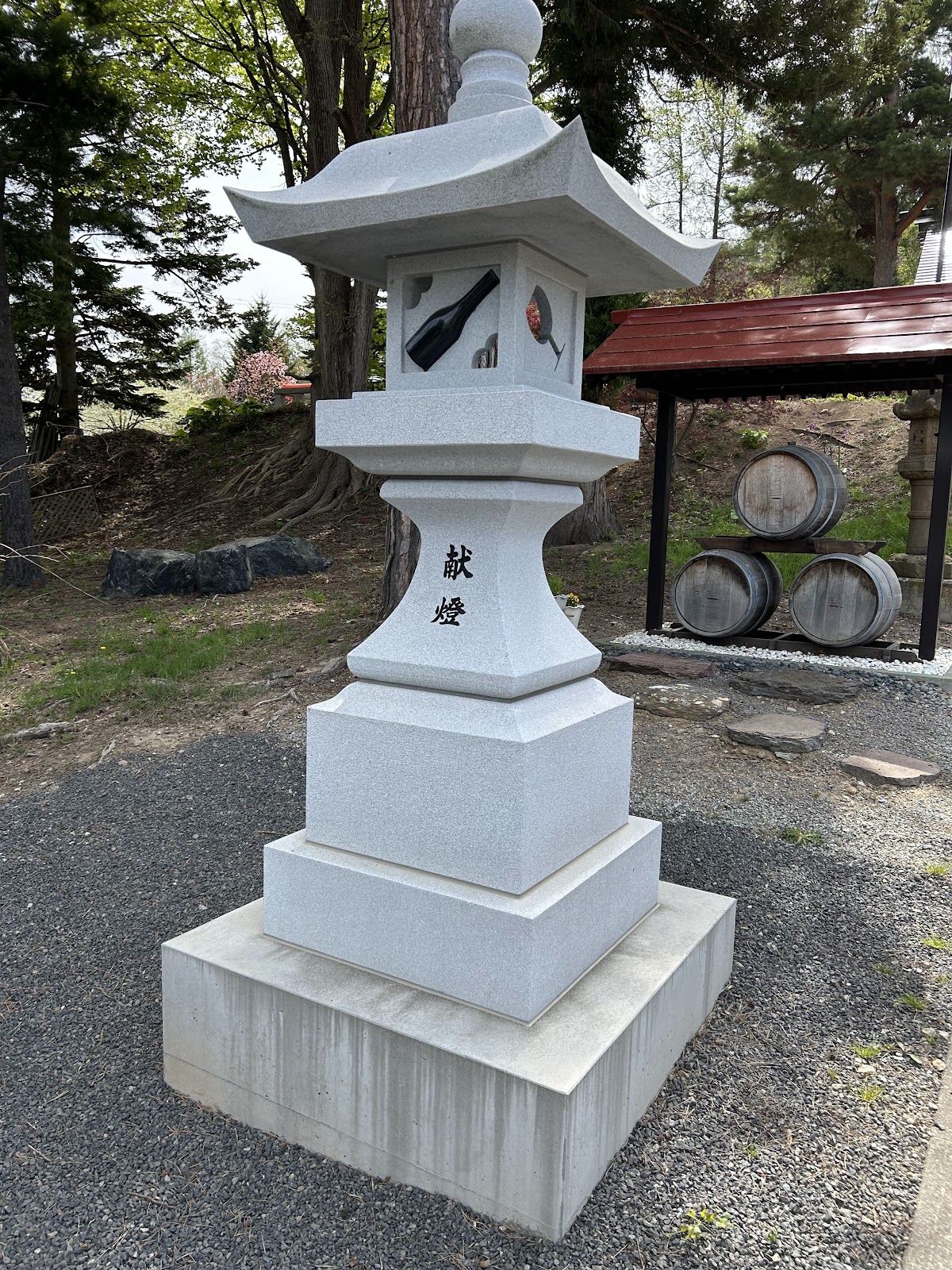
In recent years, Niki Shrine has become affectionately known as the “Wine Shrine.” This stems from Niki Town’s focus on cultivating wine grapes and winemaking.
Niki Town and the Wine Industry
Hokkaido is a region where wine production thrives, and the Yoichi-Niki area, in particular, has a cool climate suitable for cultivating wine grapes. Niki Town has several wineries producing high-quality wines.
The Charm of the Wine Shrine
Many wineries are scattered around Niki Shrine, and tourist routes combining winery tours and shrine visits are gaining popularity. Some producers pray for success in winemaking or offer thanks for their harvest.
While the name “Wine Shrine” is not official, it has become an effective nickname for promoting the shrine’s appeal along with Niki Town’s local products.
Access | How to Get to Niki Shrine
Access by Train
Approximately 10-15 minutes on foot from JR Hakodate Main Line “Niki Station”. The path from the station to the shrine is relatively flat, allowing you to enjoy the scenery of Niki town as you walk.
Access by Bus
Take the Chuo Bus or Niseko Bus and get off at the “Niki Town Hall” bus stop. It’s about a 15-minute walk from there. Locals are happy to give you directions from the bus stop to the shrine.
Access by Car
The shrine is easily accessible by car, about a 4-minute drive from the Niki Interchange on the Sapporo-Otaru Expressway. It’s about an hour from Sapporo city center and about 30 minutes from Otaru city center. There is parking available around the shrine, but it may be crowded during events such as the annual festival.
Location
1-chome, Ooe, Niki-cho, Yoichi-gun, Hokkaido 048-2405
Niki Shrine Annual Festival | An Important Autumn Festival
The most important annual event at Niki Shrine is the annual festival held every autumn. This festival is a traditional ceremony praying for a bountiful harvest and the peace of the people, and attracts many worshippers. ### Characteristics of the Grand Festival
At the Grand Festival, the “Matsumae Kagura,” a traditional dance passed down since the Edo period and designated as a National Important Intangible Folk Cultural Property, is performed. Matsumae Kagura is a form of sacred dance originating in southern Hokkaido, where solemn dances and gagaku (ancient Japanese court music) resonate throughout the shrine grounds.
What is Matsumae Kagura?
Matsumae Kagura is a traditional performing art originating from Kyoto’s Kagura, which developed uniquely in Hokkaido during the Matsumae Domain era. As a sacred dance to appease the gods and pray for a bountiful harvest and peace, it is passed down in shrines throughout Hokkaido. The Matsumae Kagura seen at the Niki Shrine Grand Festival is a valuable cultural heritage that has continued since the pioneering era.
Strengthening Community Bonds
The Grand Festival is not only a religious event but also an important opportunity for the local community to come together. The procession of the portable shrine, the stalls, and interactions with local people all contribute to a stronger sense of unity in Niki Town.
Niki Shrine Grounds and Highlights
Atmosphere of the Shrine and Grounds
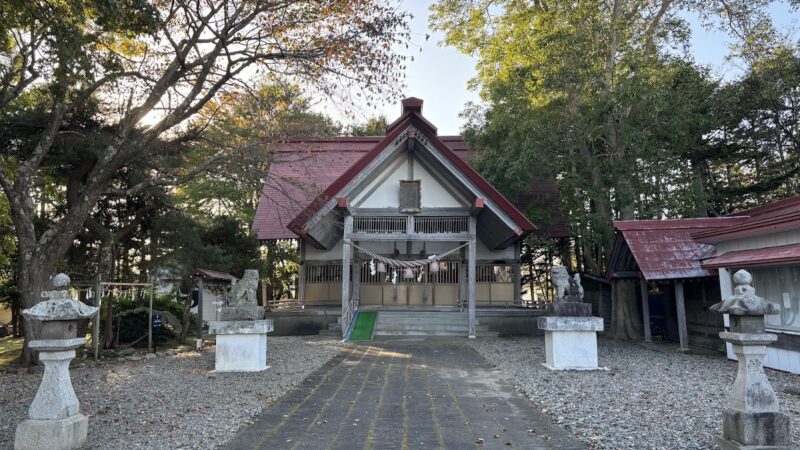
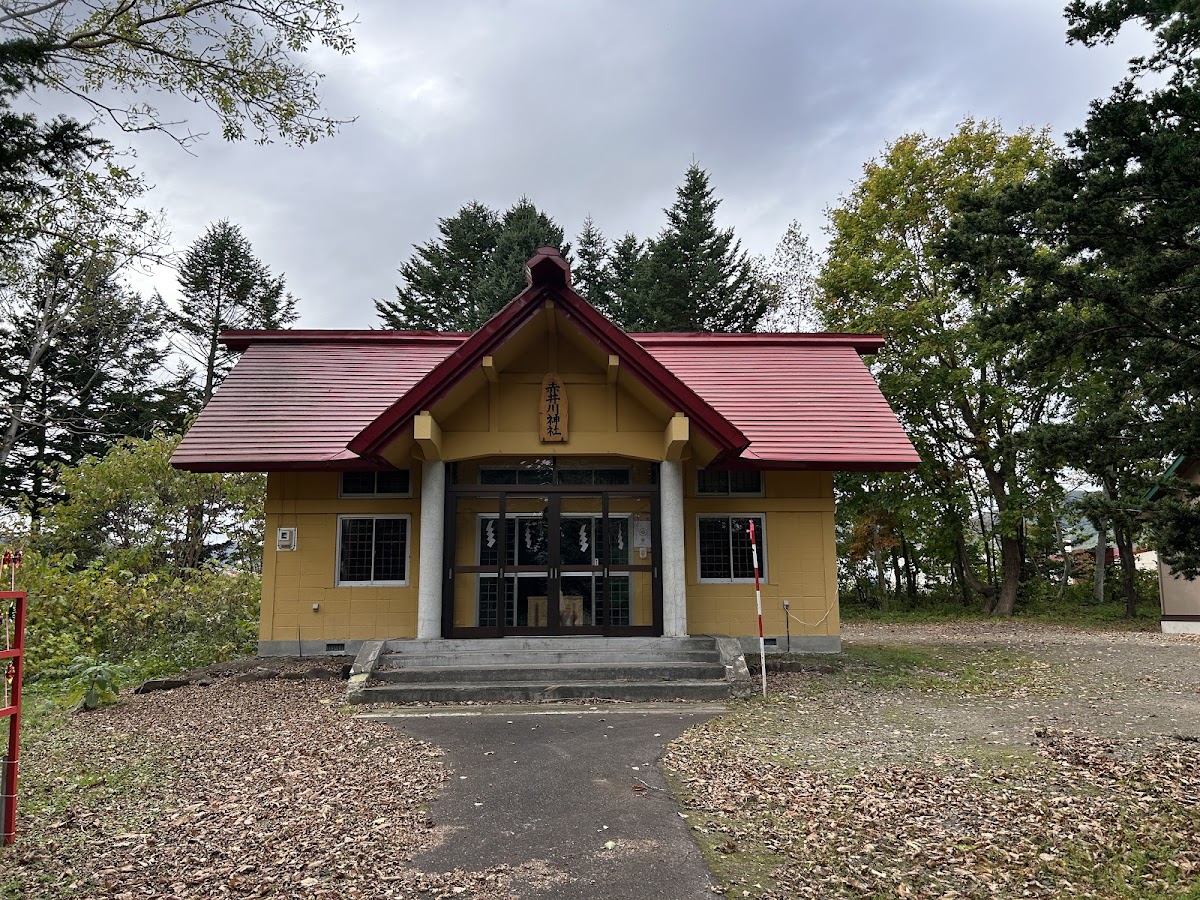
Niki Shrine’s grounds are situated in a quiet environment surrounded by orchards. The shrine building, while simple, is majestic, typical of Hokkaido shrines, evoking the history of the pioneering era.
Seasonal Appearances
In spring, cherry blossoms bloom; in summer, lush green trees cover the grounds. Autumn brings beautiful autumn foliage, and in winter, the area becomes a tranquil space covered in snow. Especially from spring to autumn, the surrounding orchards are in full bloom, offering the pleasure of visiting the shrine alongside the blossoms and ripening fruit trees.
Etiquette for Worship
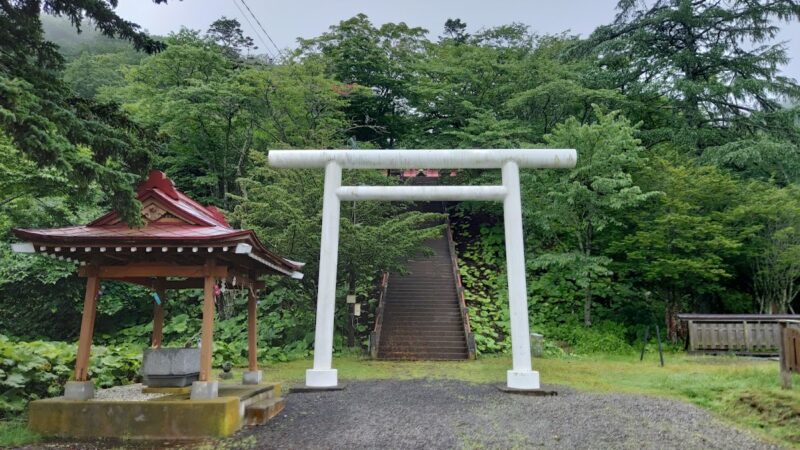
Follow the general etiquette for visiting a shrine. Bow before passing through the torii gate, purify your hands and mouth at the water basin, and pray in front of the main hall with two bows, two claps, and one bow.
Tourist Attractions Around Niki Shrine
Winery Tours
After visiting Niki Shrine, be sure to visit the nearby wineries. Niki Town and the neighboring Yoichi Town are home to numerous wineries. Many facilities offer wine tastings and tours, allowing visitors to fully experience the charm of Hokkaido wine.
Fruit Picking Experience
Niki Town is also known as a “fruit village,” cultivating a variety of fruits including cherries, apples, grapes, and plums. Numerous tourist farms offer seasonal fruit picking, making it popular with families.
Niki Town’s Local Products
At Niki Town’s roadside stations and direct sales outlets, you can purchase local specialties such as fresh fruits, wine, juice, and jam. Local delicacies make great souvenirs to commemorate your visit to the shrine.
Sightseeing in Otaru and Yoichi
Niki Town is located between Otaru City and Yoichi Town, making it easy to combine your trip with these destinations. It offers excellent access to some of Hokkaido’s most famous tourist spots, such as the Otaru Canal and the Yoichi Whisky Distillery.
Other Shrines in Niki Town
Besides Niki Shrine, Niki Town has several other small shrines and altars. These are deities worshipped in each settlement during the pioneering era and are still carefully preserved by the local people. For those who want to learn more about Niki Town, visiting these smaller shrines would be an interesting experience.
Annual Events at Niki Shrine
New Year’s Festival
On January 1st, the New Year’s Festival is held to pray for peace and a bountiful harvest in the new year. It is bustling with local people visiting for their first shrine visit of the year.
Spring Festival
In spring, before the start of farming work, the Spring Festival is held to pray for a good harvest. This is a particularly important festival in Niki Town, where fruit cultivation is thriving.
Autumn Grand Festival
As mentioned above, the Autumn Grand Festival is the most important annual event at Niki Shrine. It is a time for giving thanks for the harvest and for the dedication of Matsumae Kagura (a type of Shinto ritual dance).
About Goshuin (Shrine Seals)
Goshuin are available at Niki Shrine. Goshuin are popular as proof of shrine visits and as souvenirs of travel. When requesting a goshuin, please speak to the shrine office after completing your prayers.
Even if you don’t have a goshuincho (seal book), pre-printed goshuin may be available. However, this may not always be possible depending on the size of the shrine and the presence or absence of the chief priest, so it is recommended to check in advance.
Best Season to Visit Niki Shrine
Spring (April-June)
This is the season when cherry blossoms and fruit trees bloom, creating a vibrant atmosphere in the shrine grounds and surrounding area. May, in particular, offers beautiful scenery when the cherry blossoms are in bloom.
Summer (July-August)
This is the cherry-picking season, allowing you to enjoy sightseeing that combines fruit picking with shrine visits. The lush green grounds are also a major attraction.
Autumn (September-October)
This is the time of the annual festival, offering a rare opportunity to witness Matsumae Kagura (traditional Shinto dance). It’s also the grape and apple harvest season, making it an ideal time for winery tours. The autumn foliage is beautiful, allowing you to fully enjoy Hokkaido’s autumn.
Winter (November-March)
The tranquil shrine grounds, covered in snow, possess a distinctly Hokkaido charm. While there are fewer tourists, you can enjoy a peaceful and solemn visit.
Points to Note When Visiting Niki Shrine
Clothing and Belongings
Please dress appropriately for visiting a shrine. Especially if attending formal events such as the annual festival, overly casual attire is preferable. In winter, please take sufficient precautions against the cold.
Visiting Hours
While the shrine grounds are generally open for free visits, the shrine office has limited operating hours. If you wish to receive a Goshuin (shrine stamp) or prayers, it is recommended to inquire in advance.
Observing Manners
Shrines are sacred places. Please refrain from making loud noises or running around the grounds. Photography is permitted, but please be considerate of those performing rituals or other worshippers.
The Role of Niki Shrine in the Community
Niki Shrine is not merely a tourist spot; it plays a vital role as the center of the local community. Events such as the annual festival and the New Year’s festival provide opportunities for local residents to gather and deepen their bonds.
Furthermore, it holds high value as a cultural heritage site that conveys the history dating back to the pioneering era, and is an important element in forming the identity of Niki Town. With the addition of the new attraction of the “Wine Shrine,” it will continue to walk hand in hand with the development of Niki Town as a shrine where tradition and innovation harmonize.
Summary | Niki Shrine: A Place Where Hokkaido’s Pioneer History and the Modern Era Intersect
Niki Shrine is a shrine with a history of over 140 years, beginning with the pioneering immigrants of 1879 (Meiji 12). It was founded as a place of faith for people who migrated from Tokushima to Hokkaido, and has been cherished as the guardian deity of the region to this day.
Niki Shrine, which enshrines Amaterasu Omikami as its principal deity and also enshrines the gods of Hachiman, Gion, and Jijin shrines, is an important place for praying for abundant harvests and peace in the region, especially in Niki Town, where agriculture and fruit cultivation are thriving.
In recent years, it has also become known as the “Wine Shrine,” and a new style of tourism has emerged that combines a visit to the shrine with a winery tour. At the traditional annual festival, the Matsumae Kagura, a nationally designated Important Intangible Folk Cultural Property, is performed, preserving a culture that has continued since the pioneering days.
It is within walking distance of JR Niki Station and close to the Niki Interchange, making it easily accessible. It offers charm in every season: cherries in spring, fruit picking in summer, the annual festival and wine in autumn, and the tranquility of winter.
Niki Shrine is a place where Hokkaido’s history and culture intersect with modern specialty wine. Why not include it in your driving route from Sapporo or Otaru and visit it sometime? A special pilgrimage awaits you, where you can reflect on the history of pioneering while feeling the abundant blessings nurtured by this fruit-growing region.