Ooe Shrine (Niki-cho, Yoichi-gun, Hokkaido) | A Guide to the Charms and Pilgrimage of a Historic Shrine Associated with the Mori Family
Located in Niki-cho, Yoichi-gun, Hokkaido, Ooe Shrine is a historically significant shrine deeply connected to the history of Hokkaido’s development during the Meiji era. Founded as part of the development project by the Mori family, who were lords of the Hagi Domain in Yamaguchi Prefecture, it continues to attract the faith of local people. This article provides a detailed overview of Ooe Shrine, including its history, enshrined deities, highlights within the grounds, worship methods, and information on its Goshuin (shrine stamp).
Basic Information about Ooe Shrine
Location: 445, Ooe 2-chome, Niki-cho, Yoichi-gun, Hokkaido
Shrine Rank: No former shrine rank (equivalent to a village shrine)
Annual Festival Date: September 8th
Shrine Building Style: Shinmei-zukuri
Shrine Building Area: 27 tsubo
Shrine Grounds Area: 7,645.5 tsubo (approximately 25,485 m²)
Number of Parishioners: Approximately 120 households
Ooe Shrine is located in the Ooe district of Niki-cho and boasts vast grounds. Although it is an unmanned shrine, it is carefully maintained by local parishioners, and regular festivals are held.
Deities Enshrined at Ooe Shrine
Ooe Shrine enshrines three deities.
Mori Takachika no Mikoto
The 13th lord of the Choshu Domain (Hagi Domain) during the late Edo period. He is known as a wise ruler who played an important role in the Meiji Restoration. Known by the nickname “Lord Sosei,” he implemented a tolerant domain administration that respected the opinions of his retainers. After the Meiji Restoration, he was granted the title of Duke and passed away in 1871.
Mori Motonori no Mikoto
The eldest son of Mori Takachika and the last lord of the Choshu Domain. Even after the Meiji Restoration, he was concerned about the lives of former samurai and the people of his domain, and actively promoted the Hokkaido development project. In 1881, he decided on a mass relocation to the Oe district of Niki Town, leading many former samurai and their families in their efforts to develop the area.
Yahata no Okami
A god of military fortune, with Emperor Ojin as its principal deity. Revered by samurai families since ancient times as the tutelary deity of the Minamoto clan, the Mori family, also descended from the Minamoto clan, is enshrined here as well. He is believed to bestow blessings of good fortune in competitions, prosperity, and protection against evil.
Historical Background of the Founding of Ooe Shrine
Hokkaido Development in the Meiji Era and the Mori Family
In 1881 (Meiji 14), Lord Mori Motonori decided to develop Hokkaido in search of a new life for former Choshu samurai and their families. At that time, many samurai had lost their livelihoods due to the social changes following the Meiji Restoration. Lord Motonori envisioned connecting the reconstruction of the lives of these former samurai with the Hokkaido development project, which would contribute to the development of the nation.
Origin of the Place Name “Ooe”
The place name “Ooe” in Niki Town originates from Ooe no Hiromoto, an ancestor of the Mori family. Ooe no Hiromoto was a senior retainer who supported Minamoto no Yoritomo as the first head of the Kamakura Shogunate’s administrative office, and the descendants of his fourth son, Suemitsu, became the founders of the Mori clan.
Lord Motonori named the settlement “Ooe no Sato” (Ooe Village) with respect for his ancestors and a wish for prosperity in the new land. This naming reflects a strong determination to carry on the pride and traditions of the Mori family, even in the distant northern lands.
The Beginning of Settlement and the Founding of the Shrine
On September 8, 1882 (Meiji 15), a group of over 350 immigrants from 70 households in Hagi, Suo, and Iwakuni in Yamaguchi Prefecture arrived in Ooe and began the first clearing of the land. This day was later designated as the annual festival day of Ooe Shrine and continues to be celebrated to this day.
The settlers engaged in the arduous task of clearing the undeveloped wilderness and cultivating farmland. In these difficult circumstances, Ooe Shrine was founded as a spiritual anchor and a place to pray for the success of the settlement and the prosperity of their descendants.
The shrine enshrines Mori Takachika-no-Mikoto and Motonori-no-Mikoto, becoming a spiritual pillar for the settlers. It was not merely a religious facility, but also an important place for people who had left their hometowns to unite and form a new community.
Grounds and Highlights of Ooe Shrine
Shinto-Style Shrine Building
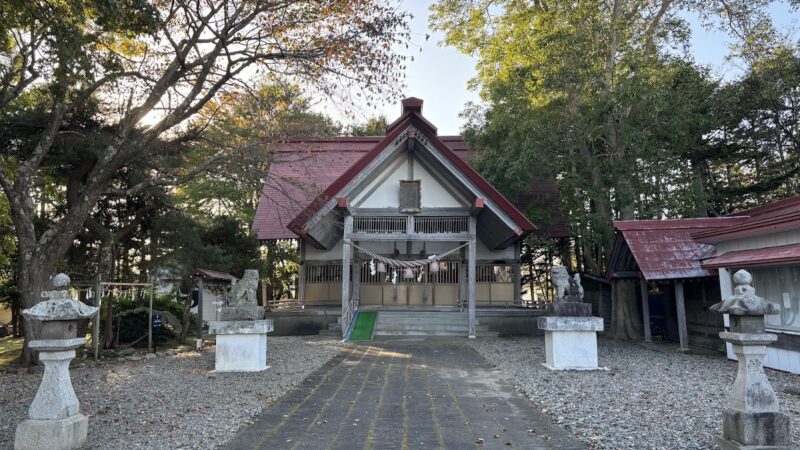
The shrine building of Ooe Shrine is constructed in the Shinto-style. Shinto-style is one of the oldest shrine architectural styles in Japan, exemplified by Ise Grand Shrine, and is characterized by its simple and pure beauty.
The 27-tsubo (approximately 89 m²) shrine building is sturdily built to withstand Hokkaido’s harsh climate and has functioned as a center of local faith for many years.
Vast Grounds
The vast grounds, approximately 25,485 m² (7,645.5 tsubo), are remarkably large for a shrine in Hokkaido. The tranquil space surrounded by abundant nature provides peace of mind to visitors.
You can enjoy the beautiful changes of nature throughout the seasons: fresh greenery in spring, deep green in summer, autumn leaves in fall, and snowscapes in winter.
Memorials and Historical Sites of the Settlement
Within the shrine grounds and surrounding area, there are numerous memorials and historical sites that tell the story of the settlement during the Meiji era. These are valuable cultural heritage sites that tell the story of the settlement history of the Ooe district, conveying the hardships and achievements of the people of that time.
Annual Festivals and Events
Annual Festival on September 8th
The annual festival of Ooe Shrine is held every year on September 8th to commemorate the day when the settlement group first broke ground. This is the most important day for the Ooe district, and parishioners and local residents gather to remember the achievements of their ancestors and pray for the prosperity and safety of the region.
The annual festival is a solemn Shinto ritual and a valuable opportunity for the continuation of the region’s traditional culture.
Other Annual Events
Various Shinto rituals are held throughout the year, including the New Year’s Day Festival, the Spring Annual Festival, and the Autumn Annual Festival. These festivals play an important role in strengthening the bonds of the local community and passing on traditions to future generations.
How to Visit and Access
Etiquette for Visiting
Although Ooe Shrine is an unmanned shrine, you can visit it following basic etiquette.
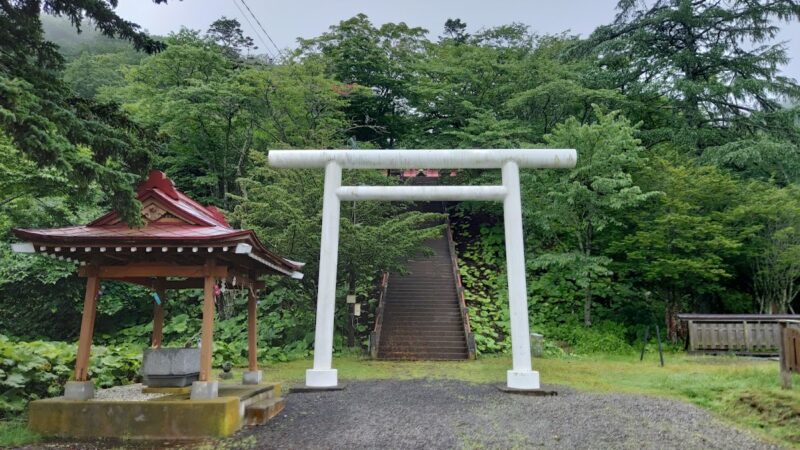
- Bow before passing through the torii gate.
- If there is a purification fountain, cleanse your hands and mouth.
- Place your offering in front of the shrine building.
- Worship using the two bows, two claps, and one bow ritual.
- Bow again at the torii gate when leaving.
It is recommended to visit quietly, calm your mind, and reflect on the history of pioneering.
Access Information
Public Transportation: Approximately 52 minutes on foot (approx. 4km) from JR Hakodate Main Line “Shikari Station”
By Car: Approximately 1 hour 30 minutes from Sapporo via National Route 5, approximately 40 minutes from Otaru
Parking: Parking space available on the shrine grounds (prior confirmation recommended)
Niki Town is a region where fruit cultivation is thriving, and is particularly known as a production area for cherries and apples. It is recommended to enjoy seasonal fruit picking and sightseeing in conjunction with your visit to the shrine.
About Goshuin (Shrine Seals)
Ooe Shrine is an unmanned shrine, so goshuin are not issued at the shrine office. However, you can obtain an Ooe Shrine goshuin at the Niki Shrine Office located at 2-14 Minami-cho, Niki Town.
Issuance of Goshuin at Niki Shrine Office
Niki Shrine also manages Ooe Shrine, and goshuin are issued at the shrine office. After visiting the shrine, it’s a good idea to visit Niki Shrine and request a Goshuin (shrine stamp).
Niki Shrine Office
- Location: 2-14 Minami-cho, Niki-cho, Yoichi-gun, Hokkaido
- Hours: During shrine office hours (checking before visiting is recommended)
A Goshuin is proof of your visit to the shrine and a memento. Bring your Goshuincho (stamp book) and request it respectfully.
Charms of Niki Town and the Oe District
Niki Town: A Fruit-Farming Village
Niki Town is known as a “fruit kingdom,” cultivating a variety of fruits such as cherries, apples, grapes, and plums. Fruit picking is available from June to October, attracting many tourists.
Historical Landscape of the Oe District
The Oe district is dotted with buildings and farmlands that retain the atmosphere of Meiji-era settlement. Some areas still retain the original land divisions from the settlement period, making it ideal for historical walks.
Nearby Tourist Attractions
- Nikka Whisky Yoichi Distillery: A leading Japanese whisky distillery located about 20 minutes away by car.
- Yoichi Space Museum: A memorial museum dedicated to Mamoru Mohri, Japan’s first astronaut.
- Niki Town Tourist Orchard: A tourist farm where you can enjoy seasonal fruit picking.
By visiting these tourist spots in conjunction with a visit to Ooe Shrine, you can experience the charm of Niki Town and Yoichi Town more deeply.
The Spirit of Pioneer Conveyed by Ooe Shrine
Ooe Shrine is not merely a religious facility, but a living historical heritage site that conveys the history of Hokkaido’s development during the Meiji era. The courage and effort of Lord Motonori Mohri and the pioneers who left their hometowns and built new lives in undeveloped land offer many insights for us living today.
Gratitude and Respect for Our Ancestors
Visiting Ooe Shrine is also a way of expressing gratitude and respect for the pioneers who came before us. It is because of their hardships that Niki Town enjoys its prosperity today.
The Bonds of the Local Community
Protected by 120 parishioners, Ooe Shrine is a symbol of the strong bonds within the local community. In rural areas facing depopulation, preserving such traditions and beliefs is crucial for maintaining the region’s identity.
Passing on to the Future
Passing on the history and traditions of Ooe Shrine to future generations is a challenge for the community. Learning about the history of pioneering and inheriting the spirit of our predecessors will form the foundation for future regional development.
Precautions and Manners When Visiting
Manners for Visiting an Unmanned Shrine
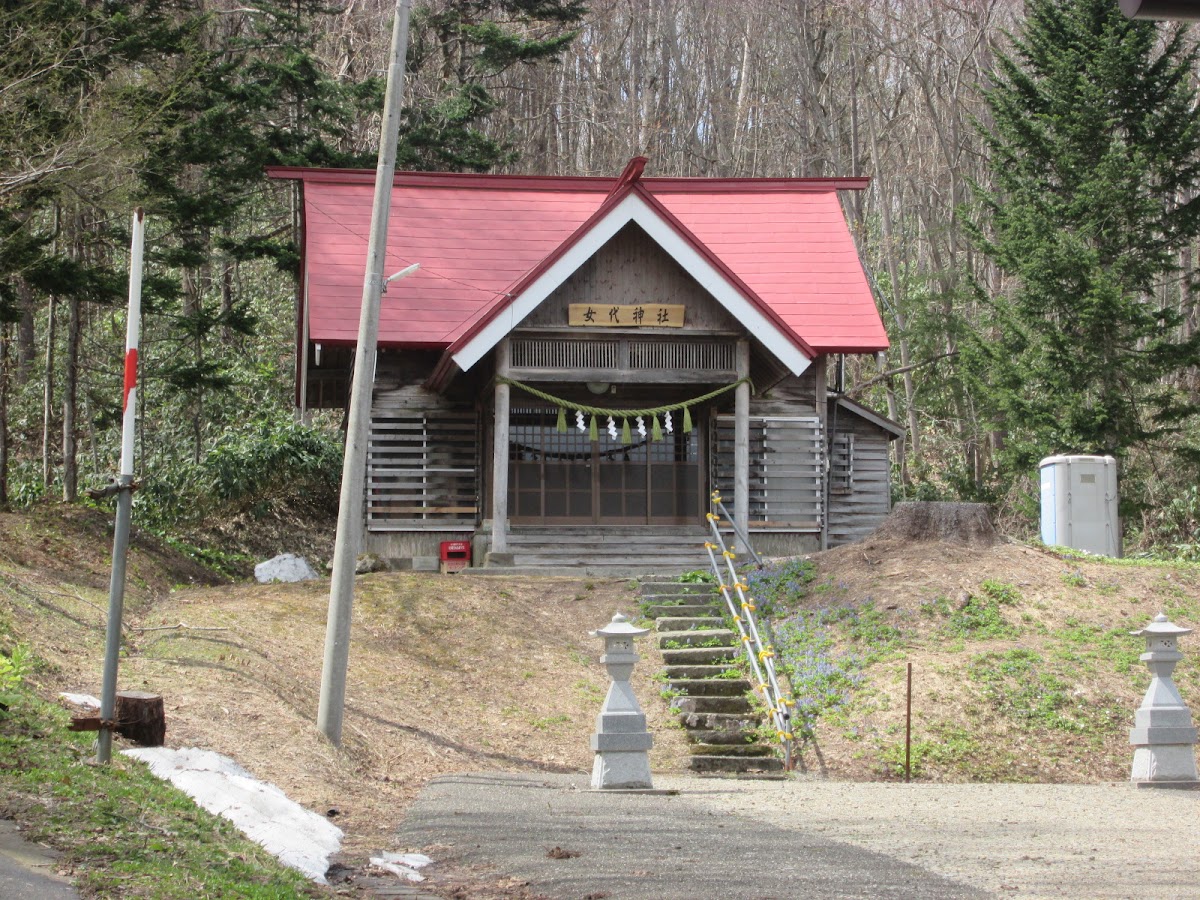
Ooe Shrine is an unmanned shrine, but it remains a sacred place. Please observe the following manners when visiting.
- Keep the shrine grounds clean and always take your trash with you.
- Pray quietly and without making loud noises.
- Do not damage the shrine buildings or facilities on the grounds.
- Take photographs with moderation.
- Pay attention to the boundaries of private property.
Seasonal Precautions
Spring/Summer: Insect repellent and heatstroke prevention measures are necessary.
Autumn: Be careful of slippery fallen leaves.
Winter: Beware of snow and ice; warm clothing is essential.
Hokkaido’s climate differs significantly from that of Honshu. Especially in winter, there is heavy snowfall, which can make visiting the shrine difficult, so it is recommended to check the weather forecast in advance.
Summary: The Value and Charm of Ooe Shrine
Ooe Shrine in Niki-cho, Yoichi-gun, Hokkaido, is a valuable cultural heritage site where the history of Hokkaido’s development during the Meiji era and the history of the Mori family intersect. This shrine, which enshrines Mori Takachika-no-Mikoto, Gentoku-no-Mikoto, and Hachiman-Okami, conveys the hardships and achievements of the pioneers who developed the area, and serves as a spiritual anchor for the local people.
The vast grounds, the Shinto-style shrine buildings, and the annual festival on September 8th evoke a sense of the pioneering spirit and local traditions in visitors. Although the shrine is unmanned, its tranquil atmosphere and historical value make it well worth a visit.
When visiting Niki Town, be sure to visit Ooe Shrine in conjunction with fruit picking or sightseeing. You will be able to experience the pioneering spirit of our ancestors and feel a part of Hokkaido’s history. You can obtain a Goshuin (shrine stamp) at the Niki Shrine office, so please be sure to get one as a memento of your visit.
Ooe Shrine is a treasure of the region, connecting the past and present and continuing into the future. We sincerely hope that its history and traditions will continue to be preserved for many years to come.