Akaigawa Shrine Complete Guide | History, Goshuin (Shrine Seal), Access, and Deities Explained in Detail
Akaigawa Shrine, located in Akaigawa Village surrounded by the vast natural beauty of Hokkaido, is a shrine that has long been cherished by the local people. This article provides detailed information useful for visiting Akaigawa Shrine, including its history, enshrined deities, goshuin information, and access methods.
Basic Information on Akaigawa Shrine
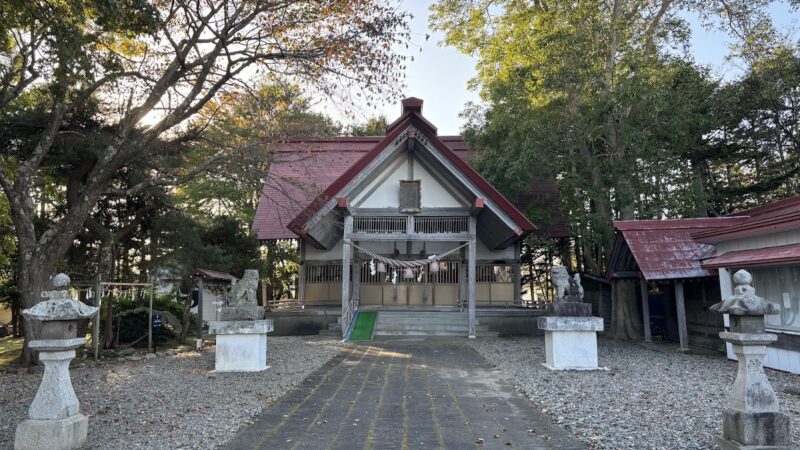
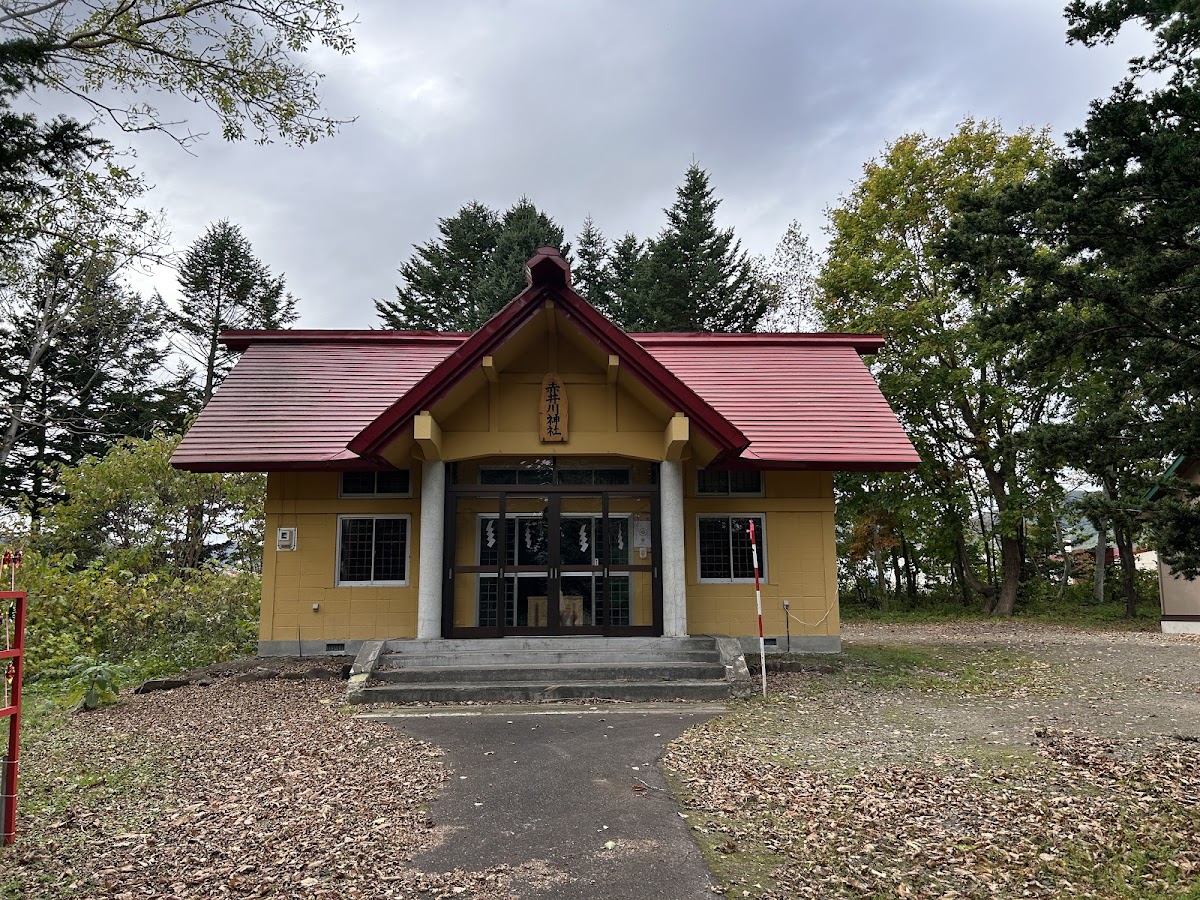
Akaigawa Shrine is located at 306-3 Akaigawa, Akaigawa Village, Yoichi District, Hokkaido. Its former shrine rank was Village Shrine. Situated on a hill approximately 300 meters north of the village center, in the central part of a unique caldera basin, it exudes a tranquil atmosphere that harmonizes with the surrounding landscape.
Location and Contact Information
- Address: 306-3 Akaigawa, Akaigawa-mura, Yoichi-gun, Hokkaido
- Phone Number: 0135-34-7805
- Jurisdiction: Hokkaido Shrine Association
Details of the Shrine Building
The shrine building of Akaigawa Shrine is constructed in the Shinmei-zukuri style. Shinmei-zukuri is one of the oldest shrine architectural styles in Japan, exemplified by Ise Grand Shrine, and is characterized by its simple yet austere beauty with a gabled roof and flat entrance.
- Shrine Building Style: Shinmei-zukuri
- Shrine Building Area: 21.84 tsubo (72.077 square meters)
- Shrine Grounds Area: 1,972 tsubo (6,508 square meters)
The vast grounds offer a space where visitors can experience the changing seasons and find peace.
About the Deities Enshrined
Akaigawa Shrine enshrines three deities. Each deity has a profound meaning and divine virtues.
Amaterasu Omikami
The supreme deity in Japanese mythology, and the goddess symbolizing the sun. Revered as the ancestral deity of the Imperial family, she is enshrined in the Inner Shrine of Ise Grand Shrine. She is believed to bestow divine virtues such as national peace and security, abundant harvests, and good fortune.
Toyouke Omikami
The goddess who presides over food and grains, she is enshrined in the Outer Shrine of Ise Grand Shrine. She is worshipped as the guardian deity of industrial development and clothing, food, and shelter, and is believed to bring peace and tranquility to all aspects of life. She has been particularly revered as an important deity in Akaigawa Village, where agriculture flourished.
Hondawake-no-Mikoto
This is another name for Emperor Ojin, the 15th emperor of Japan. He is a deity enshrined as Hachiman-jin in Hachiman shrines throughout Japan. He is believed to bestow blessings such as military success, victory in competitions, protection from evil, and safe childbirth, and has been widely worshipped by both samurai and commoners.
By enshrining these three deities, Akaigawa Shrine serves as a comprehensive guardian deity of the region.
History of Akaigawa Shrine
The development of Akaigawa Village began in earnest during the Meiji era. The founding of Akaigawa Shrine is deeply intertwined with this history of development.
Development and the Establishment of the Shrine
Like many shrines in Hokkaido, Akaigawa Shrine was established as a spiritual anchor for the pioneers and as the center of the local community. For the pioneers who were carving out a new land in a harsh natural environment, the shrine was a source of spiritual support and a place to pray for bountiful harvests and safety.
A History as a Village Shrine
Akaigawa Shrine held the rank of a village shrine. A village shrine, under the modern shrine ranking system of the Meiji era, was designated as the guardian shrine of a village. This indicates that Akaigawa Shrine played an important role in the community.
Currently, it boasts 263 parishioner households and 543 worshippers, continuing to attract the faith of the local people.
Annual Festival and Other Annual Events
Annual Festival (September 15th)
Akaigawa Shrine’s annual festival is held every year on September 15th. The annual festival is the most important ceremony for the shrine, a time to offer thanks to the gods for the past year and pray for the prosperity and peace of the community.
Mid-September coincides with the autumn harvest season in Hokkaido, and the festival also includes a meaning of giving thanks for the bountiful harvest. Local people gather, and traditional Shinto rituals are solemnly performed.
Other Annual Events
Generally, shrines in Hokkaido hold the following annual events: It is believed that Akaigawa Shrine also performs Shinto rituals tailored to local customs.
- New Year’s Day Festival: Welcome the New Year and pray for peace throughout the year.
- Setsubun Festival: Drive away evil spirits and invite good fortune.
- Spring Festival: Pray for the arrival of spring and a bountiful harvest.
- Shichi-Go-San Festival: Celebrate the growth of children.
- Year-End Grand Purification Ceremony: Cleanse away the sins and impurities of the past year.
Goshuin Information
Goshuin (shrine stamps) are available at Akaigawa Shrine. Goshuin are popular among many visitors as proof of worship and as a tangible memento of their connection to the shrine.
Goshuin Reception
Those wishing to receive a Goshuin should speak to a staff member at the shrine office. However, since there may not always be a resident priest, it is recommended to confirm in advance by phone (0135-34-7805).
About Goshuincho (Stamp Books)
If you don’t have a goshuincho, you can purchase one at general stationery stores or shrines and temples. Please inquire directly with Akaigawa Shrine regarding whether they offer original goshuincho.
Manners for Receiving Goshuin (Stamps)
- First, complete your prayers before receiving your goshuin.
- Open your goshuincho and indicate the page you would like stamped on.
- Have your offering (generally around 300-500 yen) ready.
- Be polite and remember to express your gratitude.
Access Information
Akaigawa Village is located midway between Sapporo and Otaru, surrounded by beautiful nature.
Access by Car
From Sapporo
- Approximately 1 hour from central Sapporo via National Route 230
- Over Nakayama Pass to Akaigawa Village
From Otaru
- Approximately 40 minutes from central Otaru via Hokkaido Prefectural Road 36 (Yoichi-Akaigawa Line)
- Route via Yoichi Town
From Niseko
- Approximately 30 minutes via National Route 5 and Hokkaido Prefectural Road 66
Access by Public Transportation
Public transportation to Akaigawa Village is limited. Bus schedules may vary depending on the season and day of the week, so it is recommended to check in advance.
Parking
Parking is available within the shrine grounds or nearby. During festivals and other events, congestion is expected, so it is recommended to allow ample time for your visit.
About Akaigawa Village
Akaigawa Village, where Akaigawa Shrine is located, is a rare village in Hokkaido situated in a caldera basin.
Characteristics of the Caldera Basin
Akaigawa Village is located within a caldera basin formed by past volcanic activity. Surrounded by mountains, the basin enjoys a unique climate: relatively mild summers and harsh winters with heavy snowfall.
This topography creates significant temperature fluctuations, which contribute to the sweetness of crops, making it particularly suitable for cultivating potatoes and pumpkins.
Industries of Akaigawa Village
Akaigawa Village’s main industry is agriculture, and the following products are particularly well-known:
- Potatoes: Branded as “Akaigawa Caldera Potatoes”
- Pumpkins: High quality and intensely sweet
- Melons: A summer specialty
In recent years, the village has also focused on tourism, boasting well-developed tourist facilities such as ski resorts and the Kiroro Resort.
Manners and Etiquette for Visiting Shrines
When visiting a shrine, it is important to observe basic manners.
How to Pass Through a Torii Gate
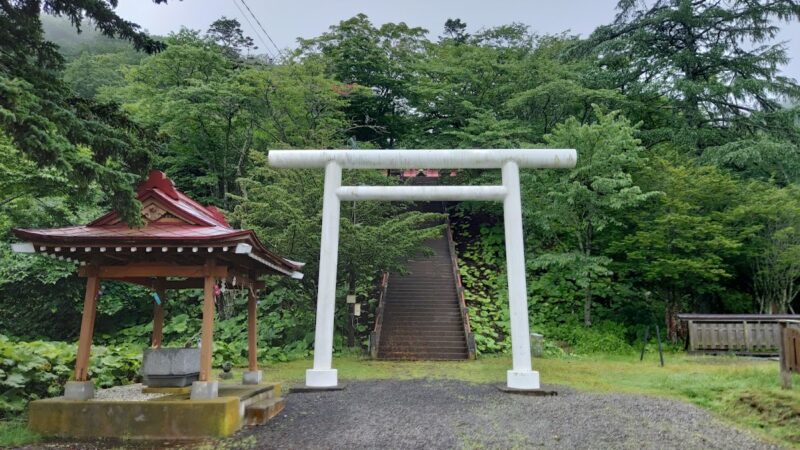
A torii gate is a boundary separating the sacred realm from the secular world. Before passing through the torii gate, bow once, and avoid the center (the center is considered the path of the gods), passing through either the left or right side.
How to Wash Your Hands
- Take the ladle with your right hand and wash your left hand.
- Switch the ladle to your left hand and wash your right hand.
- Switch the ladle back to your right hand, receive water in your left hand, and rinse your mouth.
- Wash your left hand once more.
- Hold the ladle upright and pour water over the handle to wash it.
- Return the ladle to its original position.
How to Worship
Worship is performed using the general “two bows, two claps, one bow” method.
- Stand up straight in front of the offering box.
- Gently place your offering in the box.
- If there is a bell, ring it.
- Bow deeply twice.
- Bring your hands together at chest height and clap twice.
- Offer your prayer with your hands still clasped together.
- Lower your hands and bow once more.
Nearby Tourist Attractions
When visiting Akaigawa Shrine, you can also enjoy nearby tourist attractions.
Kiroro Resort
A representative resort facility of Akaigawa Village. Enjoy skiing and snowboarding in winter, and golf and other activities in summer. It’s about a 15-minute drive from the shrine.
Michi-no-Eki Akaigawa
A roadside station where you can purchase fresh local produce and specialty products. It’s the perfect place to experience the charm of Akaigawa Village.
Yoichi Distillery
A Nikka Whisky distillery located in Yoichi Town, about a 30-minute drive from Akaigawa Village. You can tour the whisky manufacturing process and enjoy tastings. ### Otaru Canal
A representative tourist spot in Otaru City. Approximately 40 minutes by car from Akaigawa Village. This area boasts beautiful scenery with historical buildings and canals.
Akaigawa Shrine in Every Season
Shrines in Hokkaido show different faces in each of the four seasons.
Spring (April-June)
Spring arrives in Hokkaido with the melting snow. The trees in the shrine grounds bud, and it’s a beautiful season of fresh greenery. Cherry blossoms bloom later than in Honshu, often reaching their peak around Golden Week.
Summer (July-August)
The short summer is the most pleasant season in Hokkaido. You can stroll through the lush green shrine grounds in the cool climate unique to the caldera basin.
Autumn (September-November)
Mid-September, when the annual festival is held, marks the deepening of autumn. The autumn leaves are beautiful, and it’s a season filled with the joy of harvest.
Winter (December to March)
Winter in Akaigawa Village, a heavy snowfall area, is harsh, but the snow-covered shrine is enveloped in a serene and mystical atmosphere. Walking along the snow-cleared approach to the shrine will be a special experience.
Akaigawa Shrine and the Local Community
Akaigawa Shrine is not merely a religious facility, but a central presence in the local community.
Parishioners and Worshippers
Currently, Akaigawa Shrine is supported by 263 parishioners and 543 worshippers. Parishioners are people who live within the shrine’s sanctuary and cooperate in the maintenance and management of the shrine and the operation of festivals.
Involvement in Local Events
Shrine events, including the annual festival, provide valuable opportunities for local people to gather. The community bonds that are disappearing in urban areas are maintained around the shrine.
Passing on to the Next Generation
In rural areas facing depopulation, the transmission of traditional culture is a crucial issue. It is believed that Akaigawa Shrine is undertaking initiatives to teach children about the significance of the shrine and the meaning of its festivals.
Characteristics of Shrines in Hokkaido
Understanding the characteristics of shrines in Hokkaido as a whole is also beneficial in understanding Akaigawa Shrine.
Recent History
While shrines on Honshu have histories spanning several hundred years, sometimes even over a thousand years, most shrines in Hokkaido were founded after the Meiji era. This is because the full-scale development of Hokkaido began in the Meiji era.
Development and Faith
Shrines in Hokkaido were established as a source of spiritual support for the pioneers. For people living in a harsh natural environment, shrines were places of hope and peace.
Tendency to Enshrine Multiple Deities
Another characteristic of Hokkaido is the large number of shrines that enshrine multiple deities, like Akaigawa Shrine. This is because pioneers who gathered from various regions enshrined the deities of their respective hometowns.
Summary
Akaigawa Shrine is a historical shrine located in Akaigawa Village, Yoichi District, Hokkaido. Akaigawa Shrine, dedicated to Amaterasu Omikami, Toyouke Omikami, and Hondawake no Mikoto, has long been a place of worship for the local people.
Nestled on a hilltop within the unique topography of a caldera basin, the shrine is surrounded by the beautiful nature of the four seasons. The Shinto-style shrine buildings, expansive grounds, and locally rooted festivals convey the splendor of traditional Japanese culture to visitors.
While easily accessible from tourist destinations such as Sapporo, Otaru, and Niseko, Akaigawa Shrine maintains a quiet and peaceful atmosphere. When visiting Hokkaido, we highly recommend a visit.
When visiting, it is important to observe basic manners and show respect to the deities. Those wishing to receive a Goshuin (shrine stamp) are advised to confirm availability by phone in advance.
We hope that your visit to Akaigawa Shrine will be a time of peace and a wonderful opportunity to experience the nature and culture of Hokkaido.