Complete Guide to Shakotan Shrine | History, Deities, Access, and Highlights Explained in Detail
Shakotan Shrine, located in Shakotan-cho, Shakotan-gun, Hokkaido, is a historic shrine nestled amidst the rich natural beauty of the Shakotan Peninsula. Founded in 1860 as an Inari Shrine, and renamed Shakotan Shrine during the Meiji era, it remains a central hub of local faith, welcoming many worshippers. This article provides a detailed explanation of Shakotan Shrine’s history, enshrined deities, highlights within the grounds, access methods, and surrounding tourist information.
What is Shakotan Shrine?
Shakotan Shrine is a shrine located at 12 Hizuka-cho, Shakotan-cho, Shakotan-gun, Hokkaido. Its former shrine rank was Village Shrine. Situated in the Hizuka district, somewhat removed from the center of Shakotan-cho, it boasts a modest grounds but is known as an important shrine that attracts the faith of local residents.
Although currently unmanned, the shrine features a meticulously maintained grounds and a newly rebuilt main hall, offering visitors a peaceful space for prayer. While many tourists visiting the Shakotan Peninsula are drawn to its beautiful coastline and fresh sea urchins, a visit to Shakotan Shrine is also highly recommended as a place to experience local history and culture.
History of Shakotan Shrine
From its Founding to the Inari Shrine Era
The history of Shakotan Shrine dates back to the first year of the Man’en era (1860). It was founded in that year as an Inari shrine. At that time, Hokkaido was known as Ezochi, and it was just before the start of full-scale development. The Shakotan Peninsula prospered from herring fishing, and the Inari shrine was established as a place of worship for fishermen and settlers.
Inari worship, as the god of abundant harvests and business prosperity, spread throughout Japan, and Inari shrines were founded in various parts of Hokkaido. The Inari Shrine in Shakotan also played an important role as a place to pray for the prosperity and safety of the region.
The Shrine Ranking System in the Meiji Era and its Ranking as a Village Shrine
In 1875 (Meiji 8), the Inari Shrine in Shakotan was ranked as a village shrine. The Meiji government established a system of shrine rankings, defining a hierarchy of shrines such as government-supported shrines, national shrines, prefectural shrines, local shrines, and village shrines. Village shrines were officially recognized as local shrines, and this ranking demonstrated the importance of the shrine in the local community.
The Meiji era was a period when the development of Hokkaido intensified, and the development of shrines progressed throughout the region. In the Shakotan region, herring fishing was at its peak, and as the population increased, the shrine functioned as a spiritual pillar of the local community.
Renaming to Shakotan Shrine
On March 2, 1887 (Meiji 20), the shrine’s name was changed from Inari Shrine to Shakotan Shrine. This renaming is thought to have been intended to reflect the region’s identity in the shrine’s name. The inclusion of the place name “Shakotan” made the shrine’s character as a guardian deity of the entire region clearer.
On April 13th of the same year, permission was granted to enshrine Ichikishimahime-no-Mikoto. Ichikishimahime-no-Mikoto is one of the three Munakata goddesses and is worshipped as a deity of maritime safety and traffic safety. Given that the Shakotan Peninsula is surrounded by the sea and is a region with a thriving fishing industry, the enshrinement of Ichikishimahime-no-Mikoto as a deity protecting maritime safety was a natural progression.
Developments since the Modern Era
Although the population of the Shakotan region declined with the decline of the herring fishing industry, Shakotan Shrine has continued to exist as the center of local faith. The current main hall is a relatively recent reconstruction, reflecting the feelings of the local residents towards the shrine.
In recent years, the number of tourists visiting the Shakotan Peninsula has increased, and the shrine also plays a role in conveying the region’s history and culture.
About the Enshrined Deities
Shakotan Shrine enshrines two deities.
Toyouke-hime no Kami
Toyouke-hime no Kami is the goddess of food and grains, known as the principal deity of the Outer Shrine of Ise Grand Shrine. It is believed that she was worshipped from the time the Inari Shrine was founded, and she is revered as the guardian deity of abundant harvests, industrial development, and the necessities of life (food, clothing, and shelter).
During the pioneering period of Hokkaido, success in agriculture and fishing was the foundation of life, and faith in Toyouke-hime no Kami was an important spiritual support for the pioneers. In the Shakotan region, she has also been revered as an object of worship for abundant herring catches and regional prosperity.
Ichikishima-hime no Mikoto
Ichikishima-hime no Mikoto is one of the three Munakata goddesses and is also famous as the principal deity of Itsukushima Shrine. She is widely worshipped as the goddess of maritime safety, traffic safety, and the blessings of performing arts and wealth.
Ichikishima-hime no Mikoto, who was enshrined together with the other deities in 1887 (Meiji 20), reflects the geographical characteristics of the Shakotan Peninsula, which is surrounded by the sea. This shrine has long been revered by local residents as a deity protecting the safety of those engaged in fishing and maritime traffic. It is also sometimes identified with Benzaiten, and thus possesses aspects of a god of good fortune and performing arts.
Highlights of the Shrine Grounds
Main Hall and Worship Hall
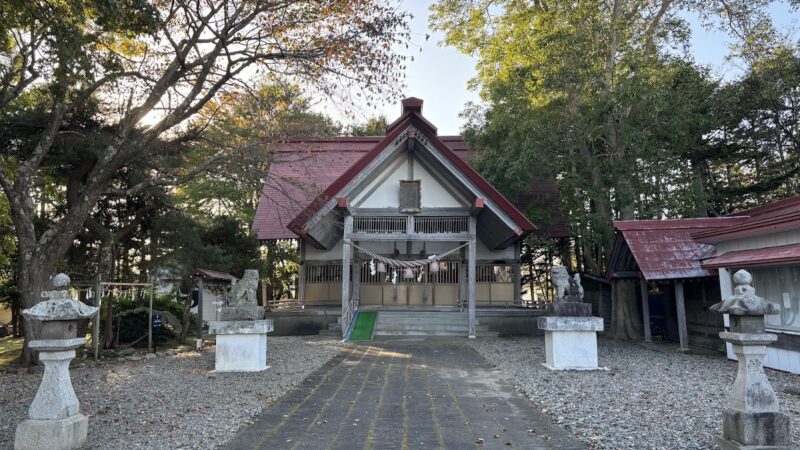
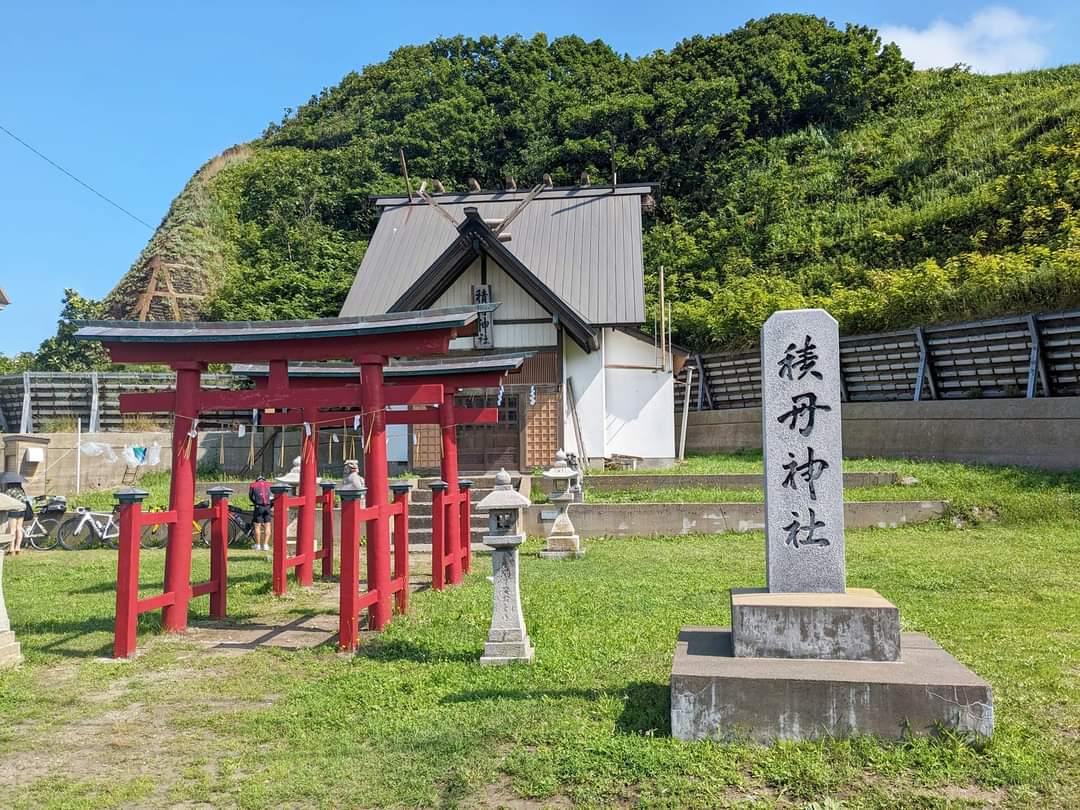
The main hall of Shakotan Shrine is relatively new and is kept in a clean and beautiful condition. Despite its small size, it is evident that it is carefully maintained. The worship hall, while simple, possesses dignity, and its quiet atmosphere makes it a charming place for worship.
Open Grounds
Shakotan Shrine’s grounds are characterized by their open atmosphere, with few tall trees. The sky is wide open, allowing worshippers to feel the clear air of Shakotan. From the grounds, one can enjoy views of the surrounding nature and appreciate the scenery of the four seasons.
Riverside Location
Shakotan Shrine is located along a river, providing a peaceful environment where worshippers can listen to the sound of water. Located next to the “Misaki” restaurant, it’s conveniently situated for a stop before or after a meal.
Annual Festival and Events
The annual festival of Shakotan Shrine is held on July 2nd. This festival is the most important ritual for the shrine, dedicated to the enshrined deity and praying for the peace and prosperity of the region.
In the Shakotan region, various seasonal Shinto rituals are also performed, deeply intertwined with the lives of the local residents. In Hokkaido shrines, these rituals often express joy at welcoming spring after a snowy winter and gratitude for the blessings of the short summer.
Access Information
Location
Address: 12 Hishimachi, Shakotan-cho, Shakotan-gun, Hokkaido
Access by Car
- From Sapporo: Approximately 2 hours 30 minutes via National Route 5 and National Route 229
- From Otaru: Approximately 1 hour 30 minutes via National Route 5 and National Route 229
- From Yoichi: Approximately 1 hour via National Route 229
The road to the Shakotan Peninsula is a scenic route along the coast. Especially from spring to autumn, you can enjoy a drive while taking in the spectacular views of the blue sea and towering cliffs.
Access by Public Transportation
Public transportation access is limited. Buses operate from Sapporo and Otaru, but the number of services is limited, so it is recommended to check the timetable in advance. Extra services may be added during the tourist season.
Parking
There is no designated parking lot for the shrine, but it is possible to park your car in the surrounding area. If you use the nearby restaurant “Misaki,” you can use its parking lot.
Nearby Attractions and Tourist Spots
Misaki Restaurant
Located right next to Shakotan Shrine, this restaurant offers fresh seafood dishes, including sea urchin rice bowls. It’s a must-visit restaurant when visiting the Shakotan Peninsula, and many people visit it in conjunction with a visit to the shrine.
Cape Kamui
Cape Kamui, a representative tourist spot on the Shakotan Peninsula, is about a 20-minute drive from Shakotan Shrine. The breathtaking scenery of towering cliffs and the blue sea is spectacular, and you can walk along the promenade to the tip of the cape. Cape Kamui also houses Kamui Shrine, which has a history linked to the legend of Minamoto no Yoshitsune.
Shimamui Coast
This beautiful coast, selected as one of “Japan’s Top 100 Beaches,” boasts the crystal-clear Shakotan Blue sea. The stunning view that suddenly unfolds before your eyes after emerging from a tunnel captivates visitors.
Bikuni Shrine
Located in the Bikuni district of Shakotan Town, Bikuni Shrine is a historical shrine that began in 1725 (Kyoho 10) with the enshrinement of a divided spirit from Fushimi Inari Taisha in Kyoto. It was renamed Bikuni Shrine in 1893 (Meiji 26). Like Shakotan Shrine, it is a shrine that attracts local devotion, and is recommended to include in a tour of shrines on the Shakotan Peninsula.
Sea Urchins of the Shakotan Peninsula
The Shakotan Peninsula is known as one of Hokkaido’s leading sea urchin producing areas. Especially during the sea urchin fishing season from June to August, many tourists visit in search of fresh sea urchins. Shakotan sea urchins are characterized by their strong sweetness and rich flavor.
Other Shrines in Shakotan Town
Kamui Shrine
Located on Cape Kamui, Kamui Shrine is a shrine associated with the legend of Minamoto no Yoshitsune. Legend has it that when Yoshitsune fled to Ezo (Hokkaido), he was blocked by wind and waves at Cape Kamui. He prayed for safe passage to the gods Owatatsumi and Shinato at Kamui Rock, and was able to pass safely. The Ainu people also revered Kamui Rock as “Kamuy” (god).
When visiting Cape Kamui, don’t forget to visit Kamui Shrine. It is believed to offer blessings for maritime safety and safe voyages.
Manners and Points for Worship
Basic Worship Etiquette
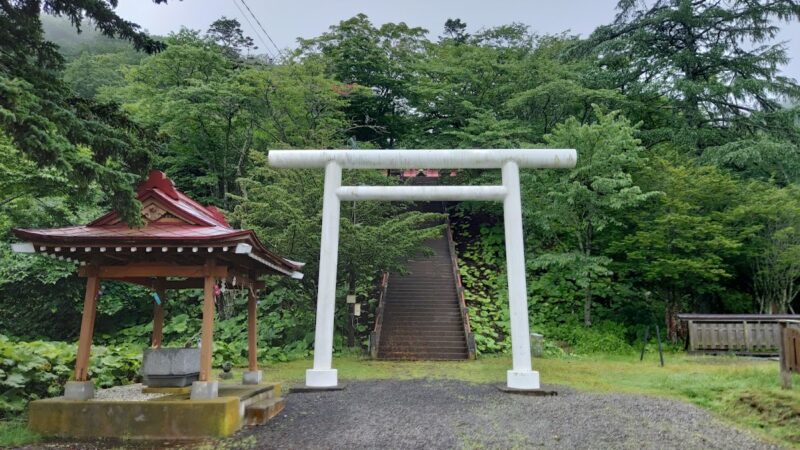
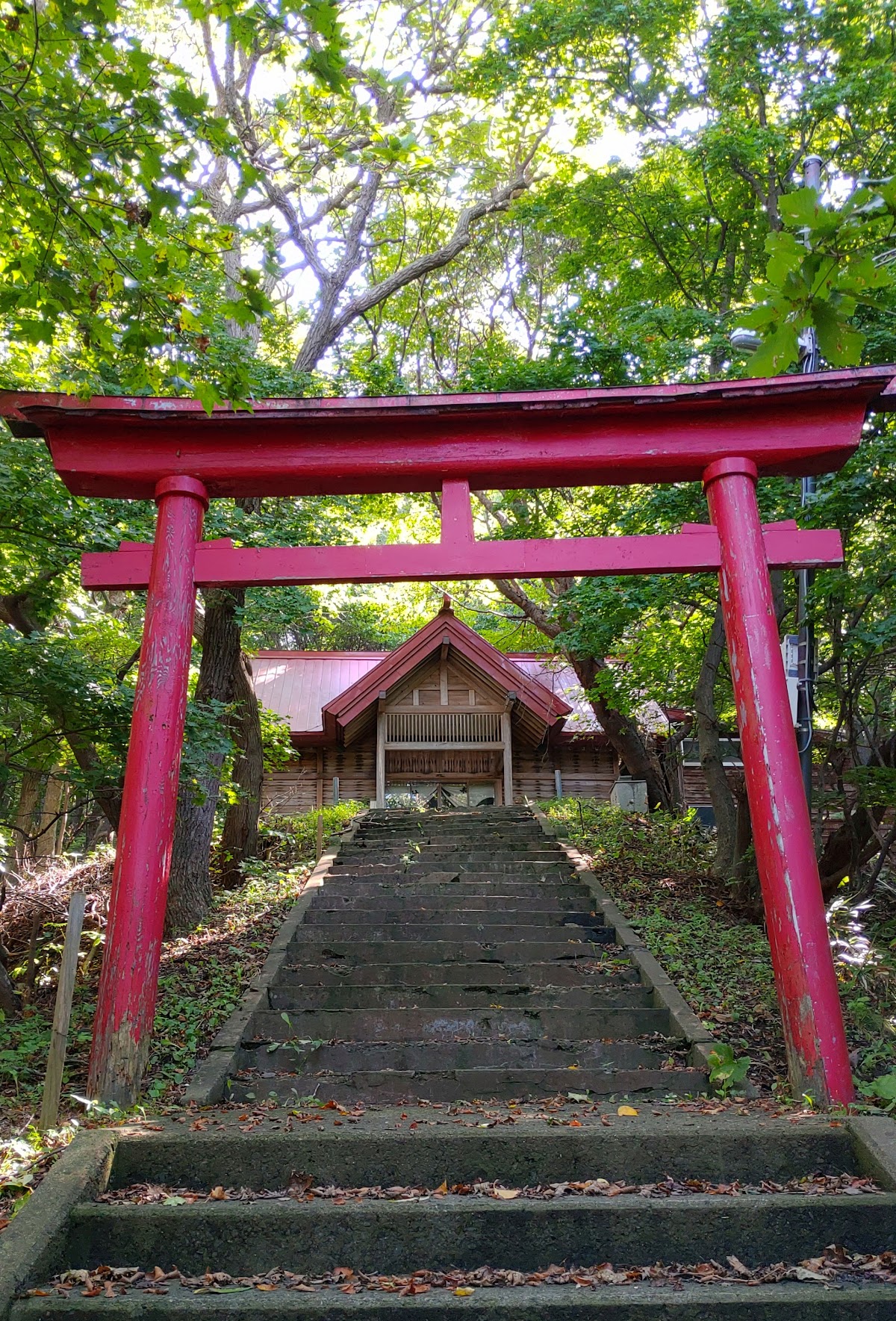
- Bow before passing through the torii gate: Before entering the sacred area, bow before the torii gate.
- Purify at the water basin: If there is a water basin, purify your left hand, right hand, and mouth in that order.
- Worship at the main hall: The basic procedure is two bows, two claps, and one bow.
- Keep the Shrine Grounds Clean: Please take your trash with you and keep the shrine grounds clean.
Visiting an Unmanned Shrine
Shakotan Shrine is an unmanned shrine, but the etiquette for visiting is the same as at a regular shrine. If a donation box is provided, please offer a donation with gratitude. While Goshuin (shrine stamps) are not available, it is important to pray quietly and sincerely.
Photography
Photography is generally permitted on the shrine grounds, but please be considerate of other visitors. It is considered good manners to refrain from photographing inside the main hall.
Shakotan Shrine and Hokkaido’s Shrine Culture
Characteristics of Hokkaido Shrines
Shrines in Hokkaido have characteristics that differ from those in Honshu. Many were founded after the Meiji era and are deeply connected to the history of development. The Hokkaido Shrine Association has numerous registered shrines, each conveying the history and culture of its region.
Shakotan Shrine, founded in 1860, is a valuable historical site that conveys the history of Hokkaido’s pioneering era. The history of its name change from Inari Shrine to Shakotan Shrine also illustrates the process by which Hokkaido’s shrines became intertwined with regional identity.
Annual Events and Shrines in Hokkaido
Hokkaido’s shrines hold annual events adapted to the climate, which differs from that of Honshu. The joy of welcoming spring after a long winter, gratitude for the blessings of the short summer, and preparation for the harsh winter—Hokkaido’s unique natural environment is reflected in its rituals.
The fact that Shakotan Shrine’s annual festival is held on July 2nd can be seen as a reflection of Hokkaido’s culture of cherishing its short summer.
History and Culture of the Shakotan Peninsula
Prosperity of Herring Fishing
The Shakotan Peninsula was once a region that greatly prospered from herring fishing. From the Edo period to the Meiji period, large numbers of herring would arrive in the spring, a phenomenon known as “kuki” (herring swarms). The wealth gained from herring fishing contributed to the development of the region and the maintenance of shrines. The fact that Shakotan Shrine was designated a village shrine during the Meiji era, and that Ichikishimahime-no-Mikoto was enshrined there, is not unrelated to the prosperity of the herring fishing industry. The faith of those involved in fishing supported the shrine, and the shrine itself functioned as a place to pray for fishing safety and abundant catches.
Connections with Ainu Culture
The Shakotan Peninsula has been inhabited by Ainu people since ancient times. The place name “Shakotan” itself is said to originate from the Ainu word “Shak-kotan” (summer village). “Kamuy” in Cape Kamui is also an Ainu word meaning god.
The settlement of Japanese people and the founding of the shrines are also a history of exchange and fusion with Ainu culture. When visiting shrines in the Shakotan region, you can reflect on this multi-layered historical background.
How to Enjoy Visiting Shakotan Shrines
Shakotan Blue and Shrine Pilgrimage
The greatest attraction of visiting the Shakotan Peninsula is the beautiful, highly transparent sea known as “Shakotan Blue.” Combining shrine visits with a coastal drive allows you to enjoy both nature and culture.
A recommended route involves visiting scenic spots such as Cape Kamui and Shimamui Coast, while also visiting shrines like Shakotan Shrine, Kamui Shrine, and Bikuni Shrine.
Food and Shrine Visits
The Shakotan Peninsula is a treasure trove of seafood, including sea urchin. Many restaurants, including Shokudo Misaki located right next to Shakotan Shrine, offer fresh seafood. Enjoying local flavors before or after your shrine visit will make your trip even more fulfilling.
Seasonal Charms
The Shakotan Peninsula has different charms in each of the four seasons.
- Spring: As the snow melts, new greenery sprouts, and the sea becomes calm.
- Summer: It’s sea urchin fishing season, and the Shakotan Blue shines at its most beautiful.
- Autumn: The autumn leaves and crisp air are beautiful, and seafood is abundant.
- Winter: While the area is covered in harsh cold and snow, the roughness of the winter sea is also a sight to behold.
Visiting Shakotan Shrine also reveals different facets depending on the season.
Summary
Shakotan Shrine is a historical shrine founded in 1860 as an Inari Shrine and renamed Shakotan Shrine in 1887. It enshrines Toyouke-hime no Kami and Ichikishima-hime no Mikoto, and has protected the prosperity of the region and maritime safety.
Despite its small size, the shrine boasts a clean main hall and an open atmosphere, making it a must-visit spot when visiting the Shakotan Peninsula. Its convenient location next to the Misaki restaurant also makes it easily accessible.
Enjoying the beautiful nature of the Shakotan Peninsula, the fresh seafood, and the shrine that tells the history of the region—all of these will allow you to deeply appreciate the charm of Shakotan. Why not take a visit to Shakotan Shrine and experience the history of Hokkaido’s pioneering era and the faith of the people who have lived in harmony with the sea?