Inari Shrine (Shiraizawa, Irika-cho, Shakotan-gun, Hokkaido) Complete Guide
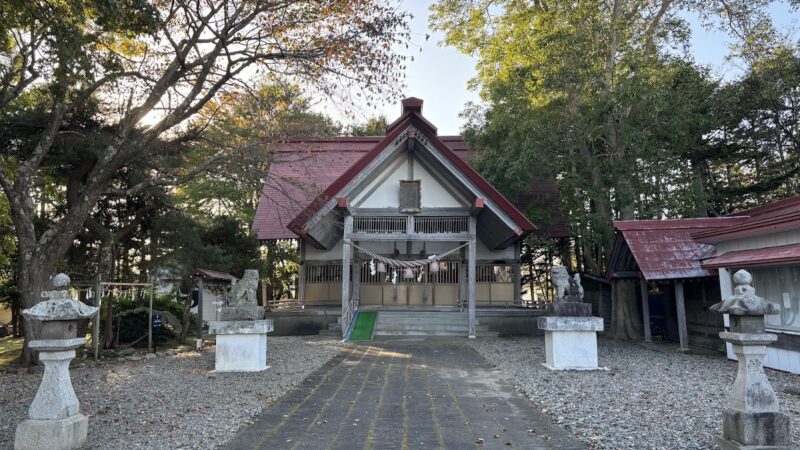
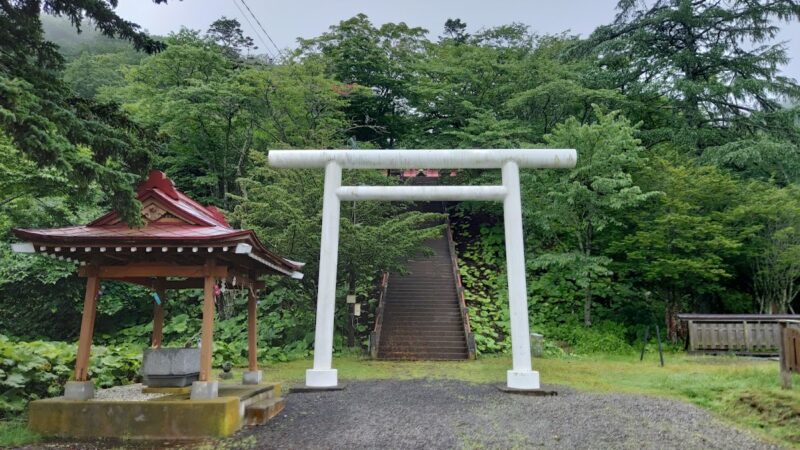
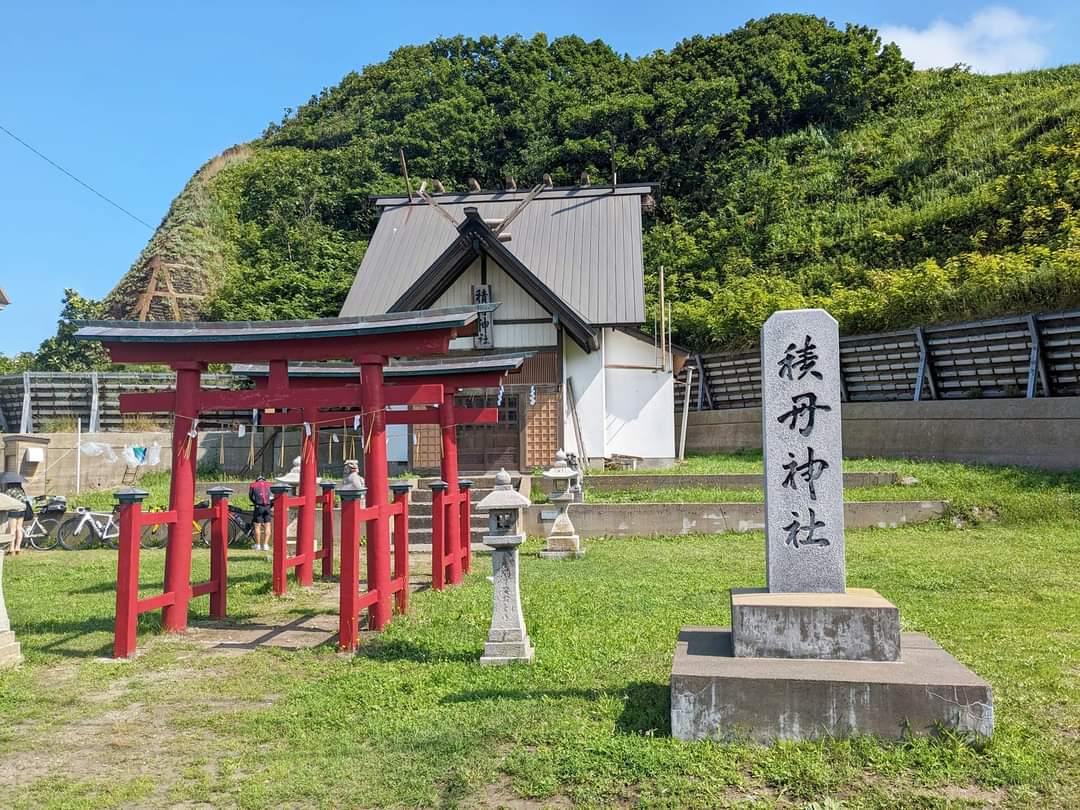
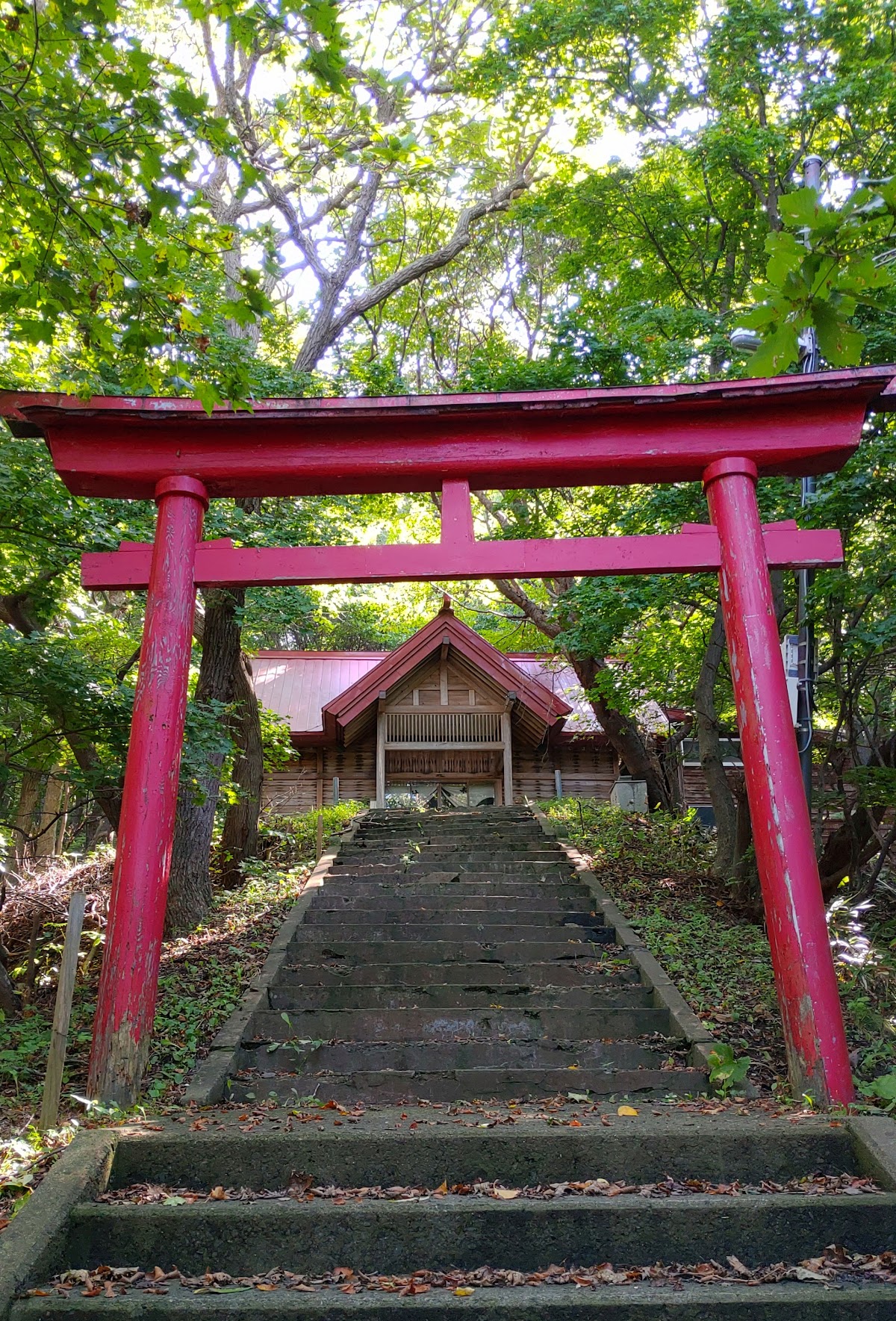
Located in the Irika district of Shakotan-cho, Shakotan-gun, Hokkaido, the Inari Shrine is a shrine that conveys the history and faith of the Shakotan Peninsula. This article provides a detailed introduction to the shrine, from its basic information and historical background to information on surrounding shrines.
Basic Information on Inari Shrine
Location and Contact Information
Official Address: 211-2 Usuinosawa, Irika-cho, Shakotan-gun, Hokkaido
Postal Code: 〒046-0327
Religious Corporation Number: 7430005008146
This Inari Shrine is located in the Irika district of Shakotan-cho and has long been cherished as a center of faith for local residents. While the official address is written as “Usuinosawa,” it is sometimes written as “Shiraizawa.” This is due to changes in place names and variations in spelling, but both refer to the same location. ### Deities and Beliefs
The deity enshrined at Inari shrines is generally Ukanomitama-no-Mikoto. Ukanomitama-no-Mikoto is worshipped nationwide as the god of abundant harvests, business prosperity, and family safety, and many Inari shrines are located throughout Hokkaido.
The Shakotan Peninsula has long prospered from herring fishing, and it is believed that the shrine was deeply revered by those involved in the fishing industry who prayed for safety at sea and a bountiful catch.
History and Geography of Irika District, Shakotan Town
Overview of Irika District
Irika is a district located in the northeastern part of Shakotan Town, facing the Sea of Japan on the Shakotan Peninsula. It was once known as a thriving fishing village, with many fishermen and their huts lining the streets.
The place name “Irika” is said to originate from the Ainu word “Irika,” meaning “that which lies in the depths.” It is believed that this name was given because of its geographical location in a secluded inlet.
Geographical Characteristics of Shakotan Town
Shakotan Town belongs to Shakotan District within the jurisdiction of the Shiribeshi General Subprefectural Bureau of Hokkaido and is located in the central part of the Shakotan Peninsula. Its area is approximately 238 square kilometers, and its coastline forms a complex ria coast.
The town area consists of the following districts:
- Biko District (Central Urban Area)
- Irika District
- Nozuka District
- Yobetsu District
- Horomui District
- Kamisaki District
- Hishi District
- Fumi District
Each district has its own shrine, including Inari Shrines, which support the local faith.
Population and Regional Changes
Shakotan Town’s population numbered tens of thousands during the peak of the herring fishing industry from the late Meiji period to the Taisho period, but it steadily declined with the decline of the herring fishing industry. In the current Reiwa era, the population is approximately 1,800, and depopulation is progressing.
The Irika district is no exception; the former vibrancy has been lost, but the shrine is still carefully preserved as a spiritual anchor for the local residents.
List of Shrines in Shakotan Town and the Position of Irika Inari Shrine
Major Shrines in Shakotan Town
Several shrines are located within Shakotan Town, each attracting worshippers in its respective district:
Shakotan Shrine
- Location: Bikuni District, Shakotan Town
- The largest shrine in the town, serving as the general guardian shrine of Shakotan Town
Irika Inari Shrine
- Location: Usuinosawa, Irika-cho, Shakotan Town
- The shrine introduced in this article
- Religious Corporation Number: 7430005008146
Horomui Inari Shrine
- Location: 137 Horomui-cho, Shakotan Town
- Religious Corporation Number: 6430005008147
Nozuka Inari Shrine
- Location: 233 Nozuka-cho, Shakotan Town
- Religious Corporation Number: 5430005008148
Yobetsu Inari Shrine
- Location: Yobetsu area, Shakotan Town
Kamisaki Inari Shrine
- Location: Kamisaki area, Shakotan Town
Kobari Inari Shrine
- Location: Kobari area, Shakotan Town
Chatsunai Inari Shrine
- Location: Chatsunai area, Shakotan Town
Tamoki Shrine
- Location: Tamoki area, Shakotan Town
Kawakami Shrine
- Location: Kawakami area, Shakotan Town
Ishigami Shrine
- Location: Ishigami area, Shakotan Town
As you can see, there are 11 shrines in Shakotan Town, and many of them belong to the Inari shrine lineage. This is because, during the Hokkaido pioneering period, each settlement invited the Inari deity to pray for a bountiful harvest and business prosperity.
Characteristics of Inari Worship in Hokkaido
Inari shrines in Hokkaido have slightly different characteristics from Inari worship in Honshu. Many of these shrines were established during the Meiji period and later, coinciding with the settlement of Hokkaido. A significant number received divided spirits from Fushimi Inari Taisha in Kyoto.
Inari shrines are located throughout Hokkaido, including Fushimi Inari Shrine in Sapporo (relocated in 1907) and Inari Shrine in Abuta Town (established in 1804), attracting the faith of settlers and fishermen.
The Inari shrines in Shakotan Town are also thought to have played a central role in the local community, attracting the faith of fishermen praying for safety and abundant catches during the era of herring fishing.
How to Access Irika Inari Shrine
Access by Car
The most convenient way to access Irika Inari Shrine is by private car.
From Sapporo:
- From Sapporo city, take National Route 5 towards Otaru.
- From Otaru city, take National Route 229 (Shakotan National Highway) towards Shakotan.
- Via Biko town to Irika area.
- Travel time: Approximately 2 hours 30 minutes to 3 hours.
From Otaru:
- From Otaru city, take National Route 229 towards Shakotan.
- Via Yoichi town to the Shakotan Peninsula.
- Via Biko town to Irika area.
- Travel time: Approximately 1 hour 30 minutes to 2 hours.
National Route 229 is a scenic route offering views of the beautiful coastline known as “Shakotan Blue,” but caution is needed regarding snow and icy roads during winter.
Access by Public Transportation
Access by public transportation is limited.
Using the Bus:
- Take the Hokkaido Chuo Bus “Shakotan Line” from Otaru Station.
- After getting off at Biko Terminal, the number of buses to Irika is limited, so prior confirmation is necessary.
- Travel time: Approximately 2 hours or more
Since there are few local buses within Shakotan Town, it is recommended to check the Hokkaido Chuo Bus timetable in advance before visiting.
Points to Note When Visiting
- Visiting in Winter: From November to April, there is snowfall, and road conditions may deteriorate. Winter tires are essential.
- Parking: Parking spaces around the shrine may be limited.
- Visiting Hours: There are no specific time restrictions, but please be considerate of the lives of local residents when visiting.
Irika Area and Surrounding Attractions
Natural Beauty of the Shakotan Peninsula
The Shakotan Peninsula, including the Irika area, is known for its highly transparent blue sea, often referred to as “Shakotan Blue.” In the summer, it’s bustling with tourists enjoying swimming and diving.
Main Tourist Spots:
Kamui Cape
- A scenic spot located at the tip of the Shakotan Peninsula
- Famous for its uniquely shaped rock formation called “Kamui Rock”
- The view from the promenade is breathtaking
Shimamui Coast
- Selected as one of “Japan’s Top 100 Beaches”
- A spectacular view of the blue sea that appears after passing through a tunnel
Ogon Cape
- An observation spot located in the Bikuni area
- A place that evokes the era when the area prospered from herring fishing
Shakotan’s Food Culture
Shakotan Town is known for its fresh seafood, and “Shakotan sea urchin” in particular is famous nationwide.
Specialty Dishes:
- Sea Urchin Rice Bowl: In season from June to August
- Shakotan Soran Pickles: A local dish using herring
- Hama Nabe: A hot pot dish using plenty of seafood
There are many restaurants, mainly in the Bikuni area, where you can enjoy fresh seafood dishes.
History and Culture of Shakotan Town
History of Herring Fishing
The history of Shakotan Town is inseparable from herring fishing. From the Edo period to the Meiji and Taisho periods, the Shakotan Peninsula flourished as a major center of herring fishing.
In spring, large numbers of herring would swarm the coast, a phenomenon known as “kuki” (the arrival of schools of herring). These massive schools of herring, so large that the sea turned white, brought immense wealth to the fishermen.
In each settlement, migrant fishermen called “yanshu” gathered, and fishing huts (lodging facilities for fishermen) lined the streets. The Irika district was no exception; it is said to have been a bustling area during the peak of the herring fishing season.
Decline of Herring Fishing and Regional Changes
After the 1950s, the number of herring migrating to Shakotan drastically decreased, leading to the decline of the herring fishing industry. This resulted in a sharp decline in population, and many fishing huts and facilities fell into disrepair.
Currently, Shakotan Town’s main industries have shifted from herring fishing to tourism and fishing (sea urchins, abalone, sea cucumbers, etc.). While traces of its former prosperity have faded, its history can still be seen in shrines and historical sites.
Connections with Ainu Culture
The Shakotan Peninsula has long been inhabited by the Ainu people, and many place names originate from the Ainu language.
- Shakotan: From the Ainu word “Shak-kotan” (summer village)
- Kamui: From the Ainu word “Kamuy” (god)
- Irika: From the Ainu word “Irika”
These place names still convey that this region was once part of the Ainu cultural sphere.
Religious Corporation Numbers and the Legal Status of Shrines
What is a Religious Corporation Number?
The religious corporation number for Irika Inari Shrine is “7430005008146”. This number is a unique identification number assigned when a religious corporation is registered with the Legal Affairs Bureau.
Structure of the Religious Corporation Number:
- First digit: Indicates the type of corporation (7 is a religious corporation)
- Next two digits: Prefecture code (43 is Hokkaido)
- Remaining digits: Number in order of registration
Shrines as Religious Corporations
Many shrines have acquired legal personality as “religious corporations”. This allows for legal actions such as owning land and buildings, and receiving donations.
Irika Inari Shrine is also registered as a religious corporation, and is legally recognized as an organization that protects local faith.
Comparison with other Inari shrines in Shakotan Town
There are several Inari shrines in Shakotan Town, but each has a different religious corporation number and operates as an independent shrine.
Identification by Religious Corporation Number
- Irika Inari Shrine: 7430005008146 (211-2 Usui-no-sawa)
- Horomui Inari Shrine: 6430005008147 (137 Horomui-cho)
- Nozuka Inari Shrine: 5430005008148 (233 Nozuka-cho)
These numbers are consecutive, indicating that they were registered as religious corporations around the same time. It is presumed that after the enactment of the Religious Corporations Act in the mid-Showa era, Inari shrines in each district successively acquired legal corporate status.
Characteristics of Each Shrine
Each Inari shrine is cherished by local residents as the guardian deity of their respective districts. While their size and architectural styles differ, they are all valuable institutions that convey the history and beliefs of their respective regions.
Characteristics of Inari Shrines in Hokkaido
Differences from Inari Faith Nationwide
Inari shrines in Hokkaido have several characteristics that differ from Inari faith in Honshu (mainland Japan).
Construction Period: Most were built during the pioneering era after the Meiji period, making their history relatively recent.
Content of Worship: They were worshipped not only for success in agriculture, but also for success in fishing, commerce, and pioneering.
Shrine Style: Many employ architectural styles adapted to Hokkaido’s climate.
Relationship with Local Community: As the center of pioneering settlements, they played a role in strengthening the bonds among local residents.
Major Inari Shrines in Hokkaido
Numerous Inari shrines exist within Hokkaido.
Sapporo Fushimi Inari Shrine
- Location: 2-2-17 Fushimi, Chuo-ku, Sapporo
- Relocated in 1907 (Meiji 40)
- Known for its 27 vermilion torii gates
- Dedicated to a branch shrine of Kyoto’s Fushimi Inari Taisha
Abuta Inari Shrine
- Location: Toyako-cho (formerly Abuta-cho)
- Established in 1804 (Bunka 1)
- Built by the Matsumae Domain to pray for prosperity
- Has a history of over 200 years
Omori Inari Shrine
- Location: 22-6 Omori-cho, Hakodate
- Center of Inari worship in the Hakodate area
Compared to these shrines, the Inari shrines in Shakotan-cho retain a strong influence of the worship practices of fishing communities.
Manners and Etiquette for Visiting Shrines
Basic Etiquette for Visiting Shrines
We will introduce basic manners for visiting shrines.
How to Pass Through a Torii Gate:
- Bow before the torii gate.
- Avoid walking in the center of the path (the center is the path for the gods).
- Be quiet and reverent within the shrine grounds.
How to Wash Your Hands at the Water Basin:
- Take the ladle with your right hand and wash your left hand.
- Switch the ladle to your left hand and wash your right hand.
- Switch the ladle back to your right hand, receive water in your left hand, and rinse your mouth.
- Wash your left hand again.
- Cleanse the handle of the ladle by holding it upright and return it to its original position.
How to Perform the Ritual at the Worship Hall:
- Quietly place your offering in the offering box.
- Ring the bell if there is one.
- Two bows, two claps, one bow.
- Bow deeply twice.
- Clap twice.
- Bow deeply once.
Considerations When Visiting Local Shrines
When visiting small local shrines like Irika Inari Shrine, please consider the following points.
- Respect for the lives of local residents: Visit quietly and refrain from making loud noises.
- Photography etiquette: Take photographs only when permitted and be considerate of privacy.
- Take your trash home: Always take your own trash with you.
- No trespassing on private property: Do not trespass on private property around the shrine without permission.
The future of Shakotan Town and the role of shrines
Depopulation and local communities
Shakotan Town is experiencing population decline and aging, making the maintenance of local communities a challenge. In this situation, shrines play a crucial role in maintaining community bonds.
Through festivals and cleaning activities, they provide opportunities for residents to gather and serve as the core of local identity.
Potential as a tourism resource
Shakotan Town is a tourist destination known for its “Shakotan Blue” sea and fresh sea urchins, but the utilization of shrines as historical and cultural resources is also expected.
Developing “historical walking routes” that visit historical sites and shrines that tell the history of herring fishing could create new tourist attractions.
Preservation as Cultural Heritage
The shrines of Shakotan Town, including Irika Inari Shrine, are valuable cultural heritage sites that convey the history of the region to the present day. Efforts to pass them on to future generations, such as the maintenance of the shrine buildings and grounds, and the continuation of festivals, are crucial.
Summary
The Inari Shrine, located in Shiraizawa (Usui-no-sawa), Irika-cho, Shakotan-gun, Hokkaido, is a shrine that supports the faith of the region, with religious corporation number 7430005008146.
This shrine, which has walked hand in hand with the history of the Shakotan Peninsula, which prospered from herring fishing, is still carefully preserved as a spiritual anchor for the local residents.
When visiting Shakotan Town, why not visit not only the beautiful sea and fresh seafood, but also the shrines that convey the history and faith of the region? The time spent reflecting on Shakotan’s history and culture in the quiet grounds will surely deepen your travel memories.
The Inari Shrine has been nurtured by the rich nature and history of the Shakotan Peninsula, and the faith of the local people. Its existence will undoubtedly continue to be cherished and preserved as a valuable witness to the pioneering history and regional culture of Hokkaido.