Inari Shrine (Nozuka-cho, Shakotan-cho, Hokkaido) | A Thorough Explanation of its History and Blessings
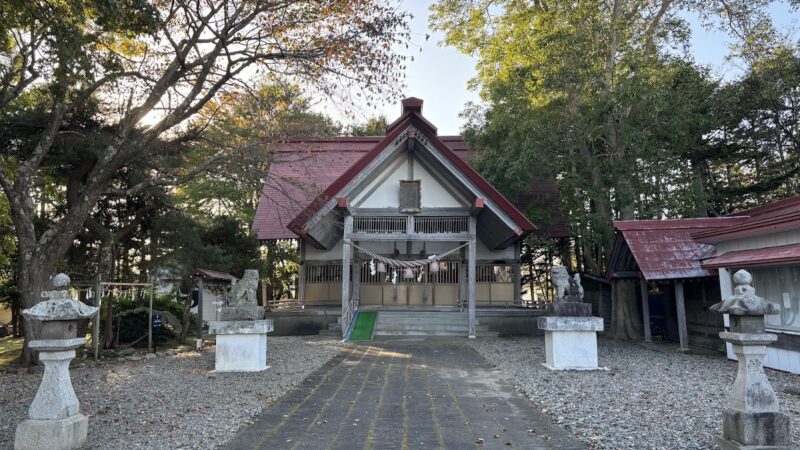
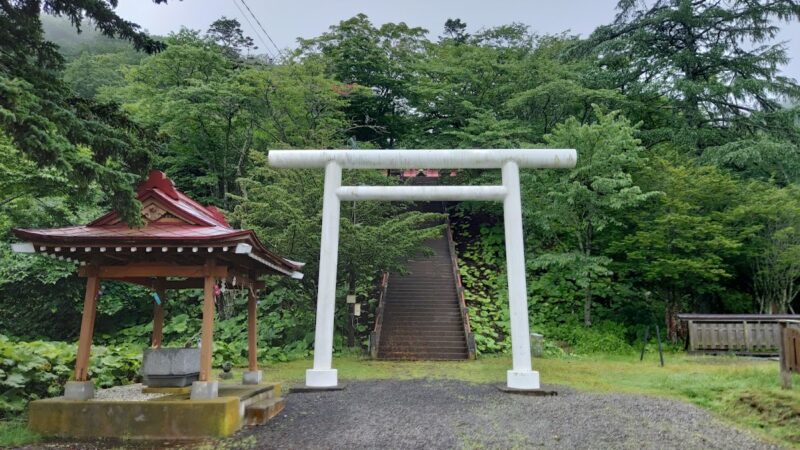
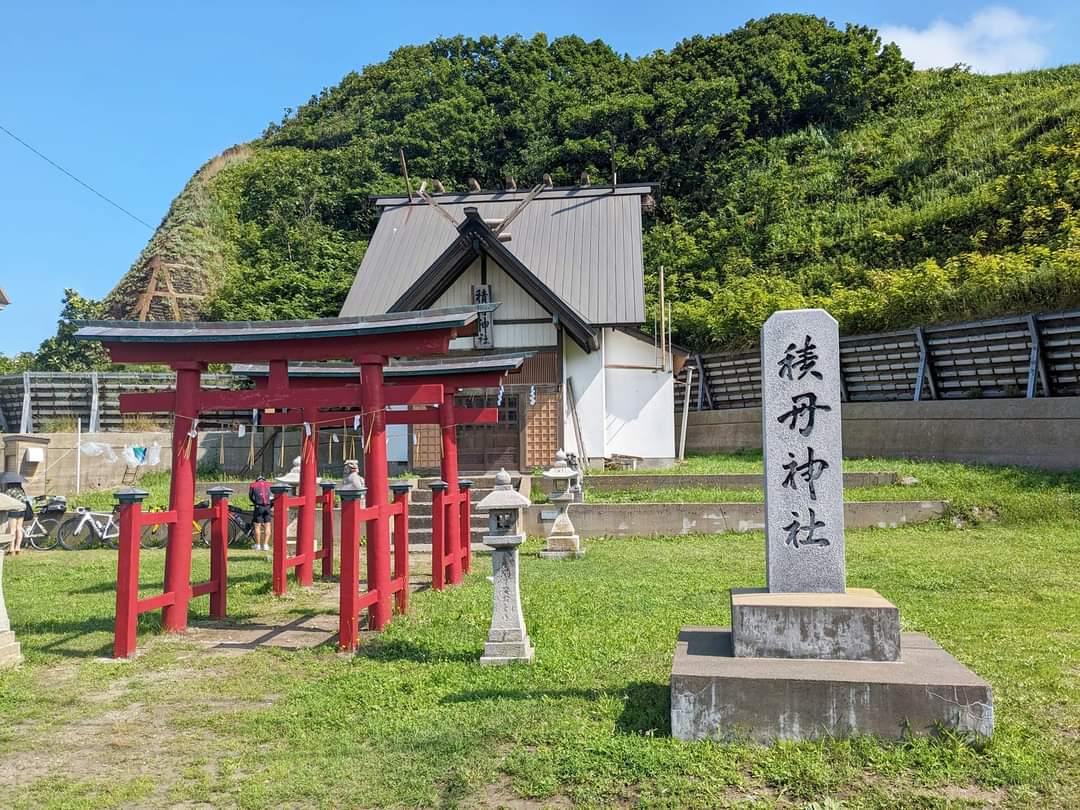
Located in Nozuka-cho, Shakotan-gun, Hokkaido, the Inari Shrine is a historic shrine situated overlooking the beautiful coastline of the Shakotan Peninsula. This article provides a detailed explanation of the shrine’s history, enshrined deities, blessings, access methods, and other information you should know before visiting.
Basic Information on Inari Shrine (Nozuka-cho)
Nozuka Inari Shrine is located at 233 Nozuka-cho, Shakotan-cho, Shakotan-gun, Hokkaido. Its corporate number is 5430005008148, assigned on October 5, 2015. Shakotan-cho is located in the northern part of the Shiribeshi region of Hokkaido and is known as a town occupying the central part of the Shakotan Peninsula.
Location and Postal Code
Address: 233 Nozuka-cho, Shakotan-cho, Shakotan-gun, Hokkaido
Postal Code: 〒046-0325
Corporate Number: 5430005008148
Nozuka-cho is an area within Shakotan-cho facing the Sea of Japan, and has a history of prosperity from herring fishing. Even today, it remains a thriving fishing area, and a belief in gratitude for the bounty of the sea is deeply rooted.
History and Origins of Inari Shrines
Spread of Inari Faith in Shakotan-cho
In addition to Nozuka Inari Shrine, Shakotan-cho has many other Inari shrines, including Kobari Inari Shrine, Chatsunai Inari Shrine, Horomui Inari Shrine, Irika Inari Shrine, Yobetsu Inari Shrine, and Kamimisaki Inari Shrine. This tradition stems from the Edo and Meiji periods, when, in conjunction with the development of Hokkaido and the flourishing herring fishing industry, a divided spirit was invited from Fushimi Inari Taisha in Kyoto.
Characteristics of Inari Shrines in Hokkaido
Inari shrines in Hokkaido have characteristics that differ from those in Honshu. In many cases, they were built to pray for safety in fishing, abundant catches, and business prosperity. Especially in fishing regions like the Shakotan Peninsula, Inari has been deeply revered as the god who presides over safety at sea and abundant catches.
Many Inari shrines in Hokkaido were founded after the Meiji period, receiving a divided spirit from Fushimi Inari Taisha in Kyoto. Sapporo Fushimi Inari Shrine was founded in 1884 (Meiji 17), and its current shrine building was constructed in 1907 (Meiji 40). Thus, a key characteristic is its close connection to the history of Hokkaido’s development.
Historical Background of Nozuka Town
The Shakotan Peninsula, including Nozuka Town, was once a prosperous region thanks to herring fishing, boasting luxurious buildings known as “herring palaces.” During the Edo period, it was under the control of the Matsumae Domain, and fishing was conducted under a contract system. In the Meiji era, large-scale development progressed, attracting many settlers.
Within this historical context, Nozuka Inari Shrine has played an important role as a spiritual center for local residents and a place to pray for the safety and prosperity of fishing.
Deities and Benefits
What is Inari-sama?
The main deity enshrined at Inari shrines is generally Ukanomitama-no-kami. Ukanomitama-no-kami has been worshipped since ancient times as the god who presides over grains and food. “Uka” is an archaic word meaning food, and the deity is widely revered as the god of abundant harvests, business prosperity, and industrial development.
Benefits of Nozuka Inari Shrine
Nozuka Inari Shrine is believed to offer the following benefits:
Abundant Harvest: Prayers for bountiful harvests and abundant catches in agriculture and fishing
Business Prosperity: Prayers for the development of local commercial activities
Maritime Safety: Prayers for the safety of those engaged in fishing
Family Safety: Prayers for the peaceful lives of local residents
Industrial Development: Prayers for the economic development of the entire region
In particular, in Shakotan Town, where fishing is thriving, the benefits of maritime safety and abundant catches have been highly valued. Even today, people involved in fishing and local residents can be seen visiting the shrine at the beginning and milestones of the season.
Relationship with Other Shrines in Shakotan Town
Kamui Shrine, the General Guardian Shrine of Shakotan County
Shakotan Town is home to Kamui Shrine, the general guardian shrine of Shakotan County. Kamui Shrine is considered the most prestigious shrine in the region, serving as the guardian deity of the entire Shakotan Peninsula. The various Inari shrines in the town, including Nozuka Inari Shrine, function as places of worship deeply rooted in their respective local communities.
Other Major Shrines
Shakotan Town also has the following shrines:
Bikuni Shrine: Located in Bikuni Town, it is a central shrine in the region.
Shakotan Shrine: An important shrine bearing the name of Shakotan Town.
Tamoki Shrine: The guardian deity of the Tamoki district.
Kawakami Shrine: Located in the Kawakami district.
Ishigami Shrine: A shrine that attracts the faith of the local community.
These shrines have each cultivated their own unique history and beliefs in their respective regions. Nozuka Inari Shrine, too, has been carefully preserved to this day as a center of faith rooted in the Nozuka Town area.
Geography and Tourism of Shakotan Town
Characteristics of the Shakotan Peninsula
Shakotan Town is located in the northern part of the Shiribeshi region of Hokkaido, in the central part of the Shakotan Peninsula. The peninsula jutting out into the Sea of Japan is known for its towering cliffs and crystal-clear waters, and is characterized by the beautiful color of the sea known as “Shakotan Blue.”
Area around Nozuka Town
Nozuka Town is an area within Shakotan Town that faces the coastline, with settlements formed around the fishing port. Beautiful coastlines stretch out around the area, and in the summer, it is bustling with tourists enjoying swimming and diving.
Shakotan Town Tourist Attractions
When visiting Shakotan Town, we recommend also visiting the following tourist attractions:
Cape Kamui: Located at the tip of the Shakotan Peninsula, offering spectacular views
Shimamui Coast: A beautiful coast selected as one of Japan’s Top 100 Beaches
Ogon Cape: A cape that evokes the history of the town’s once prosperous herring fishing industry
Shakotan Cape: A representative scenic spot of the Shakotan Peninsula
Herring Road Monument: Located in Funama, Bikuni Town, it tells the history of herring fishing
Shakotan Town’s Local Products
Shakotan Town is rich in seafood, and the following local products are particularly famous:
Sea Urchin: In season from June to August, a representative taste of Shakotan
Cod: A representative seafood of winter
Atka Mackerel: Can be enjoyed throughout the year
Abalone: Highly prized as a luxury ingredient Kelp: A region known for its high-quality kelp.
Enjoying these seafood delicacies is one of the highlights of your trip to Nozuka Inari Shrine.
Access and Visiting Information
Access by Car
Nozuka Inari Shrine is easily accessible by car. It takes approximately 2 hours 30 minutes to 3 hours from Sapporo city via National Route 5 and National Route 229 (Oiwake Soran Line).
From Sapporo City: National Route 5 → Otaru City → Yoichi Town → National Route 229 → Nozuka Town, Shakotan Town
From Otaru City: National Route 5 → Yoichi Town → National Route 229 → Nozuka Town, Shakotan Town (approximately 1 hour 30 minutes)
National Route 229 is a scenic route along the Sea of Japan, making the drive itself enjoyable. However, caution is advised regarding snow and icy roads during winter.
Access by Public Transportation
If using public transportation, take a Hokkaido Chuo Bus route bus from Yoichi Station or Otaru Station. However, since the number of buses is limited, it is recommended to check the timetable in advance.
Nearest Bus Stop: Nozuka Bus Stop (within walking distance)
Points to Note When Visiting
Nozuka Inari Shrine is a local shrine, so there may not be a resident priest. While visiting is generally free, please note the following:
- Be quiet on the shrine grounds
- Always take your trash with you
- Respect the fact that this is a residential area for local residents
- Take photographs within reasonable limits
- Visiting may be difficult in winter due to snowfall
Nearby Accommodations
Shakotan Town has many guesthouses and inns, many of which offer fresh seafood. Reservations fill up quickly during the summer tourist season, so early booking is recommended.
Main Accommodation Areas:
- Biko District (Center of Shakotan Town)
- Yobetsu District
- Hishi District
Best Time to Visit
The best time to visit Nozuka Inari Shrine is as follows:
Spring (April-May): The snow is melting and the fresh greenery is beautiful.
Summer (June-August): It’s the peak season for sea urchins, and there are many tourists. You can also enjoy marine leisure activities.
Autumn (September-October): You can enjoy the autumn leaves and autumn delicacies.
Winter (November-March): There is snow, and access may be difficult.
Hokkaido Inari Shrine Network
Major Inari Shrines in Hokkaido
There are many Inari shrines in Hokkaido, each attracting local faith. Major Inari shrines include:
Sapporo Fushimi Inari Shrine (2-2-17 Fushimi, Chuo-ku, Sapporo):
Established in 1884, with a divided spirit invited from Kyoto’s Fushimi Inari Taisha. Known for its scenic view of 27 vermilion torii gates, it is a popular power spot representing Sapporo. The shrine building was constructed at its current location in 1907 (Meiji 40), it was ranked as a village shrine in 1919 (Taisho 8), and elevated to a regional shrine in 1941 (Showa 16).
Inari Shrine (5-5-2 Saiwai-cho, Kitami City): An Inari shrine located in Kitami City, worshipped as the guardian deity of local commerce and industry development.
Shiomigaoka Shrine (1-10 Wakatake-cho, Otaru City): Located on a hill in Otaru City, this shrine has watched over the development of the port town of Otaru.
Nanaehama Inari Shrine (2-35-10 Nanaehama, Hokuto City): Located in Hokuto City near Hakodate, it is revered by local residents.
Inari Shrine (Abuta District): Founded in 1804 (Bunka 1) by the Matsumae Domain to pray for the prosperity of the Abuta area. The shrine was established at its current location following the opening of the Nagarin Line (present-day Muroran Main Line) after a divided spirit was invited from Fushimi Inari Taisha in Kyoto.
Inari Shrines in Shakotan Town
The following Inari shrines are scattered throughout Shakotan Town:
- Kobari Inari Shrine
- Chatsunai Inari Shrine
- Horomui Inari Shrine
- Irika Inari Shrine
- Nozuka Inari Shrine
- Yobetsu Inari Shrine
- Kamisaki Inari Shrine
These Inari shrines have played a central role in the local community, serving as places to pray for the safety and prosperity of fishing in their respective settlements.
The Significance and Modern Role of Inari Faith
The Essence of Inari Faith
Inari faith originally began as a belief in praying for a bountiful harvest in agricultural societies. The name “Inari” is said to originate from the phrase “rice ripening.” Over time, with the development of commerce and industry and the diversification of sectors, Inari has come to be widely worshipped as a deity of business prosperity and industrial development.
Inari Worship in Fishing Regions
In fishing regions like Shakotan Town, Inari has been worshipped as a deity that brings safety at sea and abundant catches. This is because the essential divine virtues of “fertility” and “prosperity” associated with Inari were applied not only to agriculture but also to fishing.
As a Center of the Local Community
Local shrines, including Nozuka Inari Shrine, have served not only as places of worship but also as centers of the local community. Through festivals and religious ceremonies, they deepen the bonds between residents and foster a sense of community unity.
Significance in Modern Times
Even in modern times, Nozuka Inari Shrine plays an important role as a spiritual anchor for local residents. In regions facing challenges such as a declining birthrate, an aging population, and population decrease, preserving and passing on traditional beliefs is of great significance in maintaining the region’s identity.
Etiquette and Manners for Visiting a Shrine
Basic Etiquette for Visiting a Shrine
The basic etiquette for visiting an Inari shrine is as follows:
- Bow before passing through the torii gate: Show respect for entering the sacred area.
- Purify yourself at the water basin: If there is a water basin, purify your hands and mouth.
- Walk along the edge of the path: The center of the path is considered the path of the gods.
- Bow in front of the main hall: Bow lightly in front of the offering box.
- Place your offering: Quietly place your offering in the offering box.
- Ring the bell: If there is a bell, ring it.
- Two bows, two claps, one bow: Bow deeply twice, clap twice, and bow deeply once.
- Bow upon leaving: Turn around and bow before leaving the torii gate.
Considerations at Local Shrines
At community-oriented shrines like Nozuka Inari Shrine, please be mindful of the following:
- Respect the fact that it is within the living area of local residents.
- Avoid making loud noises.
- Cherish the shrine’s facilities and natural environment.
- Take photographs with moderation.
- Respect local customs and traditions.
History and Culture of Shakotan Town
The Golden Age of Herring Fishing
The prosperity of herring fishing is indispensable when discussing the history of Shakotan Town. From the Edo period to the early Showa period, the Shakotan Peninsula flourished as a major center of herring fishing. Luxurious buildings known as “herring palaces” lined the streets, and it was said that “May in Esashi is unmatched even in Edo,” boasting such prosperity.
Herring Road Monument
In Funama, Bikuni Town, stands the “Herring Road Monument,” which conveys the prosperity of that era. This monument is an important cultural asset that transmits the history of the region, which prospered from herring fishing, to future generations.
Changes in the Fishing Industry
After the decline of herring fishing, Shakotan Town’s fishing industry diversified, and today it lands a variety of seafood including sea urchins, abalone, octopus, and Atka mackerel. Fresh sea urchins, in particular, are a representative specialty of Shakotan Town and are known nationwide.
Development as a Tourist Destination
In recent years, Shakotan Town has become a popular tourist destination, attracting visitors seeking its beautiful natural scenery and fresh seafood. The crystal-clear waters known as “Shakotan Blue,” the dramatic cliffs, and the fresh seafood all captivate many visitors.
Summary
The Inari Shrine, located in Nozuka-cho, Shakotan-gun, Hokkaido, is an important shrine that conveys the history and culture of the Shakotan Peninsula. From the era of prosperous herring fishing to the present day, it has been a place of worship for local residents, watching over the safety and prosperity of the sea.
When visiting Shakotan Town, in addition to enjoying the beautiful natural scenery and fresh seafood, why not visit local shrines, including Nozuka Inari Shrine, and experience the history and culture of the region? Visiting the shrine will allow you to experience the profound charm of Shakotan Town more deeply.
Nozuka Inari Shrine, a symbol of Hokkaido’s pioneering history, fishing history, and the bonds of the local community, will undoubtedly continue to be carefully preserved for generations to come. When planning a trip to Shakotan Town, be sure to include a visit to this historic Inari Shrine in your itinerary.