Horoni Shrine Complete Guide | History, Deities, Access, and Goshuin Information – A Thorough Explanation
Horoni Shrine is a historic shrine located in Erimo Town, Horozumi District, Hokkaido. Founded during the Meiji era’s pioneering period, it has served as a spiritual center for the community, attracting the faith of its people for over 120 years. This article provides a detailed explanation of Horoni Shrine’s history, deities, annual festivals, access methods, and Goshuin information—all essential information before visiting.
What is Horoni Shrine?
Horoni Shrine is located in the Horoni district of Erimo Town, within the Hidaka Subprefecture, in southeastern Hokkaido. Founded in 1901 (Meiji 34), it remains a historical shrine revered by local residents and is carefully preserved to this day.
Erimo Town, facing the Pacific Ocean, has long been inhabited by the Ainu people, and full-scale development began in the Meiji era. Horoni Shrine, having walked hand-in-hand with this pioneering history, is an important cultural heritage site for the region. ### Characteristics of the Shrine
Horoni Shrine is a shrine that has protected the region amidst the harsh climate and natural environment of Hokkaido. As a place where the faith and love for the region of the pioneers bore fruit, it continues to attract many worshippers.
History of Horoni Shrine
Circumstances of Village Founding and Shrine Establishment
The history of Horoni Village begins around 1877 (Meiji 10). During this period, the Hokkaido Development Commission promoted an active migration policy, and many pioneers migrated to Hokkaido from various parts of Honshu. The Horoni area also gradually increased in population amid this wave of development.
As the village developed, the momentum for establishing a shrine grew among the pioneers. In January 1901 (Meiji 34), three volunteers, led by Mr. Jisaburo Goto, applied for the establishment of a shrine. This movement was a manifestation of the earnest desire of people seeking a spiritual anchor amidst the harsh life of pioneering.
Establishment of the Shrine
On May 27, 1901 (Meiji 34), permission for the establishment of the shrine was officially granted. The local residents, having received permission, dedicated all their efforts to the construction of the shrine, and the main building was completed in August of the same year. The completion in such a short period of time—just a few months—demonstrates the strong faith and unity of the local residents.
The original shrine building, while robust enough to withstand Hokkaido’s harsh natural environment, was a simple structure built with the limited materials and techniques of the pioneering era. However, it embodied the pioneers’ devout reverence for the gods.
From Meiji to Taisho and Showa Eras
After its establishment, Horoni Shrine developed as a central presence in the local community. In the Taisho era, with the development of fishing and agriculture, the population of the Horoni area increased further, and the role of the shrine became increasingly important.
During the Showa era, despite experiencing the turbulent times of the pre-war, wartime, and post-war periods, it continued to function as a spiritual anchor for the local residents. Especially during wartime, it played an important role as a place to pray for the continued good fortune of soldiers going off to war, and after the war, as a place of prayer for people hoping for reconstruction.
The Heisei and Reiwa Eras
In the Heisei era, while facing new challenges such as depopulation and an aging population, the shrine was maintained through the efforts of local residents and parishioners. Regular repairs to the shrine buildings and maintenance of the grounds were carried out, ensuring that the spirit of its founding is passed down to the present day.
Even in the Reiwa era, Horoni Shrine continues to hold various festivals throughout the year, functioning as a place that strengthens the ties of the local community.
About the Deities Enshrined
Regarding the deities enshrined at Horoni Shrine, information based on the records of the Hokkaido Shrine Association is important. Like many shrines in Hokkaido, it is believed that deities are enshrined as guardians of pioneering and as gods prayed to for the development of local industries.
Common Deities Enshrined at Shrines in Hokkaido
In shrines in Hokkaido founded during the Meiji period, the following deities are commonly enshrined:
- Amaterasu Omikami: As the supreme deity of Japan, she is enshrined in many shrines.
- Okuninushi no Kami: Worshipped as the god of pioneering and industry.
- Toyouke Hime no Kami: Revered as the god of abundant harvests and industrial development.
- Honda Wake no Kami: Known as the god of military fortune and victory, she is also known as Hachiman.
For specific deities enshrined at Horoni Shrine, we recommend checking with the shrine office during your visit.
Annual Festival and Events
Annual Festival
At Horoni Shrine, the annual festival is held on a designated day each year. The annual festival is the most important event for the shrine and a valuable opportunity for local residents to gather together.
During the annual festival, Shinto rituals such as the recitation of prayers by Shinto priests and the offering of sacred branches are solemnly performed, praying for the safety and prosperity of the community and the health and happiness of the parishioners. Following the rituals, a celebratory feast (naorai) is held, fostering camaraderie among participants.
Main Annual Events
In addition to the annual festival, Horoni Shrine holds the following annual events:
New Year’s Day Festival (January 1st)
A festival to welcome the new year and pray for safety and prosperity throughout the year. Many worshippers visit for their first shrine visit of the year.
Prayer Festival (Spring)
A festival to pray for a bountiful harvest and the development of industry in the coming year.
Niiname-sai (Autumn)
A festival to give thanks for the harvest and to offer the new grain to the gods.
Great Purification Ceremony (June & December)
This Shinto ritual purifies the sins and impurities accumulated over the past six months, and includes a summer purification ceremony and a year-end purification ceremony.
Highlights of the Shrine Grounds
Shrine Building
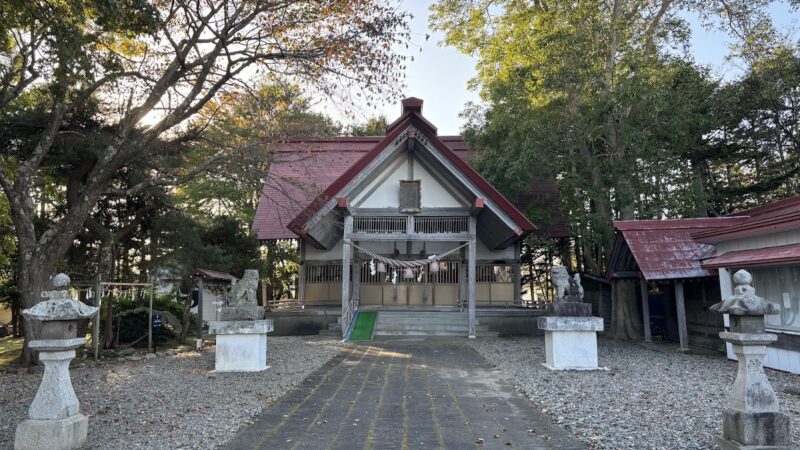
The shrine building of Horoni Shrine is a structure with a history of over 120 years since its founding. It has withstood Hokkaido’s harsh climate and has been maintained as the center of local faith.
The style of the shrine building retains the characteristics of Meiji-era shrine architecture, while necessary repairs have been made over time. The simple yet solemn atmosphere of the shrine building conveys the faith of the pioneers of the time.
Nature of the Shrine Grounds
The grounds of Horoni Shrine are surrounded by Hokkaido’s rich nature. You can enjoy the beautiful scenery of each season: fresh greenery in spring, deep green in summer, autumn leaves in fall, and snowscapes in winter.
Some of the trees planted on the grounds are believed to have been growing since the shrine’s founding, quietly watching over the history of the shrine. ## Access Information
Location
Address: Horoni, Erimo-cho, Horozumi-gun, Hokkaido
Horoni Shrine is located in the Horoni district of Erimo-cho. It is situated in an area facing the Pacific Ocean, surrounded by abundant nature.
Access by Car
From Sapporo
- Take the Hokkaido Expressway towards Tomakomai
- Head south on National Route 235 (Hidaka Expressway)
- Proceed towards Erimo-cho and reach the Horoni district
- Travel time: Approximately 3 hours 30 minutes to 4 hours
From Obihiro
- Head south on National Route 236
- Head towards Erimo-cho
- Travel time: Approximately 2 hours 30 minutes to 3 hours
Erimo-cho is located at the southeastern tip of Hokkaido, so it is a distance away, but you can enjoy the magnificent scenery of Hokkaido along the way.
Access by Public Transportation
Erimo Town is accessible by public transportation, but the number of services is limited, so it is necessary to check the timetable in advance.
Bus
- Take a bus bound for Erimo from JR Samani Station.
- Get off at Horonai area.
- Since the number of buses is limited, please check the timetable in advance.
Parking
There is parking space for visitors around the shrine. It may get crowded during major events such as festivals, so it is recommended to visit with plenty of time to spare.
Goshuin (Shrine Seal) Information
About Goshuin
Regarding the issuance of Goshuin at Horonai Shrine, the procedure may vary depending on the size of the shrine and whether or not there is a resident Shinto priest.
In many shrines in rural areas of Hokkaido, they are managed by Shinto priests from other shrines, and Goshuin may not be available at all times. If you wish to receive a Goshuin (temple/shrine stamp), please note the following:
- Prior Contact: If possible, it is recommended to contact the Hokkaido Shrine Association or a nearby shrine before your visit.
- Visiting on Festival Days: On days of major festivals such as annual festivals, there is a higher chance that Shinto priests will be present.
- Pre-written Goshuin Available: In some cases, pre-written Goshuin may be available instead of being written directly.
Manners When Receiving a Goshuin
A Goshuin is not merely a stamp rally; it is a token of your worship. Please observe the following manners:
- Complete your worship first before receiving your Goshuin.
- Prepare a Goshuincho (notebook, etc., is inappropriate).
- Prepare a donation (generally around 300-500 yen).
- Remember to express your gratitude to the Shinto priest.
- Obtain permission before taking photographs.
Manners and Etiquette for Worship
Basic Worship Etiquette
There are traditional manners for worshipping at shrines. When visiting Horoni Shrine, please observe the following basic etiquette:
How to pass through the torii gate
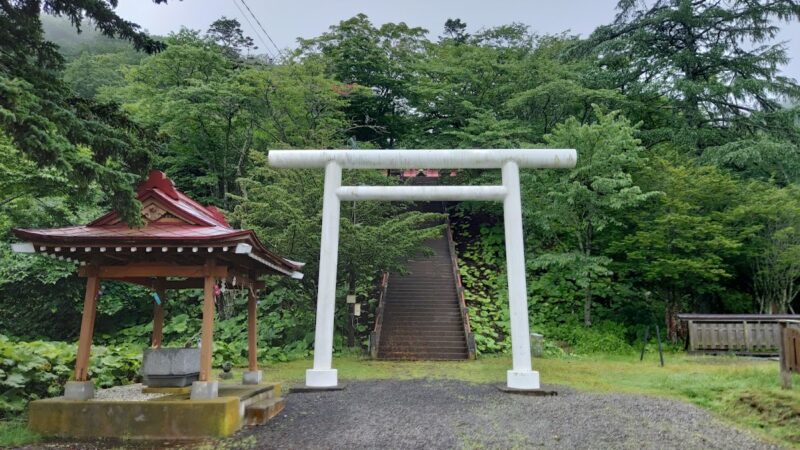
- Bow before the torii gate.
- Walk along the edge of the path, as the center is the path for the gods.
- When leaving, turn around and bow after passing through the torii gate.
How to wash your hands
- Hold the ladle in your right hand and wash your left hand.
- Switch the ladle to your left hand and wash your right hand.
- Switch the ladle back to your right hand, receive water in your left hand, and rinse your mouth.
- Wash your left hand again.
- Hold the ladle upright, wash the handle, and return it to its original position.
How to perform the ritual at the main hall (two bows, two claps, one bow)
- Quietly place your offering in the offering box.
- If there is a bell, ring it.
- Bow deeply twice.
- Clap your hands twice.
- Pray with your hands clasped together.
- Finally, bow deeply once.
Regarding Attire
While there are no strict rules about clothing for visiting the shrine, it’s important to dress respectfully and modestly, keeping in mind that you are going to meet the gods. Formal attire is especially desirable when attending formal events such as the annual festival.
Attractions in Erimo Town
When visiting Horonai Shrine, we recommend also visiting other tourist spots in Erimo Town.
Cape Erimo
Cape Erimo, a representative tourist destination of Erimo Town, is a famous Hokkaido landmark known from the song “Erimo’s spring is a spring with nothing.” From the cape jutting out into the Pacific Ocean, you can enjoy a magnificent panoramic view of the sea.
Erimo Town Local History Museum
This facility allows you to learn about the history, culture, and nature of Erimo Town. There are also exhibits on Ainu culture and the history of settlement, which are helpful in understanding the historical background of Horonai Shrine.
Hyakunin-hama Beach
This scenic spot features a sandy beach stretching for approximately 15 kilometers. This place also has a sad history, as many shipwreck victims once drifted ashore here.
Hokkaido’s Shrine Culture
Development and Shrines
Many shrines in Hokkaido, like Horoni Shrine, were founded during the Meiji era’s pioneering period. Pioneers sought spiritual support by inviting divided spirits from their hometown shrines or by establishing new shrines.
Hokkaido’s shrines functioned not only as places of worship but also as centers of community for the pioneers, as well as as centers of education and culture. Horoni Shrine is one such shrine that has played such a historical role.
Relationship with Ainu Culture
Even before the construction of shrines, Hokkaido had its own unique religious culture practiced by the Ainu people. Their culture of finding and revering gods (kamuy) in nature remains an important part of Hokkaido’s spiritual culture today.
The Horoni area was originally inhabited by the Ainu people, and the place name “Horoni” is thought to originate from the Ainu language. Understanding this cultural background of the indigenous people is crucial to understanding the history of the shrine.
Points to Note When Visiting the Shrine
Visiting the Shrine in Winter
Winter in Hokkaido is extremely harsh, and Erimo Town in particular is known for its strong winds. If you are visiting in winter, please note the following:
- Take sufficient precautions against the cold
- Be careful of icy roads
- Winter tires or chains are essential
- Do not force yourself to go if the weather deteriorates
Visiting in Summer
Summer is a relatively easy season to visit, but please note the following:
- Bring a hat and sunscreen on sunny days
- Take insect repellent (especially in forested areas)
- Stay hydrated by drinking water frequently
Photography
Photography is generally permitted on the shrine grounds, but please observe the following manners:
- Obtain permission before photographing inside the shrine buildings
- Refrain from taking photographs during festivals
- Be considerate of other visitors
- Post on social media with moderation
Horoni Shrine and the Local Community
Center of the Local Community
For over 120 years since its founding, Horoni Shrine has played a central role in the local community. Annual festivals and other events provide valuable opportunities for local residents to gather and deepen their bonds.
Even amidst depopulation and an aging population, the efforts of local people who continue to protect the shrine ensure that traditions are passed down to future generations.
Parishioners’ Organization and Maintenance
The maintenance of the shrine is supported by the parishioners’ organization. Many tasks, such as repairing the shrine buildings, cleaning the grounds, and preparing for festivals, are carried out by the volunteers of the parishioners.
Visitors can also contribute to the maintenance of the shrine through offerings and donations. These donations are carefully used for the maintenance of the shrine buildings and the execution of festivals.
Frequently Asked Questions
Visiting Hours
Horoni Shrine is generally open for worship 24 hours a day. However, since the shrine office’s operating hours are limited, it is recommended to check in advance if you wish to receive a Goshuin (shrine stamp) or prayer.
Prayers
If you wish to have a prayer for yourself or your family, you must contact the shrine in advance. You can inquire through the Hokkaido Shrine Association or nearby shrines.
Pet Policy
Regarding pets, policies vary by shrine. If you wish to bring your pet onto the shrine grounds, please check in advance and be considerate of other visitors.
Summary
Since its founding in 1901 (Meiji 34), Horoni Shrine has served as a spiritual center for the Horoni district of Erimo Town, boasting a history of over 120 years. As a shrine embodying the faith and love for the community of the pioneers, it is still carefully preserved today.
Surrounded by the magnificent nature facing the Pacific Ocean, Horoni Shrine has walked hand in hand with the local community amidst Hokkaido’s harsh yet beautiful climate. It is a valuable place where you can experience the history of pioneering and the local culture through worship.
When visiting Erimo Town, please be sure to stop by Horoni Shrine and offer a quiet prayer. You will be able to spend a peaceful time in this place of faith that the pioneers have protected.
For those interested in visiting shrines in Hokkaido, those curious about Japan’s pioneering history, or simply those seeking a peaceful place to calm their minds, Horoni Shrine is a place well worth visiting. As a special shrine where you can experience history, nature, and the warmth of the local people, it will undoubtedly continue to be cherished by many people for years to come.