Inari Shrine (Kyowa-cho, Iwanai-gun, Hokkaido) Complete Guide | History, Access, and Deity Information
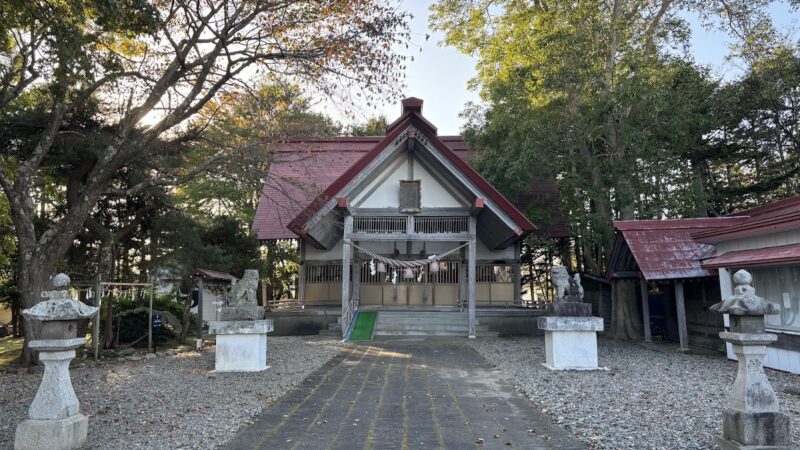
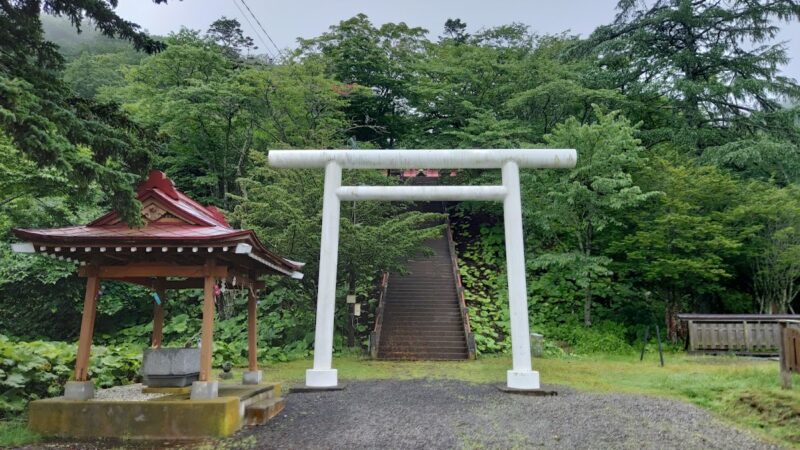
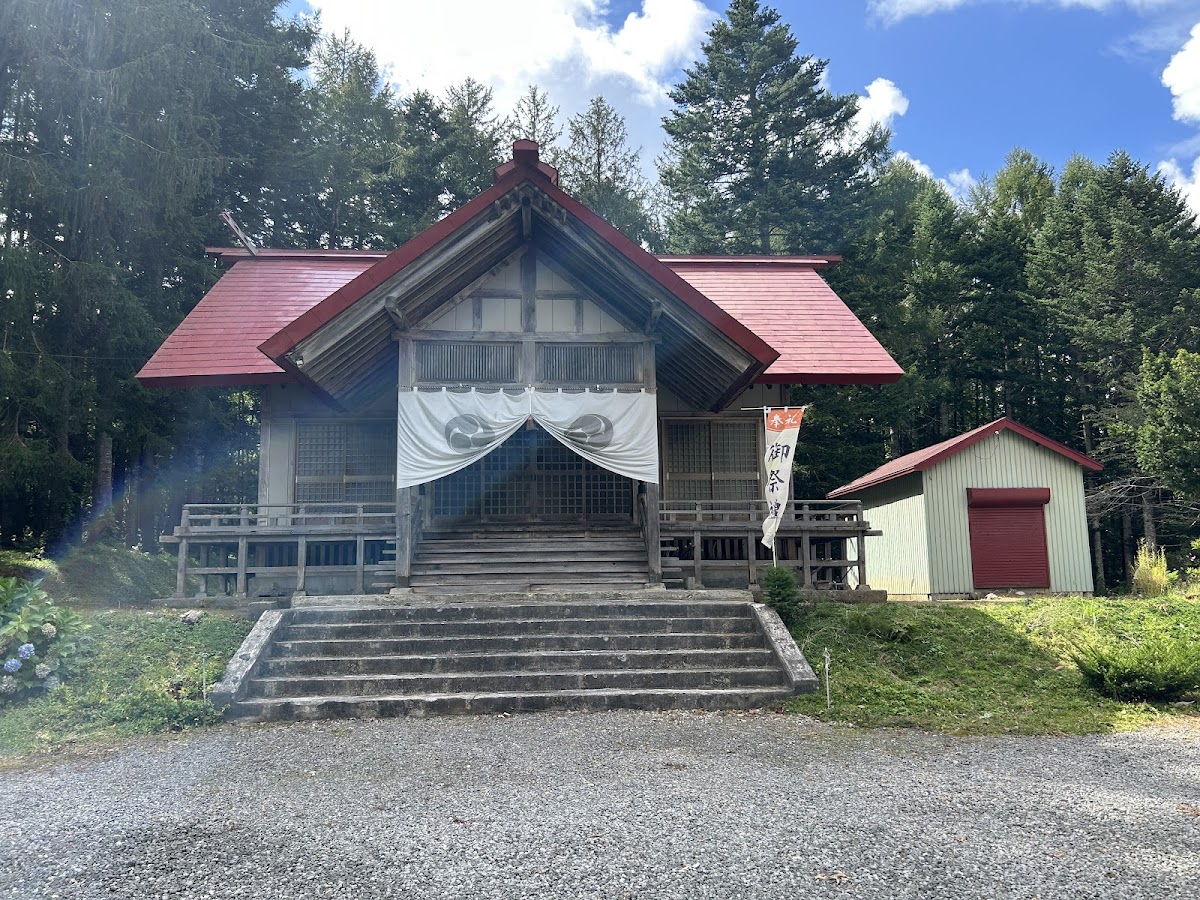
The Inari Shrine, located in Kyowa-cho, Iwanai-gun, Hokkaido, is a historical shrine that attracts the faith of local residents. This article provides detailed information about the Inari Shrine, from its basic information to its history, enshrined deities, access methods, and surrounding area.
Basic Information about the Inari Shrine
Location and Contact Information
The Inari Shrine is located in Kunifutomi, Kyowa-cho, Iwanai-gun, Hokkaido. The exact address is as follows:
- Address: 1574-5 Kunifutomi, Kyowa-cho, Iwanai-gun, Hokkaido 048-2143
- Corporate Number: 7430005008583
- Jurisdiction: Hokkaido Shrine Association
Overview of the Shrine
The Inari Shrine is one of the approximately 30,000 Inari-type shrines said to exist nationwide, and there are numerous Inari Shrines in Hokkaido alone. The Inari Shrine in Kyowa Town has long been a beloved place for local residents to pray for abundant harvests, business prosperity, and family safety.
Deities and Divine Virtues of the Inari Shrine
About the Deities
The main deities enshrined at Inari Shrines are generally the following gods:
- Ukanomitama-no-kami: God of grains and food
- Ukemochi-no-kami: God of food
- Ukanomitama-no-mikoto: Another name for Inari-no-kami
Originally worshipped as a god of agriculture and grain, Inari-no-kami has come to be widely revered as a god of business prosperity and industrial development over time.
Divine Virtues
The main divine virtues that can be prayed for at Inari shrines are as follows:
- Abundant Harvest: Prayers for a bountiful harvest of crops
- Business Prosperity: Success and development of business
- Family Safety: Health and peace of mind for the family
- Industrial Promotion: Development of local industries
- Good Fortune and Happiness: Improvement of luck and the arrival of happiness
History of Inari Faith and its Development in Hokkaido
Origin of Inari Faith
Inari faith has its head shrine at Fushimi Inari Taisha in Kyoto, and is said to have been founded in 711 during the Nara period. Many Inari shrines throughout Japan were founded by receiving a divided spirit from Fushimi Inari Taisha, making it the largest number of shrines in Japan.
Development of Inari Shrines in Hokkaido
After the Meiji era, when the development of Hokkaido began in earnest, Inari faith was also introduced to Hokkaido by people who migrated from Honshu. Beginning with the Sapporo Fushimi Inari Shrine, which enshrined a分霊 (bunrei, a divided spirit) from the Kyoto Fushimi Inari Taisha in 1884 (Meiji 17), Inari shrines were established throughout the region.
The Inari shrine in Kyowa Town is also thought to have been founded amidst this spread of faith during the Hokkaido pioneering period. The pioneers brought their homeland’s faith to their new land, praying for stability in their lives amidst the harsh natural environment and for abundant harvests.
Regional Characteristics of Kyowa Town and the Inari Shrine
About Kyowa Town
Kyowa Town is located in Iwanai District, under the jurisdiction of the Shiribeshi General Subprefectural Bureau of Hokkaido, in the northwestern part of the Niseko mountain range. Agriculture is the main industry, with particularly thriving cultivation of potatoes and pumpkins.
- Population: Approximately 3,000 (as of 2024)
- Area: Approximately 304.94 square kilometers
- Major Industries: Agriculture, Forestry
- Specialty Products: Potatoes, Pumpkins, Asparagus
Characteristics of the Kunifu District
The Kunifu district, where the Inari Shrine is located, is a thriving agricultural area within Kyowa Town. The name “Kunifu” is said to have been given with the wish for the nation to prosper, making it a fitting name for the Inari Shrine, which prays for a bountiful harvest.
How to Access the Inari Shrine
Access by Car
Access to the Inari Shrine is convenient by car.
- From Sapporo: Approximately 2 hours 30 minutes via National Route 5
- From Otaru: Approximately 1 hour 30 minutes via National Route 5
- From Niseko: Approximately 40 minutes via Prefectural Route 66
From the center of Kyowa Town, head towards Kunitomi and follow the signs.
Access by Public Transportation
If using public transportation:
- Nearest Station: JR Hakodate Main Line “Ozawa Station” (approximately 15km)
- Bus: Niseko Bus operates, but the number of services is limited, so it is necessary to check the timetable in advance.
In rural areas of Hokkaido, travel by car is the norm, so we recommend using a rental car.
Information on Nearby Shrines and Temples
Major Shrines in the Iwanai District Area
The following shrines are located near Kyowa-cho Inari Shrine:
- Tomari Village Inari Shrine: Located at 84 Horikabu-mura, Tomari-mura, Kou-gun
- Iwanai Shrine: The main shrine located in the center of Iwanai Town
- Kaminai Shrine: The guardian deity of Kaminai Village
These shrines also play an important role in their respective regions as centers of local faith.
Inari Shrines in the Shiribeshi Region
The Shiribeshi region has numerous Inari shrines scattered throughout, each attracting faith that reflects the characteristics of its region. Inari shrines also exist in Otaru City and Kutchan Town, forming a network of Inari faith throughout the Shiribeshi region.
Overview of Inari Shrines Nationwide
Distribution of Inari Shrines Nationwide
There are over 2,655 shrines named “Inari Shrine” nationwide, and the total number of Inari-related shrines is estimated to reach approximately 30,000. This represents approximately one-third of all shrines throughout Japan.
Distribution of Inari Shrines by Prefecture
Inari shrines exist in all prefectures, but they are particularly concentrated in the following regions:
- Kinki Region: Kyoto Prefecture, Osaka Prefecture, Hyogo Prefecture, and other areas close to the head shrine
- Kanto Region: Tokyo, Kanagawa Prefecture, Saitama Prefecture, and other densely populated areas
- Tohoku Region: Aomori Prefecture, Iwate Prefecture, Miyagi Prefecture, Akita Prefecture, Yamagata Prefecture, Fukushima Prefecture
- Hokkaido: Shrines built after the pioneering period are scattered throughout the region
Characteristics of Inari Shrines
The following are common characteristics of Inari shrines throughout Japan:
- Vermilion Torii Gates: Vermilion torii gates are known as a symbol of Inari shrines
- Fox Statues: Stone or ceramic statues of foxes, considered messengers of the Inari god
- Faith in Commercial Areas: Many are located near shopping streets and markets
- Guardian Deities of Companies: Often enshrined on company premises
Representative Inari Shrines of Hokkaido
Sapporo Fushimi Inari Shrine
One of the most famous Inari shrines in Hokkaido is the Sapporo Fushimi Inari Shrine, located in Fushimi, Chuo-ku, Sapporo City.
- Address: 2-2-17 Fushimi, Chuo-ku, Sapporo City, Hokkaido 064-0942
- Founded: 1884 (Meiji 17)
- Features: Famous for its approach lined with 27 vermilion torii gates
- Deities Enshrined: Ukanomitama-no-kami, Omiyanome-no-kami, Sadahiko-no-Okami
It was relocated to its current location at the foot of Mt. Moiwa in 1907 (Meiji 40), and is a popular tourist spot in Sapporo.
Inari Shrines of Hakodate
Several Inari shrines also exist in Hakodate City, serving as places of worship that support the commercial development of the port town. With the opening of Hakodate port, commerce flourished, and Inari worship spread as the god of business prosperity.
Inari Shrines in Otaru
An Inari shrine is also located in Otaru City, and it has watched over the commercial development of Otaru, which once flourished as the economic center of Hokkaido.
Annual Festivals and Events of Inari Shrines
General Annual Festivals of Inari Shrines
Inari shrine festivals are often held during the following periods:
- Hatsuumasai (First Horse Day Festival): The first Horse Day of February
- Spring Grand Festival: April-May
- Autumn Grand Festival: September-November
The Hatsuumasai is a festival unique to Inari shrines, and is held at Inari shrines throughout Japan in commemoration of the founding date of Fushimi Inari Taisha.
Annual Events at Shrines in Hokkaido
In Hokkaido, the timing of annual festivals may differ from that in Honshu, taking into account the harsh winter climate. Many shrines hold their main festivals from spring after the snow melts through to autumn.
Etiquette for Visiting Inari Shrines
Basic Worship Method
The basic etiquette for visiting an Inari shrine is as follows:
- Bow before passing through the torii gate: A courtesy before entering the sacred area
- Purify yourself at the water basin: Purify your left hand, then your right hand, then your mouth
- Avoid walking in the center of the path: The center is the path for the gods
- Bow twice, clap twice, and bow once in front of the main hall: General shrine worship etiquette
- Bow once after leaving the torii gate: A courtesy when leaving the sacred area
Points Unique to Visiting Inari Shrines
In some regions, it is customary to offer fried tofu to the fox statues at Inari shrines. This stems from the belief that foxes are messengers of Inari, and that fried tofu is a favorite food of foxes. However, when actually making an offering, please follow the shrine’s regulations. ## Tourism in Kyowa Town and Inari Shrine
Tourist Spots in Kyowa Town
When visiting Inari Shrine, we recommend also visiting other tourist spots in Kyowa Town:
- Shinsennuma: A high-altitude wetland in the Niseko mountain range, famous for its autumn foliage
- Weiss Cold Region Agricultural Research Institute: An exhibition facility showcasing agricultural technology
- Kakashi Furusato-kan: A museum where you can learn about the history and culture of the region
- Raiden Watermelon: A specialty product of Kyowa Town
Collaboration with the Niseko Area
Kyowa Town is adjacent to the Niseko area, making it possible to create travel plans that combine Kyowa Town with Niseko tourism. It’s a region that can be enjoyed throughout the four seasons, with outdoor activities in summer and skiing in winter.
Social Role of Inari Shrine
Center of the Local Community
Inari Shrine is not merely a place of worship, but also plays a central role in the local community. Through festivals and cleaning activities, it serves as a place for interaction among local residents.
Value as a Cultural Asset
Historical shrines are valuable cultural assets that convey the history and culture of the region. Architectural styles, ritual implements, and ancient documents are important resources for understanding the history of the area.
Potential as a Tourism Resource
In recent years, shrine pilgrimages and collecting Goshuin (shrine stamps) have become popular, and the value of Inari shrines as a tourism resource is being re-evaluated. Inari shrines in Hokkaido, in particular, have unique stories linked to the history of pioneering.
Network of the Hokkaido Shrine Association and Inari Shrines
Role of the Hokkaido Shrine Association
The Hokkaido Shrine Association is an organization that oversees shrines in Hokkaido, providing support for shrine management, training of Shinto priests, and guidance on rituals. The Inari Shrine in Kyowa Town is also a member of the Hokkaido Shrine Association and operates as part of the shrine network within Hokkaido.
Collaboration Between Shrines
Inari shrines in Hokkaido collaborate with each other through the Hokkaido Shrine Association, exchanging information and undertaking joint projects. This helps to resolve the challenges faced by individual shrines and ensure the continuation of Inari worship.
Inari Shrine Information in the Digital Age
Online Information Dissemination
In modern times, many shrines disseminate information through websites and social media. Basic information such as visiting hours, festival dates, and access methods, as well as the history and origins of the shrine, can be checked online.
Utilization of QR Codes
Some shrines have installed QR codes on their grounds, offering a service where visitors can obtain detailed information by scanning them with their smartphones. This allows visitors to learn about the shrine at their own pace.
Shrine Databases
Several database sites exist that aggregate information on shrines nationwide, allowing users to search for basic information such as corporate numbers, addresses, and enshrined deities. These services make it easy to check detailed information about a shrine before visiting.
Preservation and Succession of Inari Shrines
Declining Birthrate, Aging Population, and Shrine Management
Shrines in rural areas face the challenge of a decrease in parishioners due to the declining birthrate and aging population. The Inari Shrine in Kyowa Town is no exception; the maintenance and continuation of rituals require the cooperation of the entire community.
Passing on to Younger Generations
Increasingly, shrines are implementing festivals and educational programs for children to pass on their traditions and culture to the next generation. The role of shrines as places to learn about local history and culture is being re-evaluated.
Volunteering and Support
Supporting shrines through volunteer activities such as cleaning and assisting with rituals is also spreading. Participation is increasing not only from local residents but also from urban areas, creating new forms of shrine support.
Summary
The Inari Shrine located in Kunifuji, Kyowa Town, Iwanai District, Hokkaido, has long been a place of worship where people pray for abundant harvests and business prosperity, and has been cherished by local residents. As one of approximately 2,655 Inari shrines nationwide, it is a valuable presence that conveys the history and culture of Kyowa Town to the present day.
The Inari Shrine, which has watched over the region since the pioneering days of Hokkaido, is not merely a religious site, but also the heart of the local community, a cultural asset, and a tourist attraction. Visiting this shrine, imbued with the faith and wishes of our ancestors who lived in a harsh natural environment, allows you to experience the region’s history and culture.
When visiting Kyowa Town, be sure to pay your respects at the Inari Shrine and spend some time in quiet prayer. Combining this with exploring the surrounding nature and tourist spots will make for a more fulfilling Hokkaido trip.