Kimobetsu Shrine Complete Guide | History, Goshuin (Shrine Seals), Access, and Highlights Explained in Detail
Kimobetsu Shrine, located in Kimobetsu-cho, Abuta-gun, Hokkaido, is a shrine with a history that began with a rain-making ritual in the Meiji era. Situated on a hill overlooking Mount Yotei, it has been a place of worship for the local people. This article provides detailed information useful for those planning a shrine pilgrimage in Hokkaido, including the history of Kimobetsu Shrine, its enshrined deities, information on goshuin (shrine seals), access methods, and highlights for visitors.
What is Kimobetsu Shrine?
Kimobetsu Shrine is a shrine located at 323 Kimobetsu, Kimobetsu-cho, Abuta-gun, Hokkaido. Its former shrine rank was Village Shrine. In September 1933, it was designated a Shrine Receiving Offerings of Sacred Food and Cloths, and has developed as an important place of worship in the region.
Located on a hill along National Route 230, the shrine is known for its magnificent view of Mount Yotei, one of Hokkaido’s most famous peaks, from its approach. The shrine grounds are enveloped in tranquility, creating a sacred space in harmony with Hokkaido’s natural environment.
About Kimobetsu Town
Kimobetsu Town is a small municipality with a population of approximately 2,000, located within the jurisdiction of the Shiribeshi General Subprefectural Bureau of Hokkaido. The town’s name, “Kimobetsu,” is said to originate from the Ainu word “Kimo-pet” (river going towards the mountains). Agriculture is the main industry, with particularly strong production of potatoes and asparagus. Located at the foot of Mount Yotei, it is known as a region blessed with a rich natural environment.
History of Kimobetsu Shrine
Founding and Rain-Praying Ritual
The history of Kimobetsu Shrine dates back to the late spring of 1908 (Meiji 41). That year, Kimobetsu was hit by a severe drought. Amid concerns about severe damage to crops, the local people decided to offer prayers for divine intervention.
Otsuki Otokichi, the first shrine guardian, became the chief officiant and invited Amaterasu Omikami and Toyouke Omikami to Mount Shiribetsu. Then, for three days starting on July 3rd, they performed a rain-making ritual accompanied by fasting.
Perhaps their fervent prayers reached heaven, because after the ritual, the long-awaited, much-needed rain poured down. The region was saved from a severe drought, and the people expressed their deep gratitude for the gods’ protection. Following this miraculous event, a small shrine was built on the shrine grounds.
Development of the Shrine and Construction of the Main Hall
Following the miraculous results of the rain-making ritual, the faith of the people of Kimobetsu deepened even further. The shrine, which began as a small shrine, was developed along with the growth of the region, and eventually a new main shrine building was constructed.
In September 1933 (Showa 8), it was designated a shrine receiving offerings of sacred food and cloth from the government. This meant that the shrine was recognized by the government as a place where the expenses for sacred food (offerings to the gods) and cloth (offerings to the gods) were provided, indicating that the shrine’s status and importance were officially recognized.
As a village shrine, Kimobetsu Shrine became a central place of worship in the region, and has continued to walk hand in hand with the history of Kimobetsu Town, remaining a cherished spiritual center for the people of the region to this day.
Deities and Divine Virtues
Kimobetsu Shrine enshrines four deities, each possessing different divine virtues.
Amaterasu Omikami
The supreme deity in Japanese mythology, a goddess who personifies the sun. Considered the ancestral deity of the Imperial Family, enshrined in the Inner Shrine of Ise Grand Shrine. Possessing divine virtues such as national peace and security, abundant harvests, and good fortune, she is revered as a being who brings light and blessings to all life.
Toyouke-no-Okami
A goddess who presides over food and grains, enshrined in the Outer Shrine of Ise Grand Shrine. She is worshipped as the guardian deity of agriculture, fishing, and commerce, and as a god who protects all aspects of clothing, food, and shelter. Given that Kimobetsu Town is an agricultural area, she is a particularly important deity.
Ōnamuchi-no-Kami
Another name for Ōkuninushi-no-Mikoto, known as the god of land development. He is also the god of medicine, agriculture, and commerce, and is widely worshipped as a god of matchmaking. In the history of Hokkaido’s development, he has been enshrined in many shrines as the guardian deity of the settlers.
Sukunahikona-no-kami
A small god who, along with Ōkuninushi-no-kami, pioneered the land. Known as the god of medicine, hot springs, and sake brewing, he is also revered as the god of wisdom and technology. He is believed to grant healing from illness and promote longevity.
These four deities are enshrined in Kimobetsu as protectors of agricultural prosperity, regional safety, and the health and happiness of the people.
Annual Festival and Events
Annual Festival (September 5th)
The annual festival of Kimobetsu Shrine is held every year on September 5th. This is the most important festival for the shrine, where gratitude for the past year is offered to the gods and prayers are offered for the peace and prosperity of the region. Local residents attend, and traditional Shinto rituals are solemnly performed.
The annual festival, held before the autumn harvest season, holds special significance for Kimobetsu Town, where agriculture is the main industry. This is an important occasion to express gratitude for a bountiful harvest and to pray for safety during the remaining farm work.
Other Annual Events
In Hokkaido shrines, it is common to hold various festivals throughout the year, such as the New Year’s Day Festival (January 1st), the Setsubun Festival (around February 3rd), the Spring Festival, and the Autumn Festival. It is believed that Kimobetsu Shrine also holds Shinto rituals according to the local calendar.
Those planning a visit can check the festival schedule by contacting the shrine or the Hokkaido Shrine Association in advance.
Goshuin (Shrine Seal) Information
About the Issuance of Goshuin
Goshuin (shrine seals) are available at Kimobetsu Shrine. Many visitors who tour shrines in Hokkaido collect goshuin while visiting various shrines, and Kimobetsu Shrine is a popular spot.
Goshuin are given as proof of visiting the shrine. After completing your prayers, present your goshuin book at the shrine office and politely request one. The offering fee (for the Goshuin stamp) is generally around 300 to 500 yen, but this may vary depending on the shrine.
Manners for Receiving a Goshuin Stamp
When receiving a Goshuin stamp, please observe the following manners:
- Always complete your prayers before receiving the stamp
- Prepare a Goshuin stamp book (notebooks or memo pads are not acceptable)
- Wait quietly while the stamp is being written
- Have small change ready for the offering fee
- Express your gratitude by saying “Thank you”
A Goshuin stamp is not merely a stamp rally; it is proof of a connection with the deity. It is important to treat it with respect.
Shrine Office Hours
Since Kimobetsu Shrine may not always have a resident priest, it is recommended to call ahead to confirm if you definitely want a Goshuin stamp. Generally, shrine offices are open from 9 AM to around 4 PM, but please contact Kimobetsu Shrine directly for their specific hours.
Phone Number: 0136-33-2246
Access and Transportation Information
Location
323 Kimobetsu, Kimobetsu-cho, Abuta-gun, Hokkaido 044-0121
Access by Public Transportation
Using Donan Bus
Take the Donan Bus bound for Toyako Onsen from Sapporo Station Bus Terminal and get off at the Kimobetsu bus stop. It’s about a 6-8 minute walk from there. The bus journey takes approximately 1 hour 30 minutes to 2 hours.
From the bus stop to the shrine, walk along National Route 230 and climb the stone steps leading up the hill. The distance from the bus stop is about 500 meters, making it accessible on foot.
Nearest Station
The nearest station is Hirafu Station on the JR Hakodate Main Line, but the shrine is approximately 15 kilometers away, making direct access by public transportation difficult. If using Hirafu Station, taking a taxi is the most practical option.
Access by Car
From Sapporo
Approximately 1 hour and 30 minutes via National Route 230 (via Nakayama Pass). After crossing Nakayama Pass from Sapporo city and entering Kimobetsu town, you will see signs for the shrine along the national highway.
From Niseko/Kutchan
Approximately 30 minutes via National Route 276 to National Route 230.
From Lake Toya
Approximately 40 minutes heading north on National Route 230.
Parking Information
Kimobetsu Shrine has parking spaces for visitors. From National Route 230, the shrine is located on a hill, and access by car is not possible via the stone steps in front.
Directions to the Parking Lot:
Just past the stone steps in front of the shrine, there is a narrow path leading to the shrine grounds. Following this path will take you to the shrine grounds, where parking is available. First-time visitors may easily miss it, so please pay attention.
Parking space is limited, so congestion is expected during events such as festivals. In such cases, it is recommended to use nearby public parking lots or visit at a different time.
Highlights of the Shrine
Spectacular View of Mount Yotei
One of the greatest attractions of Kimobetsu Shrine is the magnificent view of Mount Yotei from the shrine grounds. Mount Yotei, at an elevation of 1,898 meters, is also known as “Ezo Fuji” and is a famous peak representing Hokkaido.
Taking advantage of its location on a hilltop, the shrine grounds offer an unobstructed view of the beautiful Mount Yotei. Especially on clear days, the summit is clearly visible, and its majestic appearance evokes a sense of spiritual cleansing.
Mount Yotei, whose appearance changes with the seasons, offers a different kind of beauty each time you visit: the lingering snow of spring, the lush greenery of summer, the vibrant autumn foliage, and the snow-covered landscape of winter. It’s also a popular spot for photography, with many visitors pointing their cameras at the mountain.
Stone Steps and Approach
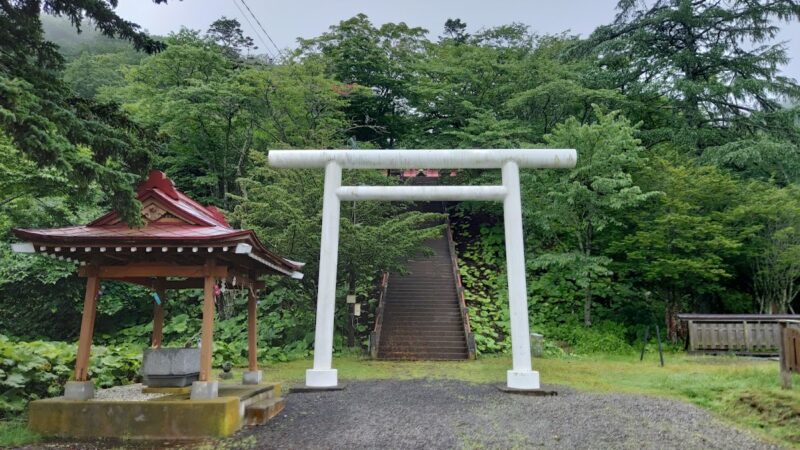
The stone steps, beginning from the sidewalk of National Route 230, are a distinctive feature of the approach to Kimobetsu Shrine. Climbing these steps, leading to the shrine grounds on the hilltop, allows you to shift your mindset, leaving the hustle and bustle of everyday life behind and entering a sacred space.
While there aren’t many steps, each one, carefully placed, prepares you mentally for worship. On both sides of the approach, Hokkaido’s natural beauty unfolds, with seasonal flowers and trees welcoming visitors.
Atmosphere of the Shrine Grounds
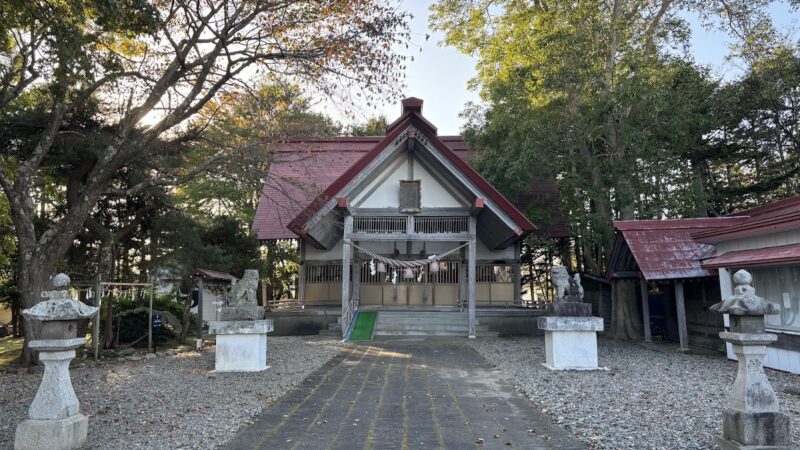
The grounds of Kimobetsu Shrine are a quiet and peaceful space, harmonizing with Hokkaido’s nature. While not a large shrine, the meticulously maintained grounds reflect the deep faith of the local people.
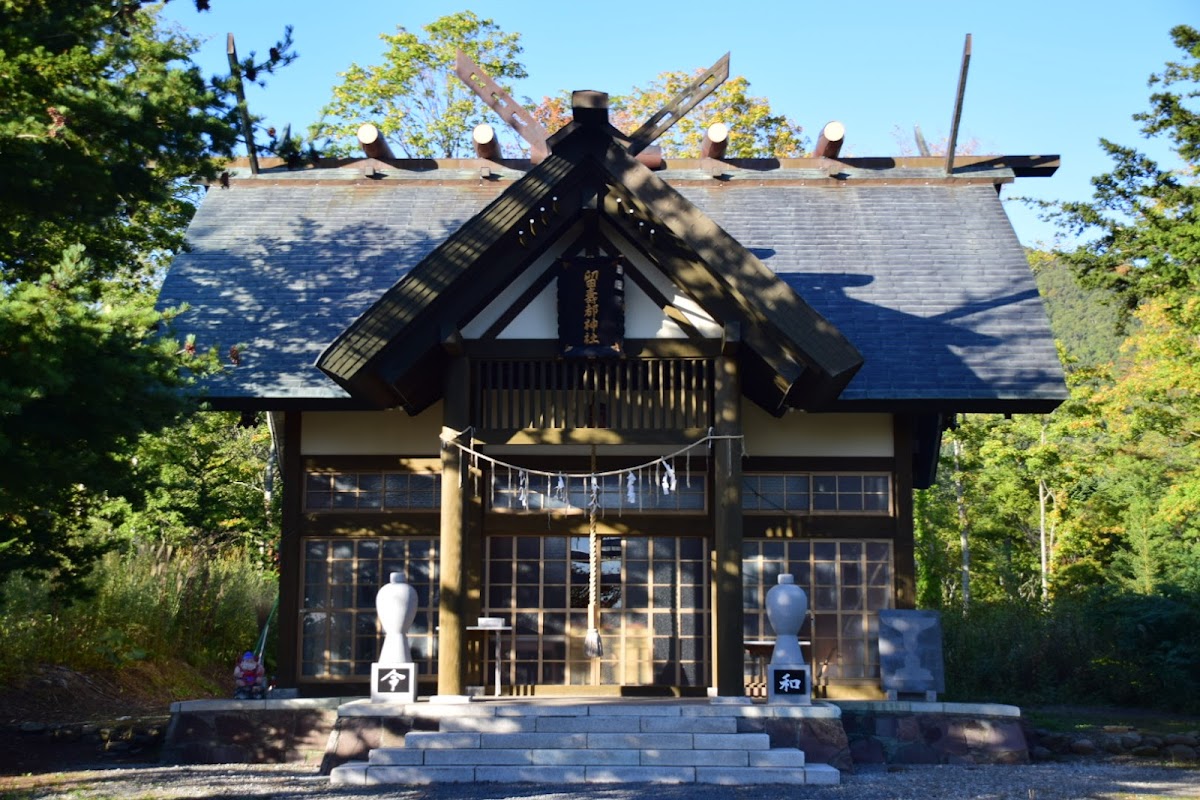
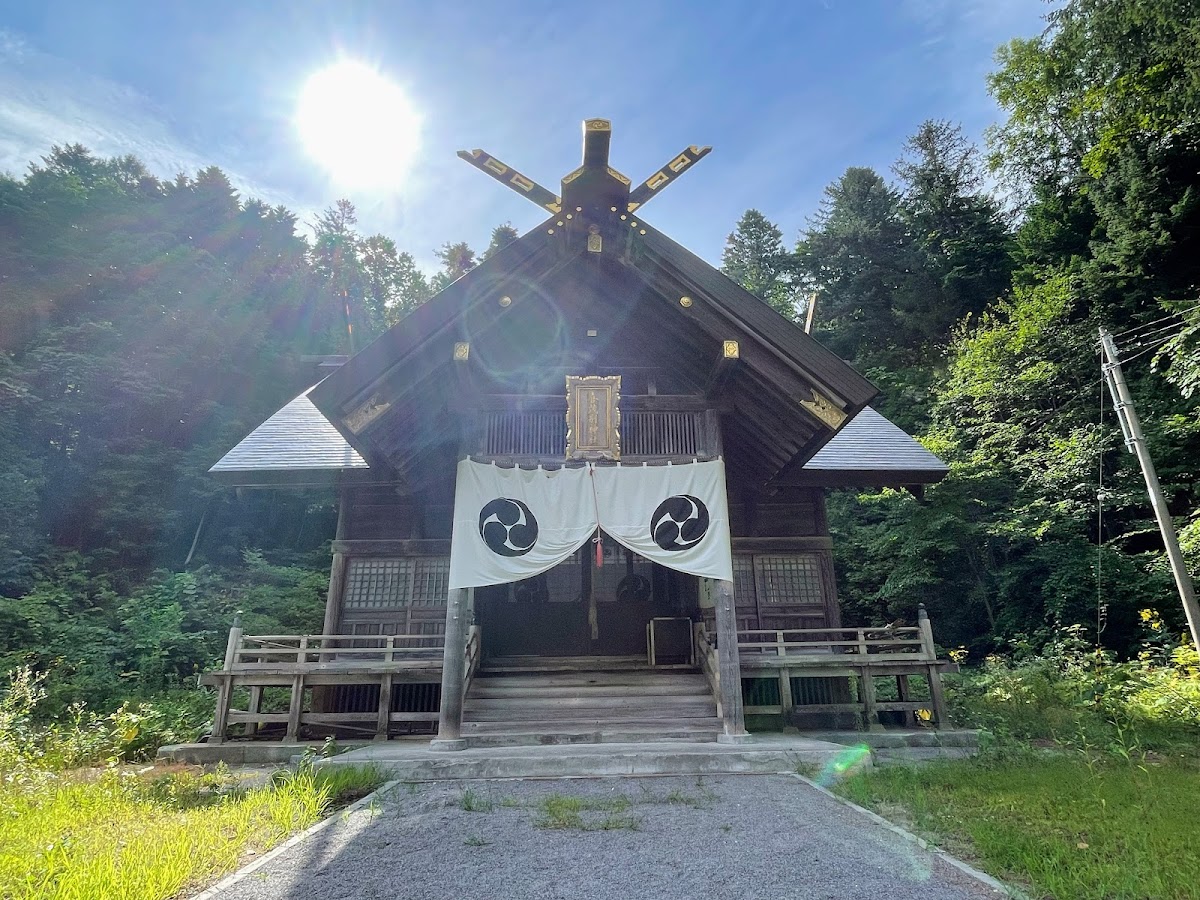
The shrine building is built in the traditional style of Shinto architecture, adapted to Hokkaido’s climate. The grounds feature sacred trees and lanterns, creating a solemn atmosphere befitting a Shinto shrine.
Encounters with Wild Animals
At Kimobetsu Shrine, located in Hokkaido’s rich natural environment, you might encounter wild animals if you’re lucky. In fact, some visitors have reported seeing fawns (Bambi) on the grounds and in the surrounding area.
As this area is home to wild animals, including Ezo deer, you may see them in the early morning or evening. However, it is important to maintain a safe distance from wild animals and refrain from feeding or chasing them.
Manners and Etiquette for Visiting a Shrine
Basic Etiquette for Visiting a Shrine
By observing basic etiquette for visiting a shrine, you can offer a more heartfelt prayer.
How to Pass Through the Torii Gate
The torii gate is the entrance to the sacred area. Before passing through, bow once and proceed while avoiding the center (seichu) of the path. This is because the seichu is considered the path of the gods. Ritual for Washing Hands
If there is a water basin for washing hands, purify yourself in the following order:
- Take the ladle with your right hand and wash your left hand.
- Switch the ladle to your left hand and wash your right hand.
- Switch the ladle back to your right hand, receive water in your left hand, and rinse your mouth.
- Wash your left hand again.
- Hold the ladle upright, let water flow down the handle, and return it to its original position.
Ritual at the Worship Hall
- Bow slightly before the offering box.
- Gently place your offering in the box.
- Ring the bell if there is one.
- Bow twice, clap twice, and bow once (bowing deeply twice, clapping twice, bowing deeply once).
- Step back a few steps, bow once, and leave.
Attire for Worship
There are no specific dress code requirements, but it is desirable to wear clothing that is appropriate for a sacred place. Avoid clothing that exposes too much skin or overly casual footwear such as sandals.
Winter in Hokkaido is extremely cold, so please take thorough precautions against the cold. Also, the stone steps and grounds can become slippery with snow and ice, so it’s important to wear non-slip shoes.
Photography
Photography is generally permitted on the temple grounds, but please note the following:
- Do not take photos in areas where photography is prohibited, such as inside the main hall.
- Refrain from taking photos during religious ceremonies.
- Be considerate and avoid including other worshippers in your photos.
- Use flash sparingly.
If you have any questions, it’s best to check with the shrine office.
Nearby Tourist Attractions
Nakayama Pass
This pass is located on National Route 230, which connects Kimobetsu Town and Sapporo City, at an altitude of 835 meters. There is a roadside station famous for its “fried potatoes,” attracting many tourists. From the pass, you can enjoy a spectacular view of Mount Yotei, making it a popular photo spot.
Mount Yotei
Mount Yotei, a symbol of Kimobetsu Town, is a popular spot for mountain climbing and trekking. During the climbing season from July to September, many climbers from all over Japan visit. Even those who don’t climb can enjoy the beautiful mountain scenery from the surrounding viewpoints.
Rusutsu Resort
A large resort facility located about 20 minutes away by car. It offers a wide range of activities throughout the year, including skiing and snowboarding in winter, and amusement parks and golf in summer.
Lake Toya
Located about 40 minutes by car from Kimobetsu Town, it is one of Hokkaido’s leading tourist destinations. It boasts a beautiful caldera lake and hot spring resorts, as well as numerous tourist facilities such as sightseeing boats and ropeways.
Niseko Area
Niseko, known as an international ski resort, is located north of Kimobetsu Town. Its winter powder snow is world-famous, and in summer, you can enjoy outdoor activities such as rafting and cycling.
Kimobetsu Town’s Local Products and Gourmet Food
Potatoes
The most famous local product of Kimobetsu Town is potatoes. Potatoes grown in Kimobetsu, blessed with a climate that experiences large temperature differences between day and night and soil nourished by the groundwater of Mount Yotei, are characterized by their sweetness and fluffy texture. Varieties such as “Danshaku” and “May Queen” are cultivated.
Asparagus
Asparagus, harvested from spring to early summer, is another representative agricultural product of Kimobetsu. Thick, tender, and sweet asparagus can be purchased at local direct sales outlets and roadside stations.
Roadside Station “Boyo Nakayama”
At the roadside station located at Nakayama Pass, you can purchase fresh vegetables and specialty products from Kimobetsu. Their famous “fried potatoes” use Kimobetsu-grown potatoes, offering a crispy exterior and a fluffy interior.
Kimobetsu Shrine and Hokkaido Shrine Association
Kimobetsu Shrine is a shrine belonging to the Hokkaido Shrine Association. The Hokkaido Shrine Association is an organization that oversees shrines throughout Hokkaido, with its office located in Miyagaoka, Chuo-ku, Sapporo.
The Hokkaido Shrine Association engages in various activities to support shrine worship in Hokkaido, including providing information about shrines, training Shinto priests, and guiding Shinto rituals. For more detailed information about Kimobetsu Shrine, please refer to the Hokkaido Shrine Association website or contact them directly.
Hokkaido Shrine Association
474-35 Miyagaoka, Chuo-ku, Sapporo, Hokkaido 064-0959
Kimobetsu Shrine in Every Season
Spring (April-June)
Spring arrives later in Hokkaido than in Honshu. From late April to May, the breath of spring can be felt in the shrine grounds as the snow melts. Snow still remains on Mount Yotei, creating a beautiful contrast of white and green.
From May to June, the fresh greenery is beautiful, and visitors can enjoy worship in the refreshing air. The weather is mild during this time, making it an ideal season for visiting the shrine.
Summer (July-August)
Hokkaido’s short summer is the busiest time for tourists. Mount Yotei is covered in lush greenery, and on sunny days, the contrast with the blue sky is magnificent. July, the month in which the rain-making ritual that gave rise to the shrine’s founding took place, holds special significance for Kimobetsu Shrine.
Even in summer, mornings and evenings are cool, making it a popular time for tourists seeking refuge from the heat of Honshu. Visitors can enjoy a shrine visit in conjunction with sightseeing in the surrounding area.
Autumn (September-November)
Autumn, when the annual festival is held on September 5th, is an important season for Kimobetsu Shrine. It marks the arrival of the harvest season, and a festival is held to give thanks for the year’s bounty.
From late September to October, the autumn leaves change color, with the foothills of Mount Yotei turning red and yellow. The trees around the shrine grounds also change color, offering a beautiful view.
In late October, the first snowfall is reported, signaling the arrival of winter.
Winter (December-March)
Winter in Hokkaido is harsh, and Kimobetsu Town is covered in deep snow. The temple grounds are adorned with a blanket of snow, creating an even stronger sacred atmosphere enveloped in silence.
Mount Yotei in winter is covered in pure white snow, and on clear days, it presents a beautiful sight against the blue sky. However, the stone steps and temple grounds become slippery with snow and ice, so sufficient caution and appropriate equipment are necessary for winter visits.
On New Year’s Day, worshippers visit for their first shrine visit of the year, offering prayers for the new year. Visiting in the harsh cold will be an even more solemn experience.
Precautions for Visiting
Visiting in Winter
Hokkaido winters bring heavy snowfall, and temperatures can drop below -10 degrees Celsius. When visiting in winter:
- Always wear warm clothing, gloves, hats, and other cold-weather gear.
- Wear shoes or boots with non-slip soles.
- If visiting by car, snow tires are essential.
- Avoid visiting on days with blizzards or heavy snow.
- Visit during daylight hours as sunset is early.
Dealing with Wild Animals
Hokkaido is home to many wild animals. If you encounter Ezo deer, red foxes, etc.:
- Maintain a safe distance.
- Do not feed them.
- Do not chase them or shout.
- Take photographs from a safe distance.
- Exercise caution if there are reports of brown bear sightings.
Insect Control (Summer)
Summer is a time when insects such as mosquitoes and horseflies are abundant. Taking precautions such as bringing insect repellent spray will make your visit more comfortable.
Contact Information
For inquiries regarding Kimobetsu Shrine, please contact:
Kimobetsu Shrine
Phone: 0136-33-2246
Address: 323 Kimobetsu, Kimobetsu-cho, Abuta-gun, Hokkaido 044-0121
Hokkaido Shrine Association
474-35 Miyagaoka, Chuo-ku, Sapporo, Hokkaido 064-0959
For information regarding the hours for receiving Goshuin (shrine stamps), festival dates, and other inquiries, we recommend contacting the shrine directly.
Summary
Kimobetsu Shrine has a history dating back to a rain-making ritual in 1908 (Meiji 41). It is a venerable shrine that enshrines four deities: Amaterasu Omikami, Toyouke Omikami, Onamuchi no Kami, and Sukunahikona no Kami. Located on a hill along National Route 230, it is a popular spot for visitors, offering spectacular views of Mount Yotei.
Located about 1 hour and 30 minutes by car from Sapporo and accessible by Donan Bus, Kimobetsu Shrine is a convenient stop during your Hokkaido sightseeing. They also offer Goshuin (shrine stamps), making it a great choice for those who enjoy visiting shrines.
With its grounds displaying different expressions in each season, and the view of Mount Yotei, you can find peace of mind during your visit in a quiet and sacred atmosphere. Experience the rich nature and history of Kimobetsu Town while visiting Kimobetsu Shrine.
Combining a visit to Kimobetsu Shrine with other nearby attractions such as the Nakayama Pass roadside station, Rusutsu Resort, Niseko, and Lake Toya will make your Hokkaido trip even more fulfilling. At Kimobetsu Shrine, a place that has been revered by the local people, you can have a valuable experience of touching upon Hokkaido’s history and culture.